Expert Guide to Choosing a Tent for Any Adventure
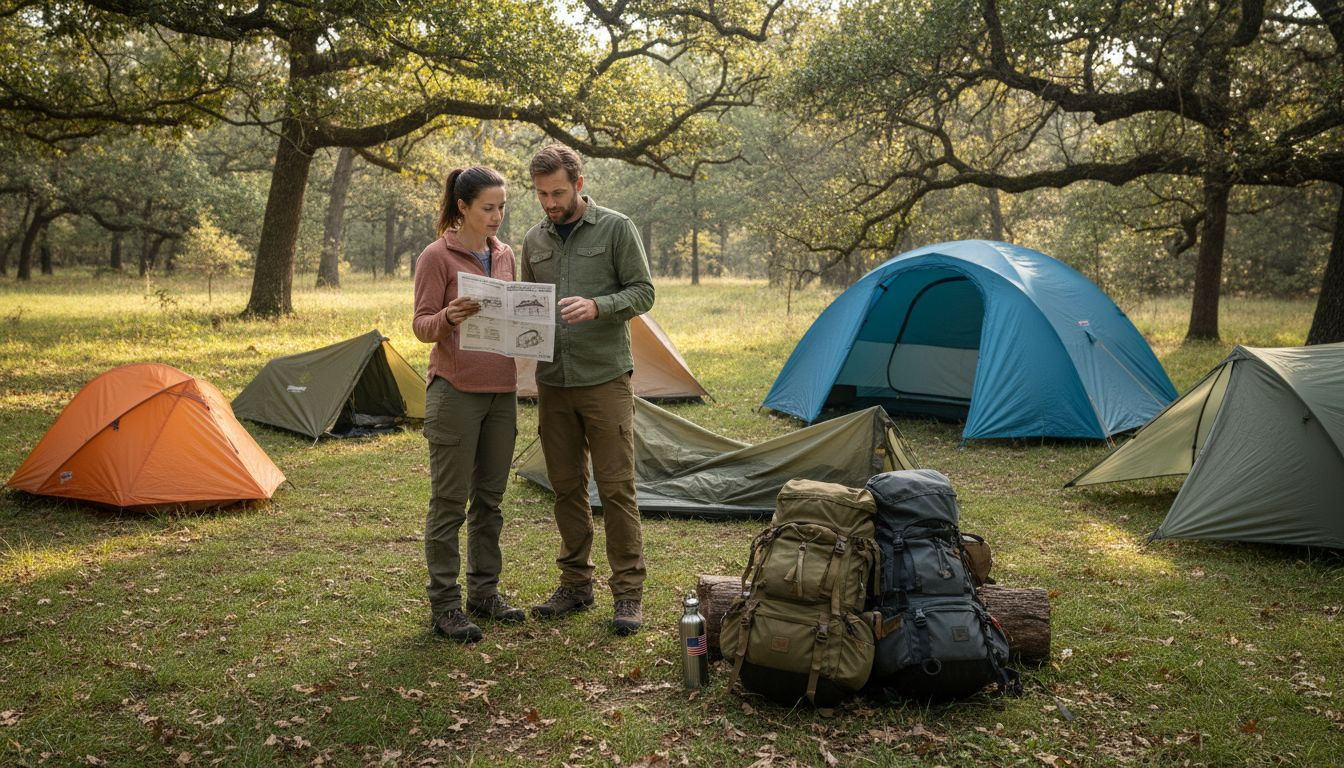
Over one third of American campers report that picking the wrong tent has ruined at least one outdoor trip. Whether you are new to pitching a tent or have spent years exploring American national parks, finding that perfect fit can make all the difference. This guide cuts through the confusion, outlining every step you need to confidently select a tent that matches your camping style, group size, and the ever-changing weather American campers face.
Quick Summary
| Essential Insight | Clear Explanation |
|---|---|
| 1. Assess your camping needs first | Understand your group size, trip type, and environmental conditions to choose the right tent. |
| 2. Compare different tent types | Familiarize yourself with various tent designs, including their advantages and limitations for your camping style. |
| 3. Choose the right tent size | Select a tent that accommodates both occupants and gear comfortably, factoring in interior height and campsite dimensions. |
| 4. Evaluate materials for durability | Opt for tents with high waterproof ratings and durable fabrics to withstand adverse weather conditions. |
| 5. Test setup before the trip | Practice pitching your tent at home to ensure familiarity and identify any issues before heading out to camp. |
Step 1: Assess Your Camping Needs and Conditions
Choosing the right tent starts with understanding your specific camping requirements and the environmental conditions you will encounter. The key is matching your shelter to your adventure style while ensuring comfort and safety.
First, consider your group size and trip type. Are you solo backpacking through rugged mountain terrain or car camping with family in a national park? Different camping scenarios demand different tent designs. Weekend warriors might prioritize lightweight portable shelters, while family campers need more spacious models with multiple sleeping areas. The U.S. Forest Service recommends thoroughly checking campsite conditions and potential hazards before selecting your tent, which means evaluating terrain, expected weather patterns, and potential environmental challenges.
Your physical fitness and health also play crucial roles in tent selection. The National Park Service emphasizes matching your group's interests and capabilities with appropriate camping gear. For instance, high altitude or challenging terrain might require more robust four season tents with enhanced weather protection. Consider factors like group members' mobility, comfort needs, and ability to set up more complex shelter systems.
Pro tip: Always test pitch your tent at home before the trip to familiarize yourself with setup and identify any potential equipment issues well in advance of your adventure.
Step 2: Compare Tent Types and Key Features
Selecting the ideal tent requires understanding the unique characteristics and performance of different tent designs to match your specific outdoor adventure needs. Your goal is to find a shelter that balances protection, comfort, and practicality for your camping style.
Tent types range from lightweight backpacking models to spacious family camping designs. The National Park Service recommends considering tent size, weight, and weather suitability when making your selection. Backpacking tents prioritize low weight and compact design, typically accommodating one to two people with minimal interior space. Dome tents offer excellent stability in windy conditions, while cabin style tents provide maximum headroom and living space for car camping or group adventures.
Key features to evaluate include waterproofing, ventilation, material durability, and ease of setup. Look for tents with robust rainfly coverage, mesh ventilation panels, reinforced floor materials, and intuitive pole designs. Seasonal ratings matter significantly lighter three season tents work well for spring through fall, while four season tents provide enhanced protection for winter and extreme conditions. Consider your typical camping environments wind exposure, potential precipitation, and temperature ranges when assessing these critical features.
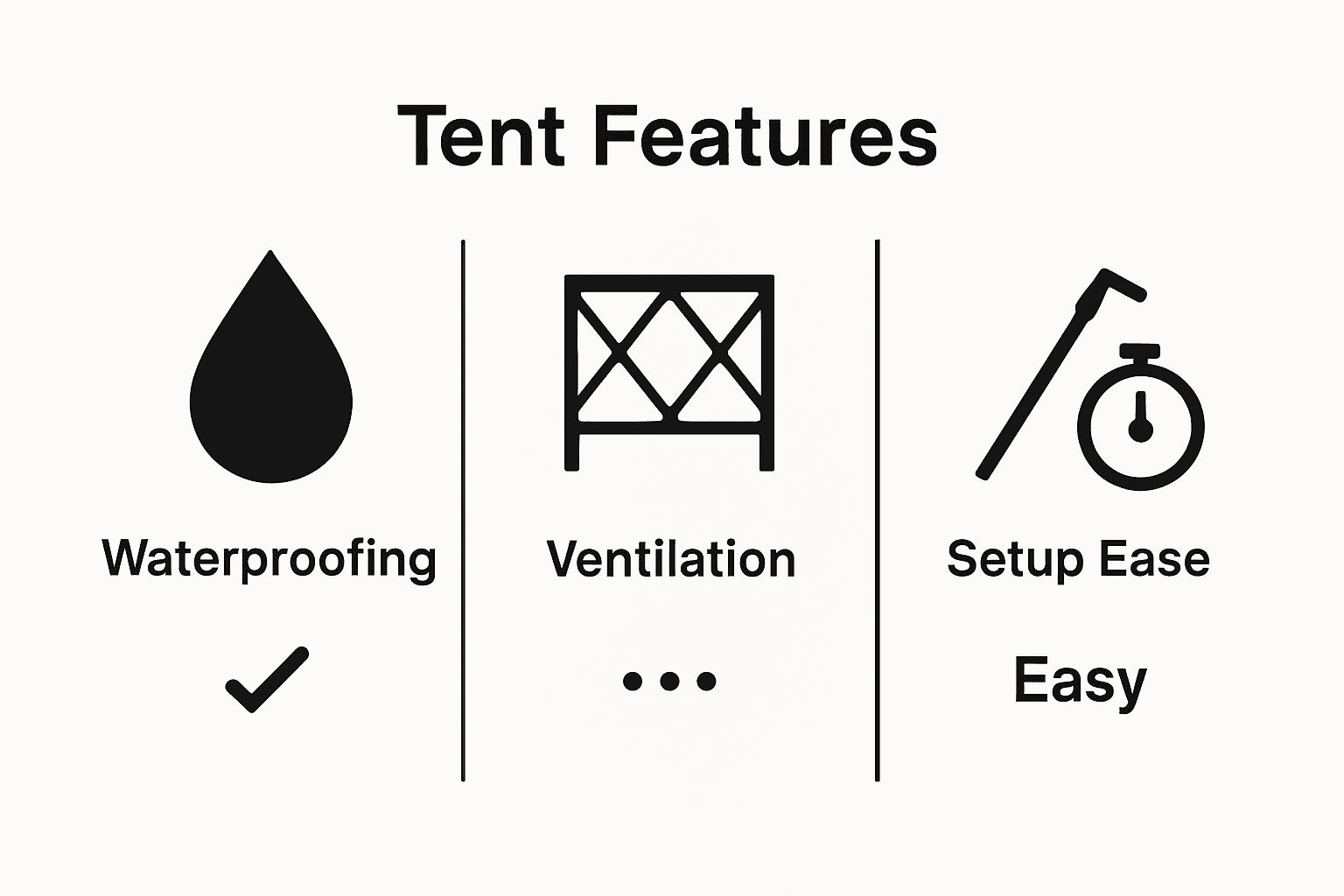
Here's a comparison of common tent types and their best uses:
| Tent Type | Ideal Use Case | Advantages | Limitations |
|---|---|---|---|
| Backpacking Tent | Solo or duo minimalist trips | Lightweight and compact | Limited space, basic comfort |
| Dome Tent | All-around, windy conditions | Stable in wind, easy to pitch | Less headroom than cabin styles |
| Cabin Tent | Family/group car camping | Spacious, high headroom | Bulky, heavier, longer setup |
| Four Season Tent | Winter and harsh weather | Superior protection, durability | Heavy, expensive, complex |
Pro tip: Always test your tent setup at home before your trip to familiarize yourself with the assembly process and identify any potential equipment issues or missing components.
Step 3: Select the Right Size and Capacity
Choosing the right tent size is more than just counting heads its about creating a comfortable living space that accommodates both people and gear while matching your specific camping style. Understanding your groups needs will help you select a tent that provides optimal comfort and functionality.
The National Park Service advises carefully considering the number of occupants and gear storage requirements when selecting tent capacity. As a general rule, subtract one person from the manufacturers suggested capacity to ensure comfortable sleeping arrangements. For instance, a four person tent typically comfortably sleeps three people with room for personal items. Backpackers and minimalist campers might opt for ultralight solo or two person tents, while family campers should look for larger models with multiple sleeping areas and vestibules for equipment storage.
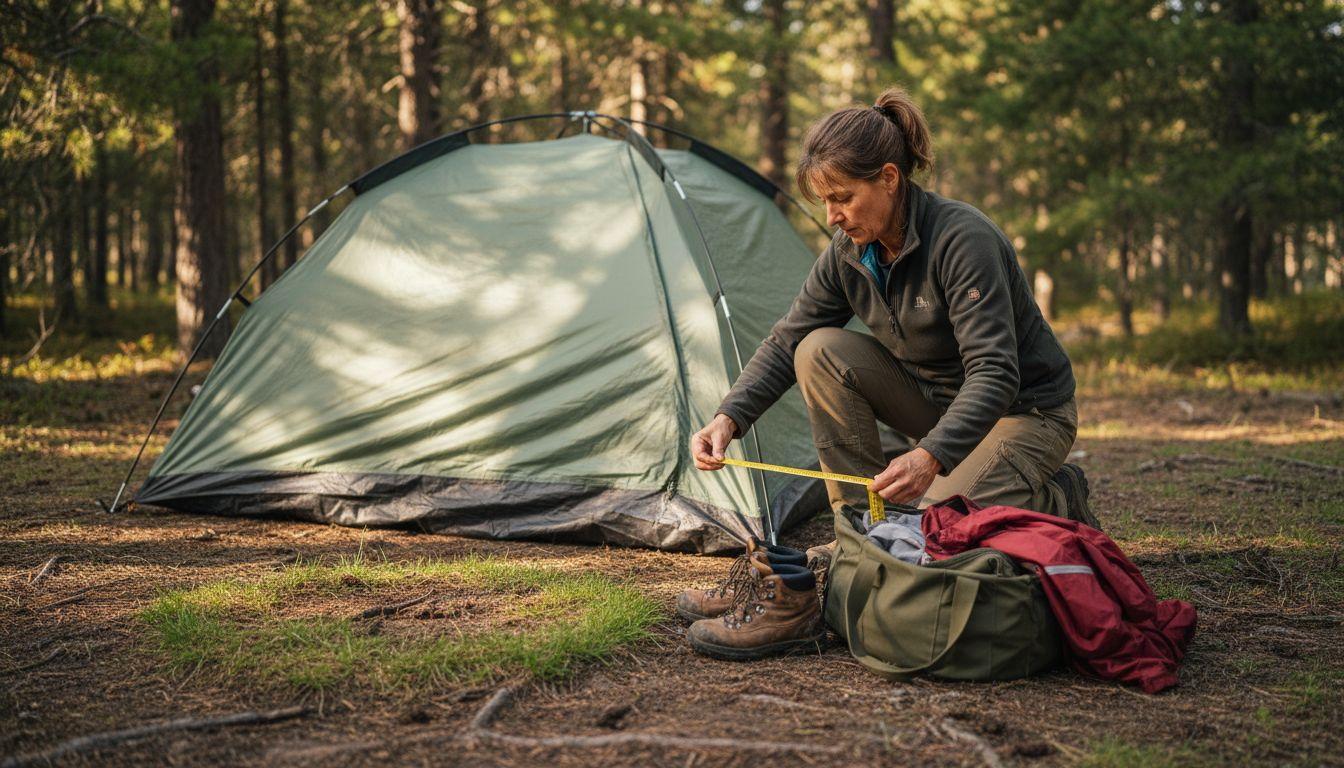
Campsite dimensions also play a crucial role in tent selection. Measure your typical camping spaces and compare them against potential tent footprints to ensure proper fit. Larger group tents require more ground space and potentially multiple tent platforms. Consider additional factors like interior height for standing room, separate sleeping compartments for privacy, and external storage areas for backpacks and camping gear.
This table summarizes key considerations for tent size selection:
| Factor | Impact on Comfort | Example Consideration |
|---|---|---|
| Occupant Count | Ensures enough sleeping space | A "4-person" tent best for 3 adults |
| Gear Storage Need | Keeps living area organized | Vestibules for backpacks and equipment |
| Interior Height | Allows comfortable movement | Standing room important for families |
| Campsite Dimensions | Ensures fit on chosen sites | Compare tent footprint to camp space |
Pro tip: Always pack a groundsheet or footprint to protect your tent floor from rough terrain and extend the life of your camping shelter.
Step 4: Evaluate Materials and Weather Resistance
Selecting the right tent materials is crucial for ensuring durability and protection against unpredictable outdoor conditions. Your tent serves as your primary shelter and defense against wind, rain, and temperature fluctuations, making material choice a critical decision for any camping adventure.
The National Park Service emphasizes the importance of choosing tents with robust weather resistance and appropriate material properties. Modern tent fabrics range from lightweight nylon and polyester to more durable ripstop materials designed to withstand harsh environmental challenges. Waterproof ratings measured in millimeters indicate how much water pressure a fabric can resist before leaking waterproof ratings above 1500mm provide reliable protection for most camping conditions, while higher ratings around 3000mm offer exceptional performance in heavy rainfall and extended outdoor exposure.
Consider the specific environmental conditions of your typical camping destinations when evaluating tent materials. Ultralight backpacking tents use thinner materials to reduce weight, while expedition tents feature heavier duty fabrics with reinforced seams and enhanced weather protection. Pay attention to additional features like silicone coating on nylon fabrics, which increases water repellency and durability. Mesh panels for ventilation, sealed seams, and quality zippers also contribute to overall tent performance and weather resistance.
Pro tip: Always apply a fresh waterproofing spray to your tent before extended trips to maintain and enhance its protective capabilities.
Step 5: Test Setup and Check for Quality
Before heading into the wilderness, thoroughly testing your tent is crucial to ensuring a smooth and comfortable camping experience. Understanding the nuances of your shelters assembly and identifying potential issues beforehand can save you significant stress during your outdoor adventure.
The National Park Service strongly recommends practicing tent setup and equipment familiarity before actual camping trips. Begin by completely unpacking your tent at home and laying out all components systematically. Check that all poles connect smoothly, zippers operate without snagging, and fabric shows no signs of existing wear or manufacturing defects. Pay special attention to pole elasticity, tent stake quality, and the integrity of seams and waterproof coatings.During your home setup practice, simulate potential camping scenarios to gauge your tents performance. Assemble the tent on different surfaces to understand how ground conditions might impact stability. Test the rainfly attachment, examine ventilation mesh functionality, and verify that interior attachments like gear loops and storage pockets meet your expectations. Time yourself during setup to build confidence and efficiency, remembering that quick tent assembly can be critical in changing weather conditions or when fatigue sets in after a long day of hiking.
Pro tip: Keep a small repair kit with extra stakes, pole repair sleeves, and waterproof tape in your tent bag for quick fixes during unexpected equipment challenges.
Find the Perfect Tent for Your Next Outdoor Adventure
Choosing the right tent can feel overwhelming with so many factors like size, materials, and setup involved. You want reliable shelter that fits your group size, matches your camping style, and protects you in all weather conditions. This expert guide highlights how to analyze your needs and test features before you buy. Now imagine having access to high-quality gear designed to make tent selection and setup easier, so you can enjoy your trip with confidence.
Life Camp Adventure offers durable and thoughtfully engineered camping equipment that aligns perfectly with the critical points from the guide such as weather resistance, material durability, and easy setup. Whether you are seeking a lightweight backpacking tent or a spacious family shelter, our collection helps you solve the common challenges of tent selection. Equip yourself with trusted products that combine comfort and toughness.Explore our gear to prepare for your camping trips with confidence. Don’t wait for the unexpected—upgrade your shelter now and experience the outdoors fully protected and comfortable.
Frequently Asked Questions
How do I assess my camping needs when choosing a tent?
Consider your group size and the type of camping you will be doing. Determine if you will be solo backpacking or camping with family, and evaluate the expected weather conditions. Create a list of your essential requirements to help narrow down your options.
What are the key differences between tent types?
Tent types include lightweight backpacking tents, dome tents, cabin tents, and four-season tents. Each type serves a different purpose, like stability in wind or spaciousness for family camping. Identify the type that best matches your adventure style to ensure comfort and protection.
How do I choose the right size tent for my group?
Select a tent size that allows for comfortable sleeping and gear storage by generally subtracting one person from the manufacturer's recommended capacity. For example, a four-person tent is typically ideal for three adults and their gear. Measure your campsite to confirm the tent's footprint fits the available space.
What materials should I look for in a durable tent?
Look for tents made from robust materials such as ripstop nylon or polyester with high waterproof ratings. Choose fabrics rated above 1500mm for reliable weather protection, particularly in heavy rainfall conditions. Evaluate the specific environment you’ll be camping in to select the best material.
How can I ensure my tent is easy to set up during a trip?
Practice setting up your tent at home to familiarize yourself with the assembly process. Time yourself and simulate different conditions to build confidence in your setup skills. This preparation will help make the setup process smooth and efficient, especially when camping in challenging weather.
What should I include in a tent repair kit for emergencies?
Pack a small repair kit with items like extra stakes, pole repair sleeves, and waterproof tape. Having these items on hand can help address unexpected equipment issues quickly. Ensure your kit is easily accessible within your camping gear for immediate use.
