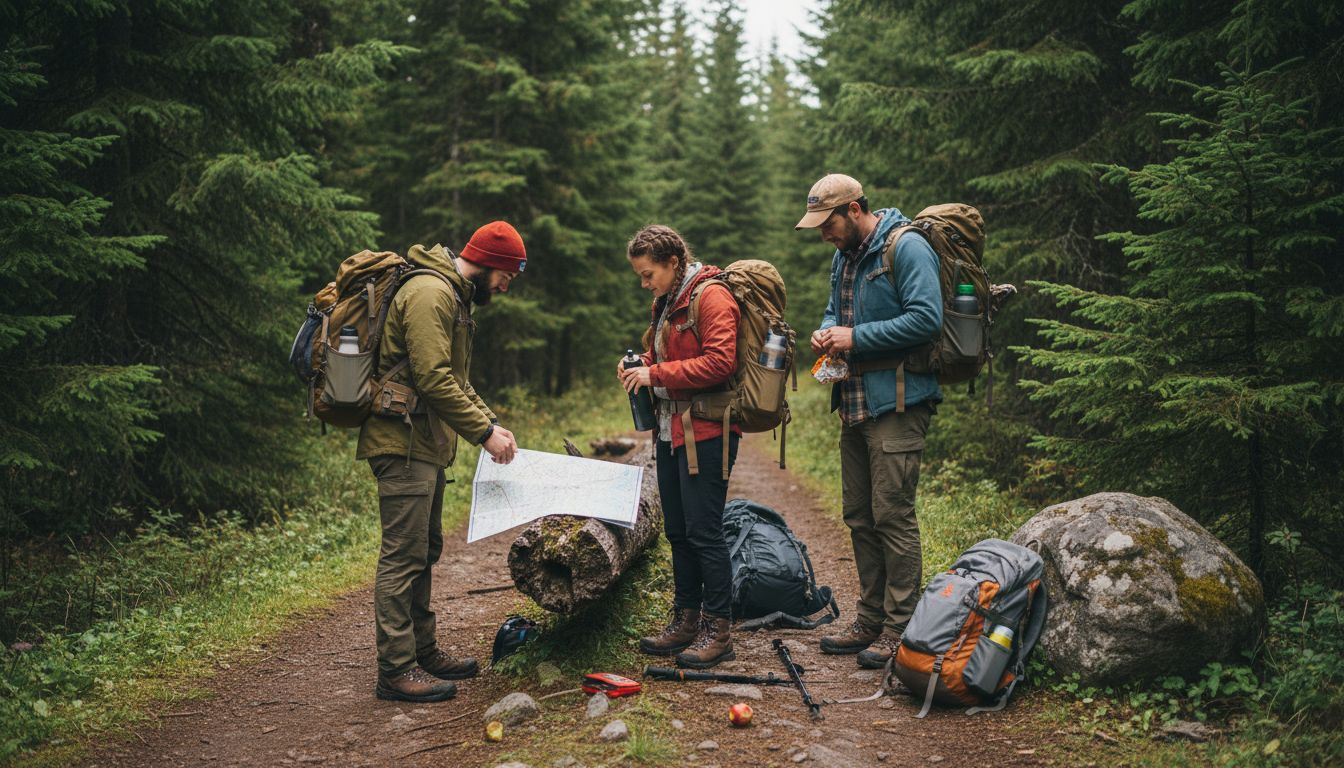
Most American weekend hikers in the Pacific Northwest face gear choices that make or break their trail experience. With nearly 200 rainy days per year in Seattle alone, finding clothing and equipment that can handle unpredictable weather is not just smart—it is essential. This guide highlights the proven gear that delivers comfort and durability, helping you trek confidently through forests, mountains, and changing climates.
Quick Summary
| Takeaway | Explanation |
|---|---|
| 1. Choose durable hiking boots | Select boots with quality materials, ankle support, and tread design to navigate various terrains comfortably. |
| 2. Master the W.I.S.E. layering system | Use moisture-wicking base layers, insulating mid layers, and protective outer shells to regulate body temperature and stay dry. |
| 3. Stay hydrated strategically | Drink water consistently throughout your hike and consider electrolyte supplements for better performance and muscle function. |
| 4. Pack nutrient-dense snacks | Opt for lightweight snacks that combine protein, carbohydrates, and healthy fats to sustain energy during hikes. |
| 5. Carry essential navigation tools | Always bring a topographic map, compass, and a GPS device to ensure safety and reliable navigation in the wilderness. |
1. Durable Hiking Footwear for All Terrains
When it comes to hiking, your feet are your most critical piece of equipment. Choosing the right hiking footwear can mean the difference between an enjoyable outdoor adventure and a painful trek through challenging landscapes.
Hiking boots are engineered to provide protection, support, and performance across diverse terrain types. Unlike casual walking shoes, these specialized boots offer enhanced ankle stability and rugged soles designed to handle everything from rocky mountain trails to slippery forest paths. Hiking boots prioritize durability and protection for serious outdoor enthusiasts.
The key considerations when selecting hiking footwear include material quality, tread design, and ankle support. Vulcanized rubber soles with specialized tread patterns provide superior grip on uneven surfaces. Waterproof materials and breathable membranes help keep your feet dry and comfortable during long hikes.
For Pacific Northwest hikers, versatility is crucial. Look for boots that can transition smoothly between wet forest floors, rocky coastal paths, and mountain trails. Leather or synthetic materials with waterproofing technology offer the best combination of durability and performance.
Weight is another critical factor. Heavier boots provide more stability and protection, while lightweight options reduce fatigue during longer treks. Consider your typical hiking terrain and personal fitness level when making your selection.
Pro tip: Always break in new hiking boots by wearing them around the house and on short walks before attempting long or challenging trails to prevent blisters and ensure maximum comfort.
2. Weather-Resistant Clothing Layers
Outdoor adventures demand smart clothing strategies that protect you from unpredictable weather conditions. Understanding how to layer your clothing can mean the difference between a miserable hike and an enjoyable wilderness experience.
The key to effective outdoor clothing is the W.I.S.E. layering system: a strategic approach that helps regulate body temperature and protect against environmental challenges. Moisture-wicking base layers form the foundation of this system, pulling sweat away from your skin to keep you dry and comfortable.
Start with a base layer made from synthetic materials or merino wool. These fabrics efficiently move moisture away from your body, preventing the chilling effect of damp clothing. Avoid cotton at all costs, as it retains moisture and can lead to rapid heat loss in cold or wet conditions.
Your mid layer provides critical insulation. Fleece jackets or synthetic down layers trap warm air close to your body, creating a protective thermal barrier. Choose lightweight yet warm materials that compress easily for backpack storage.
The outer shell is your primary defense against wind, rain, and snow. Look for waterproof and windproof jackets with breathable membranes that allow moisture to escape while blocking external elements. Versatile outer layers with ventilation zippers offer additional temperature regulation.
Pro tip: Pack a lightweight, compressible insulating layer that can be easily added or removed as temperature fluctuates during your hiking adventure.
3. Hydration Solutions for Day Hikes
Staying properly hydrated is the lifeline of any successful hiking adventure. Your body demands strategic fluid management to maintain performance and prevent potential health risks during outdoor activities.
Hydration strategies require careful planning before you hit the trail. Understanding your body's water needs can make the difference between an enjoyable hike and a potentially dangerous situation.Water Intake Guidelines
Professional recommendations suggest drinking approximately 17-20 ounces of water two hours before your hike. Once on the trail, aim to consume 4-8 ounces of water every 15-20 minutes to maintain optimal hydration levels. This consistent approach helps regulate body temperature and supports muscle function.
Hydration Carrying Options
Modern hikers have multiple hydration solutions. Lightweight water bottles, hydration bladders integrated into backpacks, and collapsible water containers offer versatile ways to carry water. Choose a solution that fits your hiking style and terrain complexity.
Electrolyte Considerations
Water alone is not always enough. Electrolyte supplements or sports drinks help replace minerals lost through sweating, preventing muscle cramps and maintaining nerve function. Look for low sugar options that provide essential sodium, potassium, and magnesium.
Pro tip: Freeze a portion of your water the night before your hike to create a natural cooling system that keeps your water refreshingly cold during your outdoor adventure.
4. Nutritious Snacks for Sustained Energy
Sustaining energy during hiking requires strategic nutrition that goes beyond simply feeling full. Your trail snacks are your primary fuel source for maintaining performance and preventing mid-hike fatigue.
Healthy snacking supports consistent energy levels by providing balanced macronutrients that release energy steadily. Not all snacks are created equal when it comes to outdoor adventures.Ideal Hiking Snack Characteristics
The best hiking snacks are lightweight, nutrient dense, and easy to pack. Look for combinations that offer protein, complex carbohydrates, and healthy fats. Ideal options include:
Protein-Rich Choices
- Jerky made from lean meats
- Roasted nuts with minimal salt
- Small pouches of tuna or salmon
Quick Energy Boosters
- Dried fruit with no added sugars
- Energy bars with balanced nutrition
- Trail mix with nuts and seeds
Portion control is crucial. Aim for snacks that provide 150-250 calories and can be easily consumed without interrupting your hiking rhythm. Prepare individual portions before your trip to avoid overeating or carrying unnecessary weight.
Hydration and Snacking
Remember that snacks work best when combined with proper hydration. Alternate between small bites and water intake to maximize nutrient absorption and maintain steady energy levels throughout your hike.
Pro tip: Pack your trail snacks in clear, resealable bags and organize them by planned consumption time to ensure consistent energy distribution and easy access during your hike.
5. Essential Navigation Tools for Safety
Navigating wilderness terrain requires more than luck and a smartphone. Your ability to find your way safely depends on reliable navigation tools that work when technology fails.
Navigation skills are crucial for backcountry safety and require preparation beyond digital devices. Electronic gadgets might look convenient, but batteries die and signals disappear in remote areas.Core Navigation Tools
Every hiker should carry three fundamental navigation tools:
- Topographic Map
- Detailed landscape representation
- Shows terrain elevation and features
- Never expires or needs charging
- Compass
- Provides true directional orientation
- Works independently of electronic systems
- Lightweight and incredibly reliable
- GPS Device or Smartphone App
- Backup electronic navigation
- Helpful for precise location tracking
- Requires extra battery protection
Backup and Preparation
Always carry paper maps as a backup to digital navigation. Learn basic map reading and compass orientation skills before your hike. Practice these techniques in familiar areas to build confidence and muscle memory.
Safety Strategies
Before departing, study your intended route. Mark key waypoints like water sources, campsites, and potential emergency exit routes. Share your detailed hiking plan with a trusted contact who can initiate a search if needed.
Pro tip: Waterproof your paper maps by placing them in clear plastic sealable bags and practice basic navigation skills before hitting challenging trails.
6. Personal First Aid Kit Basics
Every hiker needs a well-prepared first aid kit that can handle unexpected medical challenges in remote terrain. Your survival might depend on having the right supplies at the right moment.
First aid kits are crucial for wilderness safety and require thoughtful preparation beyond basic bandages. Understanding what to pack and how to use your supplies can make a significant difference in emergency situations.Essential First Aid Kit Components
- Wound Care Items
- Adhesive bandages in multiple sizes
- Sterile gauze pads
- Medical tape
- Antiseptic wipes
- Antibiotic ointment
- Medical Tools
- Tweezers
- Safety pins
- Small scissors
- Disposable gloves
- Emergency blanket
- Medication Essentials
- Pain relievers
- Antihistamines
- Personal prescription medications
- Blister treatment patches
- Anti inflammatory tablets
Personalization Matters
Customize your first aid kit based on personal medical needs, trip duration, and potential environmental challenges. Consider your individual health conditions and the specific terrain you will encounter.
Kit Storage and Maintenance
Store your first aid kit in a waterproof container. Check contents regularly to replace expired items and ensure everything remains sterile and functional. Familiarize yourself with each item before your trip.
Pro tip: Vacuum seal individual first aid components to reduce bulk and maintain sterility, and include a small laminated reference card with basic emergency medical instructions.
7. Multi-Purpose Tools and Repair Kits
In the wilderness, a single versatile tool can mean the difference between a minor inconvenience and a potential emergency. Multi-purpose tools are the Swiss Army knife of hiking preparedness.
Multi-purpose tools aid in emergency repairs and provide critical functionality across multiple scenarios. These compact devices combine several essential functions into one lightweight package.
Core Tool Components
- Cutting Capabilities
- Sharp blade for precision cutting
- Serrated edge for tough materials
- Safe folding mechanism
- Repair Utilities
- Screwdriver bits
- Pliers
- Wire cutters
- Can opener
- Small saw attachment
- Emergency Features
- Integrated fire starter
- Bottle opener
- Wrench functionality
- Compact size
- Durable construction
Strategic Tool Selection
Choose a multi-purpose tool that balances weight, durability, and functionality. Look for stainless steel construction, locking mechanisms, and tools specific to potential trail scenarios. Consider the unique challenges of your typical hiking environments.
Maintenance and Care
Regularly clean and oil your multi-purpose tool to prevent rust and maintain smooth operation. Store in a protective case and check for loose components before each hiking trip. A well maintained tool can last for years of outdoor adventures.
Pro tip: Practice using your multi-purpose tool at home before hitting the trail to familiarize yourself with its features and build muscle memory for quick deployment in actual outdoor scenarios.
8. Lightweight Backpack for Easy Carry
A smart hiking backpack is more than just a container for your gear it is your mobile support system for wilderness adventures. The right backpack can transform your hiking experience from challenging to comfortable.
Ultralight backpacking reduces physical strain by minimizing unnecessary weight while maintaining critical functionality. Modern hiking backpacks are engineered with advanced materials that balance durability and weight efficiency.Key Backpack Selection Criteria
- Weight Considerations
- Target base weight under 10 pounds
- Prioritize lightweight materials
- Choose streamlined design
- Comfort Features
- Padded shoulder straps
- Breathable back panel
- Adjustable chest and waist straps
- Ergonomic weight distribution
- Storage Functionality
- Multiple compartments
- External attachment points
- Integrated hydration sleeve
- Quick access pockets
Smart Packing Strategies
Organize your backpack strategically. Place heavier items close to your back and center of gravity. Use compression straps to stabilize your load and prevent shifting during movement. Consider a pack with a built in rain cover for unexpected weather conditions.
Material and Construction
Look for backpacks constructed from ripstop nylon or similar lightweight yet durable fabrics. Water resistant coatings and reinforced stress points increase longevity and performance in varied outdoor conditions.
Pro tip: Always try on your backpack fully loaded and adjust straps to ensure proper fit before embarking on your hiking adventure.
Below is a comprehensive table summarizing the main aspects and recommended practices for hiking gear and preparation detailed in the article. Each entry highlights critical considerations for enhancing hiking experiences.
| Topic | Description | Key Tips |
|---|---|---|
| Hiking Footwear | Durable boots designed for diverse terrains, offering protection, stability, and comfort. | Break in boots before use; prioritize waterproof materials and ankle support for challenging paths. |
| Clothing Layers | Effective layering system using moisture-wicking, insulating, and protective outer layers for weather versatility. | Avoid cotton; select breathable membranes; pack compressible insulation layers for temperature changes. |
| Hydration Solutions | Strategies for consistent fluid intake and carrying solutions, including bottles and hydration bladders. | Consume water regularly; incorporate electrolytes to replenish minerals lost through sweating. |
| Nutritious Snacks | Energy-sustaining snacks rich in protein, carbs, and fats, suited for lightweight packing and extended activities. | Prepare portion-controlled servings; alternate snacking with hydration for maximum efficiency. |
| Navigation Tools | Essential tools for safe wilderness travel, including maps, compass, and GPS devices. | Learn map reading and compass skills; waterproof paper maps for reliability in adverse conditions. |
| First Aid Kit | Compact kits equipped with wound care items, medications, and tools for managing emergencies. | Customize based on personal needs; vacuum seal contents for organization and preservation. |
| Multi-Purpose Tools | Versatile tools featuring components like blades, pliers, and fire starters for repair and emergency use. | Practice operation; maintain tools clean and functional for prolonged durability. |
| Lightweight Backpacks | Ergonomic backpacks designed for reduced strain and efficient gear organization. | Choose designs with padded straps; test fit before hiking for comfort and balance. |
Elevate Your Hiking Experience with Essential Gear from Life Camp Adventure
Choosing the right hiking essentials is critical for your safety and enjoyment on every trail. The challenges of picking durable footwear, mastering weather-resistant layering, staying hydrated, and having reliable navigation tools can be overwhelming. At Life Camp Adventure, we understand these pain points and are dedicated to providing gear designed for comfort, durability, and ease of use that helps you conquer every outdoor obstacle with confidence.
Explore our high-quality camping equipment, survival essentials, and adventure-ready products that align with the must-have items highlighted in "8 Must-Have Items on Your Hiking Essentials List." Do not wait until your next hike to realize what gear you truly need. Visit Life Camp Adventure now to gear up smartly and step into the wild feeling prepared and unstoppable. Get your hiking essentials today and turn every trail into a rewarding adventure.
Frequently Asked Questions
What are the essential items I need for a hiking trip?
Hiking essentials typically include durable hiking footwear, weather-resistant clothing layers, hydration solutions, nutritious snacks, navigation tools, a first aid kit, multi-purpose tools, and a lightweight backpack. Pack these items to ensure you are prepared for various challenges on the trail.
How do I choose the right hiking footwear?
Select hiking boots that provide protection, support, and grip for the terrain you will encounter. Consider factors like material quality, ankle support, and tread design to find the footwear that offers the best performance for your hiking style.
What layering system should I use for hiking clothing?
Utilize the W.I.S.E. layering system, which includes a moisture-wicking base layer, an insulating mid layer, and a waterproof outer shell. This approach will help regulate your body temperature and protect you from changing weather conditions, ensuring comfort throughout your hike.
How can I stay hydrated while hiking?
Drink water consistently during your hike—aim for 4-8 ounces every 15-20 minutes. Additionally, consider carrying a hydration bladder or lightweight water bottles to easily manage your water intake on the go.
What kind of snacks should I take on a hike?
Choose nutrient-dense snacks that provide a mix of protein, complex carbohydrates, and healthy fats. Options like jerky, dried fruits, and trail mix are excellent choices, as they are lightweight and easy to pack while offering sustained energy.
Why is a first aid kit important for hiking?
A first aid kit is essential for treating minor injuries and addressing emergencies while in remote areas. Ensure your kit includes wound care items, medical tools, and personalized medications to manage potential health issues effectively.
Recommended
- 10 Pack S Shaped 8 Shaped Snap Keychain Hook Clip Outdoor Camping for Molle Back
- 14 in 1 Outdoor Emergency Survival Gear Kit Camping Tactical Tools SOS EDC Case
- What Is Outdoor Survival and Why It Matters
- Survival Shovel 8 in 1 Camping Shovel Folding Multitool Portable Compact
- Climbing Equipment: Choosing the Right Gear Matters - Gripnatic
