
How to Plan a Camping Trip for Stress-Free Adventure
Over one million American families head outdoors for camping every year, drawn by the promise of adventure and fresh air. Choosing the right approach can be the difference between a memorable trip and a stressful ordeal. Whether you are a first timer or seasoned camper, learning how to organize and prepare is key to enjoying nature without worry. This guide reveals essential steps for a safe, comfortable, and rewarding American camping experience.
Quick Summary
| Key Takeaway | Explanation |
|---|---|
| 1. Choose a safe campsite | Select elevated ground and avoid hazards like dead trees or stagnant water to ensure safety and comfort during your stay. |
| 2. Pack essential camping gear | Use a comprehensive gear checklist and prioritize lightweight, multipurpose items to enhance convenience and reduce pack weight. |
| 3. Plan nutritious meals | Prepare lightweight, non-perishable foods that require minimal preparation, ensuring energy and enjoyment while camping. |
| 4. Prepare for weather changes | Pack versatile clothing layers and emergency gear to stay comfortable and safe amidst unpredictable weather conditions. |
| 5. Review safety and emergency plans | Assess potential hazards and pack safety equipment, ensuring you have a clear communication plan for emergencies during your adventure. |
Step 1: Choose the Perfect Campsite
Selecting the right campsite can make or break your outdoor adventure. Your goal is to find a safe, comfortable location that serves as your home base for exploring nature and creating unforgettable memories.
When searching for an ideal campsite, start by carefully evaluating terrain and potential hazards. Look for elevated ground that prevents water accumulation during unexpected rain. Steer clear of areas with dead trees or hanging branches that could pose risks during windy conditions. Pay close attention to the surrounding landscape and avoid spots near stagnant water or tall grasses where insects like ticks and mosquitoes thrive.
Your campsite selection requires strategic thinking. Check local park regulations and ensure you are camping in designated areas. Consider proximity to water sources, bathroom facilities, and hiking trails while maintaining a safe distance that prevents potential wildlife encounters. Pro tip: Always scout your location during daylight hours to fully assess the terrain and potential challenges before setting up camp.
Ready to transform your campsite research into an actual setup? Your next step involves gathering the right equipment and understanding how to efficiently create your temporary outdoor home.
Step 2: Gather Essential Camping Gear
Preparing for your camping adventure starts with carefully selecting the right equipment. Your goal is to pack smart, ensuring you have everything needed for a comfortable and safe outdoor experience.
Begin by assembling a comprehensive camping gear checklist that covers all your basic needs. Focus on essential categories like shelter, sleeping equipment, cooking supplies, and personal hygiene items. Your clothing and gear should be appropriate for the specific terrain and weather conditions you expect to encounter. Pack versatile layers that can handle temperature changes and potential moisture.
Prioritize lightweight, multipurpose equipment that maximizes functionality while minimizing pack weight. Key items to include are a reliable tent, sleeping bag, water filtration system, first aid kit, navigation tools like a map and compass, and emergency communication devices. Pro tip: Always pack extra batteries, a basic repair kit, and redundant fire starting methods to ensure you are prepared for unexpected situations.
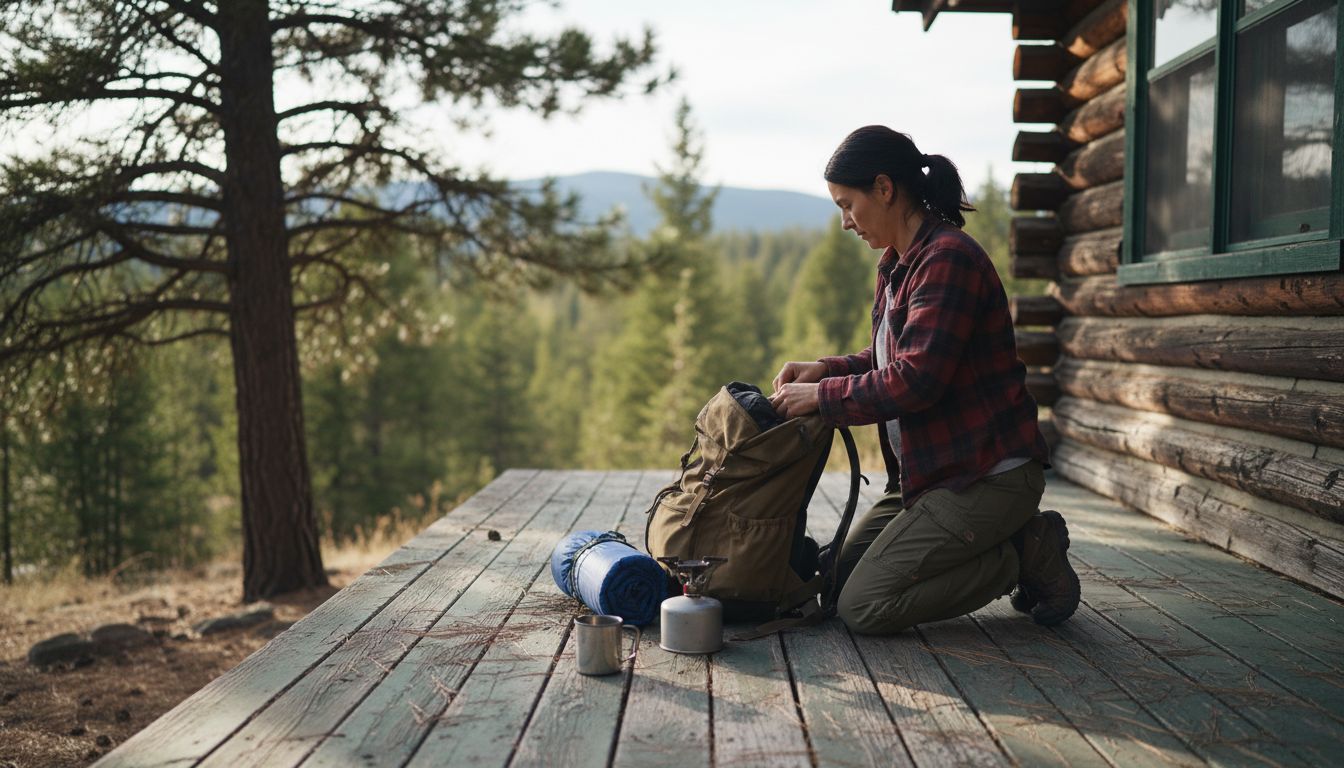
Ready to transform your gear list into a well organized pack? Your next step involves strategically loading your backpack to distribute weight and ensure easy access to critical items.
Step 3: Plan Meals and Pack Food
Meal planning is a critical component of your camping adventure that can make the difference between a delicious outdoor experience and a frustrating culinary challenge. Your goal is to pack nutritious, lightweight, and easy to prepare meals that will keep you energized throughout your trip.
Assemble a comprehensive cooking kit that includes a portable stove, fuel, cooking pots, utensils, and food storage containers. When selecting food, prioritize lightweight non perishable items that provide maximum nutritional value. Focus on meals that require minimal preparation and can be easily packed without risk of spoilage. Consider options like dehydrated meals, trail mix, energy bars, and compact protein sources that offer substantial calories without adding significant weight to your pack.
Pro tip: Always pack extra emergency food supplies and use bear proof containers to store your food securely. Remember to include biodegradable soap for cleaning and plan for proper food waste disposal to minimize your environmental impact. Your food strategy should balance nutritional needs with practical considerations of weight, storage, and preparation ease.
Ready to transform your meal plan into a reality? Your next step involves organizing your cooking equipment and creating a systematic approach to meal preparation during your camping adventure.
Step 4: Prepare for Changing Weather
Weather in the outdoors can be unpredictable and transformative the moment you least expect it. Your mission is to pack strategically so you remain comfortable and safe regardless of what nature throws your way.
Pack clothing layers that provide maximum versatility to handle sudden temperature shifts and unexpected precipitation. Focus on lightweight, moisture wicking base layers, insulating mid layers, and waterproof outer shells that protect against wind and rain. Choose materials that dry quickly and can be easily combined or removed as conditions change.
Pro tip: Always pack additional emergency weather protection like a lightweight rain jacket, waterproof pants, and extra warm socks. Bring a compact emergency shelter such as a lightweight tarp or emergency blanket that can provide protection if conditions deteriorate rapidly. Your goal is to remain flexible and prepared for anything from unexpected mountain storms to sudden temperature drops.
Ready to become a weather preparation expert? Your next step involves learning how to read environmental signs and make quick clothing adjustments to stay comfortable in the wilderness.
Step 5: Review Safety and Emergency Plans
Safety is the foundation of any successful camping adventure. Your mission is to develop a comprehensive emergency preparedness strategy that keeps you protected and confident in the wilderness.
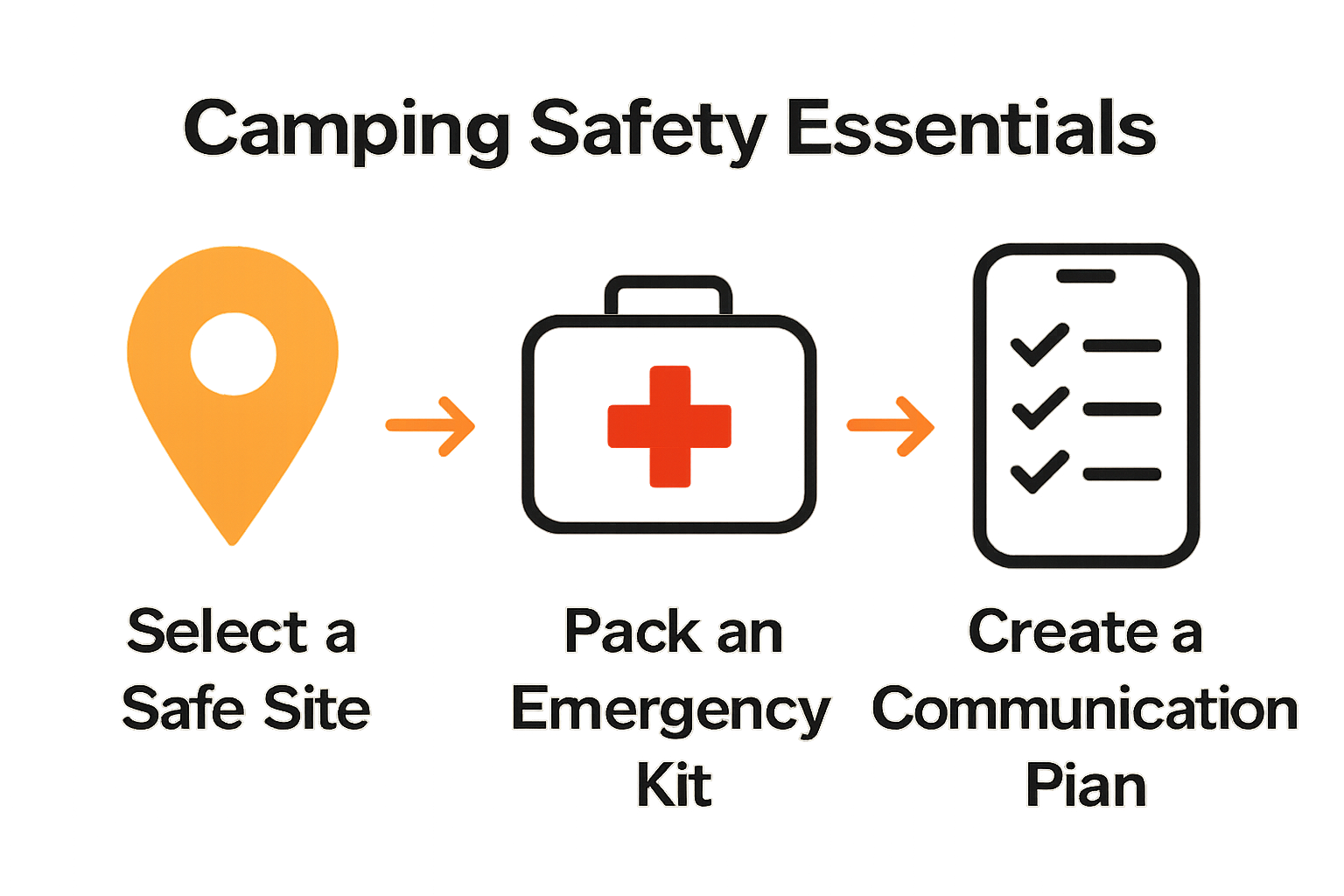
Carefully assess potential hazards in your camping environment, paying special attention to terrain features that could pose risks like flash flood zones, unstable ground, or areas with dead trees. Pack essential safety equipment including a robust first aid kit, emergency communication device, and appropriate protective gear that can help you manage unexpected situations.
Pro tip: Create a detailed emergency communication plan that includes sharing your exact travel itinerary with a trusted contact, carrying multiple communication methods like a satellite messenger and emergency beacon, and knowing the local emergency contact numbers for the specific area you are exploring. Ensure your group understands basic emergency protocols, including how to signal for help, create emergency shelters, and handle potential wildlife encounters. Your goal is to be prepared without being paranoid.
Ready to become a safety planning expert? Your next step involves practicing these emergency skills before you head into the wilderness.
Step 6: Double-Check Readiness Before Departure
The final moments before your camping adventure are crucial for ensuring a smooth and safe journey. Your mission is to conduct a comprehensive final review that transforms your preparation from theoretical planning to practical readiness.
Systematically review your entire gear checklist ensuring every essential item is packed and functional. Verify your navigation tools, emergency equipment, and clothing layers are complete and match the specific terrain and weather conditions you will encounter. Pay special attention to critical items like first aid supplies, communication devices, water filtration systems, and backup power sources.
Pro tip: Create a final physical inspection ritual where you lay out all your gear and methodically check each item against your master list. Test electronic devices, ensure batteries are fully charged, and make duplicate copies of your emergency contact information and travel itinerary. Consider having an experienced camping buddy do a final gear review with you to catch any potential oversights.
Ready to transform preparation into adventure? Your camping journey begins now.
Gear Up for Your Stress-Free Camping Adventure Today
Planning the perfect camping trip means overcoming challenges like finding the right campsite, packing essential gear, and preparing for unpredictable weather. The article "How to Plan a Camping Trip for Stress-Free Adventure" highlights the importance of having reliable equipment that keeps you safe, comfortable, and ready for any situation. Whether you are assembling your shelter, organizing nutritious meals, or preparing for emergencies, the right gear can make all the difference between stress and confidence.
At Life Camp Adventure, we understand these key pain points and goals. Our collection of high-quality camping equipment and survival essentials is designed to support your outdoor lifestyle with durability and ease of use. From lightweight tents and trusted water filtration systems to weatherproof clothing and essential safety tools, we help you turn complex planning into simple, enjoyable preparation.
Get started now with Life Camp Adventure and transform your camping plans into unforgettable experiences. Explore our reliable gear that guarantees comfort and safety, so you can focus on your adventure and leave the stress behind. Visit us today and equip yourself for a confident outdoor journey.
Frequently Asked Questions
How do I choose the right campsite for my camping trip?
Selecting the right campsite involves evaluating the terrain for safety and comfort. Aim to find elevated ground away from potential hazards like dead trees and standing water. Prioritize scouting locations during daylight to ensure you’re prepared.
What essential camping gear should I pack for a stress-free adventure?
Focus on assembling a comprehensive checklist that includes shelter, sleeping equipment, cooking supplies, and personal hygiene items. Prioritize lightweight, multipurpose gear like a reliable tent and sleeping bag, and pack them efficiently to optimize your load.
How can I plan meals for my camping trip to stay energized?
Plan nutritious, lightweight meals that are easy to prepare and pack. Consider dehydrated meals, trail mix, and compact protein sources to provide energy without weighing you down. Always pack extra emergency food supplies for added assurance.
What should I do to prepare for changing weather while camping?
Prepare for unpredictable weather by packing versatile clothing layers that include moisture-wicking base layers, insulating mid layers, and waterproof outer shells. Include additional weather protection items like a lightweight rain jacket and emergency shelter to stay comfortable in any conditions.
How can I ensure safety and have an emergency plan while camping?
Develop a comprehensive safety strategy by assessing potential hazards and packing essential safety equipment such as a first aid kit and communication device. Create an emergency communication plan with your itinerary shared with someone you trust for increased safety during your adventure.
What final checks should I perform before departing for my camping trip?
Conduct a thorough review of your packing checklist to ensure all essential items are included and in working condition. Create a routine where you physically check each item against your list to catch any oversights and confirm readiness before hitting the road.
Recommended
- Welcome to Our New Website!
- VEVOR 12 Person Canvas Glamping Bell Tent, Breathable Waterproof Large Yurt Tent
- VEVOR Camping Kitchen Table, Folding Outdoor Cooking Table with Storage Carrying
- 240240150cm Spring Quick Opening Four-Person Family Tent Camping Tent Brown
