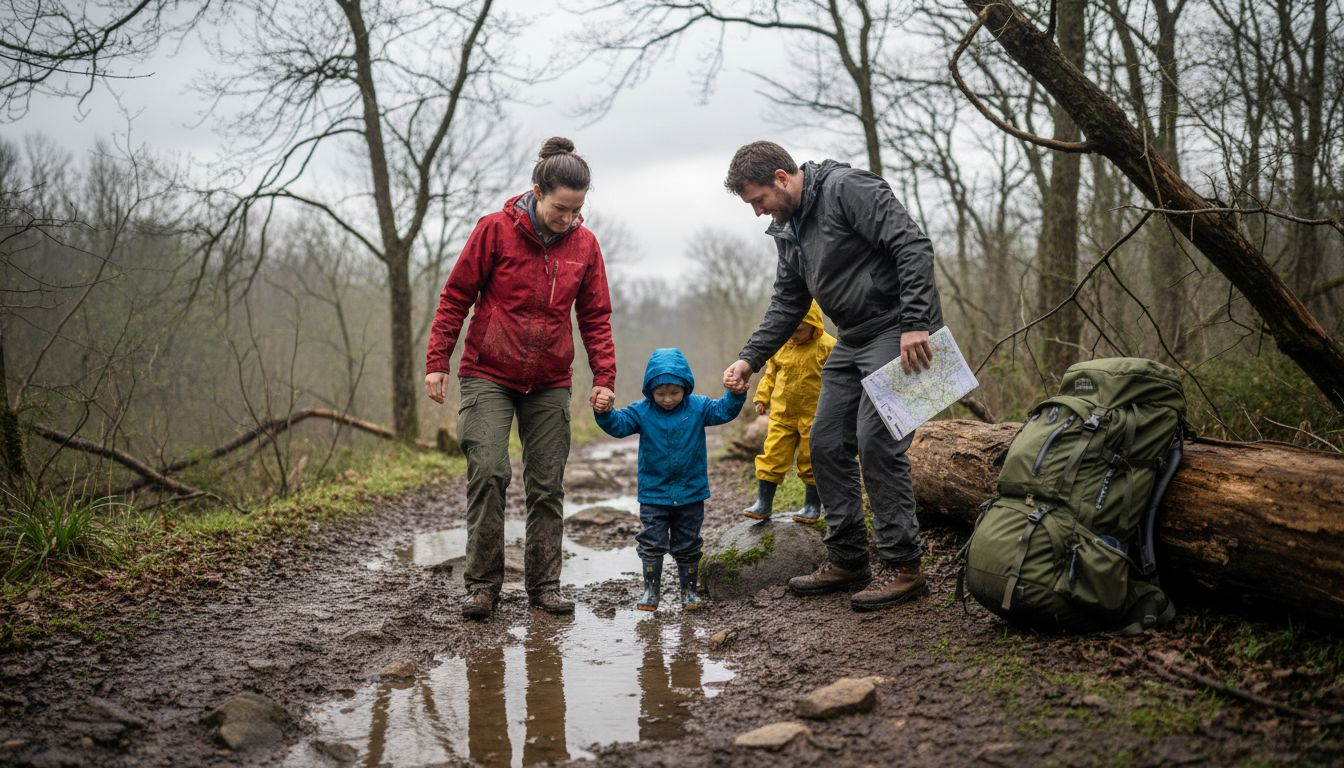
Every parent in the Pacific Northwest has faced the challenge of keeping kids dry and comfortable when the rain just will not quit or an icy wind sweeps through a favorite campsite. Durable, weatherproof apparel is the backbone of memorable outdoor adventures across this region’s unpredictable climates. Understanding the difference between water-resistant and weatherproof clothing means your family stays protected through downpours, chilly mornings, and sunny afternoon hikes, so every moment outside is one to remember.
Key Takeaways
| Point | Details |
|---|---|
| Understanding Weatherproof Apparel | Weatherproof apparel offers superior protection against environmental elements compared to standard clothing, utilizing advanced waterproofing technologies. |
| Differentiating Water-Resistant and Weatherproof | Consumers often confuse water-resistant clothing with truly weatherproof options; the latter provides comprehensive protection during extreme conditions. |
| Selecting for Specific Conditions | Families should prioritize versatile, climate-specific apparel that combines breathability and moisture management for outdoor activities. |
| Investment in Quality Maintenance | Proper maintenance and understanding the lifecycle costs of weatherproof apparel are essential for maximizing performance and longevity. |
Weatherproof Apparel Defined and Misconceptions
Weatherproof apparel represents a sophisticated textile solution designed to protect outdoor enthusiasts from challenging environmental conditions. Unlike standard clothing, these garments are engineered with advanced technologies that create comprehensive barriers against moisture, wind, and temperature variations. Understanding the nuanced differences between various protective fabric technologies is crucial for making informed gear selections.
The core distinction lies in understanding waterproofing technologies. Waterproof fabrics involve specialized treatments that go beyond simple water resistance. These treatments include:
- Specialized coating applications
- Laminate membrane integrations
- Advanced polymer treatments
- Sealed seam construction
- Breathable yet impenetrable material designs
Consumers frequently misunderstand the critical difference between water-resistant and truly weatherproof garments. Water-resistant clothing provides lighter defense against moisture, typically handling light rain or brief environmental exposure. Weatherproof apparel, conversely, offers comprehensive protection during sustained heavy precipitation, extreme temperatures, and challenging outdoor scenarios.
Here's a quick comparison of water-resistant and weatherproof apparel for outdoor use:
| Property | Water-Resistant Apparel | Weatherproof Apparel |
|---|---|---|
| Rain Protection | Handles light moisture | Sustains heavy rain |
| Suitable Conditions | Mild weather | Extreme environments |
| Material Engineering | Basic coating | Advanced membranes |
| Long-Term Comfort | Limited breathability | High breathability and protection |
Performance factors extend beyond basic fabric composition. Effective weatherproof clothing requires meticulous engineering, including:
- Strategic seam sealing techniques
- Advanced zipper waterproofing
- Breathable membrane integration
- Durable water repellent (DWR) treatments
- Precision fabric construction
Pro tip: When selecting weatherproof gear, always evaluate the specific activity and anticipated environmental conditions to ensure optimal protection and comfort.
Apparel Types for Varied Climates and Activities
Family outdoor adventures demand versatile clothing systems that adapt to changing environmental conditions. Effective outdoor apparel requires strategic layering techniques that balance protection, comfort, and adaptability across diverse landscapes and activities.
Climate-specific apparel selection involves understanding unique environmental challenges:
Cold and Dry Environments:
- Insulated, wind-resistant outer layers
- Thermal base layers
- Multiple lightweight insulating mid-layers
Cold and Wet Conditions:
- Fully waterproof outer shells
- Quick-drying synthetic materials
- Sealed seams and moisture-wicking technologies
Mild Temperature Ranges:
- Convertible jackets with removable layers
- Breathable, lightweight fabrics
- Versatile clothing that transitions between activities
Key considerations for selecting family outdoor apparel include:
This summary highlights apparel types suited to different climates and activities:
| Climate/Activity | Recommended Apparel | Adaptability Benefits |
|---|---|---|
| Cold & Dry | Insulated and windproof layers | Maintains warmth without bulk |
| Cold & Wet | Waterproof shells, synthetic fabrics | Stays dry, regulates temperature |
| Mild | Convertible jackets, breathable materials | Easily adjusts to conditions |
- Fabric breathability
- Moisture management capabilities
- Temperature regulation
- Durability under active use
- Ease of movement
Pro tip: Invest in high-quality, versatile base and mid-layers that can be mixed and matched across different outdoor scenarios to maximize your clothing system's adaptability.
Essential Features for Comfort and Protection
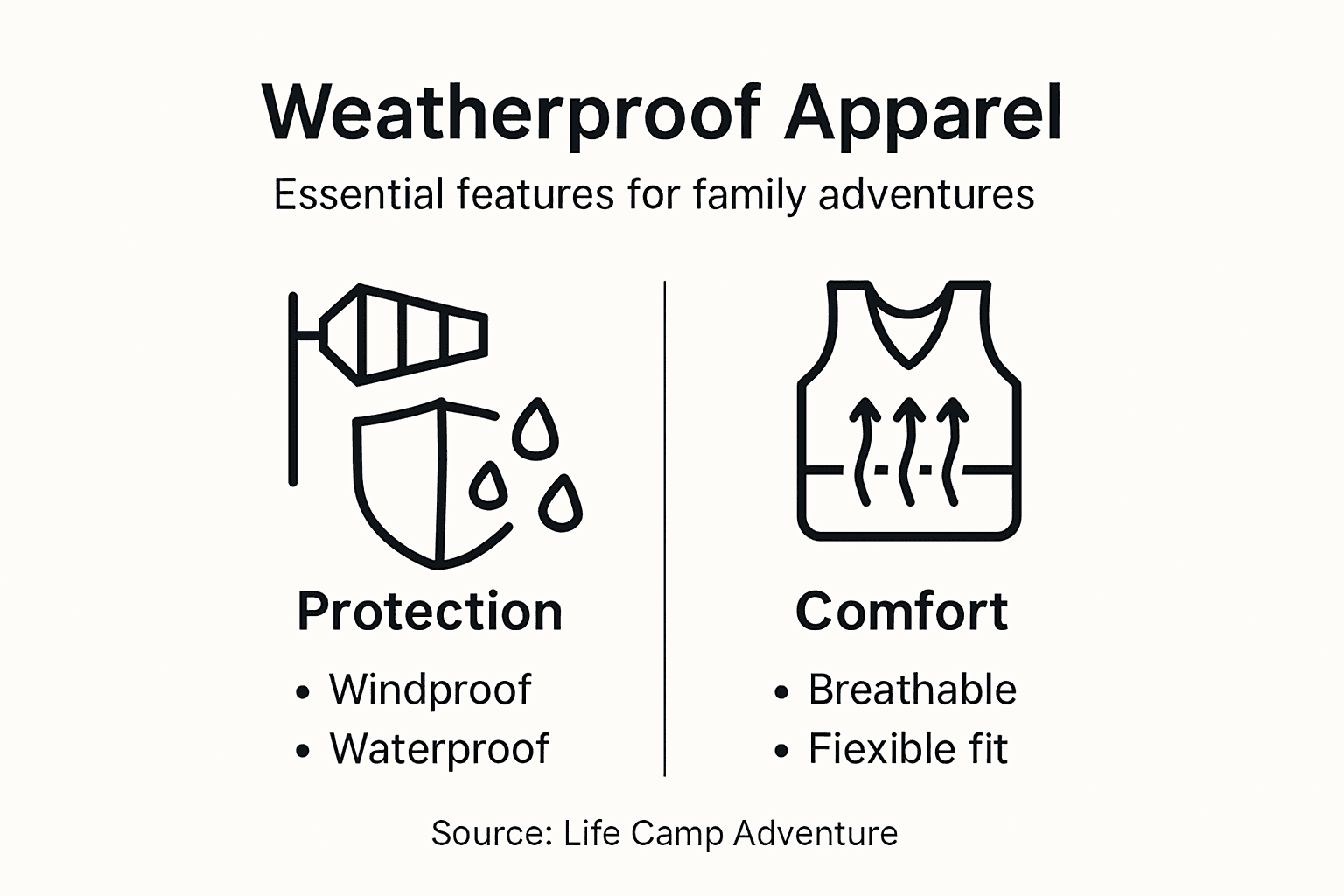
Waterproof breathable fabrics represent a critical technological innovation for outdoor apparel, delivering comprehensive protection while maintaining wearer comfort. These advanced textiles solve the fundamental challenge of keeping families dry without causing overheating during active adventures.Key technical features that define high-performance outdoor clothing include:
Hydrophobic Surface Treatments:
- Repels water droplets
- Prevents fabric saturation
- Maintains garment lightweight properties
Microscopic Membrane Engineering:
- Pores smaller than water droplets
- Larger than water vapor molecules
- Enables moisture vapor transmission
- Prevents liquid water penetration
Structural Performance Factors:
- Fabric weave density
- Material thickness
- Thermal regulation capabilities
- Durability under repeated use
Fabric construction directly impacts waterproof performance and comfort, with high-quality outdoor apparel balancing multiple complex requirements. Breathability remains the critical distinguishing factor between standard and premium weatherproof clothing systems.
Comprehensive protection demands attention to specific design elements:
- Sealed seam construction
- Durable water-repellent (DWR) exterior finishes
- Strategic moisture-wicking interior layers
- Articulated design for enhanced mobility
- Temperature-adaptive material technologies
Pro tip: Always test weatherproof clothing through simulated activity movements to ensure true comfort and unrestricted range of motion.
Real-World Applications for Outdoor Families
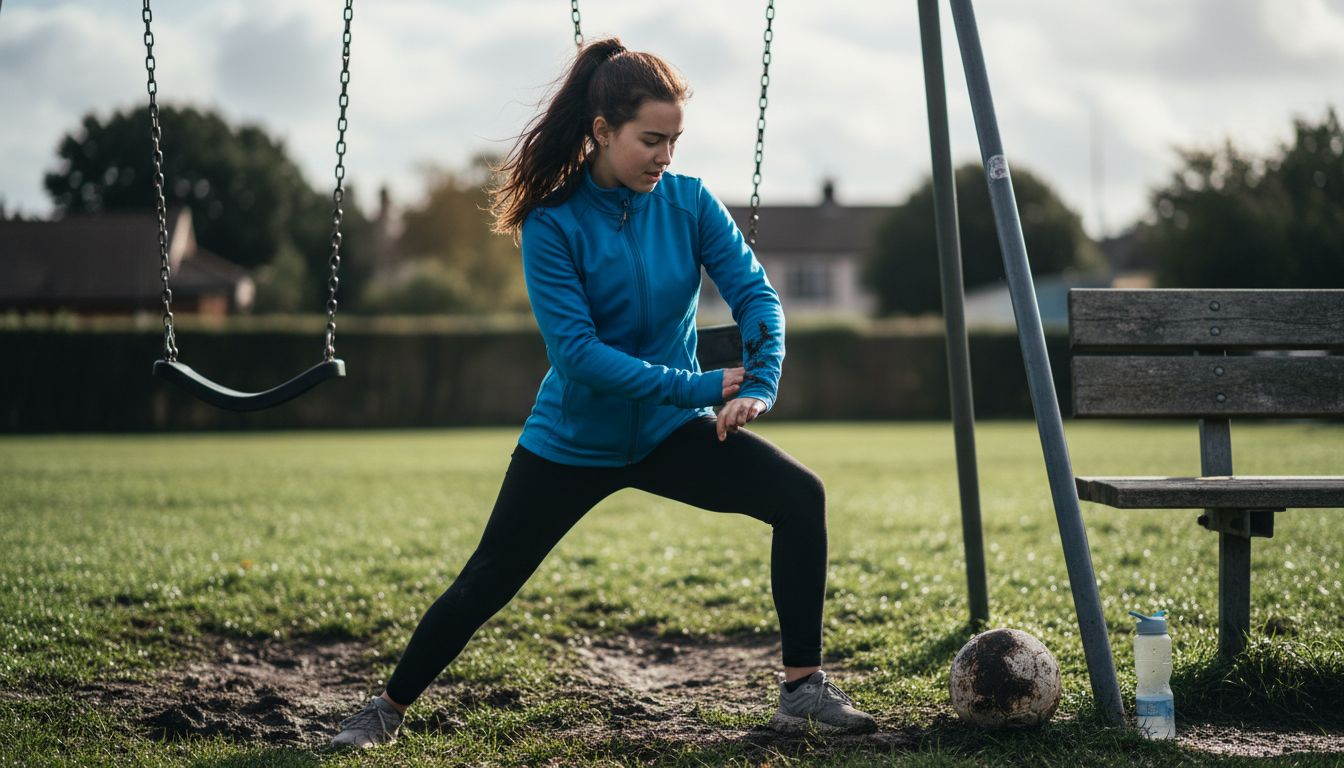
Outdoor performance textiles transform family adventure experiences by delivering sophisticated protection across diverse environmental conditions. Modern weatherproof apparel goes far beyond simple water resistance, enabling families to confidently explore challenging landscapes and unpredictable climates.Practical applications for advanced outdoor clothing technologies include:
Hiking and Trail Exploration:
- UV protective layers
- Quick-drying materials
- Thermal regulation capabilities
- Lightweight mobility designs
Camping and Overnight Adventures:
- Moisture-wicking base layers
- Insulation for temperature fluctuations
- Abrasion-resistant outer shells
- Versatile convertible clothing systems
Extreme Weather Conditions:
- Wind-blocking membrane technologies
- Enhanced thermal retention
- Waterproof breathable constructions
- Strategic layering capabilities
Key performance criteria for family outdoor apparel include:
- Comprehensive moisture management
- Temperature regulation
- Durability under active use
- Unrestricted movement capabilities
- Protection from environmental elements
Pro tip: Invest in versatile, multi-functional clothing pieces that can adapt to changing outdoor conditions and activity levels.
Cost, Maintenance, and Common Pitfalls
Weather variability directly impacts apparel manufacturing and maintenance costs, creating complex economic challenges for outdoor clothing manufacturers and consumers. Understanding the true lifecycle expenses of weatherproof apparel requires careful analysis of production, maintenance, and performance degradation factors.Critical cost considerations for weatherproof apparel include:
Production Expenses:
- Advanced material sourcing
- Specialized manufacturing techniques
- Technical membrane integration
- Quality control processes
Maintenance Requirements:
- Periodic water-repellent coating reapplication
- Specialized cleaning procedures
- Professional restoration services
- Regular performance testing
Potential Performance Degradation:
- Fabric coating breakdown
- Membrane integrity reduction
- Seam seal deterioration
- Thermal protection loss
Common maintenance pitfalls families should avoid include:
- Ignoring manufacturer care instructions
- Using standard detergents on technical fabrics
- Storing garments improperly
- Neglecting timely repairs
- Exposing clothing to unnecessary wear
Pro tip: Invest in specialized cleaning products designed specifically for technical outdoor apparel to maintain peak performance and extend garment longevity.
Comparing Alternatives and Making Smart Choices
Choosing the right weatherproof apparel demands a strategic approach that balances performance, comfort, and budget considerations. Families must navigate a complex landscape of clothing technologies, evaluating multiple factors beyond simple price point.
Comparison criteria for outdoor clothing alternatives include:
Budget-Friendly Options:
- Entry-level synthetic materials
- Basic water-resistant treatments
- Standard performance capabilities
- Limited durability and protection
Mid-Range Performance Gear:
- Advanced breathable membranes
- Enhanced moisture management
- Better thermal regulation
- Moderate durability
Premium Technical Apparel:
- High-end waterproof technologies
- Precision engineering
- Maximum environmental adaptability
- Lifetime performance guarantees
Decision-making factors families should prioritize include:
- Intended activity types
- Local climate conditions
- Frequency of outdoor use
- Individual comfort requirements
- Long-term investment potential
Pro tip: Always try on weatherproof clothing and perform mobility tests before purchasing to ensure genuine comfort and unrestricted movement.
Equip Your Family for Every Adventure With Weatherproof Confidence
Weatherproof apparel is essential for families who want to enjoy the outdoors without worrying about heavy rain, cold winds, or changing climates. The article highlights the importance of advanced waterproof fabrics, strategic layering, and durable protection to keep your loved ones comfortable and safe. At Life Camp Adventure we understand these challenges and are committed to providing gear that matches the sophistication and reliability of weatherproof clothing technologies. Whether you need versatile insulating layers or waterproof shells our products focus on comfort durability and ease of use so you can focus on making unforgettable memories.
Explore our full collection of adventure-ready products at Life Camp Adventure and see how thoughtful design meets real-world performance. Invest in gear crafted to handle extreme environments and keep your family protected during any excursion. Don't wait for the weather to challenge your plans take control now with trusted solutions from Life Camp Adventure. Gear up today and transform your outdoor experience into a confident and comfortable journey.
Frequently Asked Questions
What distinguishes weatherproof apparel from water-resistant clothing?
Weatherproof apparel offers comprehensive protection from moisture, wind, and extreme temperatures, while water-resistant clothing typically provides lighter defense suitable for brief drizzle or mild conditions.
What are the main features to look for in high-performance outdoor clothing?
Key features include hydrophobic surface treatments, microscopic membrane engineering, sealed seam construction, breathable fabrics, and durable water-repellent (DWR) finishes to ensure comfort and protection during outdoor activities.
How should families choose outdoor apparel based on climate conditions?
Families should assess their specific environmental challenges, selecting apparel like insulated layers for cold and dry climates, waterproof shells for wet conditions, and breathable fabrics for mild temperatures to ensure flexibility and protection.
What maintenance practices can extend the life of weatherproof apparel?
Regularly reapplying water-repellent coatings, following manufacturer care instructions, using specialized cleaning products for technical fabrics, and performing timely repairs can significantly prolong the functionality and longevity of weatherproof clothing.
