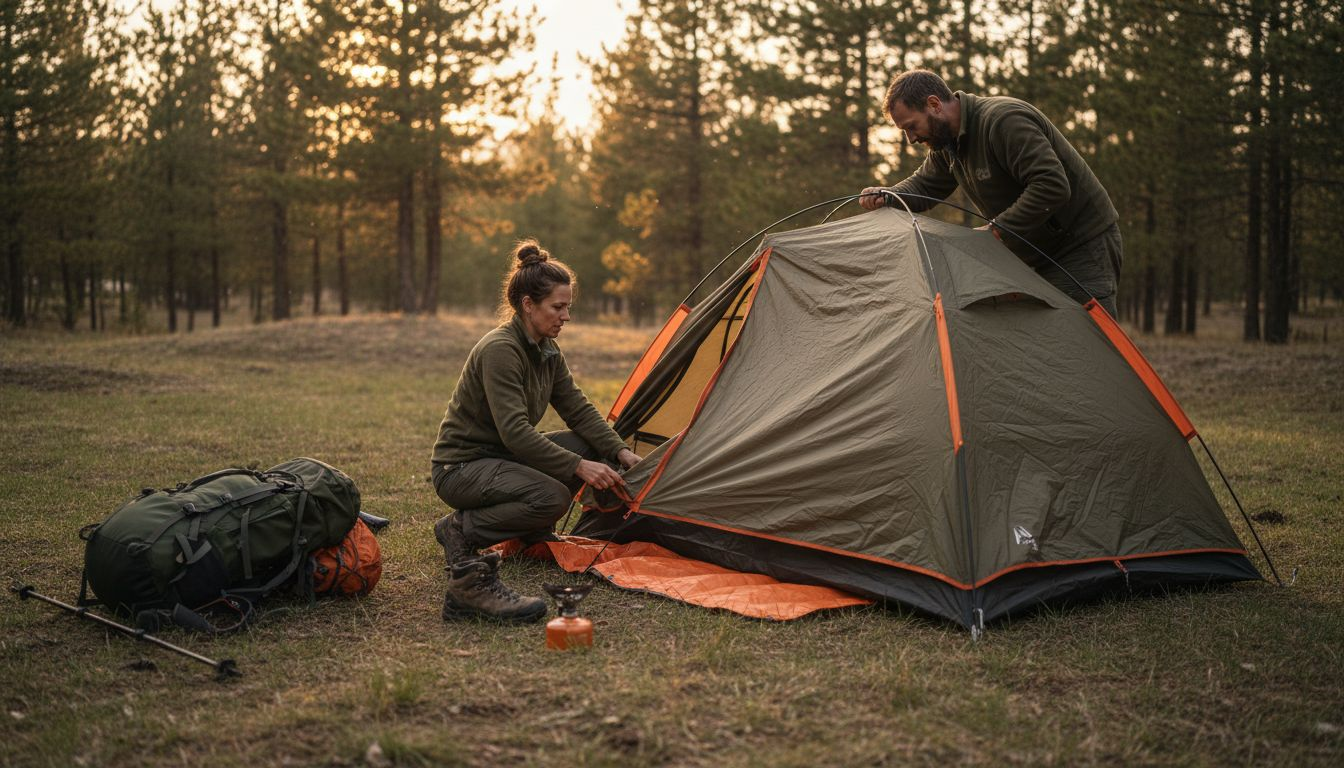
Most American outdoor enthusiasts know that Pacific Northwest rainstorms can turn a promising trek into a survival test. When every ounce counts and the forecast is unreliable, choosing a high-durability tent becomes more than a matter of convenience—it is critical for safety and comfort. Nearly 80 percent of experienced backpackers report tent failure as their primary concern during multi-day adventures. This guide breaks down what real durability means, stripping away common myths and providing the facts you need to select a dependable shelter for your next unpredictable journey.
Key Takeaways
| Point | Details |
|---|---|
| Understanding Durability | Tent durability involves material selection, construction techniques, and environmental adaptations beyond just weight and cost. |
| Material Insights | High-performance fabrics like ripstop nylon and polyester provide specific advantages in durability, UV resistance, and weather protection. |
| Structural Features Matter | Key design elements such as reinforced seams, anchoring systems, and modular components significantly enhance a tent's longevity and performance. |
| Avoiding Common Pitfalls | Selecting a durable tent requires careful consideration of technical specifications and suitability for specific environmental conditions to ensure long-term use. |
Defining Tent Durability and Common Myths
Tent durability goes far beyond simply how long a piece of fabric survives outdoors. It represents a complex interaction between materials, design, environmental conditions, and user maintenance. Understanding durability as a multifaceted concept reveals that it's not just about resistance to wear, but how effectively a tent maintains its core functionality across challenging outdoor scenarios.
Common myths about tent durability often misrepresent what truly makes a tent reliable. Many Pacific Northwest hikers mistakenly believe that the heaviest or most expensive tent automatically guarantees maximum durability. However, true durability involves strategic material selection, precise construction techniques, and thoughtful design that anticipates real-world challenges. Factors like fabric weight, thread count, waterproofing treatment, and reinforcement at stress points matter significantly more than raw material cost.
Understanding tent durability requires recognizing its nuanced nature. Durability isn't a binary state but a spectrum influenced by multiple variables: UV resistance, tear strength, seam quality, water repellency, and how materials respond to repeated stress cycles. Modern tent manufacturers employ advanced testing protocols that simulate years of potential usage, evaluating how fabrics and structural components maintain integrity under simulated rain, wind, compression, and temperature variations.
Pro tip: Inspect your tent's high-stress areas like corner attachments, zipper regions, and pole connection points during each camping trip to catch potential durability issues before they become catastrophic failures.
Types of High-Durability Tent Materials
Modern outdoor enthusiasts demand tent materials that can withstand extreme environmental challenges while maintaining lightweight performance. Advanced fabric technologies have revolutionized tent construction, offering sophisticated materials that balance durability, weight, and weather resistance. Polyester, nylon, and ripstop fabrics now dominate the high-performance tent market, each engineered to provide specific advantages for different camping environments.
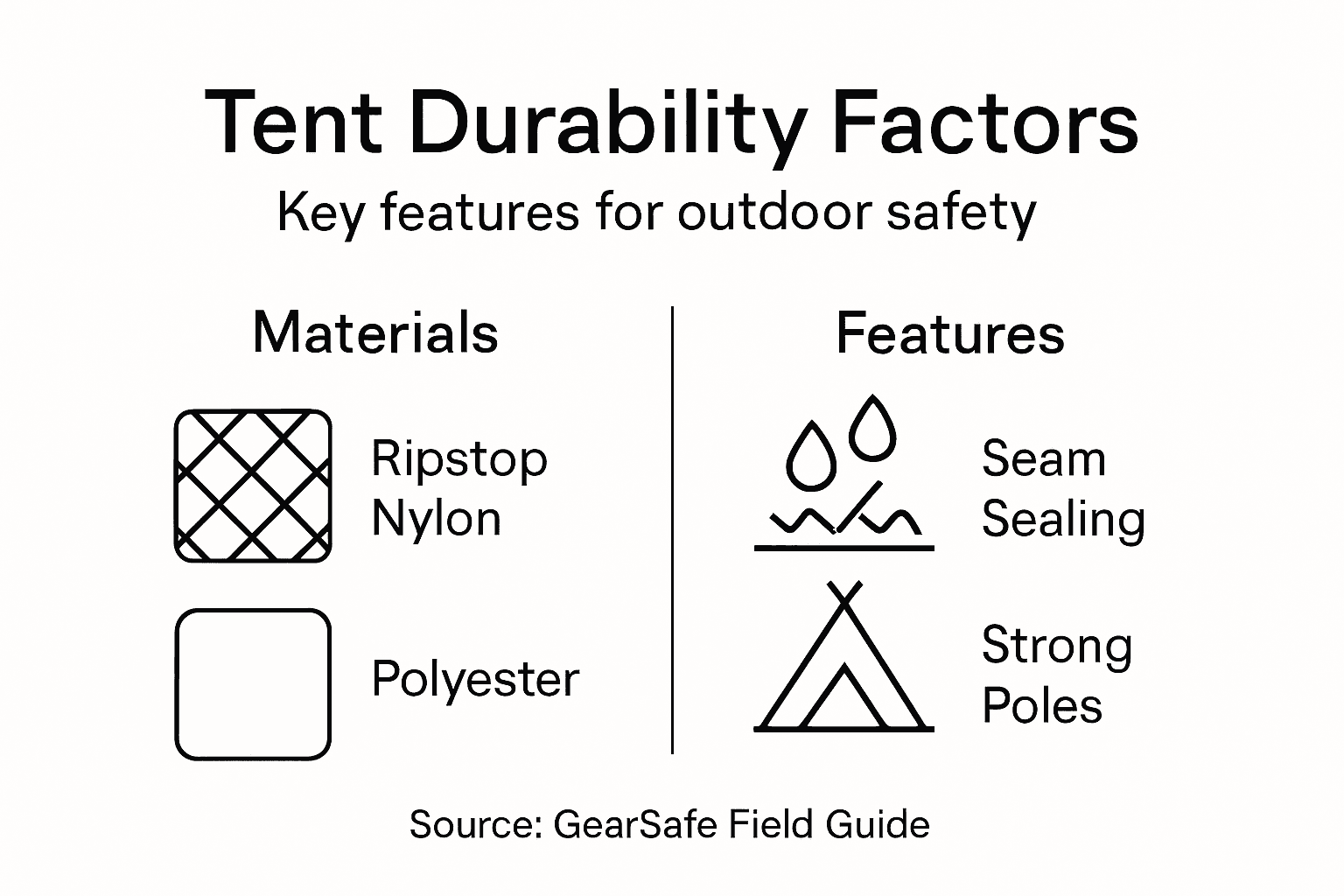
The most advanced tent materials combine multiple performance characteristics. Ripstop nylon, for instance, integrates reinforced threads at regular intervals to prevent tear propagation, making it ideal for rugged terrain. Polyester offers superior UV resistance and maintains structural integrity better than traditional cotton fabrics. Some manufacturers now incorporate specialized coatings like silicone or polyurethane to enhance water repellency and increase the material's overall durability. High-performance tent designs often utilize laminated fabric mixes that integrate multiple material properties, such as modacrylic blends with HDPE/LDPE outer liners for maximum environmental protection.
Critical durability factors extend beyond raw material selection. Fabric density, thread count, weave pattern, and external treatments dramatically influence a tent's long-term performance. Ultralight backpacking tents might use 15-30 denier fabrics for minimal weight, while expedition-grade tents could employ 40-70 denier materials for enhanced puncture resistance. Specialized treatments like DWR (Durable Water Repellent) coatings and ripstop reinforcement provide additional layers of protection against moisture, UV degradation, and mechanical stress.
Here's a comparison of popular high-durability tent materials and their key properties:
| Material Type | Notable Strength | Typical Use Case | Limitation |
|---|---|---|---|
| Ripstop Nylon | Tear resistance | Rugged backpacking, expeditions | Less UV resistance |
| Polyester | UV resistance | Family camping, summer use | Slightly heavier |
| Modacrylic Blend | Weather protection | Humanitarian tents, shelters | More expensive |
| HDPE/LDPE Laminates | Water repellency | Extreme weather shelters | Bulkier pack size |
Pro tip: Always inspect your tent's material specifications and look for multiple durability indicators like denier rating, tear strength, and water resistance measurements before selecting your next outdoor shelter.
Key Features That Ensure Long Lifespan
A tent's longevity depends on far more than just material quality. Sophisticated design features play a critical role in determining how well a shelter performs under diverse and challenging environmental conditions. Experienced outdoor enthusiasts understand that durability is a complex interplay between engineering, material science, and strategic structural design.
Structural integrity begins with fundamental design elements. Anchoring systems are paramount in preventing tent failure during extreme weather events. High-performance tents incorporate multiple reinforcement strategies like double-stitch seams, stress-distribution panels, and strategic reinforcement at connection points. Humanitarian tent design standards reveal that quality control measures like robust self-locking buckles, ground sheet integration, and carefully engineered fabric overlaps significantly extend a tent's operational lifespan.
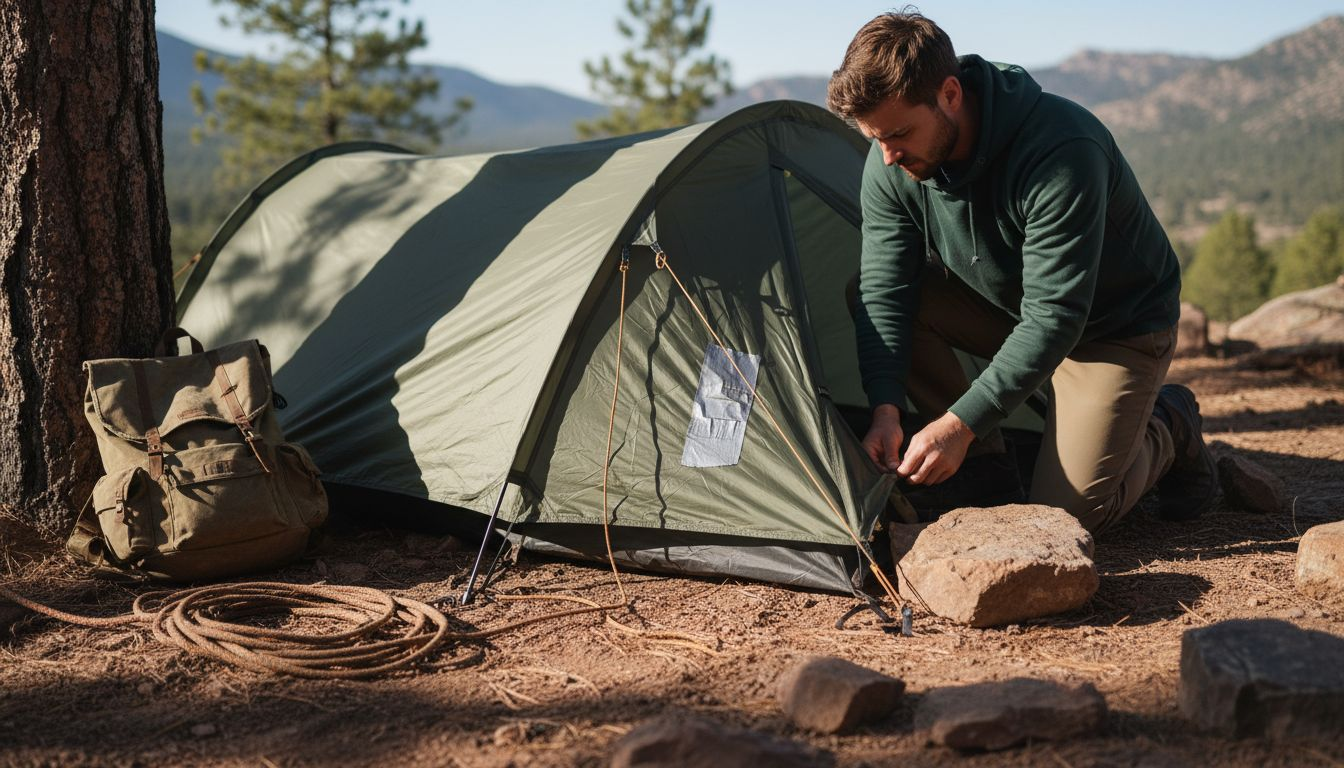
Beyond basic construction, advanced tents integrate modular design principles that enhance long-term functionality. This includes removable and replaceable components like rainflies, internal dividers, and vestibule attachments. Such design strategies allow for repair and component replacement, preventing total tent replacement when individual sections experience wear. Additional protective features like UV-resistant coatings, water-repellent treatments, and breathable membrane technologies further contribute to maintaining structural performance across multiple seasons of intensive use.
This table outlines how key durability features influence overall tent performance:
| Durability Feature | Impact on Performance | Field Benefit |
|---|---|---|
| Reinforced Seams | Resists water leaks and splitting | Longer-lasting in storms |
| Double-Stitch Panels | Distributes stress | Fewer fabric tears |
| Modular Components | Easy maintenance and repair | Lower long-term costs |
| UV-Resistant Coating | Prevents sun damage | Prolonged outdoor usage |
Pro tip: Regularly inspect your tent's high-stress areas like pole connections, zipper tracks, and seam junctures, and address minor wear immediately to prevent catastrophic failure during critical outdoor expeditions.
How Durability Affects Weather Protection
Tent durability is the critical line of defense between outdoor adventurers and potentially life-threatening environmental conditions. Weather protection performance depends entirely on the structural integrity and material resilience of a tent's design, making durability far more than a mere comfort consideration—it's a fundamental safety requirement.
The relationship between durability and weather protection is complex and multifaceted. Fabric technology plays a crucial role in preventing water infiltration, wind damage, and UV degradation. Durable tent designs incorporate specialized features like laminated fabrics, reinforced seams, and advanced waterproofing treatments that actively resist environmental stress. These technologies ensure that tents maintain their protective capabilities even under prolonged exposure to harsh conditions such as heavy rainfall, strong winds, and intense solar radiation.
Structural durability directly impacts a tent's ability to withstand extreme weather scenarios. High-performance tents use engineered frame systems and strategic material reinforcements that distribute stress evenly, preventing catastrophic failures during storms. Robust anchoring systems, stress-distribution panels, and carefully designed connection points work together to maintain tent stability. This means that a truly durable tent doesn't just resist wear—it actively protects occupants by maintaining structural integrity when environmental conditions become unpredictable and dangerous.
Pro tip: Invest in a tent with proven durability ratings and conduct thorough pre-trip inspections, paying special attention to seam integrity, waterproofing, and structural connections to ensure maximum weather protection.
Balancing Weight, Packability, and Durability
The holy grail of outdoor gear design lies in creating products that simultaneously deliver maximum performance with minimal compromise. Tent design trade-offs reveal a delicate ecosystem where weight, durability, and packability compete for engineering priority, forcing manufacturers to make strategic decisions that impact overall tent functionality.
Modern material science has revolutionized how engineers approach these competing requirements. Lightweight frames constructed from tensile steel or aluminum now offer unprecedented strength-to-weight ratios, enabling tent designers to reduce overall mass without sacrificing structural integrity. Innovative fabric technologies incorporate laminated woven materials that provide robust weather resistance while maintaining incredibly low pack weights. Advanced synthetic fabrics like ripstop nylon and polyester blends can now withstand significant environmental stress while remaining compact enough to fit into modest backpack compartments.
The optimization process requires nuanced understanding of intended usage environments. Ultralight backpackers might prioritize minimal weight and compact size, accepting slightly reduced durability, while expedition teams demand maximum structural resilience regardless of weight penalties. Sophisticated tent designs now incorporate modular components, removable rainflies, and strategic reinforcement zones that allow users to customize their shelter's performance profile. This approach enables outdoor enthusiasts to select gear that precisely matches their specific environmental challenges without unnecessary compromise.
Pro tip: Always test pack your tent before extended trips, checking its compressed size and weight against your specific travel requirements and equipment limitations.
Avoiding Pitfalls When Choosing Durable Tents
Selecting a durable tent requires more than simply choosing the most expensive or heaviest option. Comprehensive technical specifications serve as critical guideposts for avoiding common selection errors that could compromise outdoor safety and comfort. Understanding the nuanced factors that contribute to true tent durability helps outdoor enthusiasts make informed decisions that protect their investments and personal security.
The most significant pitfalls emerge from overlooking critical performance variables. Climate adaptation represents a crucial consideration that many buyers neglect, assuming a single tent design suits all environments. Tent selection strategies must account for specific regional stressors like persistent humidity, extreme temperature variations, high wind zones, and potential UV exposure. Manufacturers design tents with varying stress tolerances, and matching these specifications to your intended usage environment prevents premature material degradation and potential structural failure.
Technical details often reveal the true durability potential of a tent. Sophisticated buyers examine factors beyond surface-level marketing claims: seam construction quality, reinforcement zones, material denier ratings, waterproofing treatments, and stress distribution mechanisms. Ultralight tents might sacrifice durability for packability, while expedition-grade shelters prioritize robust materials that can withstand prolonged harsh conditions. Understanding these engineering trade-offs allows campers to select tents that genuinely match their specific outdoor requirements, balancing performance, weight, and long-term reliability.
Pro tip: Always request detailed technical specifications and perform hands-on testing of tent materials, paying special attention to seam strength, fabric tension, and connection point resilience before committing to a purchase.
Equip Yourself With Durable Gear for Ultimate Outdoor Safety
Understanding the role of durability in tents is essential to ensure your safety and comfort during every outdoor adventure. This article highlights the importance of key features such as reinforced seams, UV-resistant coatings, and advanced fabric technologies that protect you from harsh weather and unexpected challenges. If you want to avoid common pitfalls and invest in reliable shelter that withstands the elements, focusing on these durability aspects is a must.
Discover how Life Camp Adventure supports your goals with high-quality camping equipment designed for lasting performance. Our gear balances durability, weather resistance, and thoughtful design so you can explore with confidence and comfort. Visit Life Camp Adventure to explore products that meet rigorous standards and help you stay protected wherever your journey takes you. Don’t wait until your next trip—prepare now with trusted gear engineered to keep up with your adventures. Start your search for reliable tents and essential outdoor supplies today at https://lifecampadventure.com.
Frequently Asked Questions
What factors contribute to tent durability?
Tent durability is influenced by material choices, construction techniques, environmental conditions, and user maintenance. Key factors include fabric weight, thread count, waterproofing treatments, and reinforcement at stress points.
How does tent durability impact outdoor safety?
Durability is essential for outdoor safety as it ensures a tent can withstand harsh weather conditions. A durable tent maintains its structural integrity, protecting occupants from exposure to elements like rain, wind, and UV radiation.
What types of materials are best for durable tents?
High-durability tent materials include ripstop nylon for tear resistance, polyester for UV resistance, and modacrylic blends for weather protection. Each material has distinct benefits suited for different camping environments.
How can I maintain my tent to ensure its durability?
To maintain tent durability, regularly inspect high-stress areas like zippers and seams, clean it after trips, store it dry, and use protective coatings if applicable. Address minor wear immediately to prevent larger failures.
