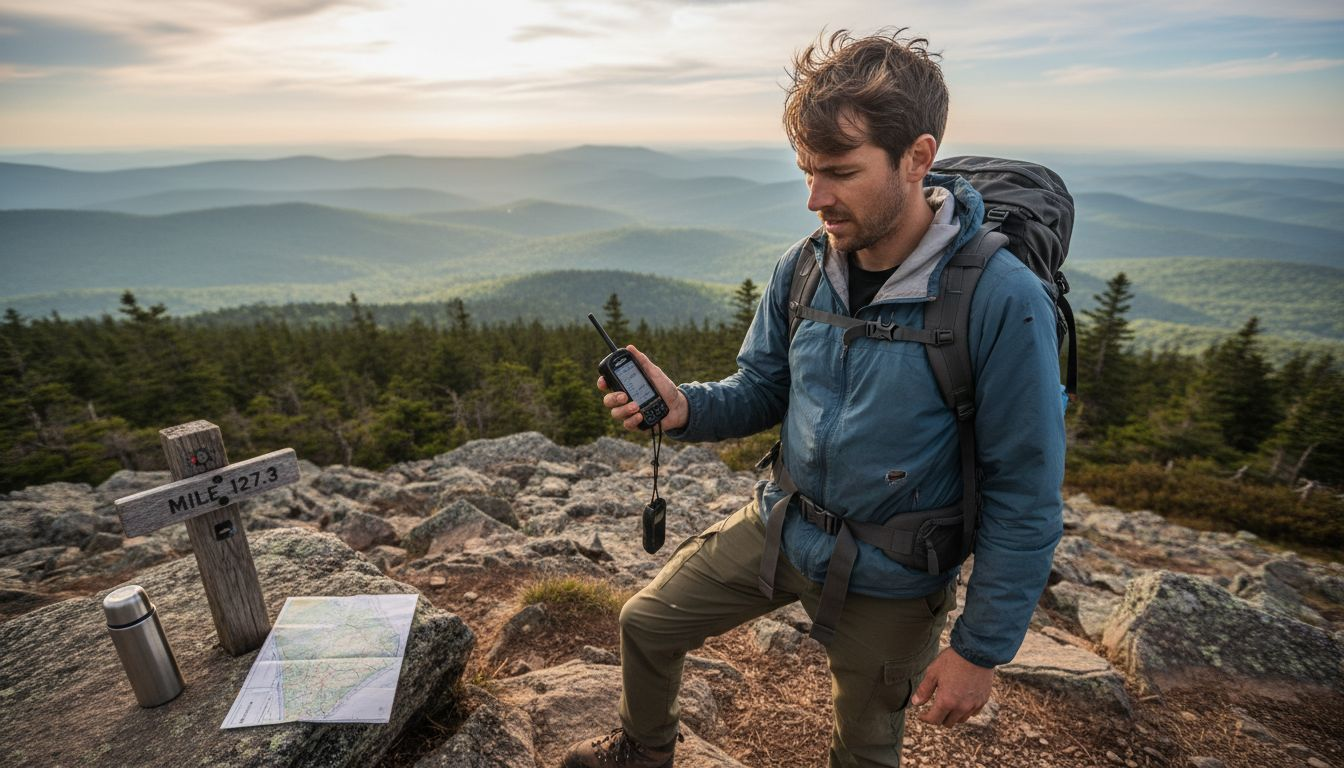
Getting turned around on an unfamiliar trail can turn a thrilling adventure into a serious challenge. For American outdoor enthusiasts, the way we find our path has transformed thanks to reliable GPS navigation technology. Modern GPS devices now deliver real-time location tracking and precise route planning, offering a level of safety and confidence that old-school maps simply cannot match. Discover how these tools let you take on backcountry terrain with greater confidence and enjoy your time outdoors with less worry.
Key Takeaways
| Point | Details |
|---|---|
| GPS Technology Enhances Navigation | GPS devices provide accurate location tracking and real-time navigation, boosting safety and confidence for outdoor adventurers. |
| Diverse Device Options Available | Outdoor enthusiasts can choose from a range of GPS devices, including handheld units, smartphone apps, and wearable devices tailored for specific activities. |
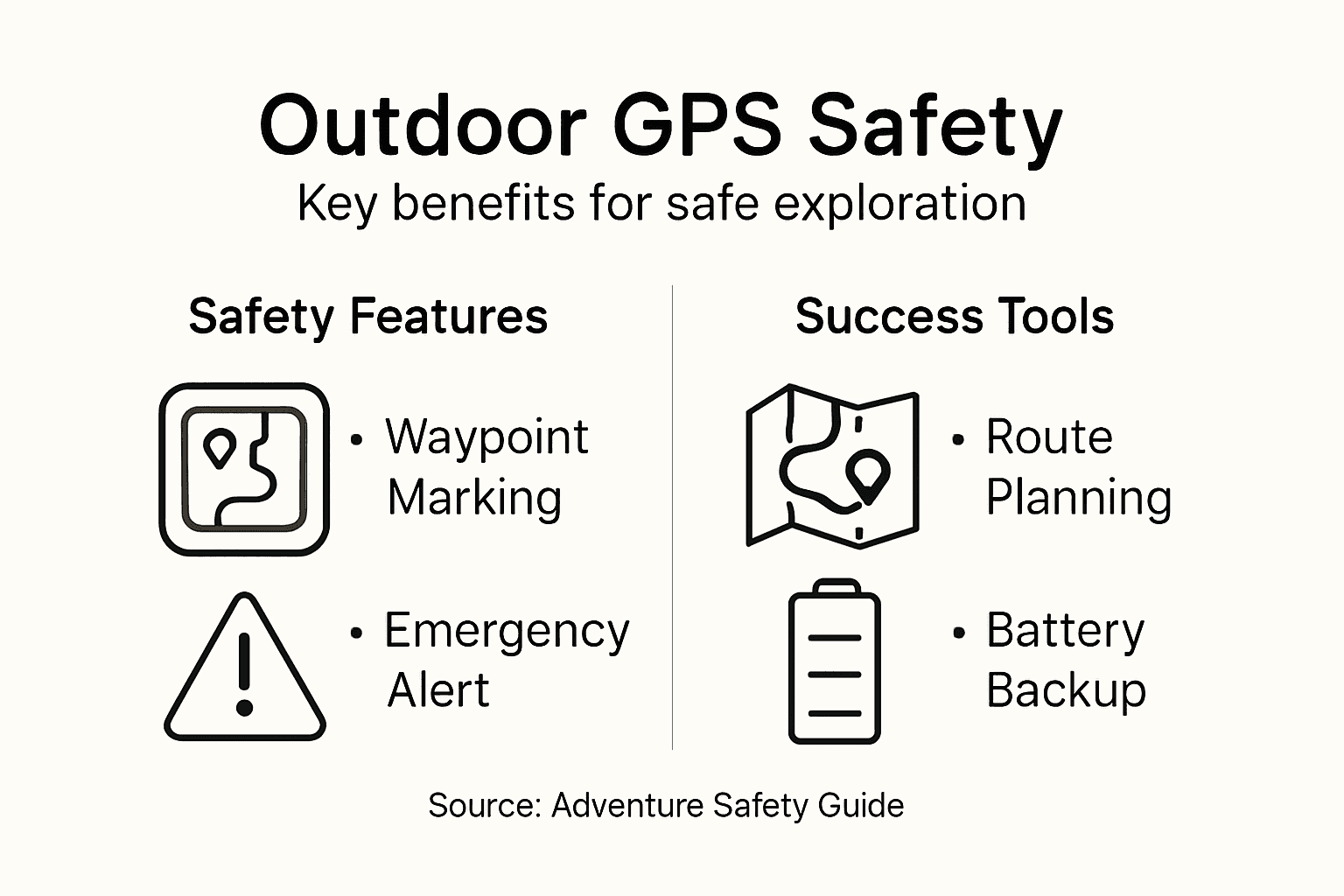
| Core Features Support Safety | Essential GPS functions like waypoint marking, route planning, and precise location tracking improve situational awareness and reduce the risk of getting lost. |
| Best Practices Are Crucial | Carry physical maps, understand device limitations, and maintain traditional navigation skills to ensure a reliable outdoor navigation experience. |
What GPS Means for Outdoor Adventurers
GPS technology has revolutionized the way outdoor adventurers navigate and explore challenging terrain. Unlike traditional navigation methods like maps and compasses, Global Positioning System (GPS) devices offer precise, real-time location tracking that dramatically enhances safety and confidence in wilderness environments.
The core value of GPS for outdoor enthusiasts lies in its ability to provide accurate spatial information across virtually any landscape. Advanced positioning technologies enable adventurers to track their exact location, plot routes, and understand their surroundings with unprecedented precision. These capabilities mean less time worrying about getting lost and more time enjoying the adventure.
Key advantages of GPS technology for outdoor adventurers include:
- Pinpoint accurate location tracking
- Real-time route mapping and navigation
- Emergency tracking and rescue coordination
- Ability to mark and return to specific waypoints
- Reduced spatial anxiety during exploration
- Enhanced safety in remote or unfamiliar terrain
Navigation confidence is perhaps the most significant psychological benefit of GPS technology. Modern GPS usage patterns demonstrate that adventurers adjust their reliance on technology based on environmental familiarity, creating a dynamic and adaptive navigation strategy.
Pro tip: Always carry backup navigation tools like physical maps and a compass, even when using GPS, to ensure comprehensive outdoor preparedness.
Types of GPS Devices and Navigation Apps
Outdoor adventurers have a wide array of GPS navigation technologies to choose from, each designed to meet specific exploration needs. Digital navigation tools range from dedicated handheld units to sophisticated smartphone applications, providing adventurers with multiple options for tracking location and planning routes.
The primary categories of GPS devices for outdoor enthusiasts include:
- Dedicated Handheld GPS Units
- Smartphone Navigation Apps
- Wearable GPS Devices
- Satellite Communicators
- Automotive GPS Navigation Systems
- Specialized Sport-Specific GPS Devices
Handheld GPS units remain popular among serious adventurers who require robust, rugged devices with long battery life and enhanced durability. These specialized devices often feature topographic mapping, compass functions, and water-resistant designs that smartphone apps cannot match. Comprehensive device reviews emphasize the importance of selecting navigation tools based on specific outdoor activity requirements and personal comfort level.
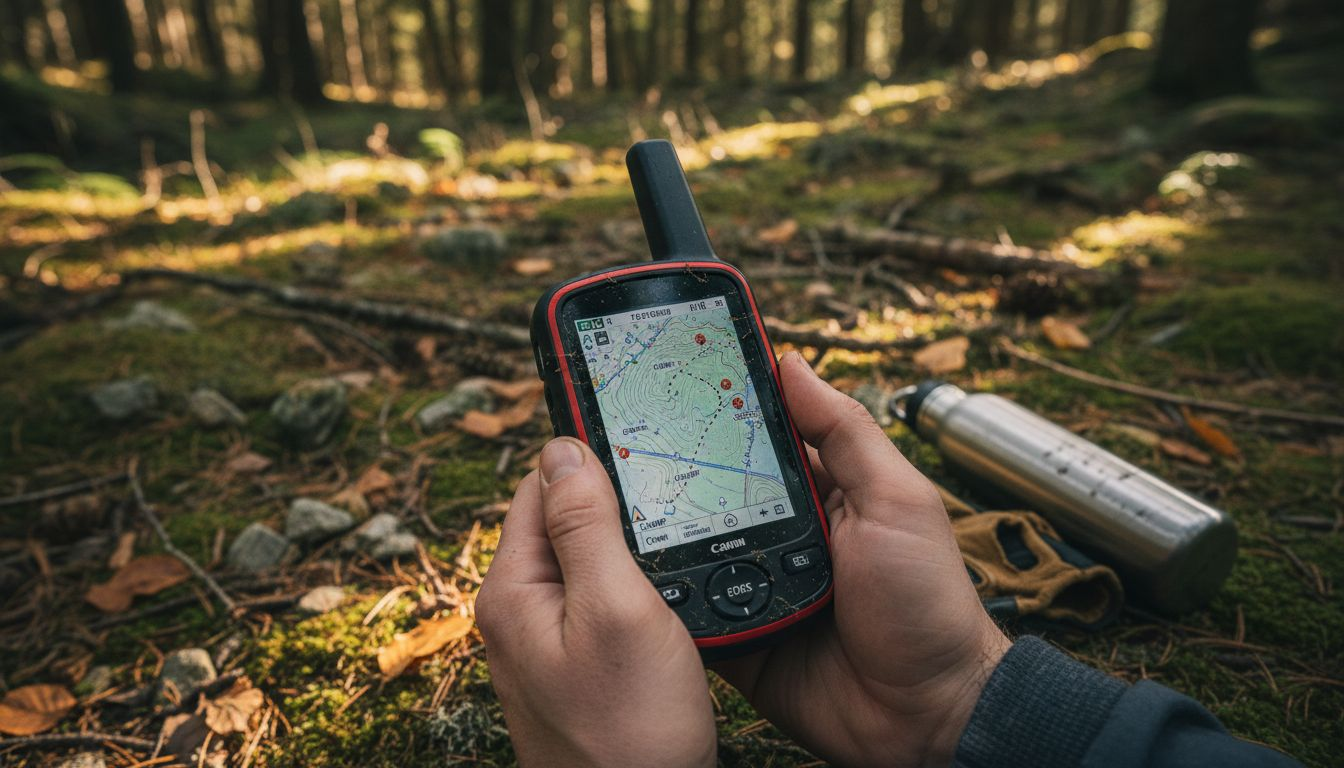
Smartphone apps have revolutionized GPS navigation by offering convenient, multifunctional platforms that combine mapping, tracking, and communication capabilities. Many modern apps integrate offline maps, real-time tracking, and emergency communication features, making them increasingly attractive to tech-savvy outdoor enthusiasts.
Here's a comparison of popular GPS device types for outdoor adventures:
| Device Type | Durability & Battery Life | Best Use Case |
|---|---|---|
| Handheld GPS Unit | Rugged, long battery life | Backcountry trekking |
| Smartphone GPS App | Convenient, shorter battery | Day hikes, urban exploration |
| Wearable GPS Device | Lightweight, moderate battery | Running, cycling, trail runs |
| Satellite Communicator | Extremely robust, long battery | Remote emergency use |
| Automotive Navigation System | Vehicle-specific, continuous power | Road trips, off-road driving |
| Sport-Specific GPS Device | Tailored, varied battery | Watersports, skiing, biking |
Pro tip: Always download offline maps and carry backup battery sources when relying on GPS devices during extended outdoor adventures.
Core Features That Enable Safe Exploration
GPS technology offers a robust set of core navigation features designed to enhance outdoor safety and situational awareness. High-accuracy location tracking transforms wilderness exploration by providing adventurers with precise, real-time positioning data that can mean the difference between confident navigation and potentially dangerous disorientation.
Key safety-enabling GPS features include:
- Precise Location Tracking
- Detailed Topographic Mapping
- Waypoint Marking and Storage
- Route Planning and Recording
- Elevation and Distance Measurement
- Emergency Positioning Capabilities
Waypoint marking represents a critical feature for outdoor adventurers, allowing users to document and return to significant locations like campsites, water sources, or trail junctions. These digital breadcrumbs create a safety net that prevents getting lost and enables more confident exploration of unfamiliar terrain. The ability to record and navigate between specific points transforms GPS from a simple tracking tool into a comprehensive navigation system.
Modern GPS devices go beyond basic location tracking by integrating advanced metrics that support safer decision-making. These include real-time speed calculations, altitude changes, terrain difficulty assessments, and predictive path analysis. Such comprehensive data helps adventurers anticipate challenges, manage energy expenditure, and make informed choices about route selection and potential risks.
Pro tip: Always calibrate your GPS device before starting an outdoor adventure and carry extra batteries or a portable charging solution to ensure continuous navigation support.
Best Practices for GPS Use in the Wild
Successful outdoor navigation requires a strategic approach to using GPS technology that balances digital tools with traditional wilderness skills. Navigation skill modulation is critical for maintaining both technological reliability and personal spatial awareness during outdoor adventures.
Key best practices for GPS use include:
- Always carry physical backup maps
- Learn basic compass and celestial navigation
- Understand your device's battery limitations
- Practice using GPS before critical expeditions
- Keep GPS devices protected from environmental damage
- Regularly update device firmware and maps
Device preparation represents the foundation of responsible GPS usage. Adventurers should thoroughly understand their specific GPS device's features, limitations, and operational requirements before embarking on any wilderness expedition. This means practicing route planning, understanding battery management, and developing proficiency with device interfaces long before entering remote environments.
Technological dependency can be dangerous in wilderness settings, so experienced adventurers recommend treating GPS as a supplementary navigation tool rather than an absolute navigation solution. Maintaining traditional navigation skills like map reading, terrain interpretation, and natural landmark recognition ensures survival capabilities even when electronic devices fail.
Pro tip: Test your GPS device's functionality in various conditions and always carry spare batteries or portable charging solutions to prevent navigation interruptions.
Common GPS Mistakes and How to Avoid Them
Outdoor adventurers frequently encounter navigation challenges that stem from improper GPS usage and technological overreliance. GPS navigation errors can transform a routine expedition into a potentially dangerous situation, making understanding common mistakes crucial for wilderness safety.
Most frequent GPS mistakes include:
- Complete technological dependency
- Failing to update device firmware
- Neglecting battery management
- Ignoring physical map backup options
- Not understanding device limitations
- Overlooking environmental interference factors
- Assuming absolute GPS accuracy
Technological overconfidence represents the most significant risk for modern adventurers. Many GPS users mistakenly believe their digital devices are infallible, leading to reduced spatial awareness and potentially dangerous navigation decisions. Experienced explorers understand that GPS should complement, not replace, traditional navigation skills like map reading, terrain interpretation, and celestial orientation.
Electronic device performance can be dramatically impacted by environmental conditions such as extreme temperatures, moisture, and signal interference. Professional adventurers recommend treating GPS as a sophisticated navigation aid rather than an absolute guidance system. This approach ensures that users maintain critical survival skills and remain adaptable in unpredictable wilderness environments.
Below is a summary of common GPS mistakes and effective strategies to avoid them:
| Mistake | Risk | Prevention Strategy |
|---|---|---|
| Overreliance on technology | Lost if device fails | Practice traditional navigation |
| Skipping firmware updates | Outdated maps, possible errors | Schedule regular update checks |
| Poor battery management | Device shuts down in the field | Carry spare batteries, power bank |
| Misunderstanding limitations | Misjudging accuracy, unsafe choices | Learn features before trips |
| Ignoring environmental issues | GPS fails in bad weather or terrain | Test device in varied conditions |
Pro tip: Practice using your GPS device in multiple scenarios and terrains to understand its real-world performance and develop a nuanced approach to digital navigation.
Elevate Your Outdoor Safety with Reliable Gear and GPS Readiness
Navigating the wilderness confidently requires more than just advanced GPS devices it demands dependable gear that supports your safety and endurance. This article highlights challenges like technological dependency and battery management while emphasizing critical features such as waypoint marking and emergency positioning. At Life Camp Adventure we understand these pain points and provide durable camping equipment and survival essentials designed to complement your GPS navigation strategy and enhance your preparedness.

Discover gear built to withstand rugged environments and extend your adventure safely by visiting Life Camp Adventure. Equip yourself with trusted products that help prevent common GPS mistakes and ensure you stay powered up and ready. Don’t wait until your next trek to improve your setup start exploring our collection now and take the first step towards confident navigation and successful outdoor experiences.
Frequently Asked Questions
What are the advantages of using GPS technology for outdoor adventures?
GPS technology provides pinpoint accurate location tracking, real-time route mapping, emergency tracking, and the ability to mark waypoints, greatly enhancing safety and reducing the anxiety of getting lost in unfamiliar terrain.
How should I prepare to use a GPS device for outdoor navigation?
Preparation includes understanding your GPS device's features, managing battery life, practicing route planning, and carrying physical backup maps to ensure readiness during your adventure.
What are common mistakes to avoid when using GPS in the wild?
Common mistakes include overreliance on technology, neglecting to update device firmware, poor battery management, and not understanding the limitations of your GPS device regarding accuracy and environmental factors.
What types of GPS devices are best for outdoor activities?
Popular GPS device types for outdoor adventures include handheld GPS units, smartphone apps, wearable GPS devices, and satellite communicators, each suited for different activity needs and levels of durability.
