7 Types of Camping Tents Every Beginner Family Should Know
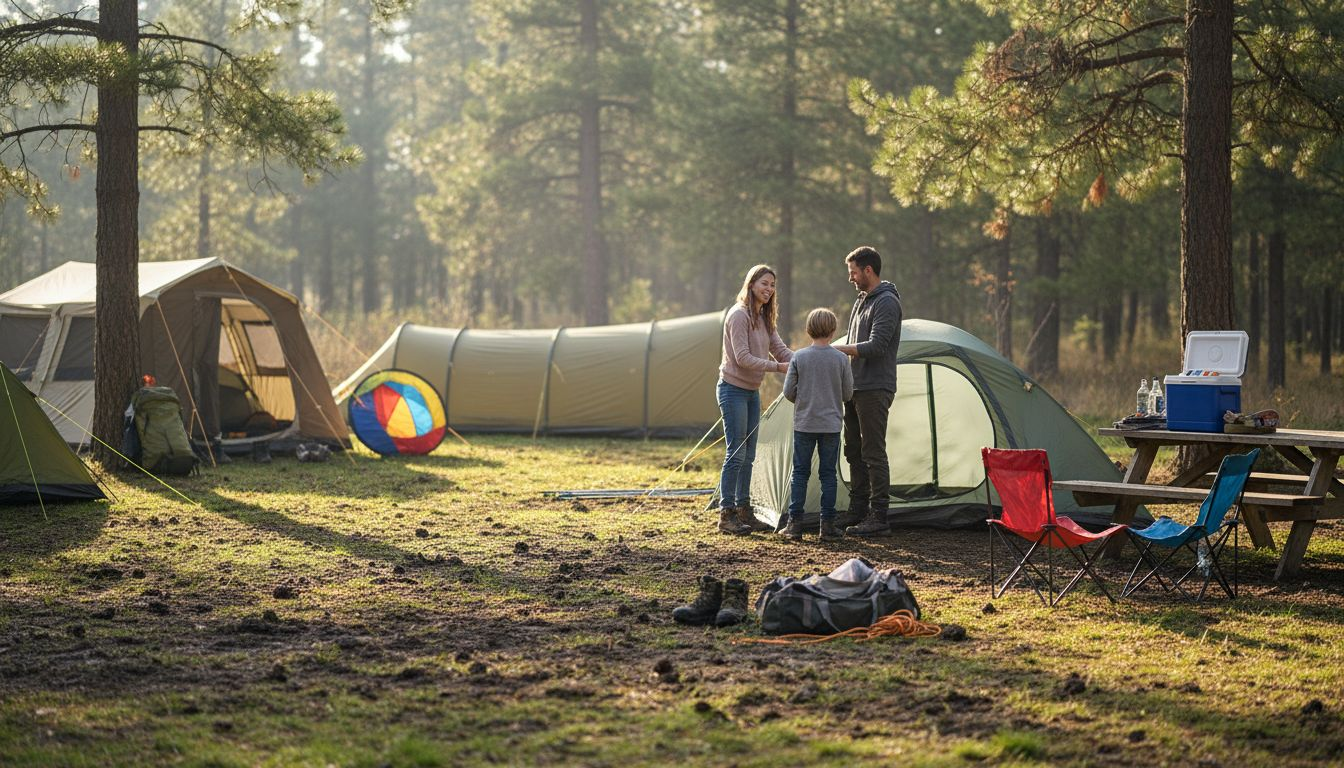
Over 60 percent of American families in cities like Los Angeles and Chicago say easy setup is their top priority for camping gear. The search for comfortable, hassle-free tents often stands between beginners and a relaxing weekend escape. With the right tent options, urban families can transform their outdoor experience, making camping more inviting and stress free for everyone.
Quick Summary
| Takeaway | Explanation |
|---|---|
| 1. Choose Dome Tents for Easy Setup | Dome tents can be pitched in 10-15 minutes, ideal for beginner campers. Their design offers wind resistance and stability in various weather conditions. |
| 2. Opt for Cabin Tents for Spaciousness | Cabin tents provide vertical walls and multiple rooms, maximizing interior space for family comfort during camping trips. |
| 3. Instant Tents Allow for Quick Deployment | Instant tents can be set up in under 60 seconds, making them perfect for busy families wanting to enjoy their time outdoors. |
| 4. Select Tunnel Tents for Flexibility | Tunnel tents offer adaptable spaces for larger groups, allowing distinct zones for sleeping and communal living. |
| 5. Screen Room Tents Protect Against Insects | Screen room tents provide a bug-free zone while allowing fresh air, perfect for meal prep and relaxation outdoors. |
1. Dome Tents: Simple Setup and All-Weather Comfort
Dome tents represent the perfect entry point for families venturing into camping adventures. These versatile shelters offer an ideal combination of simplicity and functionality that makes outdoor experiences enjoyable for newcomers.
The unique design of dome tents provides exceptional wind resistance and stability through their curved pole structure. Reinforced shelter designs ensure families stay protected in challenging weather conditions, making them a reliable choice for weekend getaways. Unlike traditional tent styles, dome tents feature intersecting poles that create a self supporting frame, which means less complicated setup and more time enjoying nature.
Family campers will appreciate how quickly these tents can be pitched. Most dome tents can be assembled in 10 to 15 minutes by two adults, with intuitive color coded poles and simple attachment points. The sloping walls also provide excellent rain runoff and interior headroom, allowing comfortable movement for multiple people.
When selecting a dome tent, look for models between 4 to 6 person capacity that offer good ventilation through mesh windows and multiple entry points. These features help manage interior temperature and provide convenient access for family members.
Pro Tip: Practice setting up your dome tent at home before your camping trip to familiarize yourself with the assembly process and identify any potential challenges in a relaxed environment.
2. Cabin Tents: Spacious Living for Family Trips
Cabin tents represent the ultimate solution for families seeking comfort and roominess during outdoor adventures. These substantial shelters transform camping from a basic survival experience into a home away from home.
Unlike traditional camping designs, cabin tents feature vertical walls that maximize interior space and provide standing room for all family members. Family camping experiences become significantly more comfortable with these spacious shelters, allowing families to move freely and store gear efficiently.
Typical cabin tents range from 6 to 12 person capacities, offering multiple rooms and separate living areas. Some models include advanced features like room dividers, mesh windows for ventilation, and sturdy floor designs that keep families dry and protected from ground moisture. The squared off design means more usable square footage compared to tapered tent styles.
When selecting a cabin tent, consider factors like total floor space, peak height, number of rooms, and ease of setup. Look for models with robust waterproof materials and strong aluminum or fiberglass pole structures that can withstand varying weather conditions.
Pro Tip: Measure your tent space at home before your trip to practice arranging sleeping bags and gear, ensuring optimal organization during your actual camping adventure.
3. Instant Tents: Fast Pitching for Urban Campers
Instant tents represent the ultimate solution for busy families and urban campers seeking quick outdoor experiences without complicated setup procedures. These innovative shelters transform camping preparation from a time consuming challenge to a matter of minutes.
Camping experiences become dramatically more accessible with instant tents designed for rapid deployment. Most models feature pre attached poles that expand automatically, allowing families to set up shelter in less than 60 seconds. The engineering behind these tents eliminates the traditional complex pole threading and manual assembly that often frustrates beginner campers.
Urban campers and families with limited outdoor experience will appreciate the streamlined design. Typical instant tents range from 4 to 8 person capacities and include features like integrated rainflies, ground stakes, and compact storage bags. The simplified setup means more time enjoying nature and less time struggling with complicated tent construction.
When selecting an instant tent, consider factors like packed size, total setup time, weatherproofing quality, and interior space. Look for models with sturdy materials that can withstand unexpected weather conditions while providing reliable shelter for your family adventure.
Pro Tip: Practice opening and closing your instant tent at home before your camping trip to familiarize yourself with its unique mechanism and ensure smooth setup during your actual outdoor experience.
4. Tunnel Tents: Flexible Space for Larger Groups
Tunnel tents represent the ultimate solution for families seeking spacious and adaptable camping shelter. These elongated structures provide unprecedented interior flexibility that transforms group camping experiences.
Unlike traditional tent designs, tunnel tents offer remarkable interior configurations through their unique architectural approach. Shelter solutions engineered for group comfort allow multiple rooms, separate sleeping areas, and substantial headroom that accommodate complex family dynamics.
Typical tunnel tents range from 6 to 12 person capacities with modular designs enabling creative interior arrangements. Their aerodynamic shape provides superior wind resistance while maintaining excellent ventilation through strategically placed mesh windows and multiple entry points. The elongated structure means families can create distinct zones for sleeping, storage, and communal activities.
When selecting a tunnel tent, prioritize models with robust waterproof materials, strong aluminum poles, and comprehensive weatherproofing. Look for features like integrated groundsheets, multiple vestibule areas for gear storage, and easy setup mechanisms that reduce camping preparation stress.
Pro Tip: Practice setting up your tunnel tent at home before your trip to understand its unique structural requirements and identify any potential setup challenges in a relaxed environment.
5. Pop-Up Tents: Quick Shelter for Weekend Getaways
Pop-up tents are the ultimate solution for families seeking spontaneous outdoor adventures without complicated setup procedures. These innovative shelters transform camping preparation from a complex task to an effortless experience.
Immediate camping shelter becomes possible with pop-up tents that literally unfold into perfect shape within seconds. Most models expand automatically from a compact carrying case, requiring zero technical knowledge or specialized skills to pitch.Typical pop-up tents accommodate 2 to 4 people and feature lightweight materials that balance durability with portability. Their design includes integrated poles that spring into position, allowing families to establish camp in less than a minute. The streamlined setup means more time enjoying nature and less time wrestling with complicated tent assembly.
When selecting a pop-up tent, prioritize models with robust waterproof coatings, sturdy ground stakes, and compact folding mechanisms. Look for additional features like mesh ventilation windows, UV protection, and easy storage bags that enhance overall camping convenience.
Pro Tip: Practice folding and unfolding your pop-up tent at home to master the technique and avoid potential frustration during your actual camping trip.
6. Backpacking Tents: Lightweight Options for Adventure
Backpacking tents represent the ultimate solution for families seeking lightweight shelter during adventurous outdoor expeditions. These compact shelters transform wilderness exploration from a logistical challenge to an accessible and enjoyable experience.
Backcountry camping solutions demand tents that balance minimal weight with maximum protection. Most backpacking tents weigh between 2 to 4 pounds and feature ultralight materials like silnylon or polyester that resist moisture while maintaining remarkable durability.Typical backpacking tents accommodate 1 to 3 people and prioritize efficient design elements. Look for features such as compact packed size, quick setup mechanisms, waterproof rainflies, and strategic ventilation windows. These tents often include compression stuff sacks that minimize storage volume during transport.
When selecting a backpacking tent, consider factors like total weight, interior space, seasonal rating, and ease of setup. Families should match their tent selection to anticipated terrain conditions and expected weather environments to ensure optimal performance and comfort.
Pro Tip: Practice packing and unpacking your backpacking tent at home to familiarize yourself with its compact folding technique and ensure smooth setup during actual outdoor adventures.
7. Screen Room Tents: Extra Protection from Bugs
Screen room tents represent the ultimate defense against insects for families seeking comfortable outdoor experiences. These innovative shelters transform camping from a potential bug battle into a relaxing retreat.
Camping comfort solutions include screen room tents that provide a breathable barrier against pesky insects while maintaining open air enjoyment. Most screen rooms feature fine mesh walls that block mosquitoes, flies, and other small bugs without obstructing panoramic views or natural ventilation.
Typical screen room tents range from 8 to 12 feet wide and can attach directly to main camping tents or function as standalone structures. These versatile shelters offer multiple benefits including meal preparation areas, bug free relaxation zones, and additional living space that protects families from outdoor nuisances.
When selecting a screen room tent, prioritize models with sturdy mesh construction, UV resistant materials, and convenient attachment mechanisms. Look for features like zippered entries, waterproof floor surfaces, and compact storage options that enhance overall camping convenience.
Pro Tip: Bring a small handheld vacuum or lint roller to quickly remove any insects that might slip through mesh walls during your camping trip.
Below is a comprehensive table summarizing the types of tents discussed in the article and their respective characteristics, benefits, and recommendations for use.
| Tent Type | Purpose and Features | Ideal User Group | Recommendations |
|---|---|---|---|
| Dome Tent | Offers quick setup and all-weather resistance. | Family campers new to outdoor activities. | Select a model with a 4–6 person capacity for optimal comfort. |
| Cabin Tent | Provides spacious interiors with standing room. | Families seeking a comfortable camping experience. | Opt for models with room dividers and multiple entry points. |
| Instant Tent | Allows rapid deployment, perfect for urban outings. | Families needing convenient and quick setup. | Choose tents with pre-attached poles and integrated rainflies. |
| Tunnel Tent | Combines flexibility and spaciousness for group camping. | Large families or groups needing modular spaces. | Look for aerodynamic designs with mesh windows and easy setups. |
| Pop-Up Tent | Simplifies setup into an effortless task for short trips. | Small families or couples targeting spontaneity. | Ensure selections are lightweight and easily storable. |
| Backpacking Tent | Balances weight with protection for adventurous travel. | Individuals or small groups exploring diverse terrains. | Check for ultralight materials and efficient packing options. |
| Screen Room Tent | Keeps bugs out while enjoying open-air camping. | Families prioritizing insect-free environments. | Find robust models with UV resistance and zippered entries. |
7 Types of Camping Tents Every Beginner Family Should Know
Choosing the right camping tent can feel overwhelming when considering options like dome, cabin, instant, or tunnel tents. The challenge many families face is finding reliable, easy-to-use gear that fits their specific outdoor needs while providing comfort and protection against nature's uncertainties. Whether you value quick setup, spacious interiors, or lightweight designs, Life Camp Adventure understands these concerns and offers solutions designed to make your family camping trip enjoyable and stress-free.
Experience the difference with our high-quality camping equipment crafted for durability and ease of use. From sturdy tents that withstand changing weather to innovative gear that simplifies your outdoor preparations, we help you focus more on making memories and less on complicated setups.
Looking to simplify your next family camping trip?
Explore our full range of camping gear and essentials today and find the perfect shelter solution tailored to your family's adventure style. Don’t wait until your next trip—equip yourself now with trusted equipment from Life Camp Adventure and start your journey with confidence.
Frequently Asked Questions
What type of camping tent is best for families just starting out?
Dome tents are often the best choice for beginner families. They offer simple setup and good weather resistance, making them ideal for those new to camping.
How do I set up a tent quickly when camping with my family?
To set up a tent quickly, practice the assembly at home before your trip. Familiarizing yourself with the setup will allow you to pitch your tent in 10 to 15 minutes during your camping adventure.
What should I look for in a family camping tent?
When selecting a family camping tent, prioritize capacity (4 to 6-person models are common), ventilation options, and ease of setup. Check for features like robust waterproof materials and multiple entry points for added convenience.
Can I use a pop-up tent for family camping trips?
Yes, pop-up tents are excellent for family camping because they can be set up in less than a minute. Ensure to practice folding and unfolding the tent at home for a smooth experience when you’re outdoors.
How can I keep my camping tent organized during our trip?
To keep your tent organized, practice arranging your gear and sleeping bags at home before your trip. This will help you optimize the use of space and find needed items quickly while camping.
What features should I consider when buying a backpacking tent for my family?
When buying a backpacking tent, focus on weight (aim for 2 to 4 pounds), interior space, and weatherproofing. Look for quick setup mechanisms to make your camping experience easier.
