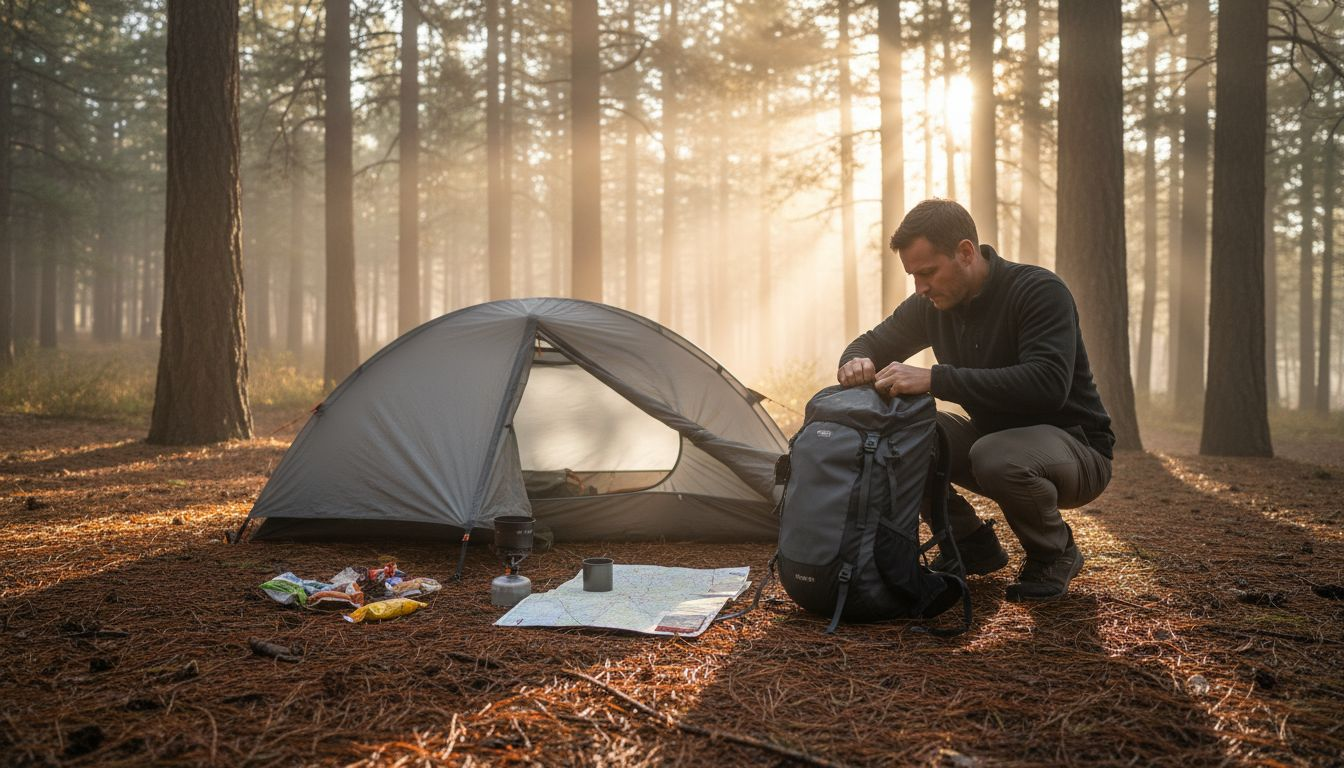
Finding the perfect balance between adventure and comfort can be tough when every extra pound slows you down on the trail. For young urban hikers in American cities, ultralight camping transforms weekend escapes into efficient, enjoyable journeys that fit city schedules and storage spaces. By focusing on minimalist gear and purposeful packing, you’ll cover more ground with less fatigue, so your getaway feels refreshing—not exhausting. Discover how embracing this approach redefines what’s possible for your next outdoor adventure.
Key Takeaways
| Point | Details |
|---|---|
| Embrace Minimalism | Ultralight camping focuses on reducing gear weight while maintaining functionality, enhancing mobility and enjoyment in nature. |
| Choose Purposeful Gear | Every item in your pack should serve a specific function; prioritize multipurpose tools over redundancies. |
| Experiment with Styles | Explore various ultralight camping styles to find the one that suits your goals, skills, and terrain preferences. |
| Prioritize Functionality Over Comfort | Accept minor discomfort to gain freedom of movement and a more profound outdoor experience; intentional packing is key. |
Ultralight camping defined and common myths
Ultralight camping isn't about sacrificing comfort or roughing it with nothing but a sleeping bag. Instead, it's a deliberate approach to outdoor adventures where you carry minimal gear to maximize mobility, reduce fatigue, and actually enjoy your time in nature. The core idea centers on how camping definitions have evolved throughout history, shifting from a survival necessity to a recreational pursuit that emphasizes intentionality about what you bring. For ultralight backpackers, this means stripping away redundancy and focusing on multipurpose gear that serves specific functions without the extra weight. Most ultralight campers aim for a base weight (everything except food, water, and fuel) of 10 pounds or less, though some dedicated minimalists push toward 5 pounds. This isn't an extreme sport reserved for hardcore outdoor enthusiasts. Young urban hikers heading out for a weekend in the mountains benefit tremendously from this philosophy because lighter loads mean less strain on your knees, faster trail pace, and the ability to cover more distance without exhaustion.
The myths surrounding ultralight camping tend to fall into two camps: those who think you need massive, heavy gear to stay comfortable, and those who believe ultralight means sleeping under the stars with zero protection. Neither assumption holds water. Yes, you'll encounter stories about ultralight campers sleeping on foam pads instead of inflatable mattresses, but modern ultralight gear has come incredibly far. Ultralight tents designed for backpacking adventures aren't flimsy structures that collapse at the first sign of wind. They're engineered from high-quality materials that balance weight savings with durability and weather protection. Another persistent myth is that ultralight camping requires you to sacrifice hot meals, warm sleeping bags, or adequate shelter. False. You're simply being strategic about redundancy. Instead of carrying backup clothes, you wear quick-drying, multipurpose layers. Instead of a heavy freestanding tent, you use a lighter model that requires stakes and guy-lines but protects you just as effectively. The real distinction is that every single item in your pack must earn its place through genuine utility.
Historically, camping existed as a necessity long before it became recreation. People carried only what survival demanded, and ultralight camping resurrects that minimalist spirit but applies it to weekend adventures where you actually want to relax. The evolution shows that camping has never been confined to one definition or rigid set of requirements. What works for someone summiting a 14,000-foot peak differs from what works for car camping with family, and that's completely valid. Urban hikers venturing into the backcountry for 48 hours don't need the same setup as a three-week expedition. Understanding ultralight camping as a flexible framework rather than a dogmatic rulebook helps you decide what weight savings matter most for your specific adventures. Some people prioritize a lighter tent, others focus on cutting ounces from their cooking system. The point is being intentional rather than defaulting to whatever's available at an outdoor retailer. When you test ultralight gear on your first few trips, you'll discover which compromises actually affect your experience and which ones you never notice. That discovery process transforms how you pack forever.
Pro tip: Start your ultralight transition by weighing your current gear and identifying the three heaviest items in your pack, then research lighter alternatives that meet the same function without breaking your budget.
Types of ultralight camping experiences
Ultralight camping isn't a one-size-fits-all approach. The beauty of this lifestyle lies in its flexibility. Depending on your goals, skill level, and the terrain you're exploring, you can choose from several distinct ultralight camping styles that cater to different adventure preferences. Whether you're chasing speed, seeking solitude, or pushing your minimalist skills to the limit, there's an ultralight experience designed for you. The core variants of minimalist, survivalist, or fastpacking approaches all share the philosophy of reducing weight while maintaining safety and functionality, but they diverge significantly in execution and mindset.
Hammock camping represents one of the most popular ultralight options for weekend warriors heading into forested terrain. Instead of carrying a tent, you string a lightweight hammock between two trees and clip on a rain fly for protection. The appeal is immediate: hammocks weigh 8 to 12 ounces versus 2 to 3 pounds for a traditional ultralight tent. You're off the ground, protected from moisture, insects, and uneven terrain. Urban hikers often find hammock camping feels like a natural progression because it requires minimal setup skills and works beautifully on established trails with adequate tree coverage. The main limitation? You need trees, which eliminates desert, alpine, or exposed ridge camping.
Bivy sack camping pushes minimalism to its extreme. A bivy sack is essentially a waterproof sleeping bag cover that zips around you, creating a personal shelter that weighs less than a pound. You lie directly on the ground with just a sleeping pad between you and earth. This works phenomenally for ultralight backpackers tackling high-mileage trips or scrambling to remote summits where weight savings matter desperately. The tradeoff is obvious: you're sleeping in incredibly close quarters with your gear, and any weather beyond light rain or wind requires serious mental resilience. Most weekend campers find bivy sacks too austere for recreation, but experienced backpackers swear by them for specific goals like breaking trail records or reaching alpine peaks.
Traditional ultralight tent camping balances shelter capability with weight efficiency through engineered designs that strip away unnecessary features. Modern ultralight tents engineered for serious backpacking use minimal internal space, single-wall construction, and ultralight fabrics to achieve weights between 1.5 and 2.5 pounds. You get weatherproof protection, bug protection, and the psychological comfort of a defined shelter without hauling a traditional three-season tent. This approach appeals most to weekend adventurers because it covers most scenarios while remaining lightweight enough to enable genuine exploration without exhaustion.
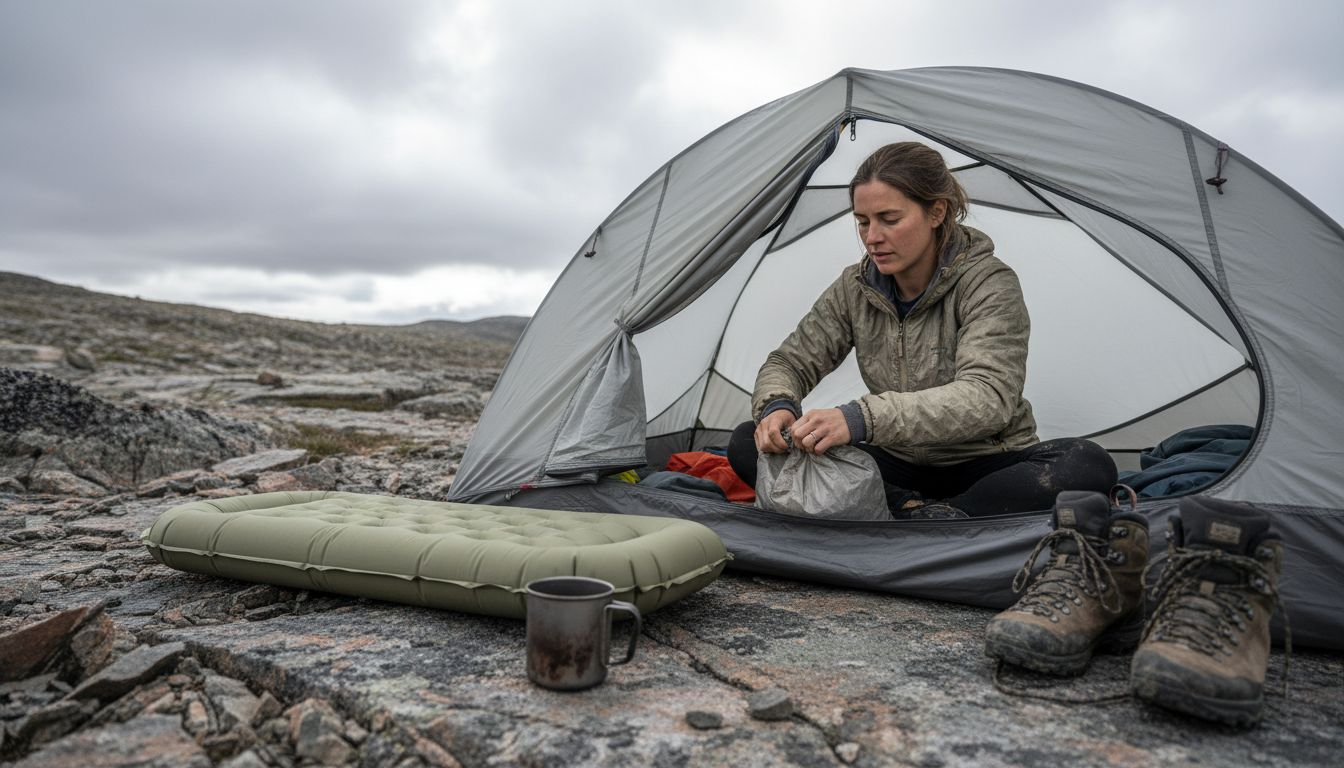
Fastpacking deserves its own category because it combines ultralight camping with aggressive trail pacing. Fastpackers aren't making camp in luxurious base locations. They move constantly, covering 20 to 30 miles daily with minimal gear. This experience demands exceptional fitness, route-finding skills, and ultralight discipline because every ounce translates to speed or endurance. A fastpacker might carry a bivy sack, freeze-dried meals, and literally nothing else beyond safety essentials.
Your choice depends on three questions: What terrain are you exploring? How many days are you out? What's your experience level? A beginner urban hiker tackling a local state park forest trail benefits most from starter ultralight tent camping or hammock camping. Someone training for a Grand Canyon rim-to-rim ultralight push might explore fastpacking with bivy sacks. The experimentation itself becomes part of the adventure. You'll discover which ultralight style matches your actual priorities versus what you imagined before heading out.
Pro tip: Start with one ultralight camping style that matches your local terrain, complete three weekend trips with it, then experiment with a second style to discover which approach genuinely enhances your outdoor experience versus which one feels like unnecessary deprivation.
Here's how major ultralight camping styles compare:
| Camping Style | Typical Weight Carried | Best For | Main Limitation |
|---|---|---|---|
| Hammock Camping | 8-12 ounces for shelter | Forested weekend trips | Needs trees for setup |
| Bivy Sack Camping | Under 1 pound for shelter | Alpine summits, fastpacking | Limited space, weather risk |
| Ultralight Tent Camping | 1.5-2.5 pounds for shelter | Generalist; most terrains | Needs flat pitchable ground |
| Fastpacking | Less than 10 pounds total | High mileage, speed-focused | Demands fitness, less comfort |
Essential gear and packing strategies
Building an ultralight camping kit doesn't mean buying specialized ultralight gear overnight. It means rethinking what you actually need and how each item serves multiple purposes. The foundation of ultralight packing centers on three principles: reducing redundancy, choosing lightweight materials, and accepting minor discomfort trade-offs in exchange for genuine mobility. Your first ultralight weekend should start with gear you likely already own, then you can invest strategically in dedicated ultralight equipment as you discover what genuinely improves your experience. Most urban hikers dramatically overpack their first trips, hauling items they never touch. The solution isn't buying lighter versions of everything. Instead, ask whether each item earns its place through function or psychological comfort. If it's pure comfort, it can probably wait until trip three or four.
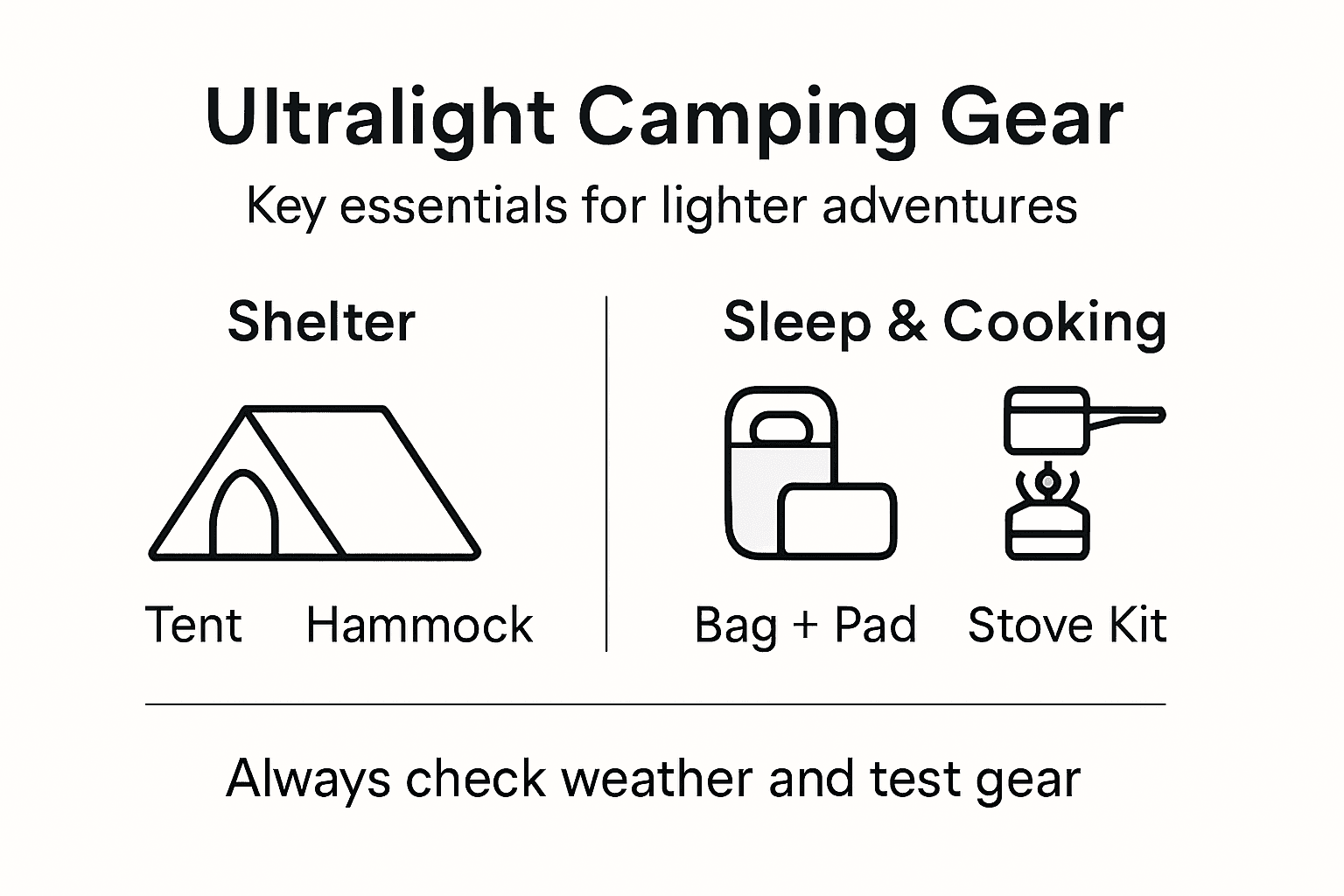
Core ultralight gear categories break down into shelter, sleep system, and cooking. Your shelter might be a lightweight tent weighing 1.5 to 2 pounds, a tarp and bivy combination, or a hammock system with rain fly. Your sleep system includes an ultralight sleeping bag or quilt, an insulated pad (crucial for ground insulation and comfort), and a compression stuff sack. Your cooking system could be as simple as an ultralight alcohol stove with a titanium pot, or a canister stove with minimalist cookware. Beyond these essentials, you need lightweight clothing layers made from synthetic or wool fabrics that dry quickly and regulate temperature without bulk. Avoid cotton entirely. Cotton absorbs moisture, takes forever to dry, and adds dead weight. A water purification system rounds out the critical gear, whether that's a squeeze filter, tablets, or an ultraviolet pen. Everything else is secondary.
Packing strategy determines whether your ultralight gear actually feels light. Weight distribution matters enormously. Pack heavier items closer to your back and centered in your backpack rather than hanging off the bottom like a sack of potatoes. Use compression stuff sacks or dry bags to organize gear by category (sleep system, cooking, clothing) so you can locate items without dismantling your entire pack. Leave your heaviest items accessible for quick access or removal without repacking. Many ultralight backpackers follow a specific loading order: sleeping pad on the outside, sleeping bag inside against your back, food and water in the middle, and lighter items toward the top. Your backpack itself should weigh 3 pounds or less. Heavier packs negate your lightweight gear savings. When you're planning your first trip, lay out every single item you think you need, weigh it, then remove 25 percent of the items. You'll rarely miss what you cut. Practice packing your ultralight system at home before heading out, timing how long setup takes and identifying which items need better organization. This preparation transforms frustrating trips into smooth experiences.
Balancing weight with functionality requires honest assessment. You might want a full cooking kitchen, but ultralight backpackers succeed with a stove, one pot, one spoon, and one spork. You might want comprehensive clothing, but three shirts (one for hiking, one for camp, one for sleep) covers most weekend scenarios. You might want backup batteries for everything, but ultralight trips happen in daylight. Accept that ultralight camping means accepting limitations on convenience. You won't have backup options, so your gear must be reliable and your skills must account for that. This isn't deprivation. It's intentional. You're trading carrying capacity for freedom of movement, speed, and the ability to explore terrain that would break a traditional backpacker. The psychological shift happens around trip three when you realize you're covering distances faster, finishing camp setup before sunset, and actually relaxing instead of collapsing from exhaustion. That's when ultralight packing clicks from constraint to superpower.
Pro tip: Weigh every item in your pack before your first trip and create a spreadsheet showing weight by category, then target cutting 10 percent from your highest weight categories before trip two rather than trying to reduce everything evenly.
Below is a summary of essential ultralight gear categories and suggested weight targets:
| Gear Category | Common Items Included | Recommended Weight Range |
|---|---|---|
| Shelter | Tent, tarp, hammock, bivy sack | 1-2.5 pounds |
| Sleep System | Sleeping bag/quilt, pad, stuff sack | 2-3 pounds |
| Cooking Kit | Stove, pot, spork, fuel | 0.5-1.5 pounds |
| Clothing Layers | Insulation, rain gear, base layers | 2-3 pounds |
| Water & Filter | Bottles, filter, treatment tabs | 1-2 pounds |
Benefits and challenges for urban hikers
Ultralight camping transforms weekend adventures for urban hikers in ways that traditional gear setups simply cannot match. Living in a city creates a specific set of constraints and opportunities that ultralight philosophy addresses directly. You're dealing with limited time between work and weekend trips, constrained storage space in your apartment, and the need to travel to trailheads via public transportation or cramped car rides. Ultralight gear eliminates these friction points entirely. A 15-pound pack fits under your desk at work. A lightweight tent stores in a closet corner. You can actually carry your gear on the subway without attracting concerned stares. But the physical benefits run deeper than mere logistics. Research shows that outdoor hiking reduces stress and improves cardiovascular function, and ultralight camping amplifies these gains by reducing physical strain during the approach. You're not arriving at the trailhead already exhausted from hauling a heavy pack up city stairs. You're fresh, eager, and ready to explore.
The mental health impact proves equally significant for urban dwellers seeking escape. City life means constant sensory overload, noise pollution, and the psychological burden of being around people constantly. A weekend carrying minimal gear transforms your relationship with nature. You move faster, cover more distance, and penetrate deeper into wild areas where crowds thin out. That's not incidental. That's the difference between a mediocre weekend trip and genuine restoration. Urban hikers often describe their first ultralight trips as life-changing, not because the gear is special, but because the experience becomes expansive rather than constrained. You're not managing discomfort or struggling with logistics. You're actually present. You notice the light filtering through trees. You hear bird calls instead of your own labored breathing. You think clearly for perhaps the first time in weeks. Additionally, ultralight hiking communities tend to be more accessible and socially connected than traditional backpacking groups. Online forums, local meetup groups, and weekend trip organizations make it genuinely easy to find hiking partners, especially as an urban hiker without established outdoor networks.
The challenges, however, are distinctly urban. Limited green space near cities means you're spending hours traveling to reach decent trailheads, which compresses your actual time outdoors. Air pollution in many urban areas doesn't disappear just because you escape the city center. Altitude changes between city and mountain can feel dramatic on your body if you're not accustomed to intense effort. Legal camping restrictions pose real obstacles. Many popular areas near cities prohibit dispersed camping or bivy sacking, forcing you into designated campgrounds with established infrastructure and crowds. Urban camping faces regulatory and perception challenges that wilderness backpackers largely avoid. Safety concerns matter too. Urban hikers traveling alone might reasonably worry about trailhead parking theft or nighttime navigation in unfamiliar terrain. These aren't trivial issues. They require planning, caution, and sometimes creative solutions like hiking with partners or choosing established routes over remote exploration.
The ultralight approach actually mitigates several urban challenges. You pack less visible gear, reducing theft temptation. You move faster through solo sections, limiting exposure risk. Your minimal setup means you're flexible about where you camp, letting you adapt to regulatory restrictions. You carry less, so solo hiking feels less isolating because you're genuinely comfortable and capable. Start by identifying your specific urban constraint. Is it time? Choose closer mountains with steep terrain where ultralight speed matters most. Is it theft? Pack boring, battered gear that looks worthless. Is it regulations? Research specific area rules and plan accordingly. Ultralight camping isn't a cure-all for urban limitations, but it's a remarkably effective tool for working around them. Your city location isn't a liability when your gear and approach are designed for rapid escapes and minimal footprint.
Pro tip: Before your first urban ultralight trip, call the specific trailhead or ranger station and explicitly ask about overnight regulations, parking security, and popular camping zones so you're navigating rules confidently rather than discovering restrictions after hours of driving.
Typical costs and mistakes to avoid
Starting ultralight camping doesn't require emptying your bank account, but it does require strategic spending. Many beginners assume they need to purchase an entire ultralight gear system before their first trip, which leads to poor decisions and wasted money. The reality is simpler: you can begin ultralight camping with gear you already own, then invest deliberately in upgrades as you identify genuine needs. A realistic budget for your first season breaks down like this. If you already have a basic tent, sleeping bag, and backpack, you can start for under $300 by adding ultralight-specific items like trekking pole tents, ultralight cookware, and compression bags. If you're starting from scratch, budget $800 to $1,200 for a complete beginner ultralight system. That covers a quality ultralight tent around $250, sleeping bag around $300, backpack under $200, and essential accessories like sleeping pad, stove, and miscellaneous gear totaling $250 to $450. This isn't budget gear. This is thoughtfully chosen equipment designed to last multiple seasons. Cheap ultralight gear fails catastrophically because ultralight designs have minimal redundancy. A $60 tent from a discount retailer will likely leak, tear, or collapse when you need it most. A $200 ultralight tent from a reputable manufacturer will protect you reliably for years.
Common mistakes cost far more than careful planning. Not testing equipment beforehand before heading into wilderness creates obvious problems. You might discover mid-trip that your tent poles don't fit properly, your stove won't light reliably, or your sleeping pad is uncomfortable. None of these issues are dealbreakers, but they transform your experience from enjoyable to miserable. Test every single piece of gear in your backyard or at a local park before traveling hours to a trailhead. Set up your tent twice. Cook a meal on your stove. Sleep in your sleeping bag. This costs nothing but time and prevents expensive frustration. Another critical mistake is packing redundant items that seemed important at planning time but genuinely serve no function. That backup light, extra food beyond your meal plan, multiple layers you'll never wear. These don't just add weight. They occupy mental space and create decision fatigue. Urban hikers often over-prepare because city living conditions them to expect solutions for every possible scenario. The wilderness doesn't work that way. You're carrying what you need for that specific trip, nothing more.
Underestimating weather proves deadly and expensive simultaneously. You think a weekend in spring means you won't need cold weather gear, then a system moves through and temperatures plummet. You're miserable, potentially hypothermic, and facing a choice between pushing through or cutting your trip short after spending gas money getting there. Pack conservatively for weather. If the forecast shows possible rain, bring rain protection even if it seems unlikely. If temperatures might drop to freezing, bring a warmer layer than you think you'll need. Modern ultralight fabrics let you do this without significant weight penalty. Food handling mistakes create expensive problems too. Leaving food unattended attracts wildlife, which can destroy your entire trip and potentially injure you. This isn't theoretical. In popular ultralight camping areas, bears and other animals have learned that ultralight backpackers carry tasty food in minimal packaging. Hang your food, use bear canisters, or pack your food into a secured container. Neglecting this one detail can result in a destroyed trip, damaged gear, and potential wildlife encounters that require emergency intervention.
Budgeting mistakes also arise from chasing the ultralight gear treadmill. You'll see Instagram photos of hikers with pristine titanium cookware, custom ultralight tents, and specialized minimalist gear. Most of that is unnecessary. Your first ultralight tent doesn't need to be custom built. Your cook system doesn't need to be exotic. Your backpack doesn't need to be boutique. Buy proven, reliable gear from established manufacturers, use it for two seasons, then upgrade specific items where you've identified genuine need. This approach saves money long-term because you're not replacing failed budget gear repeatedly. You're also avoiding the common trap of buying specialized ultralight items for features you'll never use. That ultralight backpacking toilet? Unnecessary for weekend trips. That custom ultralight sleeping pad? Standard ultralight pads work fine. Start simple, learn what matters through actual experience, then invest in upgrades that directly improve your trips.
Pro tip: Before purchasing any ultralight gear, post your specific destination, season, and experience level in ultralight hiking communities online and ask experienced hikers what they'd actually prioritize, then buy only those items rather than trying to acquire a complete system at once.
Elevate Your Ultralight Camping Experience Today
Ultralight camping transforms weekend adventures by focusing on intentional gear choices, weight savings, and maximizing freedom on the trail. If you are ready to reduce pack weight without sacrificing essential comfort and durability ultralight gear tailored for urban hikers and weekend explorers awaits you. You deserve equipment that earns its place by function and reliability so you can embrace speed and ease with confidence.
Discover high-quality tents, sleeping systems, and versatile cooking kits at Life Camp Adventure. Our carefully selected outdoor gear supports your journey from hammock camping to fastpacking with durable lightweight products built to last. Start by exploring our range of adventure-ready camping equipment designed for real-world challenges and real moments of restoration. Take control of your next trip and pack smarter—visit Life Camp Adventure now and transform how you explore nature.
Frequently Asked Questions
What is ultralight camping?
Ultralight camping is a minimalist approach to outdoor adventures that emphasizes carrying minimal gear to enhance mobility and reduce fatigue. It focuses on using lightweight, multipurpose equipment rather than traditional heavy camping gear.
How much should my ultralight backpack weigh?
Most ultralight campers aim for a base weight of 10 pounds or less, while some dedicated minimalists try to reduce it to around 5 pounds, excluding food, water, and fuel.
What are the main types of ultralight camping styles?
The main types of ultralight camping styles include hammock camping, bivy sack camping, traditional ultralight tent camping, and fastpacking, each catering to different preferences and terrain types.
What are the essential gear categories for ultralight camping?
Essential gear categories for ultralight camping include shelter, sleep systems, cooking kits, clothing layers, and water purification systems. Prioritize lightweight materials and multi-functional items to reduce pack weight.
