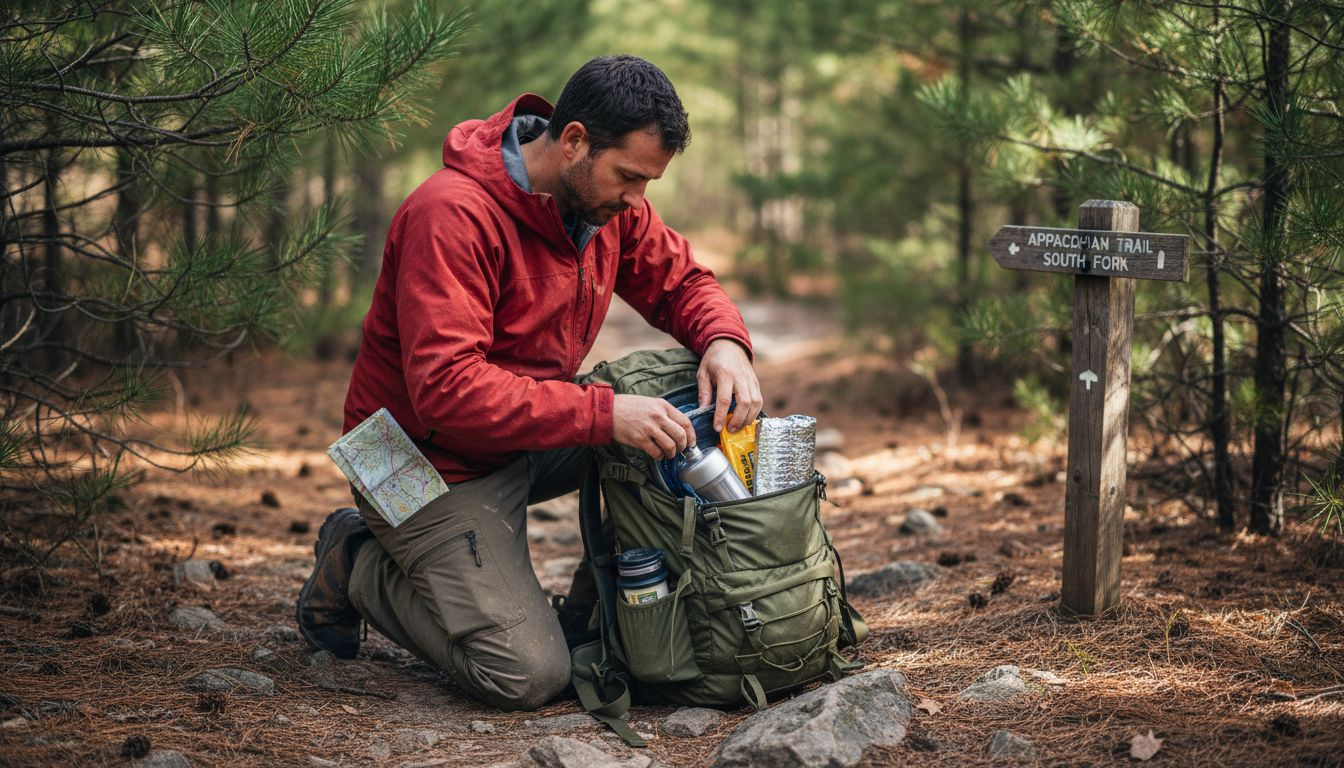
Most american wilderness emergencies happen less than one mile from safety, yet many outdoor adventurers never pack gear designed for real survival scenarios. Whether you hike the remote trails of Colorado or camp in the rugged landscapes of Utah, having the right survival equipment makes the difference between a tough day and a life-threatening crisis. This guide delivers practical insights that challenge common misconceptions and helps you customize survival gear for every western United States adventure.
Key Takeaways
| Point | Details |
|---|---|
| Understand Individual Needs | Customize your survival gear based on specific environments, personal skills, and potential risks to enhance effectiveness. |
| Core Essential Categories | Focus on key survival requirements such as water, food, shelter, communication, and first aid when selecting or assembling a survival kit. |
| Regular Maintenance and Review | Conduct periodic reviews of your gear to ensure all items are functional, up-to-date, and tailored to your current adventure needs. |
| Practice Before Use | Familiarize yourself with your survival gear through practice to build confidence and proficiency in real-world applications. |
Survival Gear Defined and Common Misconceptions
Survival gear is more than just a collection of random equipment. It represents a strategic approach to personal preparedness designed to help individuals navigate challenging and potentially life-threatening situations in outdoor environments. Comprehensive survival kits provide essential tools and supplies aimed at addressing critical human needs during emergencies.
At its core, survival gear includes equipment and resources focused on meeting fundamental survival requirements: shelter, water, food, first aid, communication, and navigation. These kits range dramatically in size and complexity - from compact emergency pouches that fit in a jacket pocket to extensive backpacks containing multiple specialized tools. The goal remains consistent: equip individuals with resources that can help them maintain safety and increase their chances of survival when standard support systems are unavailable.
One of the most persistent misconceptions about survival gear is that a single, universal kit works for every scenario. In reality, effective survival preparation requires understanding specific environmental challenges, personal skill levels, and potential risks. The American Red Cross emphasizes customization based on individual needs and potential emergency types, which means your desert hiking kit will look dramatically different from a mountain rescue kit.
Common survival gear typically includes:
- Water purification tools
- Emergency shelter materials
- First aid supplies
- Multi-tool or knife
- Fire starting equipment
- Navigation devices
- Emergency communication tools
- High-energy, non-perishable food
Pro tip: Always test and familiarize yourself with your survival gear before heading into remote areas, ensuring you understand how to use each item effectively in real-world conditions.
Types of Survival Gear for Wilderness Adventures
Wilderness survival gear represents a critical collection of equipment designed to support human needs in challenging outdoor environments. Hiking and survival equipment varies significantly based on terrain, weather conditions, trip duration, and potential environmental challenges. Understanding the core categories of survival gear enables adventurers to build comprehensive, personalized emergency preparedness kits that address potential risks and support essential human survival requirements.
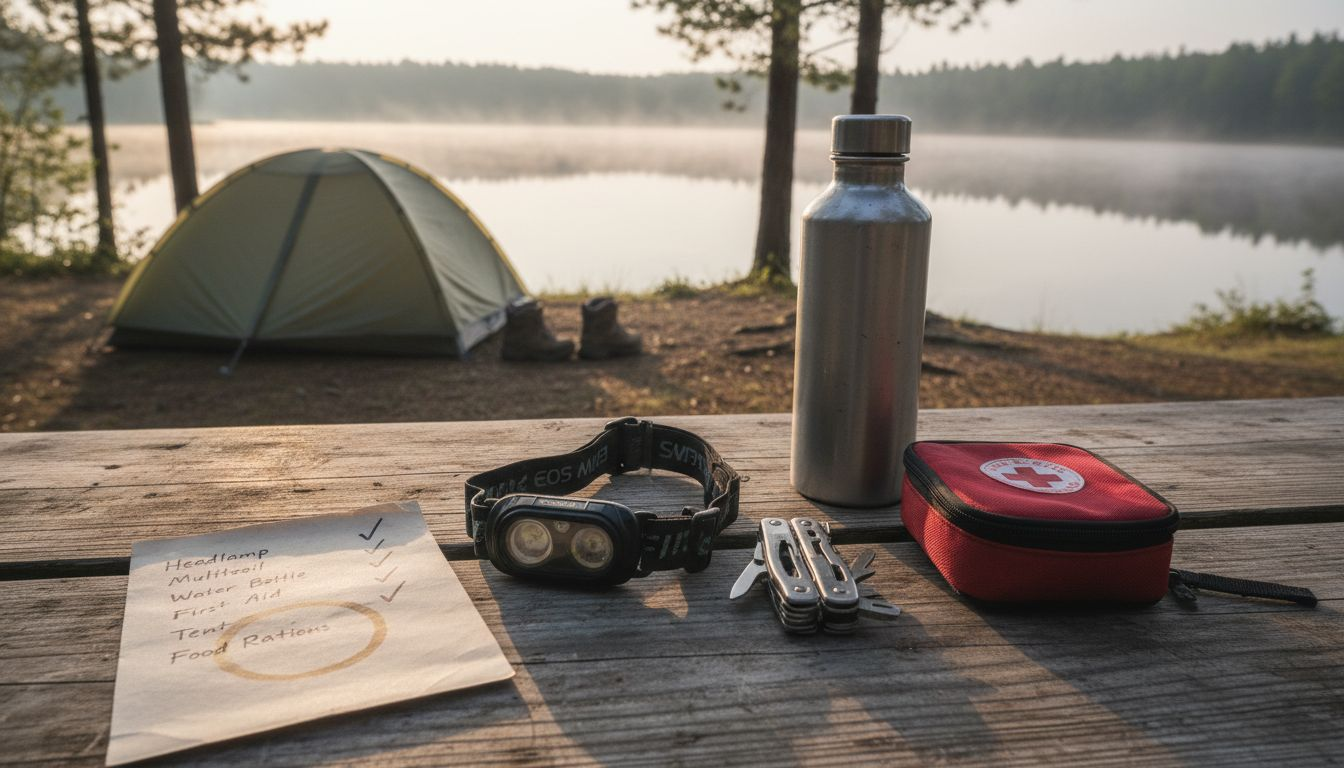
The foundational framework for wilderness survival gear typically follows the '10 Essentials' approach, which includes critical categories such as navigation tools, illumination devices, sun protection, first aid supplies, knife or multi-tool, fire starting equipment, shelter materials, food reserves, water purification systems, and emergency communication devices. Each category serves a specific purpose in maintaining personal safety and increasing survival probability during unexpected wilderness scenarios.
Preparing for diverse wilderness conditions requires strategic gear selection that goes beyond basic equipment. Disaster supply recommendations emphasize the importance of adaptable kits that can be customized to individual needs and specific environmental contexts. For instance, mountain terrain survival gear differs dramatically from desert expedition equipment, with variations in clothing insulation, water storage capacity, shelter design, and emergency signaling tools.
Critical survival gear categories include:
Here's a summary comparing the requirements and characteristics of survival kits for different wilderness environments:
| Environment Type | Unique Survival Needs | Gear Customization Example |
|---|---|---|
| Desert | Extra water storage, sun protection | High SPF sunscreen, water bags |
| Mountain | Cold protection, robust shelter | Insulated clothing, snow stakes |
| Forest | Insect control, waterproof gear | Bug spray, rain poncho |
| Coastal | Saltwater filtration, signaling | Desalination kits, bright flags |
- Navigation: Topographic maps, compass, GPS device
- Shelter: Lightweight tent, emergency bivvy, tarp
- Water Management: Filtration system, purification tablets, collapsible containers
- First Aid: Comprehensive medical kit, trauma supplies, personal medications
- Fire Starting: Waterproof matches, lighter, fire starter, emergency tinder
- Food Preservation: High-calorie, non-perishable nutrition, compact cooking tools
- Communication: Emergency radio, satellite messenger, signaling devices
- Protection: Appropriate clothing layers, sun protection, insect repellent
Pro tip: Create a modular survival kit that allows you to quickly add or remove components based on specific trip requirements and environmental conditions.
Essential Features for Outdoor Survival Kits
Crafting an effective outdoor survival kit requires strategic planning and a comprehensive understanding of essential equipment needs. Emergency preparedness guidelines emphasize the critical importance of selecting gear that balances portability, durability, and functionality. A well-designed survival kit serves as a lifeline during unexpected wilderness challenges, providing crucial resources that can mean the difference between comfort and catastrophe.
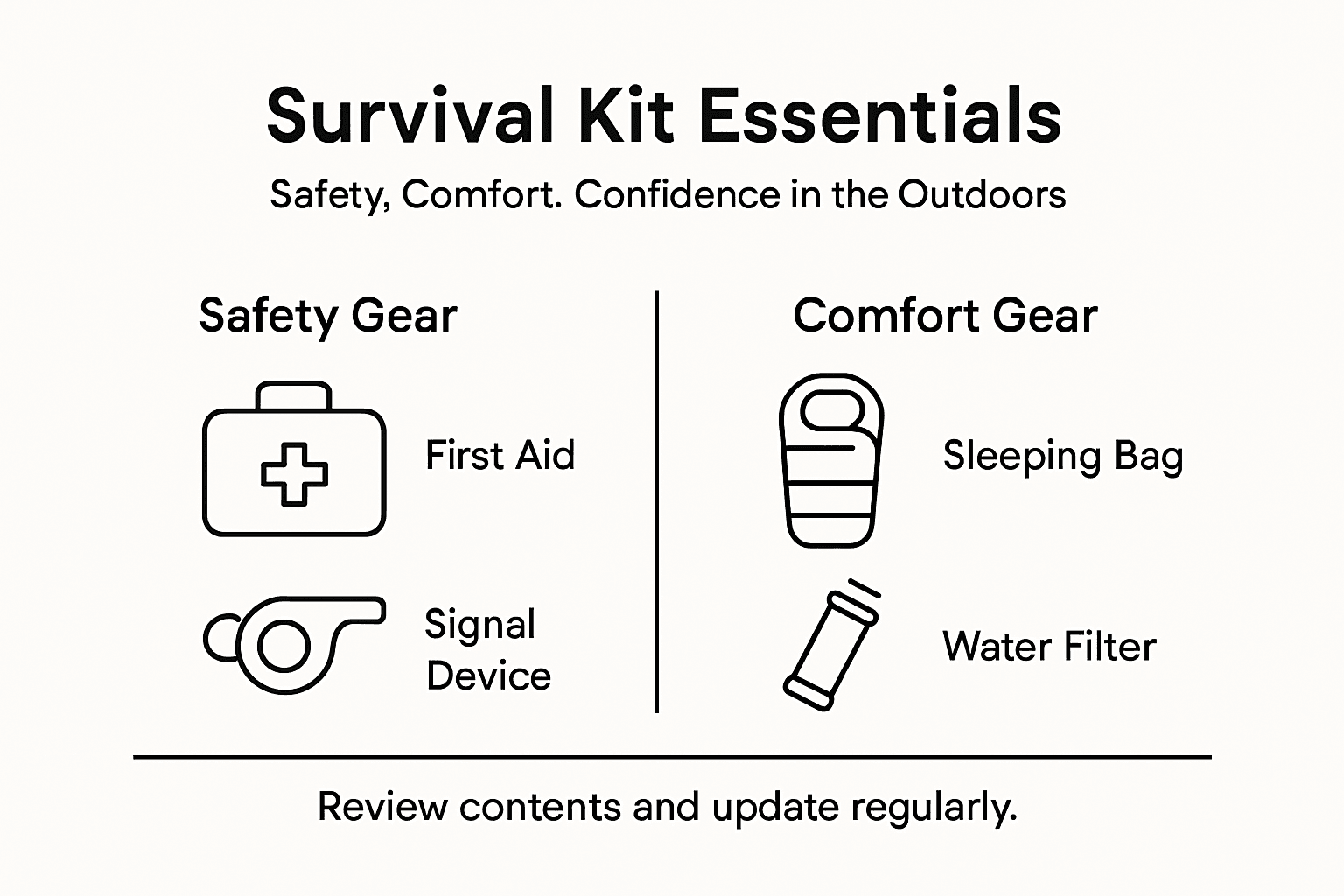
The core features of a robust outdoor survival kit extend far beyond simply collecting random equipment. These kits must incorporate multiple layers of protection and utility, addressing fundamental human survival requirements such as hydration, nutrition, shelter, first aid, communication, and navigation. Comprehensive survival kit recommendations suggest creating a versatile collection that can be quickly accessed and adapted to various environmental conditions and potential emergency scenarios.
Key essential features for outdoor survival kits include specific characteristics that enhance their effectiveness and reliability. Optimal survival gear should demonstrate:
- Waterproof Construction: Protecting contents from moisture and environmental damage
- Compact Modularity: Easy to carry, with components that can be quickly reconfigured
- Multi-functional Tools: Equipment serving multiple purposes to reduce weight and increase utility
- Lightweight Design: Minimizing physical burden while maximizing resource potential
- Durable Materials: Resistant to extreme temperatures and rough handling
- Intuitive Organization: Clear, logical arrangement for rapid item retrieval
- Emergency Signaling Capabilities: Integrated communication and location devices
Pro tip: Conduct a quarterly review and rotation of your survival kit contents, replacing expired items and updating equipment to match your current skill level and anticipated adventure environments.
How Survival Gear Increases Safety and Resilience
Survival gear represents more than just equipment - it is a critical lifeline that transforms potential disaster scenarios into manageable challenges. Survival skills and preparation dramatically enhance personal safety by providing individuals with the tools and confidence needed to navigate unexpected wilderness emergencies. When properly equipped, adventurers can transition from vulnerable victims to proactive survivors, dramatically reducing risks associated with environmental uncertainties.
The psychological impact of comprehensive survival gear cannot be overstated. Wilderness survival preparedness builds a profound sense of resilience by empowering individuals to maintain composure and make rational decisions during high-stress situations. This mental fortitude stems from knowing you have the necessary resources to address potential challenges, whether that means managing injuries, maintaining body temperature, finding shelter, or signaling for rescue.
Specifically, survival gear increases safety and resilience through several critical mechanisms:
- Physiological Protection: Maintaining core body temperature and preventing hypothermia
- Medical Intervention: Providing immediate first aid and injury management capabilities
- Environmental Adaptation: Offering tools to create shelter, purify water, and generate heat
- Communication Capability: Enabling emergency signaling and potential rescue coordination
- Psychological Stability: Reducing panic through preparedness and self-reliance
- Risk Mitigation: Minimizing potential life-threatening scenarios through proactive equipment
Pro tip: Practice using your survival gear before embarking on wilderness adventures, ensuring familiarity and confidence with each tool's function and application.
Mistakes to Avoid When Packing Survival Gear
Most wilderness adventurers unknowingly compromise their safety by making critical errors in survival gear preparation. Emergency preparedness guidelines highlight the importance of strategic, intentional packing that prioritizes practicality and individual needs over arbitrary equipment selection. Understanding these common mistakes can mean the difference between effective emergency response and potentially life-threatening unpreparedness.
One of the most fundamental errors is treating survival gear as a universal, unchanging collection. Survival kits must be dynamic, carefully tailored to specific environments, personal skill levels, and potential risks. Preparedness recommendations emphasize that a survival kit is not a static object but a living system that requires regular assessment, maintenance, and customization based on changing circumstances and personal capabilities.
Critical mistakes to avoid when packing survival gear include:
Below is a quick-reference table outlining common survival gear mistakes and how to avoid them:
| Mistake | Consequence | Prevention Strategy |
|---|---|---|
| Overpacking | Reduced mobility, fatigue | Prioritize multi-use items |
| Neglecting Maintenance | Gear failure, spoiled food | Regular content inspections |
| Lack of Training | Ineffective response, delays | Practice with all equipment |
| Ignoring Personal Needs | Missing medications or allergies | Add required personal supplies |
- Overpacking: Adding unnecessary weight that reduces mobility and exhausts energy
- Generic Kit Approach: Using a one-size-fits-all solution instead of personalized gear
- Neglecting Maintenance: Failing to regularly check and replace expired or damaged items
- Lack of Training: Carrying equipment without understanding how to use each tool effectively
- Ignoring Personal Needs: Overlooking critical personal medications or specialized requirements
- Poor Storage: Keeping survival gear inaccessible or in inappropriate environmental conditions
- Forgetting Documentation: Omitting crucial personal identification and emergency contact information
Pro tip: Create an annual survival gear review process, assessing and updating your kit's contents based on recent outdoor experiences, skill development, and changing personal health conditions.
Gear Up for Confidence and Safety on Every Adventure
The article highlights the critical challenge of preparing survival gear that is both effective and tailored to your specific outdoor needs. Many adventurers struggle with overpacking, neglecting essential tools, or carrying gear they are unfamiliar with, which can diminish safety and peace of mind. If you want to eliminate guesswork and build a survival kit focused on safety, comfort, and resilience, choosing the right equipment is key. Concepts like modular kits, water purification, and emergency signaling are essential – but only when paired with durable, easy-to-use gear you trust.
Explore Life Camp Adventure for high-quality survival essentials and camping gear designed specifically to empower your outdoor journeys. Our products are built for durability, portability, and multi-functionality so you can customize your kit confidently. Don’t let inadequate or unfamiliar gear hold you back. Take control of your safety now by visiting Life Camp Adventure. Prepare smart, pack well, and embrace the outdoors with the confidence every adventurer deserves.
Frequently Asked Questions
What is survival gear and why is it important?
Survival gear consists of essential tools and supplies designed to help individuals stay safe and fulfill their basic needs during emergencies in outdoor environments. It is important because it provides critical resources to maintain safety and increase the chances of survival when standard support systems are unavailable.
How can I customize my survival kit for different environments?
Customization involves understanding the specific challenges of each environment, such as terrain, weather, and risks. For example, a desert kit will require extra water storage and sun protection, while a mountain kit will focus on cold protection and robust shelter.
What are the core features to look for in an effective survival kit?
Key features of an effective survival kit include waterproof construction, compact modularity for easy transport, multi-functional tools to reduce weight, durable materials, intuitive organization for quick retrieval, and emergency signaling capabilities for communication and rescue.
How does carrying survival gear contribute to psychological stability?
Carrying survival gear fosters a sense of preparedness and self-reliance, which can help reduce panic during high-stress situations. Knowing you have necessary resources at hand empowers you to make rational decisions and enhances your overall mental fortitude in emergencies.
