8 Essentials on the Camping Checklist 2025 for Families
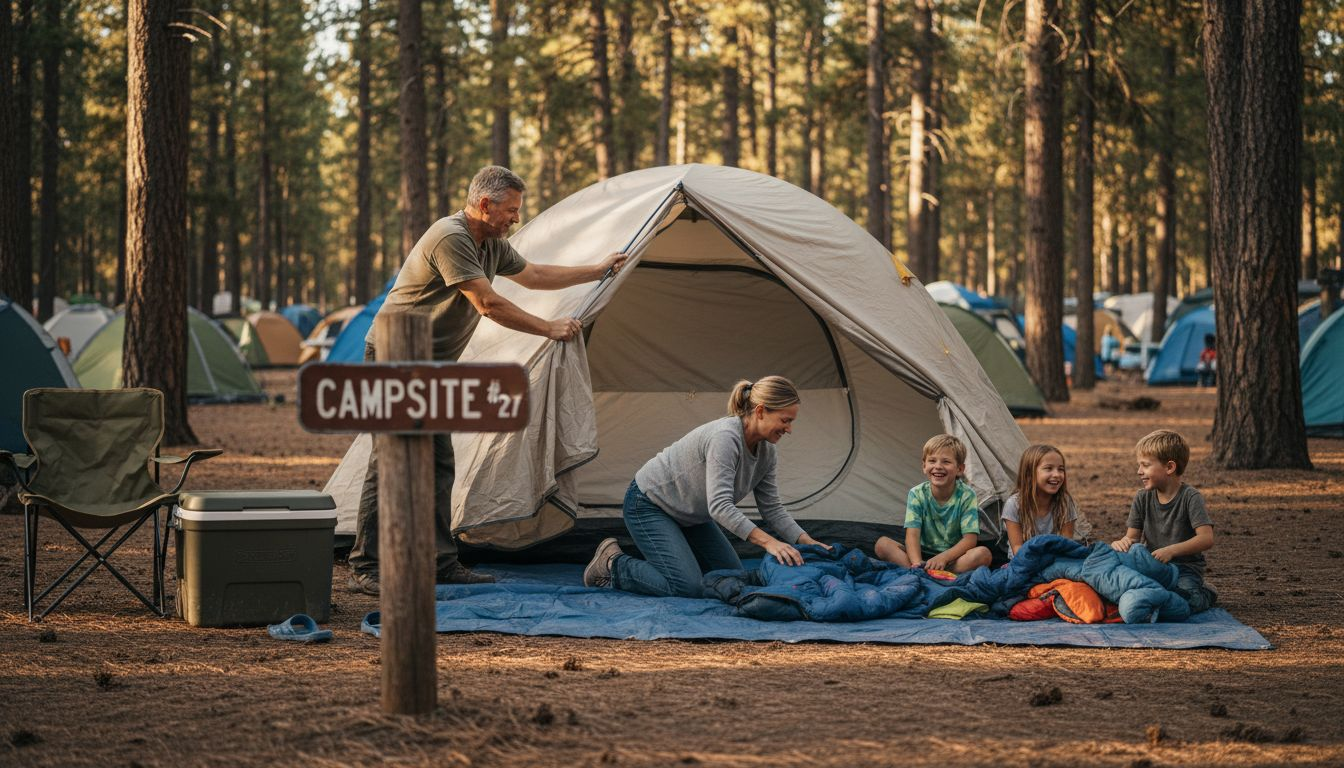
Over half of American families admit forgetting crucial camping supplies during Pacific Northwest trips. Forgetting a rainfly or underestimating night temperatures can turn adventure into discomfort. Practical planning makes all the difference for parents and casual campers who just want a smooth weekend away. Whether you are heading to the Oregon coast or Washington forests, this checklist brings together everything needed for a safe, comfortable, and worry-free family camping experience in 2025.
Quick Summary
| Takeaway | Explanation |
|---|---|
| 1. Select the Right Tent Size | Choose a tent that accommodates everyone comfortably and fits your family's camping style and gear needs. |
| 2. Match Sleeping Bags to Weather | Ensure sleeping bags are rated for local temperatures and suitable for each family member's needs. |
| 3. Prioritize Cooking Safety | Position equipment safely, handle fuels carefully, and maintain clean cooking areas to prevent accidents. |
| 4. Pack a Comprehensive First Aid Kit | Include essential supplies tailored to your family's medical needs for effective emergency response. |
| 5. Organize Food and Water Efficiently | Calculate water needs, use purification methods, and choose easy-to-prepare, lightweight meals for your trip. |
1. Choose the Right Tent for Family Comfort
Picking the perfect tent can make or break your family camping adventure. The right shelter transforms outdoor experiences from challenging to comfortable, providing a home away from home in the wilderness.
When selecting a family tent, size matters significantly. Modern camping tents now come in multiple configurations designed specifically for families, with spacious interiors that allow everyone to move and rest comfortably. Camping shelter options range from compact backpacking models to expansive car camping designs that can accommodate multiple people with room for personal gear.
Consider your specific camping style and family dynamics when choosing. Families with young children might prioritize tents with multiple rooms or vestibules for privacy and storage. Car campers can opt for larger, heavier tents with standing height, while backpackers need lightweight, compact models.
Weather resistance is another critical factor. Look for tents with robust rainfly coverage, sealed seams, and strong waterproof ratings to protect against unexpected Pacific Northwest precipitation. Dome and tunnel designs offer excellent stability in windy conditions, ensuring your family stays dry and comfortable.
Key Tent Selection Factors:
- Number of occupants
- Camping location and terrain
- Expected weather conditions
- Ease of setup
- Transportation method (car camping vs backpacking)
Pro tip: Always do a practice tent setup at home before your camping trip to familiarize yourself with the assembly process and identify any potential equipment issues.
2. Pack Sleeping Bags Rated for Local Weather
Sleeping bags are the difference between a comfortable night under the stars and a miserable camping experience. Understanding how to select the right sleeping bag for your family's outdoor adventure is crucial for maintaining warmth and comfort.
Temperature ratings guide your selection of sleeping bags and are critical for ensuring everyone stays warm during nighttime camping. Different seasons and regional weather patterns demand specific insulation levels, whether you are camping in the cool Pacific Northwest forests or exploring mountain regions with significant temperature drops.Key Sleeping Bag Selection Factors:
- Temperature rating matching local climate
- Insulation type (synthetic or down)
- Weight and packability
- Size appropriate for individual family members
- Moisture resistance
For Pacific Northwest camping, consider bags rated for 20 to 40 degree temperature ranges. Synthetic bags perform better in damp conditions, while down bags provide superior warmth and compressibility. Mummy style bags with insulated hoods offer maximum thermal protection, trapping body heat more effectively than traditional rectangular designs.
Family campers should invest in individual bags tailored to each person's size and temperature tolerance. Children and older adults often need additional warmth, so selecting specialized bags that accommodate their specific needs becomes paramount.
Pro tip: Always pack an additional lightweight fleece or thermal layer to supplement your sleeping bag's warmth and provide flexible temperature regulation during unpredictable outdoor nights.
3. Plan a Portable Cooking Setup With Safety in Mind
Portable cooking setups transform family camping trips from basic survival to culinary adventures. However, transforming an outdoor cooking area requires strategic planning and unwavering commitment to safety.
Cooking safety starts with understanding potential risks and implementing preventative measures for your camping kitchen. Propane stoves and portable grills demand careful handling to prevent accidents and ensure a smooth dining experience in the wilderness.Essential Portable Cooking Safety Guidelines:
- Position cooking equipment away from tents and flammable materials
- Maintain a dedicated fire extinguisher or water bucket nearby
- Check fuel connections and equipment integrity before use
- Create a clean cooking surface with designated food preparation areas
- Supervise children around cooking equipment
When selecting a portable cooking setup, prioritize compact designs with stable platforms. Foldable cooking tables with windscreen protection offer excellent stability and reduce fire risks. Choose stoves with automatic shutoff mechanisms and piezo electric ignition for added safety.
Food safety is equally important during outdoor cooking. Use separate cutting boards for raw and cooked foods, pack a digital meat thermometer to ensure proper cooking temperatures, and bring antibacterial wipes for quick surface sanitization.
Pro tip: Pack a small fire blanket alongside your cooking gear as an additional safety measure for managing unexpected cooking emergencies.
4. Bring a Comprehensive First Aid Kit
A family camping trip can quickly turn stressful without proper medical preparation. Your first aid kit is not just a collection of supplies but a critical safety net for handling unexpected outdoor emergencies.
Comprehensive first aid kits require strategic planning and thoughtful assembly to address potential health challenges during wilderness adventures. Understanding what to include can mean the difference between a minor incident and a serious medical situation.Essential First Aid Kit Components:
- Sterile adhesive bandages in multiple sizes
- Antiseptic wipes and cleaning solutions
- Elastic wraps and medical tape
- Tweezers and small scissors
- Pain relief medications
- Prescription medications for family members
- Allergy treatment supplies
- Emergency contact information
Customize your first aid kit based on your family's specific medical needs and the camping environment. Consider factors like potential allergies, existing medical conditions, and the remote nature of your camping location. Pack items in a waterproof container with clear organization to ensure quick access during emergencies.
Additionally, include items specific to outdoor environments such as tick removal tools, burn treatment gel, instant cold packs, and splinting materials. Familiarize yourself with basic first aid techniques before your trip to maximize the effectiveness of your medical supplies.
Pro tip: Perform a complete first aid kit inventory check and practice basic first aid skills with your family members before leaving for your camping trip.
5. Select Layered Clothing for Changing Conditions
Outdoor adventures demand smart clothing strategies that adapt to unpredictable environments. Layered clothing provides a flexible solution for managing body temperature during camping trips, ensuring comfort and protection for every family member.
Effective Layering Strategy Includes:
- Moisture wicking base layer
- Insulating mid layer
- Waterproof protective outer shell
- Adaptable accessories like hats and gloves
- Lightweight packable materials
The base layer works directly against your skin, drawing moisture away and maintaining core body temperature. Choose synthetic materials or merino wool that dry quickly and prevent chilling. Your mid layer provides critical insulation trapping warm air close to the body. Lightweight fleece or wool sweaters work perfectly for this purpose.
The outer shell protects against wind, rain, and unexpected temperature drops. Select jackets and pants with waterproof and breathable properties that can handle Pacific Northwest weather variations. For families, this means selecting pieces that can be easily added or removed as conditions shift.
Consider packability when selecting layers. Lightweight materials that compress easily into small spaces allow maximum flexibility without overwhelming your camping storage.
Pro tip: Pack an extra set of dry base layers and always keep them sealed in a waterproof bag to ensure a warm backup if your primary clothing becomes wet.
6. Organize Food and Water for the Whole Family
Successful family camping requires meticulous planning of nutrition and hydration needs. Effective water management is crucial for maintaining family health and comfort during outdoor adventures.
Essential Food and Water Preparation Strategies:
- Calculate precise water requirements per person
- Pack water purification methods
- Bring nonperishable food items
- Include variety of nutrition sources
- Plan meals with dietary restrictions in mind
- Pack appropriate food storage containers
- Bring backup water treatment options
Water planning goes beyond simple quantity. Bring multiple water treatment options like filtration straws, purification tablets, and portable water filters. Aim for at least one gallon of water per person per day, accounting for drinking, cooking, and basic hygiene needs.
Food organization requires strategic thinking. Pack meals that are lightweight, nutrient dense, and easy to prepare. Consider individual family members dietary needs and potential allergies. Vacuum sealed and dehydrated meals offer excellent space saving options for family camping trips.
Select food containers that are durable, waterproof, and animal resistant. Bear canisters or sealed coolers work well for protecting your provisions from wildlife and maintaining food safety in outdoor environments.
Pro tip: Pack color coded water bottles or containers for each family member to track individual hydration and prevent mix ups during your camping adventure.
7. Include Reliable Lighting and Power Solutions
Modern camping demands smart power management that keeps your family connected and safe in remote environments. Off-grid solar energy provides sustainable and versatile power solutions for outdoor adventures.
Comprehensive Lighting and Power Strategy:
- Portable solar charging stations
- Rechargeable headlamps
- Backup battery packs
- Multiple lighting sources
- Motion sensor lights
- Weatherproof electrical connections
- Compact power banks
When selecting lighting equipment, prioritize energy efficient LED technologies that offer long battery life and consistent illumination. Warm colored lights reduce eye strain and minimize environmental light pollution while providing comfortable visibility for family activities.
Consider diversifying your power sources. Combine solar chargers with high capacity battery banks to ensure continuous power for essential devices like smartphones, GPS units, and emergency communication tools. Waterproof and shockproof designs provide additional reliability in unpredictable outdoor conditions.
Choose lighting options with multiple brightness settings and adjustable beam patterns. Headlamps with red light modes preserve night vision while providing necessary illumination for tasks like setting up camp or navigating dark trails.
Pro tip: Pack lightweight cord management accessories and universal adapters to maximize charging compatibility across different electronic devices during your camping trip.
8. Pack Entertainment and Games for Kids
Camping trips offer unique opportunities to disconnect from screens and reconnect through interactive family experiences. Outdoor games and activities help children develop physical, social, and cognitive skills while creating lasting memories.
Engaging Camping Entertainment Options:
- Nature scavenger hunts
- Portable board games
- Storytelling supplies
- Art materials for nature crafts
- Compact outdoor activity kits
- Card games
- Lightweight musical instruments
Design entertainment that encourages exploration and creativity. Nature scavenger hunts transform hiking into an exciting discovery mission where kids collect unique leaves, identify different rock types, and track animal tracks. Bring compact notebooks and colored pencils to document their findings and create lasting trip journals.
Select games that work in various environments. Waterproof card decks, travel size board games, and imagination driven storytelling activities require minimal space but provide maximum engagement. Consider games that teach outdoor skills like knot tying, basic navigation, or wildlife identification.
Pack lightweight craft supplies that inspire creativity without creating excessive mess. Bring small sketchbooks, washable markers, and materials for simple projects like rock painting or leaf pressing. These activities transform downtime into educational experiences.
Pro tip: Create a special camping entertainment kit packed before the trip and let kids help choose some of the activities to build excitement and anticipation.
Below is a comprehensive table summarizing the key strategies and considerations for a successful family camping trip as discussed in the article.
| Topic | Key Points | Considerations |
|---|---|---|
| Choosing a Tent | Select the right size for family comfort, prioritize weather resistance, consider ease of setup. | Modern tents offer multi-room setups; consider portable options for backpacking. |
| Sleeping Bags | Ensure temperature ratings are appropriate for the destination and prefer moisture-resistant bags. | Select size and styles tailored to each individual's needs. |
| Cooking Setup | Ensure safety with proper equipment handling, plan meals efficiently. | Prioritize compact and stable setups, adhere to safety guidelines. |
| First Aid Kit | Assemble a comprehensive kit including first aid essentials, tailored to family health needs. | Use waterproof containers and refresh contents before each trip. |
| Clothing Layers | Use a layered approach: base layer, insulation, and a waterproof shell for varied conditions. | Focus on lightweight, quick-drying materials for easy transport. |
| Nutrition & Water | Plan adequate water and meals, ensuring consideration of dietary needs, and prepare for wildlife. | Incorporate purification methods and durable, animal-resistant storage. |
| Lighting & Power | Leverage portable solar chargers, rechargeable batteries, and energy-efficient lighting options. | Opt for weatherproof, lightweight, and versatile technologies. |
| Entertainment | Include games, crafts, and nature-based activities for kids to enjoy in the outdoors. | Encourage activities that inspire exploration and engagement with nature. |
Equip Your Family for the Ultimate Camping Adventure
Planning a family camping trip means tackling challenges like choosing the right tent, packing weather-appropriate sleeping bags, and ensuring safe portable cooking setups. These essentials are crucial to keep your family comfortable and secure in changing conditions. Life Camp Adventure understands how important it is to have dependable gear that matches your needs whether you are car camping or backpacking.
Experience the confidence that comes with high-quality equipment tailored for families. From durable tents and insulated sleeping bags to outdoor cooking tools and safety kits, we provide gear designed with your adventure goals in mind. Visit Life Camp Adventure now and discover how our trusted products can make your next camping trip safer and more enjoyable. Don’t wait—equip your family with the reliable essentials they deserve to explore with comfort and peace of mind. Start your journey with us today on Life Camp Adventure and be ready for every outdoor moment.
Frequently Asked Questions
What should I consider when choosing a family tent for camping?
Choosing a family tent requires you to consider the size, weather resistance, and ease of setup. Assess the number of occupants, the camping location, and the expected weather conditions to ensure everyone has enough space and comfort.
How do I select the right sleeping bag for my family’s camping trip?
To select the right sleeping bag, check the temperature ratings and insulation type to ensure warmth during the night. Consider the specific needs of each family member and choose bags that fit their size and comfort requirements, ideally rated for the local climate.
What are the essential safety measures for portable cooking setups?
Prioritize safety by positioning cooking equipment away from flammable materials, checking fuel connections, and maintaining clean cooking surfaces. Always keep a fire extinguisher or a bucket of water nearby to manage any potential cooking emergencies.
How can I create a well-organized first aid kit for family camping?
Create a comprehensive first aid kit by including essential components like bandages, antiseptic wipes, and necessary prescription medications. Customize the kit based on any medical needs and ensure it's stored in a waterproof container for easy access during emergencies.
What type of layered clothing should my family pack for camping?
Pack a moisture-wicking base layer, an insulating mid-layer, and a waterproof outer shell to ensure comfort in changing weather. Adapt the clothing choices to fit each family member and ensure they can add or remove layers as temperatures fluctuate throughout the day.
How do we ensure adequate food and water supply during our camping trip?
Calculate the precise amount of water needed per person, aiming for at least one gallon per person each day. Plan meals around nonperishable items, and include food storage methods that prevent spoilage and protect against wildlife.
