Eco-Friendly Camping: Reducing Your Outdoor Impact
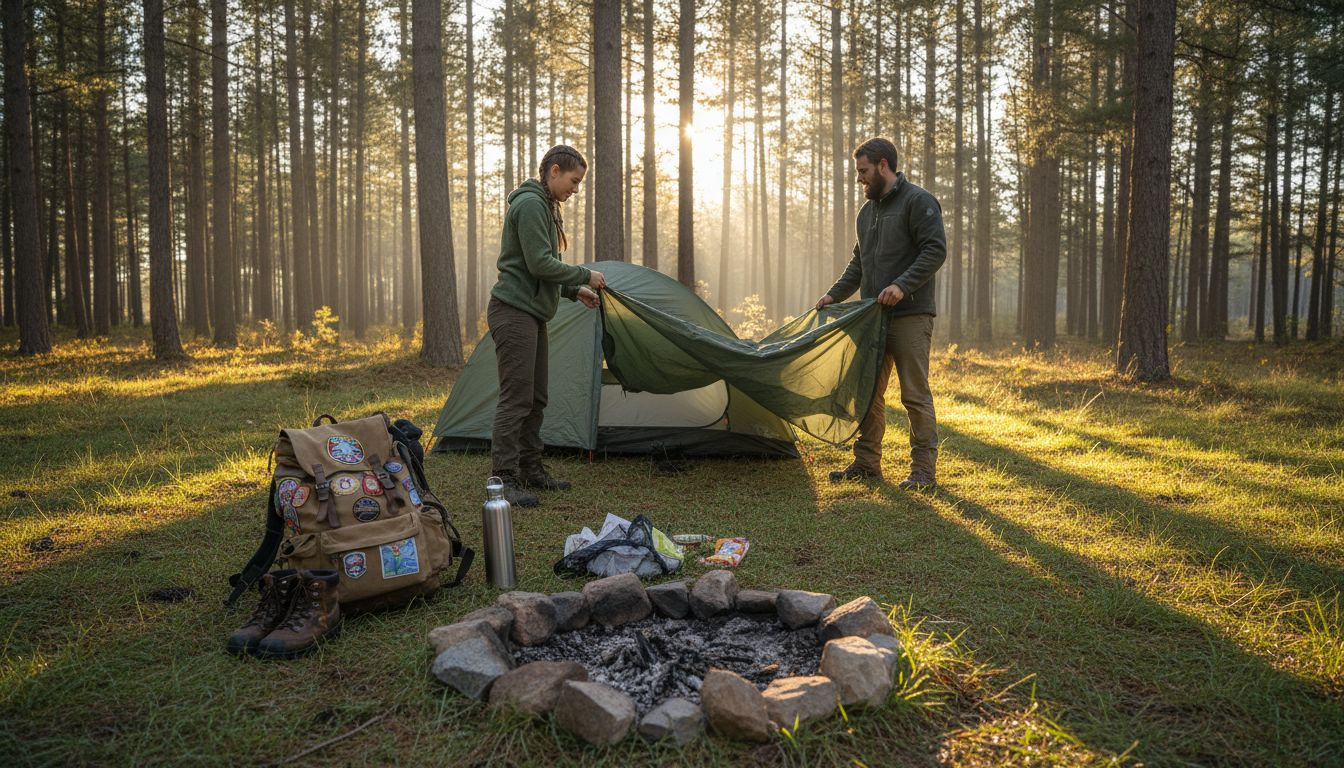
Most American campers are surprised to learn that over half of outdoor waste left behind each year could be avoided with simple eco-friendly habits. Urban campers know how precious green spaces are, yet common myths often leave people feeling that sustainable choices are either costly or inconvenient. This guide uncovers practical strategies and debunks popular misconceptions so eco-conscious adventurers can feel empowered to protect the places they love while actually saving money.
Key Takeaways
| Point | Details |
|---|---|
| Eco-Friendly Camping Benefits | It minimizes environmental impact while still providing enjoyment and comfort during outdoor experiences. |
| Common Misconceptions | Many believe eco-friendly practices are expensive and complicated, but they can be straightforward and cost-effective. |
| Leave No Trace Principles | Following these principles is essential for preserving ecosystems and ensuring sustainable access to natural areas. |
| Sustainable Gear Importance | Choosing durable, eco-friendly equipment reduces waste and promotes environmental responsibility in camping. |
Eco-friendly camping explained and common myths
Eco-friendly camping represents a mindful approach to enjoying outdoor experiences while minimizing environmental impact. At its core, this practice involves understanding how our recreational activities interact with natural ecosystems and taking deliberate steps to protect wilderness environments. Modern camping practices have evolved from simple outdoor recreation to a more intentional, conservation-focused activity.
Contrary to popular misconceptions, being eco-friendly doesn't mean sacrificing comfort or enjoyment. Many campers mistakenly believe that sustainable practices are complicated or restrictive. In reality, eco-friendly camping simply requires thoughtful planning and respect for natural spaces. Eco-friendly approaches consider the entire lifecycle of camping gear, activities, and personal behaviors that might impact the environment.
Common myths about eco-friendly camping include believing it's prohibitively expensive or requires specialized equipment. Most sustainable camping techniques are actually straightforward and cost-effective. These practices range from proper waste management and minimizing campsite disturbance to choosing lightweight, durable gear that reduces overall environmental strain. By understanding basic principles like leaving no trace, using biodegradable products, and respecting wildlife habitats, campers can significantly reduce their outdoor impact.
Pro Tip: Always pack a small biodegradable trash bag and commit to leaving your campsite cleaner than you found it, picking up not just your own waste but any additional litter you encounter.
Sustainable gear, materials, and alternatives
Campers increasingly recognize the importance of choosing sustainable equipment that minimizes environmental impact. Sustainable materials management provides a comprehensive framework for selecting camping gear that reduces ecological harm while maintaining performance and durability. This approach considers the entire lifecycle of outdoor equipment, from production to eventual disposal.
Modern outdoor enthusiasts have numerous options for eco-friendly gear. Sustainable fabrics now include innovative materials like organic cotton, recycled synthetics, hemp, and bamboo. These materials offer significant advantages over traditional synthetic fabrics, providing excellent durability while dramatically reducing environmental footprint. Lightweight tents made from recycled polyester, sleeping bags crafted with responsibly sourced down, and backpacks constructed from regenerated nylon represent the cutting edge of sustainable outdoor equipment.
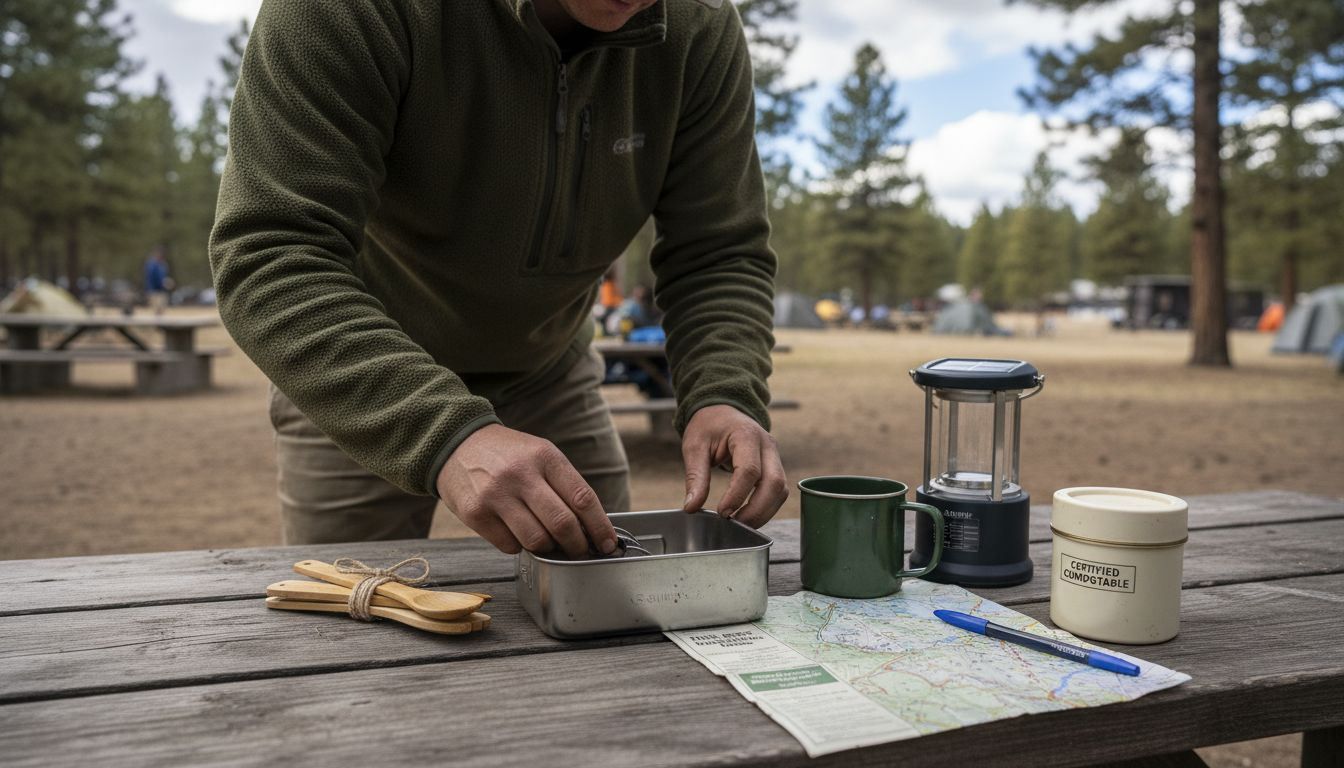
Beyond material selection, sustainable camping gear emphasizes longevity and repairability. Investing in high-quality, versatile equipment that can withstand multiple seasons reduces waste and prevents frequent replacements. Many forward-thinking manufacturers now offer repair services, lifetime warranties, and recycling programs for worn-out gear. This circular approach transforms camping equipment from a disposable commodity into a long-term environmental investment.
Pro Tip: When shopping for camping gear, prioritize brands that offer transparent sustainability certifications and demonstrate genuine commitment to environmental responsibility through their manufacturing and disposal practices.
Leave No Trace principles and eco-actions
Leave No Trace principles represent a comprehensive framework for responsible outdoor recreation that protects natural environments. These guidelines provide campers with a systematic approach to minimizing human impact while enjoying wilderness areas. By following these principles, outdoor enthusiasts can preserve ecosystems, protect wildlife habitats, and ensure sustainable access to natural spaces for future generations.The core Leave No Trace framework encompasses seven critical principles that guide responsible outdoor behavior. These include strategic planning before trips, selecting durable camping surfaces, proper waste management, respecting natural surroundings, minimizing campfire impacts, maintaining wildlife boundaries, and showing consideration for other visitors. Detailed environmental protection practices emphasize understanding local ecosystems and adapting behaviors to specific environmental contexts.
Implementing Leave No Trace principles requires more than passive observation. Active engagement means carefully planning routes, using established trails, carrying out all waste, avoiding disturbance of natural features, and understanding the delicate balance of wilderness ecosystems. Campers must become stewards of the environment, recognizing that their individual actions collectively determine the health and accessibility of natural spaces. This approach transforms camping from a passive recreational activity into a proactive conservation effort.
Pro Tip: Always carry a compact trash bag and commit to collecting not just your own waste, but any additional litter you encounter during your outdoor adventures.
Managing waste, water, and campfires responsibly
Minimizing campfire impacts requires a comprehensive understanding of environmental preservation techniques. Responsible campers must carefully consider their fire management strategies, waste disposal methods, and water conservation practices. Each decision made in the wilderness can significantly affect local ecosystems, wildlife habitats, and long-term environmental sustainability.Campfire management demands meticulous attention to detail. Campers should use existing fire rings, keep fires small, and source local firewood to prevent invasive species transportation. Completely extinguishing fires by thoroughly dousing them with water until they are cold to the touch is crucial. Alternative cooking methods like camp stoves can dramatically reduce wildfire risks and minimize environmental disruption. Water quality monitoring becomes essential, especially in areas with recent fire activity or sensitive ecological conditions.
Waste management extends beyond simple trash collection. Responsible campers must practice pack-in-pack-out principles, using biodegradable products, separating recyclables, and ensuring no trace of human activity remains at their campsite. This approach includes proper human waste disposal, using designated facilities when possible, and carrying portable waste management solutions for remote locations. Water conservation involves minimizing contamination, using biodegradable soaps, and treating water sources with respect to protect local watersheds and aquatic ecosystems.
Pro Tip: Carry a compact, multi-compartment waste bag that separates recyclables, compostables, and landfill waste to streamline your environmental responsibility during outdoor adventures.
Risks, costs, and mistakes to avoid
Camping safety guidelines reveal critical insights into potential risks that can transform an exciting outdoor adventure into a dangerous experience. Understanding these risks goes beyond basic preparation and requires a comprehensive approach to planning, equipment selection, and personal awareness. Inexperienced campers often underestimate the complexity of wilderness environments and the potential consequences of poor decision making.Common camping mistakes typically fall into several high-risk categories. These include inadequate gear preparation, failure to research local terrain and weather conditions, ignoring critical safety protocols, and insufficient emergency planning. Camping regulation compliance becomes crucial in mitigating potential financial and personal risks. Mistakes can result in unexpected expenses, potential injuries, environmental damage, and legal complications that far outweigh the initial investment in proper preparation.
Financial risks in eco-friendly camping extend beyond immediate equipment costs. Improper camping practices can lead to significant unexpected expenses such as emergency medical treatments, environmental violation fines, gear replacement due to damage, and potential rescue operations. Sustainable camping requires viewing expenses through a long-term lens, investing in quality, durable equipment, comprehensive insurance, and developing skills that reduce the likelihood of costly mistakes.
Below is a summary of common mistakes to avoid and their consequences in camping:
| Mistake | Potential Risk | How to Prevent |
|---|---|---|
| Ignoring weather forecast | Sudden hazards, discomfort | Check before departure |
| Using improper disposal methods | Environmental fines, pollution | Follow regulations |
| Skipping gear maintenance | Equipment failure, expense | Inspect before trips |
| Inadequate emergency planning | Injury, delayed rescue | Pack first aid kit |
Pro Tip: Create a comprehensive pre-trip checklist that includes equipment verification, emergency contact information, local regulation review, and a detailed contingency plan for potential scenarios.
Comparing eco-friendly camping with traditional options
Backcountry camping experiences fundamentally challenge traditional outdoor recreation paradigms by prioritizing environmental stewardship over convenience. Unlike conventional camping approaches that often prioritize comfort and accessibility, eco-friendly camping demands a more intentional, mindful approach to wilderness interaction. This shift represents more than a simple change in equipment or technique it signals a profound philosophical transformation in how humans engage with natural spaces.Traditional camping models typically emphasize human comfort through extensive amenities and infrastructure. RV parks, fully equipped campgrounds, and cabin rentals represent this approach, where convenience often supersedes environmental considerations. In contrast, eco-friendly camping requires campers to critically evaluate their impact, selecting lightweight gear, minimizing waste, and actively participating in conservation efforts. The key difference lies not just in equipment but in the fundamental relationship between humans and wilderness.
The comparative landscape reveals significant distinctions in resource consumption, environmental footprint, and overall outdoor experience. Traditional camping frequently involves higher energy use, more significant waste generation, and greater ecological disruption. Eco-friendly camping, by design, seeks to create a symbiotic relationship with natural environments, utilizing sustainable materials, practicing Leave No Trace principles, and viewing the wilderness as a collaborative ecosystem rather than a recreational playground. This approach transforms camping from a consumptive activity to a regenerative practice that respects and preserves natural habitats.
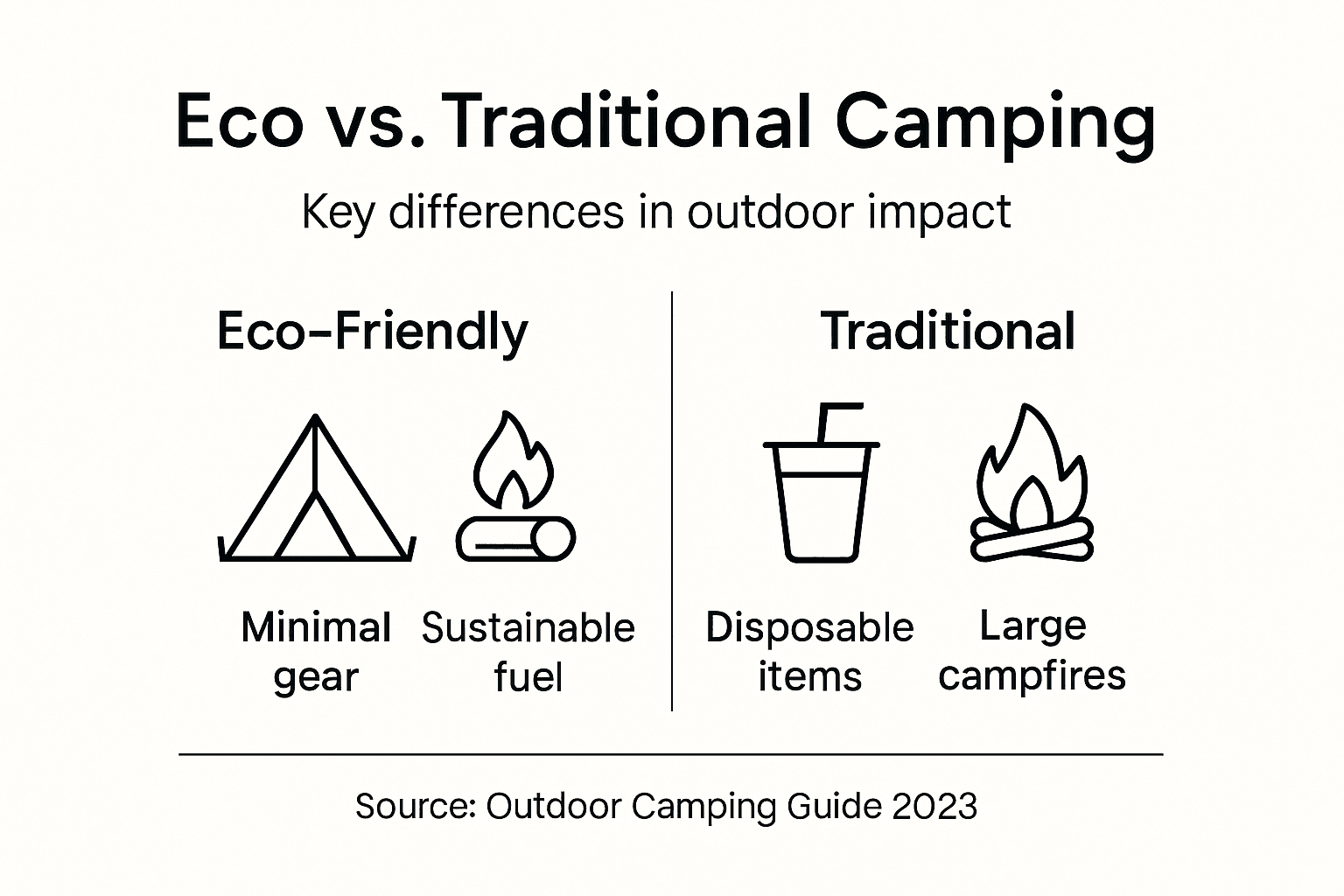
Here's a comparison of eco-friendly camping and traditional camping approaches:
| Aspect | Eco-Friendly Camping | Traditional Camping |
|---|---|---|
| Environmental Impact | Minimal, conservation-focused | Higher, less regulated |
| Gear Selection | Sustainable, repairable | Often disposable, synthetic |
| Waste Management | Pack-in-pack-out, composting | Trash bins, less sorting |
| Long-term Costs | Lower with durable gear | Higher due to replacements |
| Wildlife Interaction | Respect habitat boundaries | More likely to disturb |
Pro Tip: Before your next camping trip, conduct a personal environmental audit by evaluating your gear, planned activities, and potential ecological impact to transition from traditional to more sustainable outdoor practices.
Equip Yourself for True Eco-Friendly Camping
The challenge of reducing your outdoor impact while enjoying nature calls for gear that supports sustainable principles like Leave No Trace, responsible waste management, and durable equipment. This article highlights the importance of thoughtful planning and eco-conscious choices to protect wilderness areas and wildlife habitats. If you want to embrace outdoor adventures that honor these values without sacrificing comfort and safety, you need reliable gear designed with sustainability and durability in mind.
Discover how Life Camp Adventure can help you transition to eco-friendly camping by offering high-quality equipment built to last and support your commitment to minimizing environmental impact. Whether you are upgrading your gear for backcountry trips or preparing for your first sustainable camping experience, explore our range of camping essentials crafted for durability and ease of use. Visit Life Camp Adventure today and take the first step toward a greener outdoor lifestyle by equipping yourself with trusted products that align with responsible outdoor ethics.
Frequently Asked Questions
What are the basic principles of eco-friendly camping?
Eco-friendly camping is guided by principles that minimize environmental impact, including Leave No Trace, proper waste management, and respecting wildlife and natural habitats. These principles encourage campers to be mindful of their actions and their effects on the environment.
How can I choose sustainable camping gear?
When selecting camping gear, prioritize items made from sustainable materials, such as organic cotton, recycled synthetics, or biodegradable products. Look for brands that emphasize durability, repairability, and transparent sustainability certifications in their manufacturing processes.
What does "Leave No Trace" mean in camping?
Leave No Trace refers to a set of guidelines designed to promote responsible outdoor practices. It includes strategies such as packing out all trash, minimizing campfire impacts, staying on established trails, and respecting wildlife to protect natural ecosystems for future generations.
How do I manage waste responsibly while camping?
To manage waste responsibly, follow the pack-in, pack-out principle, use biodegradable products, and separate recyclables from trash. Always ensure that you leave no trace of human activity at your campsite and dispose of human waste properly, utilizing designated facilities when available.
