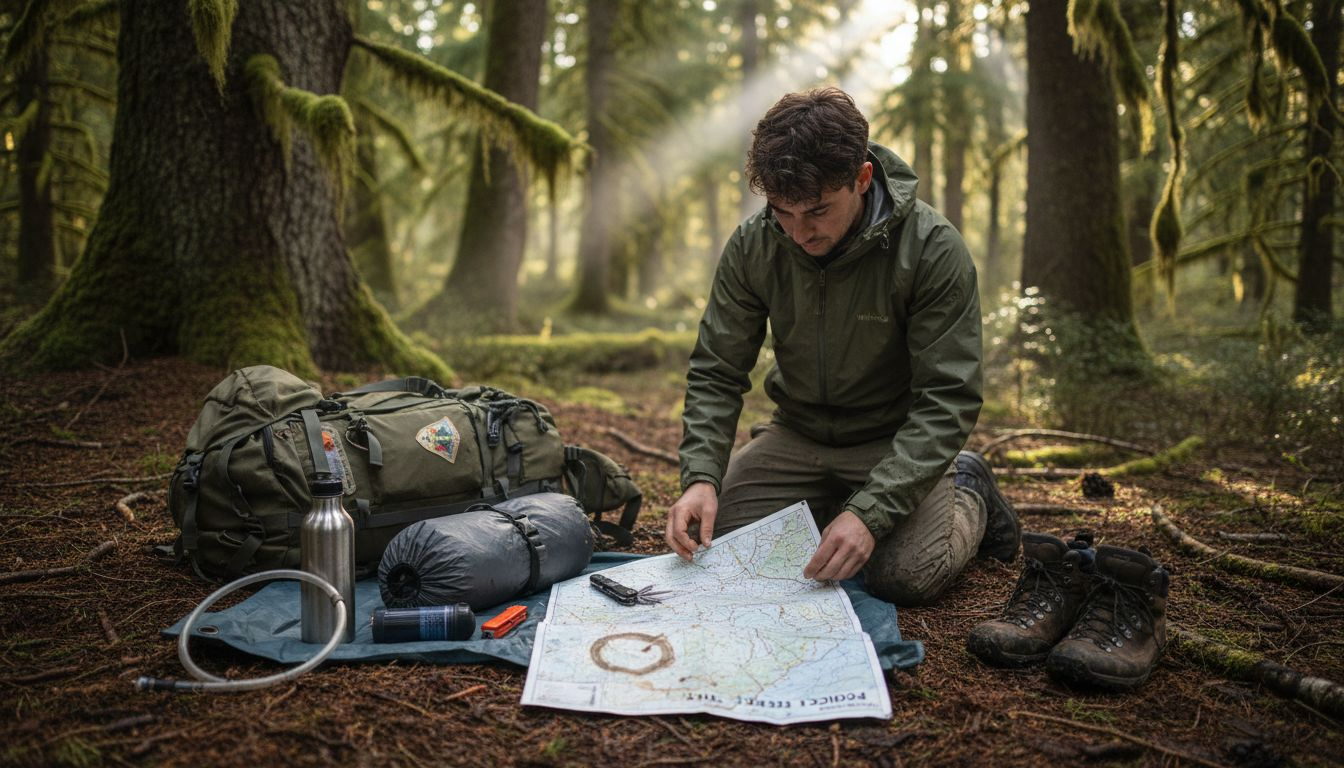
Planning a multi-day backpacking trip in the Pacific Northwest can feel overwhelming when you realize how many gear choices will affect your comfort, safety, and enjoyment. With unpredictable weather, rugged terrain, and long hours on the trail, the wrong equipment can quickly turn a dream adventure into a battle with the elements. You need gear that strikes the perfect balance between lightweight design and reliable performance.
This guide breaks down the key items that make all the difference for extended wilderness hikes. You’ll discover how smart gear choices help you stay warm, protect against the cold ground, ensure you always have safe drinking water, and stay found no matter how wild your route. Get ready for practical insights that give you confidence and keep you prepared for anything wilderness travel throws your way.
Quick Summary
| Takeaway | Explanation |
|---|---|
| 1. Choose a lightweight, supportive backpack | Select a backpack under 3 pounds with adjustable features to ensure comfort and proper weight distribution on long hikes. |
| 2. Select a durable, weatherproof tent | Aim for a tent under 4 pounds that can withstand rain and wind, and offers easy setup and ventilation. |
| 3. Pack an insulating sleeping bag and pad | Use a suitable sleeping bag rated for your climate and a pad to prevent heat loss from the ground. |
| 4. Carry efficient water filtration systems | Ensure your water filter is lightweight and effective in removing contaminants to provide safe drinking water in the wilderness. |
| 5. Include reliable navigation and safety gear | Prepare with both digital and traditional navigation tools to stay oriented, including maps and a compass for emergencies. |
1. Choose a Lightweight, Supportive Backpack
When embarking on a multi-day hiking adventure in the Pacific Northwest, your backpack becomes more than just a carrier - it's your lifeline and most critical piece of gear. The right backpack can transform your outdoor experience from challenging to comfortable.
Your backpack needs to strike a perfect balance between weight and support. Ultralight hikers understand that every ounce matters when you're traversing mountain trails for hours. A well-designed backpack reduces physical strain while providing essential comfort and durability.
Key features to consider when selecting your ideal backpack include:
- Weight under 3 pounds for maximum mobility
- Adjustable suspension system for personalized fit
- Breathable back panel to prevent excessive sweating
- Multiple compartments for strategic gear organization
- Durable materials like ripstop nylon or high-tensile polyester
A supportive backpack isn't just about weight - it's about distributing that weight effectively across your body.
When choosing a backpack for extended hiking trips, look for models with padded shoulder straps and hip belts that transfer weight from your shoulders to your hips. This design reduces muscle fatigue and prevents potential injuries during long treks.
Fit is everything. Always try on backpacks with some weight inside to simulate real hiking conditions. Adjust straps, walk around, and ensure the pack feels like a natural extension of your body.
Pro tip: Invest in a professional fitting at an outdoor gear store to understand your specific torso length and optimal backpack size.
2. Select a Durable, Weatherproof Tent
Your tent is more than a shelter - it's your lifeline in the rugged wilderness of the Pacific Northwest. When backpacking through unpredictable terrain and rapidly changing weather conditions, a reliable tent can mean the difference between a memorable adventure and a miserable experience.
Choosing the right tent requires understanding critical performance characteristics. You need a shelter that can withstand rain, wind, and unexpected temperature fluctuations while remaining lightweight enough for extended hiking trips.
Key considerations for selecting an optimal tent include:
- Total weight (aim for under 4 pounds)
- Water resistance rating
- Durability of fabric materials
- Ease of setup in challenging conditions
- Ventilation and condensation management
A high-quality tent protects you from the elements while providing a comfortable retreat after a long day of hiking.
When evaluating tent options, look for four season tent designs that offer superior protection against harsh environmental conditions. These models typically feature reinforced poles, robust fabric, and enhanced weatherproofing technologies.
Construct your selection process around three fundamental criteria: weight efficiency, weather resistance, and structural integrity. Modern tent technologies have revolutionized outdoor shelters, offering incredible protection without sacrificing portability.
Pro tip: Always practice setting up your tent before your actual trip to understand its mechanisms and identify any potential issues.
3. Pick an Insulating Sleeping Bag and Pad
Backpacking requires strategic thermal management - your sleeping system is your lifeline against the cold nights of wilderness terrain. Understanding how to select the right sleeping bag and pad can mean the difference between restful recovery and a miserable night of shivering.
Your sleeping system works through a complex process of thermal insulation and heat retention. High-performance sleeping bags create small air pockets that minimize heat transfer and protect you from dropping temperatures.
Critical factors for selecting your sleeping system include:
- Temperature rating appropriate for your region
- Total weight and packability
- Insulation material (synthetic vs down)
- Comfort rating and shape
- Compatibility between sleeping bag and pad
Effective thermal protection starts with understanding how insulation actually works.
When evaluating sleeping bags, look for sleeping bag insulation technologies that provide optimal warmth without excessive weight. Synthetic materials like Primaloft offer excellent moisture resistance, while down provides superior warmth-to-weight ratios.
A sleeping pad is not optional - it's essential. These pads create a crucial barrier between your body and the cold ground, preventing conductive heat loss. Closed-cell foam or inflatable options both offer significant thermal protection.
Pro tip: Always store your sleeping bag uncompressed and test its temperature rating before your actual backpacking trip to ensure adequate warmth.
4. Carry Efficient Water Filtration Systems
In the wilderness, water can be your greatest ally or your most dangerous threat. A reliable water filtration system transforms potentially contaminated streams and lakes into safe drinking water - the difference between a successful adventure and a medical emergency.
Water purification is a complex process that goes beyond simple filtering. Effective water treatment requires multiple layers of protection to eliminate various biological contaminants that can cause serious illness.
Key considerations for selecting a water filtration system include:
- Lightweight and compact design
- Ability to filter multiple water sources
- Removal of bacteria and protozoa
- Flow rate and ease of use
- Durability in rugged conditions
Clean water is not a luxury in the backcountry - it's a survival necessity.
Understanding the nuances of water purification methods is crucial for backpackers. Filters can remove particulates and most microorganisms, but additional treatment like chemical tablets might be necessary to neutralize viruses.
Consider portable filtration technologies that combine multiple purification methods. Ultralight options like squeeze filters or gravity-based systems offer efficient water treatment without adding significant weight to your pack.
Flowing water sources are always preferable to stagnant pools. Moving water tends to have fewer contaminants and provides a more reliable filtration starting point.
Pro tip: Always carry a backup water treatment method and learn how to identify potentially safe water sources before your trip.
5. Pack Compact, Nutritious Food Supplies
Backpacking demands a strategic approach to nutrition where every ounce counts and every calorie matters. Your food supplies are more than just sustenance - they are your energy source and morale booster during challenging outdoor adventures.
Lightweight nutrition requires careful planning and intelligent food selection. The goal is maximizing nutritional density while minimizing weight and bulk in your backpack.
Critical factors for selecting backpacking food include:
- High calorie-to-weight ratio
- Minimal packaging and waste
- Nutrient diversity
- Easy preparation
- Long shelf stability
- Resistance to temperature variations
Smart food choices can transform your backcountry experience from survival to genuine enjoyment.
Focus on calorie-dense foods that provide sustained energy without unnecessary weight. Dried meats, nuts, energy bars, and dehydrated meals offer excellent nutrition with minimal pack weight.
Consider complex carbohydrates and protein combinations that provide steady energy release. Meal planning should prioritize lightweight options that can be quickly rehydrated or consumed without extensive cooking.
Always pack emergency calories and lightweight backup options. Protein bars, trail mix, and compact dried fruits can provide critical nutrition during unexpected situations.
Pro tip: Vacuum seal your meals and pre-portion ingredients to reduce packaging weight and improve organization in your backpack.
6. Always Bring a Versatile Multi-Tool
In the unpredictable wilderness, a multi-tool is your Swiss Army knife of survival - a compact problem solver that can transform challenging situations into manageable tasks. This single piece of equipment represents adaptability and preparedness for any backcountry adventure.
Versatility is the hallmark of effective outdoor gear. A high-quality multi-tool combines multiple functions into a lightweight package that can repair equipment, handle emergency situations, and solve unexpected challenges.
Key features to evaluate in a multi-tool include:
- Lightweight design (under 8 ounces)
- Multiple tool attachments
- Stainless steel construction
- Locking mechanisms for safety
- Compact size
- Corrosion resistance
A well-chosen multi-tool can be the difference between a minor inconvenience and a potential survival scenario.
When selecting a multi-tool, prioritize military-grade multi-tool options that offer durability and comprehensive functionality. Look for tools that include pliers, knife blades, can openers, screwdrivers, and wire cutters.
Strategic tool selection matters more than quantity. A multi-tool should feel intuitive and comfortable in your hand while providing solutions to a wide range of potential challenges.
Consider your specific hiking environment when choosing. Desert terrain might require different tool capabilities compared to dense forest or mountain trails.
Pro tip: Practice using your multi-tool before your trip to familiarize yourself with its features and build muscle memory for quick deployment.
7. Include Reliable Navigation and Safety Gear
In the backcountry wilderness, navigation is not just about finding your way - it is a critical survival skill that can mean the difference between a successful adventure and a potential emergency. Your navigation gear serves as a lifeline connecting you to safety and orientation.
Navigation requires multiple backup systems. Electronic devices are convenient but can fail under harsh conditions, making traditional tools equally important for wilderness survival.
Essential navigation and safety gear should include:
- GPS device with long battery life
- Topographic maps of your specific region
- Analog compass with declination adjustment
- Emergency satellite communication device
- Altimeter watch or barometric sensor
- Waterproof map case
Your navigation toolkit is your insurance policy against getting lost in unfamiliar terrain.
Understanding multiple navigation systems ensures you remain oriented even when technology fails. Professional backpackers recommend carrying digital and analog navigation tools to maximize reliability.
A comprehensive navigation approach means understanding how to use each tool effectively. GPS devices provide precise tracking while traditional maps offer broader landscape context. Combining these tools creates a robust safety network.
Electronic devices are convenient but not infallible. Battery depletion, signal interruption, or physical damage can render digital tools useless in critical moments.
Pro tip: Practice navigation skills before your trip by taking local orienteering classes and regularly practicing map and compass techniques in controlled environments.
Below is a comprehensive table summarizing the strategies and considerations for preparing for multi-day hiking adventures in the Pacific Northwest.
| Topic | Description | Key Considerations |
|---|---|---|
| Backpack Selection | Choosing a lightweight, supportive backpack suitable for long hikes. | Weight and support balance, adjustable suspension, breathable back panel, durability, padded straps. |
| Tent Choice | Selecting a durable and weatherproof tent for unpredictable wilderness conditions. | Weight under 4 pounds, water resistance, robust materials, ease of setup, ventilation. |
| Sleeping System | Selecting an insulating sleeping bag and pad for thermal protection during cold nights. | Temperature rating, packability, synthetic vs down insulation, sleeping pad compatibility. |
| Water Filtration | Ensuring safe drinking water through reliable filtration systems. | Lightweight design, multi-source filtration, removal of bacteria and protozoa, flow rate, durability. |
| Food Supplies | Packing compact and nutritious food to sustain energy levels. | Calorie density, minimal packaging, nutrient diversity, easy preparation, shelf stability. |
| Multi-Tool Inclusion | Carrying a versatile multi-tool to address various outdoor tasks. | Lightweight design, multiple functions, stainless steel construction, compact and corrosion resistant. |
| Navigation and Safety Gear | Using reliable equipment to stay oriented and safe in the wilderness. | GPS device, topographic maps, compass, emergency communications, map case. |
Gear Up for Reliable Comfort on Every Backpacking Adventure
Choosing the right gear can be overwhelming when preparing for multi-day hikes. This article showed how critical lightweight backpacks, weatherproof tents, insulating sleeping systems, and reliable water filtration are for lasting comfort and safety. We understand the pain points of managing weight without sacrificing durability and the need for gear that adapts to changing Pacific Northwest conditions.
At Life Camp Adventure, we provide high-quality camping equipment and survival essentials designed to meet these exact challenges. Our products feature durable materials, ergonomic designs like padded shoulder straps and hip belts, and innovative shelter solutions such as four season tents. Each item is crafted to reduce fatigue while maximizing your outdoor experience.
Discover gear that truly supports your adventure and keeps you comfortable through every mile. Visit Life Camp Adventure now to explore our collection and prepare confidently for your next backpacking journey.
Frequently Asked Questions
What are the must-have backpacking items for reliable comfort?
To ensure reliable comfort while backpacking, invest in a lightweight, supportive backpack, a durable weatherproof tent, an insulating sleeping bag and pad, an efficient water filtration system, compact nutritious food supplies, a versatile multi-tool, and reliable navigation and safety gear. Pack these essentials to enhance your overall outdoor experience.
How do I choose the right backpack for backpacking?
Select a backpack that is lightweight, ideally under 3 pounds, and features adjustable suspension systems for a personalized fit. Test different models with weight to simulate hiking conditions, ensuring the backpack feels comfortable and well-supported on your body.
What should I consider when picking a tent for backpacking?
Choose a tent that weighs under 4 pounds and is designed to withstand varying weather conditions. Look for features such as water resistance rating, ease of setup, and adequate ventilation to ensure a comfortable and protected sleeping environment.
How do I select a sleeping bag and pad for cold nights?
Pick a sleeping bag with a temperature rating suitable for your backpacking location, along with a sleeping pad that provides thermal insulation. Aim for a combination of lightweight materials that ensure warmth and packability for your trip.
Why is a multi-tool important when backpacking?
A multi-tool combines multiple functions in one compact device, making it invaluable for handling emergencies and repairs in the wilderness. Choose one that is lightweight, features various attachments, and is made of durable, corrosion-resistant materials.
How can I ensure clean drinking water while backpacking?
Use a reliable water filtration system that can effectively remove contaminants from natural water sources. Always carry a backup water treatment method and familiarize yourself with safe water sourcing techniques before your trip.
