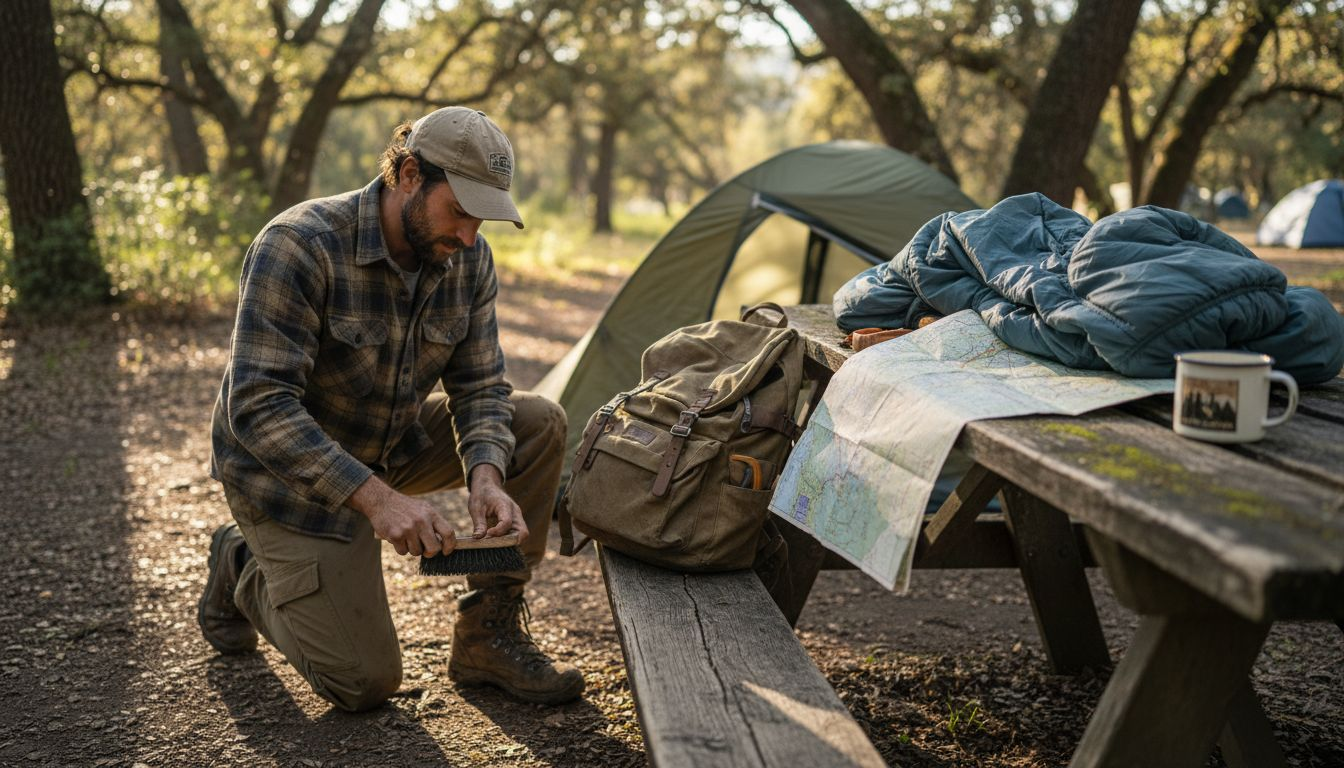
Unexpected gear failure miles from the nearest trailhead is every Pacific Northwest adventurer’s nightmare. In regions where rain, rugged terrain, and unpredictable conditions test even the most seasoned explorer, proper outdoor gear maintenance becomes a non-negotiable skill. By building a reliable toolkit, inspecting for subtle damage, and mastering repairs, you can depend on your high-performance equipment to withstand the demands of extended wilderness travel.
Quick Summary
| Key Insight | Explanation |
|---|---|
| 1. Gather essential maintenance tools | Collect soft-bristled brushes, mild soap, and a comprehensive repair kit for gear upkeep. |
| 2. Thoroughly inspect gear for damage | Check fabric integrity, mechanical components, and protective coatings before your trip. |
| 3. Clean and dry equipment properly | Use biodegradable soap and air dry gear to prevent moisture damage and extend lifespan. |
| 4. Repair damaged items efficiently | Utilize fabric patches and mechanical fixes to restore integrity and functionality of gear. |
| 5. Test gear functionality before trips | Conduct pre-adventure tests to ensure equipment operates correctly and prevents failures. |
Step 1: Gather Essential Tools and Supplies
Maintaining your outdoor gear starts with assembling a comprehensive toolkit that ensures you can handle repairs and cleaning effectively. Professional adventurers know that preparation prevents performance failures in challenging wilderness environments. You'll want to collect a range of specialized tools and supplies that cover cleaning, minor repairs, and preservation of your critical outdoor equipment.
Start by gathering these essential maintenance items:
- Soft-bristled cleaning brushes for delicate fabric and gear surfaces
- Mild biodegradable soap designed for technical outdoor fabrics
- Repair kit containing:
- Adhesive patches
- Seam sealers
- Waterproof repair tape
- Multi-tool with knife and pliers
- Fabric lubricants for zippers and moving mechanical components
- Waterproofing spray for rejuvenating gear's protective coating
Carefully storing these items in a dedicated maintenance kit ensures you're ready for outdoor gear maintenance challenges whenever they arise. By investing time in proper preparation, you'll significantly extend the lifespan of your expensive outdoor equipment.
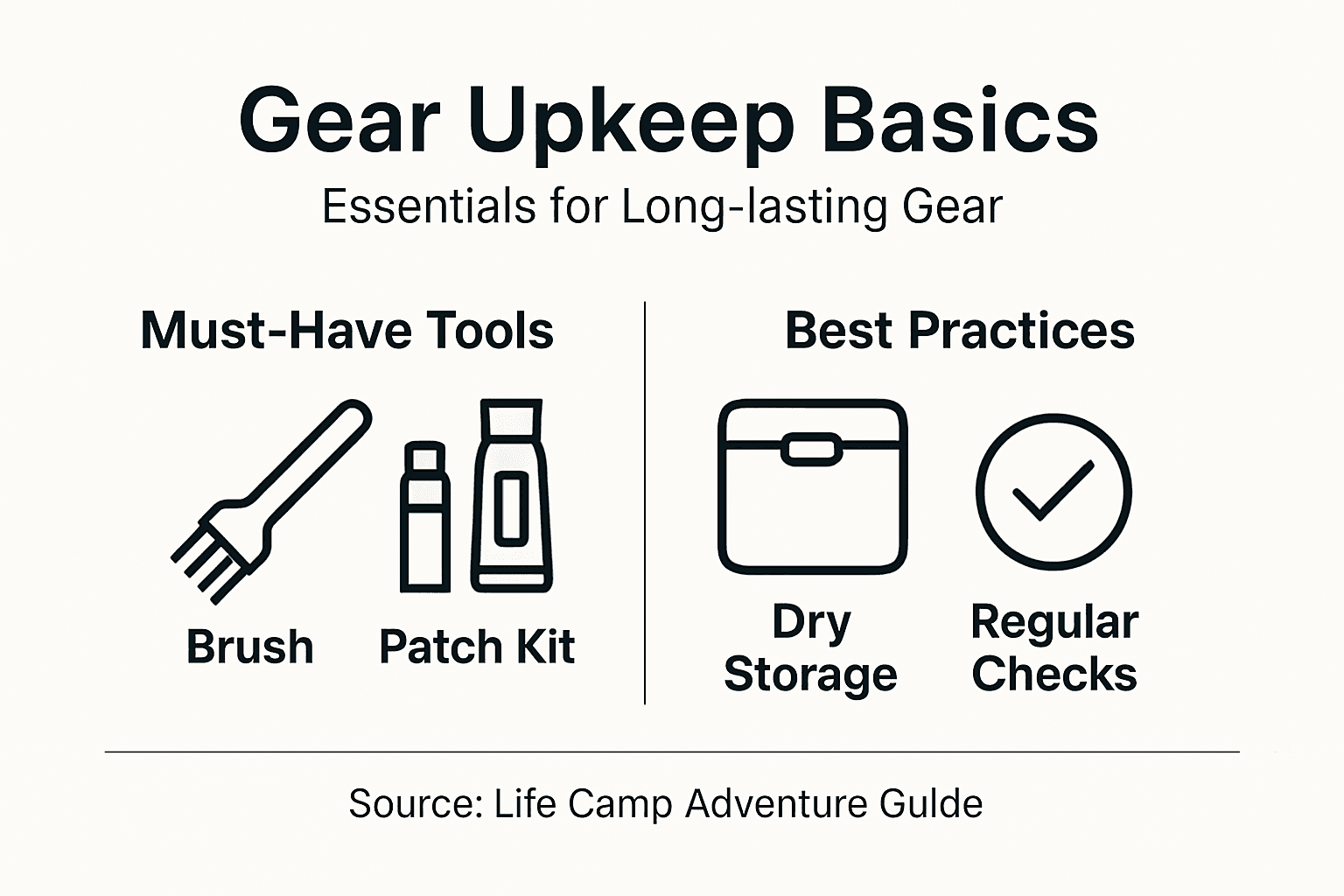
Pro tip: Store your maintenance supplies in a waterproof, compact container to keep everything organized and protected during your adventures.
Step 2: Inspect Gear for Wear and Damage
Before your next outdoor adventure, a comprehensive gear inspection is crucial to ensuring your equipment remains safe and reliable. Detecting potential damage early can prevent catastrophic failures during critical moments in the wilderness.
When conducting your detailed inspection, focus on these key areas:
- Fabric integrity: Look for:
- Small tears or punctures
- Fraying edges
- Thin or weakened material sections
- Mechanical components: Check:
- Zipper functionality
- Buckle strength
- Strap connections
- Elastic band elasticity
- Protective coatings: Examine for:
- Wear patterns
- Peeling waterproof layers
- Discoloration indicating material breakdown
Thorough gear inspection is your first line of defense against unexpected equipment failures during outdoor activities.
Pay special attention to high-stress areas like seams, attachment points, and regions that frequently contact rough surfaces. Lightweight gear requires extra care, as thin materials can degrade faster than heavier alternatives.
Pro tip: Use natural daylight or a bright lamp when inspecting gear to help reveal subtle damage that might be missed in dim lighting.
This table summarizes common inspection points and their potential impacts if not addressed:
| Inspection Area | What to Check | Risk if Ignored |
|---|---|---|
| Seams & Stitching | Fraying, loose threads | Gear may tear under stress |
| Zippers & Buckles | Smooth operation, cracks | Closure failure, loss of gear |
| Waterproofing Layer | Peeling or discoloration | Water leakage, discomfort |
| Straps & Handles | Secure attachment, elasticity | Loss of carrying capability |
Step 3: Clean and Dry All Equipment Thoroughly
Properly cleaning and drying your outdoor gear is a critical maintenance step that prevents long-term damage and extends the life of your expensive equipment. Professional adventurers know that thorough cleaning removes dirt, sweat, and potential contaminants that can degrade materials over time.
Follow these comprehensive cleaning guidelines:
- Fabric cleaning methods:
- Use mild biodegradable soap
- Avoid harsh detergents
- Wash by hand or use gentle machine cycle
- Drying techniques:
- Hang in well-ventilated area
- Avoid direct sunlight
- Never use direct heat sources
- Special care items:
- Waterproof gear: Gentle spot cleaning
- Technical fabrics: Air dry completely
- Metal components: Dry immediately after washing
Moisture is the silent enemy of outdoor gear - always ensure complete and thorough drying.
Pay special attention to hidden areas like seams, pockets, and interior linings where moisture can accumulate. Specialized cleaning products designed for technical outdoor equipment can help maintain fabric integrity and performance characteristics.
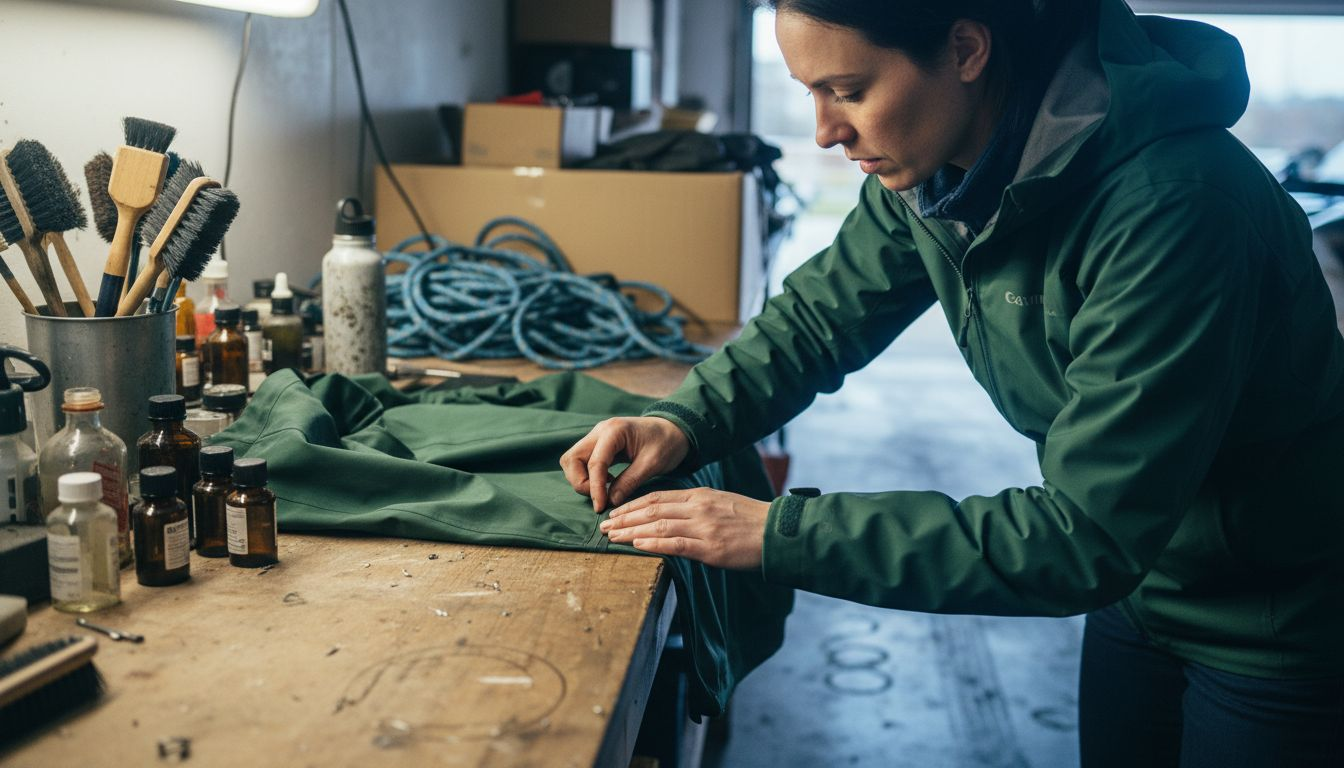
Pro tip: Invest in a specialized gear cleaning kit with microfiber cloths and gentle cleaning solutions to make the maintenance process more efficient.
Here's a quick reference for choosing the right cleaning method for different gear types:
| Gear Type | Recommended Cleaning Method | Key Drying Tip |
|---|---|---|
| Waterproof Jacket | Gentle hand wash, no detergents | Air dry, avoid sunlight |
| Hiking Boots | Brush off dirt, spot clean | Dry with newspaper inside |
| Sleeping Bag | Mild soap, front-loader washer | Hang flat, avoid heat |
| Technical Packs | Spot clean, gentle soap | Ventilated dry, unpacked |
Step 4: Repair and Recondition Damaged Items
Repairing your outdoor gear is an essential skill that can save you money and extend the life of your expensive equipment. Outdoor gear repair techniques can transform seemingly damaged items into fully functional gear with just a few strategic interventions.
Focus on these critical repair strategies:
- Fabric Repair:
- Use specialized fabric patches
- Match patch material to original gear fabric
- Apply patches with proper adhesive techniques
- Mechanical Component Fixes:
- Zipper repairs
- Buckle replacements
- Pole splinting and reinforcement
- Specialized Repair Areas:
- Waterproof seam resealing
- Elastic band replacement
- Shoe and boot resoling
A small repair today prevents a total gear failure tomorrow.
Precision repairs require patience and the right tools. Some damage might seem catastrophic but can be fixed with careful attention to detail. For complex repairs beyond your skill level, consider consulting professional gear repair services who specialize in technical outdoor equipment restoration.
Pro tip: Keep a compact repair kit with multitools, fabric patches, and strong adhesive tape in your backpack for emergency field repairs.
Step 5: Test Gear Functionality Before Next Adventure
Before heading into the wilderness, conducting a comprehensive functionality test of your outdoor equipment is crucial for ensuring your safety and performance. Rigorous pre-adventure gear testing can prevent unexpected equipment failures that could compromise your entire expedition.
Test each piece of gear systematically:
- Tent and Shelter:
- Check pole integrity
- Inspect tent fabric for tension
- Verify waterproof coating
- Clothing and Layers:
- Zip and unzip all closures
- Test layering compatibility
- Examine seam strength
- Technical Equipment:
- Verify battery-powered device functionality
- Test compression straps
- Check emergency signaling devices
A thorough equipment test is your first line of defense against potential outdoor challenges.
Performance simulation involves more than visual inspection. Actively use each item under controlled conditions that mimic potential field scenarios. Replicate the stress and environmental conditions your gear might encounter during your actual adventure.
Pro tip: Perform a full gear test at least one week before your trip to allow time for repairs or replacements.
Keep Your Outdoor Gear Ready with Life Camp Adventure
The challenge of maintaining your outdoor equipment to ensure reliability and longevity is real. You know how important it is to detect damage early and perform thorough cleaning and repairs before your next adventure. Whether it is carefully inspecting seams and zippers or applying waterproof sprays, every detail matters to protect your investment and keep you safe and comfortable outdoors. Life Camp Adventure understands these needs and offers durable camping equipment and essential gear that support your maintenance efforts.
Explore our collection of high-quality products designed with durability and ease of maintenance in mind. From rugged tents to repair-friendly backpacks and trusted survival essentials, we equip you to meet every challenge confidently. Don't wait for gear failure to disrupt your trip. Visit Life Camp Adventure now to shop reliable gear and discover expert tips that keep your equipment performing at its best. Enhance your outdoor experience today and make every adventure safer and more enjoyable.
Frequently Asked Questions
How often should I inspect my outdoor gear for wear and damage?
Regularly inspect your outdoor gear at least once every season, or before any major trip. Look for small tears, fraying, and other signs of wear to prevent unexpected failures.
What is the best way to clean my technical outdoor fabrics?
Clean your technical outdoor fabrics using a mild biodegradable soap and warm water. Avoid harsh detergents and instead, hand wash or use a gentle machine cycle to maintain the integrity of the materials.
How can I repair a small tear in my outdoor gear?
To repair a small tear, use a specialized fabric patch with a strong adhesive. Ensure that the patch material matches the original fabric and apply it according to the provided instructions for the best results.
What should I do if my gear is no longer waterproof?
If your gear is no longer waterproof, apply a waterproofing spray to rejuvenate its protective coating. Make sure to follow the product instructions and allow adequate drying time for effective results.
How can I test my gear's functionality before a trip?
Conduct a thorough functionality test by systematically checking each piece of equipment. Test all mechanical components, verify zippers and buckles, and simulate field conditions to ensure everything works correctly before heading out.
What steps can I take to prolong the life of my outdoor gear?
To prolong the life of your outdoor gear, clean it regularly, store it properly, and address repairs promptly. Implement these maintenance practices consistently to increase the lifespan of your equipment by 20% or more.
