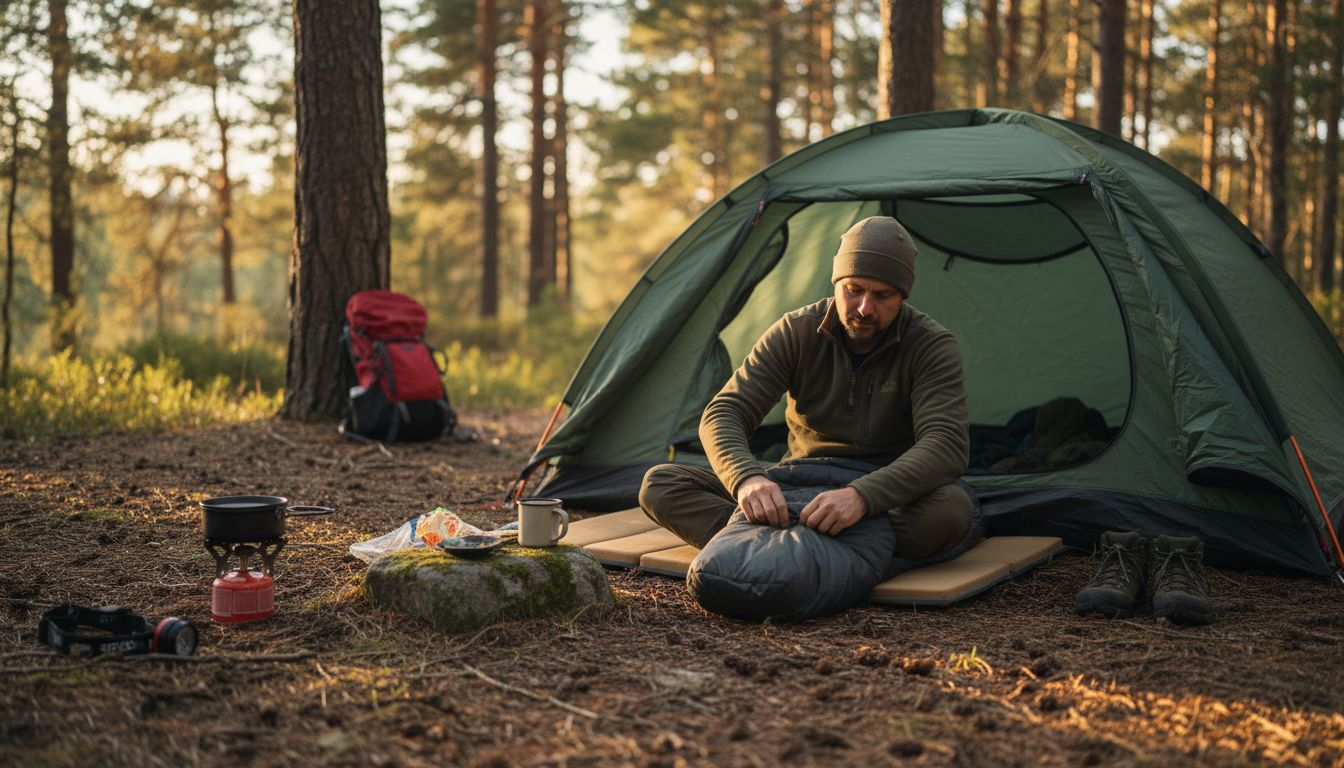
Waking up stiff and restless is a common challenge for new campers exploring American National Parks on weekend road trips. Comfort and a good night's sleep outdoors hinge on more than just your choice of gear. By focusing on choosing safe and comfortable campsites and matching your sleeping setup to the environment, you can turn outdoor overnights into relaxing escapes. This guide offers practical steps for finding better sleep under the stars so you can return from adventure feeling truly refreshed.
Quick Summary
| Key Point | Explanation |
|---|---|
| 1. Choose a safe campsite | Prioritize level ground, natural windbreaks, and proper drainage to ensure safety and comfort while sleeping outdoors. |
| 2. Gather essential sleeping gear | Select sleeping bags rated for conditions, suitable sleeping pads, and compact pillows for optimal warmth and comfort while camping. |
| 3. Properly set up your sleeping area | Clear debris, ensure flat ground, and protect against moisture to create a secure and restful sleeping environment. |
| 4. Make real-time comfort adjustments | Continuously assess and fine-tune your sleeping setup based on personal comfort, temperature, and environmental changes throughout the night. |
| 5. Secure your campsite for safety | Store food properly, maintain a clear cooking area, and ensure emergency visibility to prevent nighttime disturbances and wildlife encounters. |
Step 1: Choose a Safe and Comfortable Campsite
Selecting the right campsite can make or break your outdoor sleeping experience. This guide will walk you through finding a location that ensures both safety and comfort during your adventure.
When searching for your ideal campsite, prioritize terrain and environmental factors that contribute to a restful night. Campsite safety considerations require careful evaluation of several key elements:
- Ground surface: Look for level, dry ground with minimal rocks and roots
- Natural protection: Seek areas with natural windbreaks like trees or rock formations
- Water source proximity: Position yourself at least 200 feet from streams or lakes
- Terrain safety: Avoid low-lying areas prone to water accumulation or potential flooding
Carefully assess the landscape before setting up camp. Pay attention to overhead branches that might pose falling hazards, and inspect the ground for potential drainage issues during unexpected rainfall. Your campsite should provide a stable, comfortable foundation for sleeping.
A well-chosen campsite is your first line of defense against discomfort and potential outdoor challenges.
Wind direction and ground composition play critical roles in your site selection. Choose areas with slight elevation that allow natural wind protection while maintaining good drainage. Avoid setting up directly under dead trees or in areas with loose rock formations.
Here are key campsite risks and how to minimize them:
| Risk Factor | Common Hazards | Prevention Strategy |
|---|---|---|
| Wildlife | Animal intrusion, scavenging | Use bear-proof storage, set kitchen away from sleeping area |
| Weather | Rain, wind, flooding | Select elevated, sheltered site and secure tarp |
| Terrain | Uneven ground, loose rocks | Clear debris, inspect site before pitching tent |
Pro tip: Always scout your campsite during daylight hours to thoroughly assess potential risks and optimize your sleeping setup.
Step 2: Gather Essential Sleeping Gear
Preparing the right sleeping gear is crucial for a comfortable night under the stars. This section will help you select the perfect equipment to ensure warmth, comfort, and a restful outdoor sleeping experience.
Outdoor sleep system selection involves carefully choosing components that work together to protect you from the elements. Your essential sleeping gear should include:
- Sleeping bag: Rated for the expected temperature range
- Sleeping pad: Provides insulation and cushioning from the ground
- Pillow: Compact and lightweight options designed for camping
- Extra layers: Thermal base layers and warm clothing for nighttime
When selecting your sleeping bag, pay close attention to temperature ratings and insulation type. Synthetic insulation performs better in damp conditions, while down provides exceptional warmth-to-weight ratio for dry environments. Your sleeping pad is equally important - look for options with appropriate R-value for your expected terrain and season.
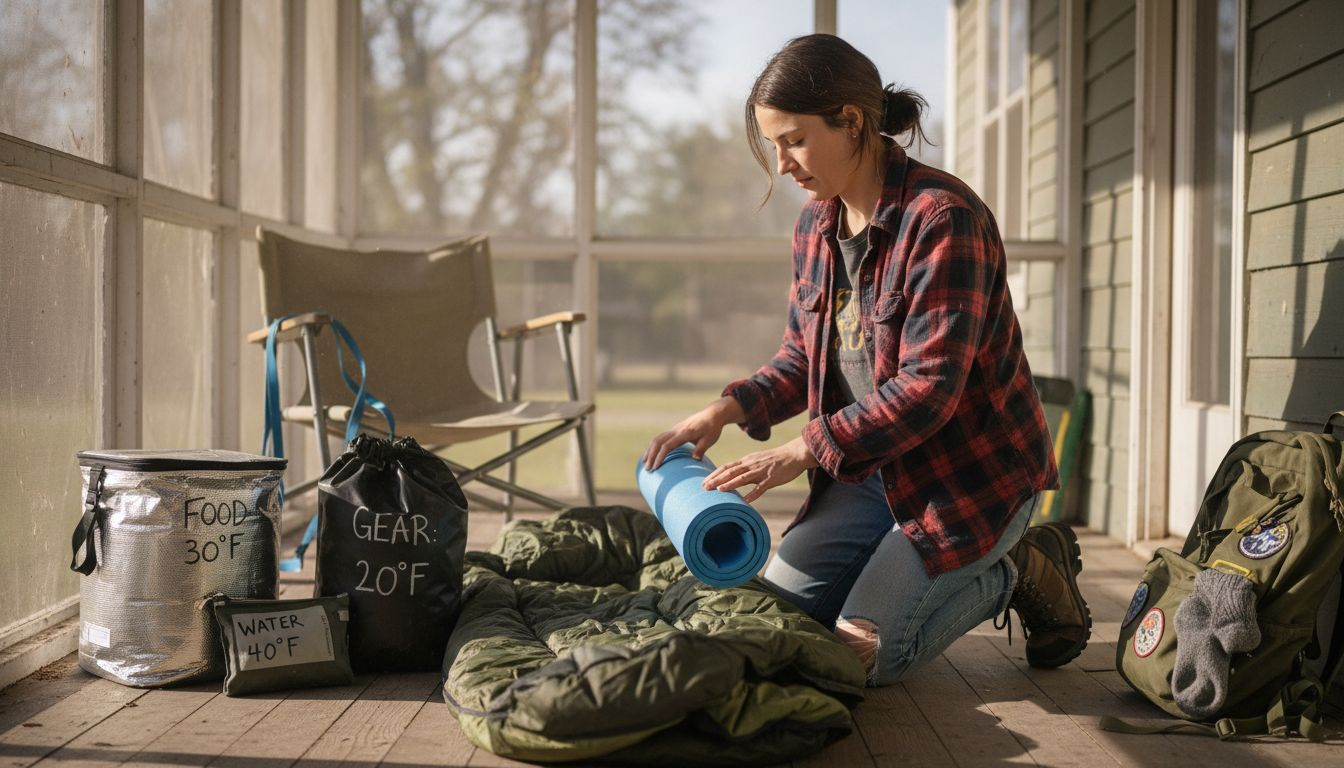
Here's a comparison of sleeping bag insulation types for different camping environments:
| Insulation Type | Best For | Pros | Cons |
|---|---|---|---|
| Synthetic | Damp, wet climates | Retains warmth when wet | Heavier, less compressible |
| Down | Dry, cold environments | Very lightweight, packs small | Loses warmth if wet |
| Hybrid | Variable conditions | Balances performance and weight | Can be more expensive |
The right combination of sleeping gear can transform a potentially uncomfortable night into a cozy outdoor retreat.
Consider the specific conditions of your camping destination. Mountainous areas require different gear than desert or coastal environments. Layering your sleeping system allows for maximum flexibility in changing weather conditions.
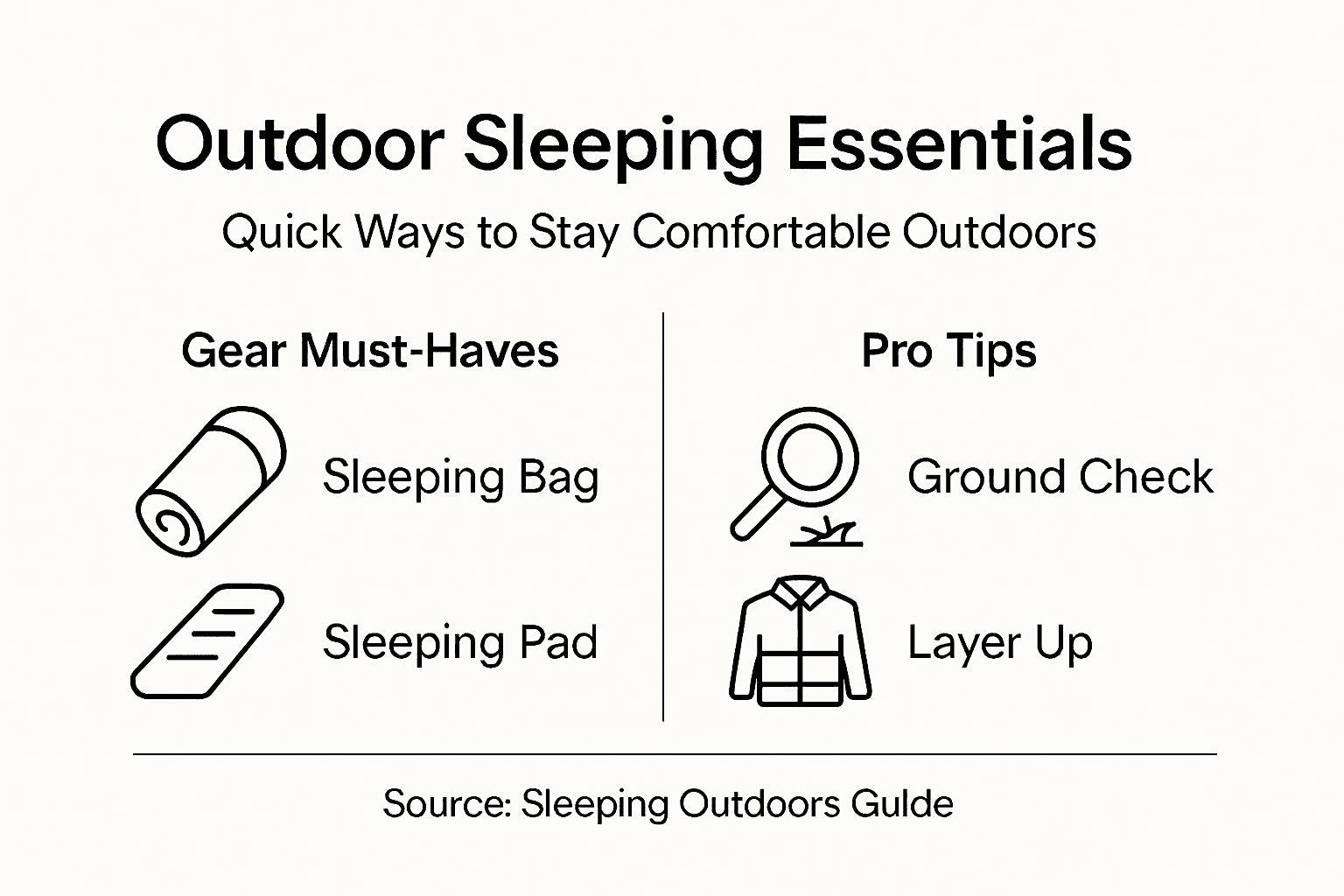
Pro tip: Test your sleeping gear at home before your trip to ensure proper fit and comfort, and make any necessary adjustments before heading into the wilderness.
Step 3: Set Up Your Sleeping Area Properly
Creating a comfortable and safe sleeping space is crucial for enjoying your outdoor adventure. Understanding how to arrange your sleeping area can mean the difference between a restful night and a miserable experience.
Campsite sleeping arrangements require careful attention to several key factors that ensure your comfort and safety. Before settling in for the night, follow these essential setup guidelines:
- Clear the ground: Remove rocks, sticks, and other debris that could cause discomfort
- Check surface levelness: Find as flat a surface as possible
- Protect from moisture: Use a ground tarp or additional waterproof layer
- Position strategically: Avoid low-lying areas and potential water drainage paths
Pay special attention to your tent placement and sleeping pad positioning. Your sleeping pad should provide a barrier between you and the ground, offering both insulation and cushioning. Arrange your sleeping bag carefully, ensuring it's spread out evenly and free from any bunching that could create cold spots.
A well-prepared sleeping area is the foundation of a successful outdoor sleeping experience.
Wind direction and potential weather changes should influence your setup. Position your sleeping area to minimize exposure to potential gusts, and ensure your gear is protected from potential morning dew or unexpected rainfall. Layering your sleeping system with appropriate insulation will help maintain body heat throughout the night.
Pro tip: Always do a quick ground check and gear arrangement before full darkness sets in, giving yourself ample time to make comfortable adjustments.
Step 4: Test and Adjust for Maximum Comfort
Creating the perfect outdoor sleeping setup requires ongoing fine-tuning and personal adaptation. Your initial arrangement is just the starting point for a comfortable night under the stars.
Carefully evaluate your sleeping environment by making incremental adjustments that address comfort, temperature, and personal preferences. Consider these key strategies for optimizing your sleeping area:
- Body positioning: Ensure your sleeping pad and bag are aligned for maximum support
- Temperature regulation: Add or remove layers based on actual temperature
- Insulation check: Assess whether your current setup provides adequate warmth
- Personal comfort: Make small modifications to reduce pressure points
Pay attention to how your body responds to different configurations. Some campers find that slight variations in sleeping pad placement or bag orientation can dramatically improve overall comfort. Layering techniques can help you quickly adapt to temperature fluctuations during the night.
Comfort is a personal journey - what works for one camper might not work for another.
Be prepared to make real-time adjustments as conditions change. Wind direction, ground temperature, and humidity can all impact your sleeping experience. Adaptive sleeping strategies will help you maintain comfort throughout the night.
Pro tip: Keep a lightweight, packable extra layer within easy reach so you can quickly adjust your warmth without fully exiting your sleeping bag.
Step 5: Secure Your Camp for a Restful Night
Ensuring the safety and security of your campsite is crucial for enjoying a peaceful outdoor sleeping experience. Proper preparation can protect you from wildlife, environmental risks, and unexpected challenges.
Campsite safety protocols involve strategic planning and careful organization. Follow these essential guidelines to create a secure nighttime environment:
- Food storage: Keep all food in sealed, wildlife-resistant containers
- Cooking area: Establish a separate zone at least 200 feet from sleeping spaces
- Emergency visibility: Use reflective markers or lighting to highlight your campsite
- Communication devices: Keep phones or emergency devices fully charged and accessible
Understand the specific wildlife risks in your camping area. Some regions require special precautions like hanging food bags or using bear-proof containers. Perimeter awareness means checking your surroundings and creating clear boundaries that deter potential wildlife interactions.
A well-secured campsite is your first defense against unexpected nighttime disruptions.
Pay attention to environmental conditions that might compromise your safety. Check for potential hazards like dead branches overhead, uneven terrain, or areas prone to water accumulation. Strategic campsite selection can significantly reduce risks and enhance your overall comfort.
Pro tip: Create a small emergency kit with a flashlight, whistle, and basic first aid supplies, and keep it within arm's reach during the night.
Gear Up for Cozy Outdoor Nights with Confidence
Struggling to find the perfect balance between comfort and safety while sleeping outdoors? This guide highlights key challenges like selecting the right campsite, setting up your sleeping area properly, and choosing the ideal sleeping gear to keep you warm and rested. At Life Camp Adventure, we understand how crucial it is to have reliable equipment that supports every step of your outdoor sleeping experience—including protection from weather, insulation from the ground, and secure food storage to keep wildlife away.
Explore our range of high-quality camping essentials designed to solve these exact problems. From weather-rated sleeping bags and insulated sleeping pads to durable tarps and secure storage solutions, every product is crafted to elevate your outdoor comfort and safety. Don't wait for another restless night outdoors. Visit Life Camp Adventure now to find gear that transforms your campsite setup and helps you sleep soundly under the stars. Ready to experience cozy outdoor nights easily? Start your adventure today at Life Camp Adventure and ensure your next trip is your best yet.
Frequently Asked Questions
How can I choose a safe and comfortable campsite for sleeping outdoors?
Selecting a safe and comfortable campsite involves evaluating terrain, environmental factors, and potential risks. Look for level, dry ground with natural windbreaks, and position your site at least 200 feet away from water sources to ensure a restful night.
What essential sleeping gear do I need for a cozy outdoor night?
For a comfortable outdoor sleeping experience, gather a sleeping bag rated for your expected temperature, a sleeping pad for insulation, a compact pillow, and extra thermal layers. Invest in quality gear that suits your camping environment to maximize comfort.
How should I set up my sleeping area for maximum comfort and safety?
To create a comfortable sleeping area, clear the ground of rocks and debris and ensure your tent is on a flat surface to avoid discomfort. Use a ground tarp for moisture protection and strategically position your gear to minimize exposure to wind and potential hazards.
What adjustments can I make during the night to enhance my outdoor sleeping comfort?
Make incremental adjustments to your sleeping setup based on your comfort needs, including repositioning your sleeping pad or adding/removing layers for temperature control. Pay attention to your body's response and adapt as necessary to ensure a restful night.
How do I secure my campsite to prevent disturbances while I sleep outdoors?
To secure your campsite, store food in wildlife-resistant containers, keep your cooking area at least 200 feet away from your sleeping space, and use reflective markers for visibility. Prepare an emergency kit with basic supplies to be ready for unexpected situations during the night.
