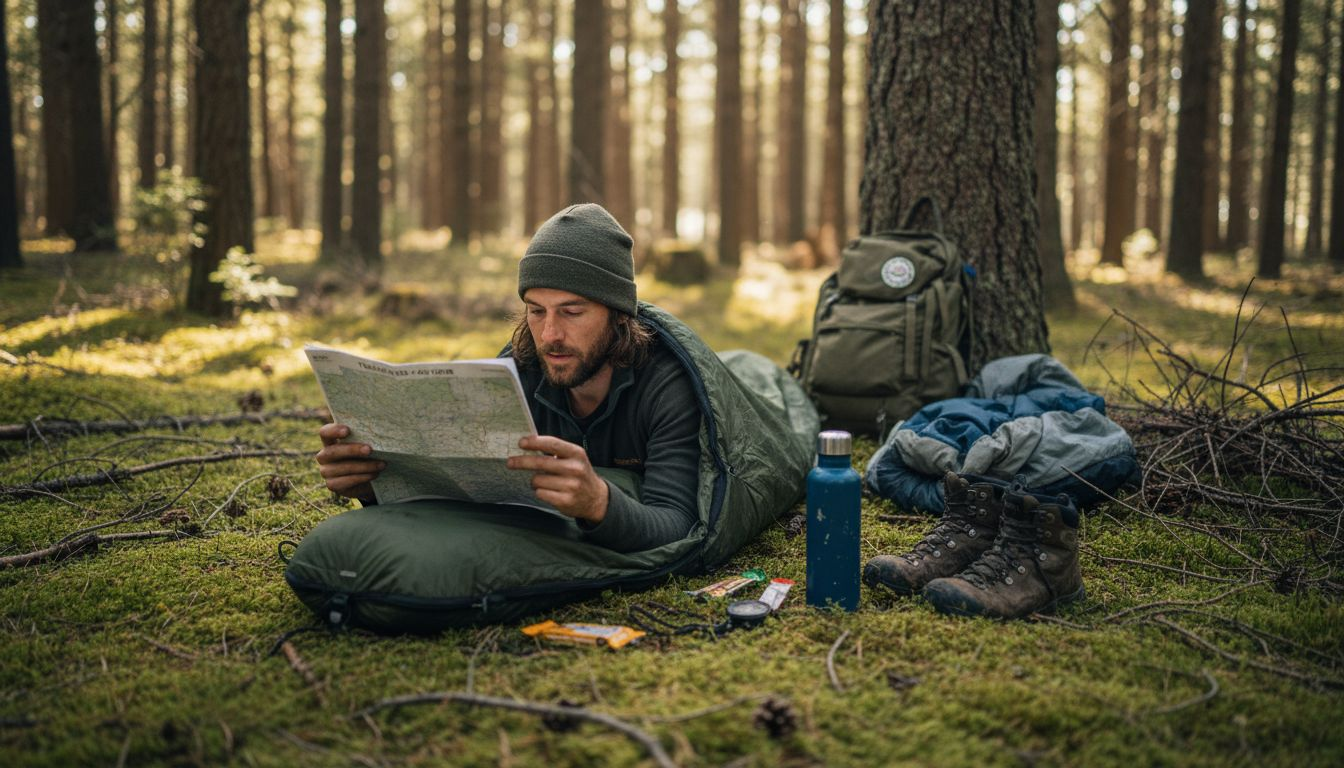
Finding the right balance between weight and shelter is a challenge every outdoor enthusiast faces, especially in the unpredictable weather of the Pacific Northwest. For beginner bivvy campers, understanding the difference between a simple bivvy sack and more advanced minimalist shelters is key to enjoying quick overnight trips comfortably. This article explores ultralight protection options, clears up common misconceptions, and helps you choose gear that keeps you dry and agile while connecting you to the local trails.
Key Takeaways
| Point | Details |
|---|---|
| Bivvy Camping Emphasizes Minimalism | Bivvy camping provides a lightweight alternative to traditional camping, focusing on mobility and simplicity. |
| Common Misconceptions Addressed | Bivvy shelters offer more than sleeping bags, featuring waterproof materials and quick setup capabilities. |
| Gear Requirements Are Essential | Proper gear selection, including breathable bivvy bags and insulation, is crucial for comfort and safety. |
| Preparation Is Key for Success | Successful bivvy camping relies on strategic site selection and adaptability to environmental conditions. |
Bivvy Camping Defined and Misconceptions
Bivvy camping represents an ultralight outdoor sleeping approach that challenges traditional camping norms. Unlike standard tent camping, bivvies offer minimalist adventurers a stripped-down shelter solution that prioritizes portability and simplicity.
At its core, a bivvy (short for bivouac shelter) is a compact, lightweight sleeping system designed to protect campers from environmental elements while maintaining an incredibly small footprint. Modern bivvy shelters range from basic waterproof sacks to more sophisticated designs that provide nuanced protection without the bulk of traditional camping gear.
Common misconceptions about bivvy camping often revolve around comfort and protection. Many people assume bivvies are just glorified sleeping bags, but these specialized shelters actually offer sophisticated features:
- Waterproof and windproof exterior materials
- Breathable fabric technologies
- Compact design under 1 pound in weight
- Rapid deployment in challenging terrain
- Minimal setup requirements
Bivvy camping attracts outdoor enthusiasts who prioritize mobility, speed, and a closer connection with their surrounding environment. Mountaineers, ultralight backpackers, and solo adventurers frequently choose bivvy systems for their exceptional weight-to-protection ratio.
Bivvy camping isn't about surviving - it's about experiencing the outdoors with minimal interference between you and the landscape.
Pro tip: Always check local regulations and weather conditions before attempting bivvy camping, as some environments require more substantial shelter protection.
Popular Bivvy Bag Types Explained
Bivvy bags represent a diverse world of ultralight shelter solutions, each designed to meet specific outdoor challenges. Lightweight waterproof bivy sacks provide adventurers with flexible protection options that dramatically reduce pack weight and increase mobility.
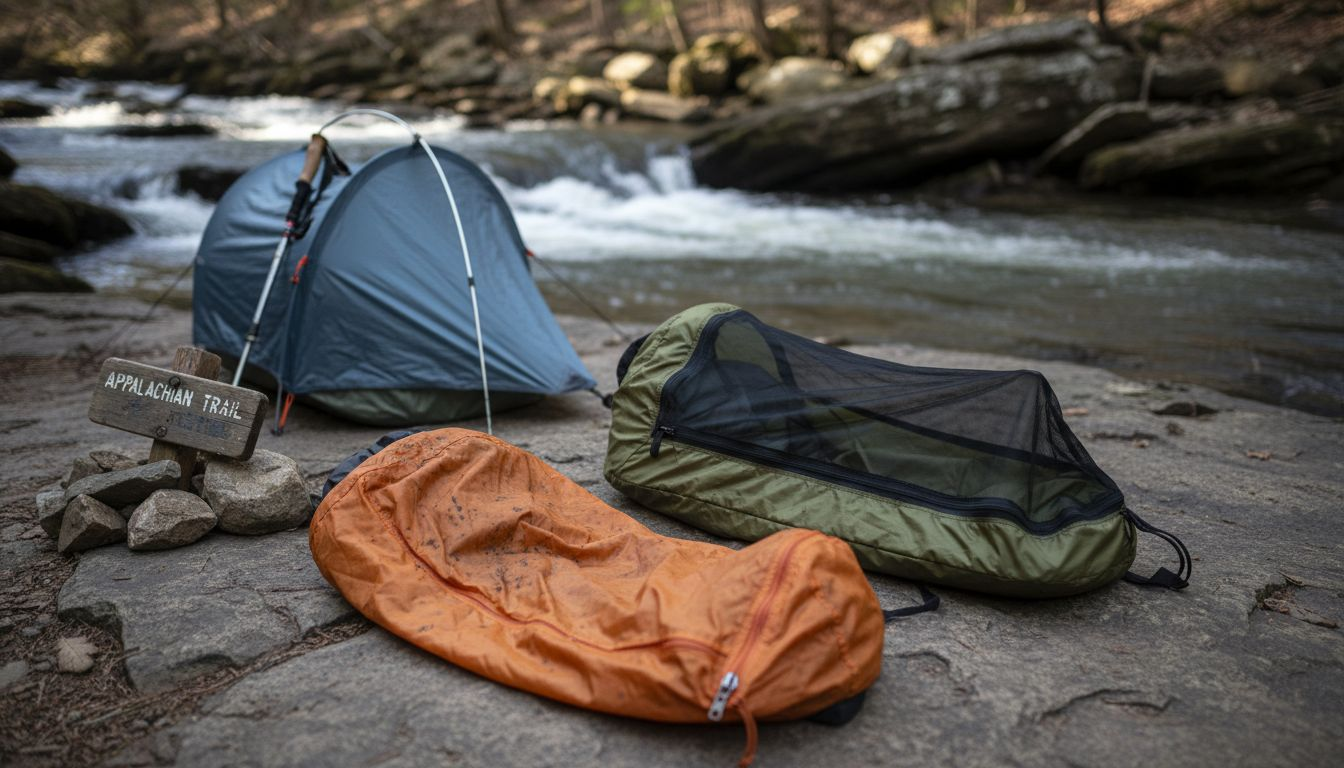
Basic Bivy Sacks are the most fundamental type, essentially a waterproof shell that covers a sleeping bag completely. These minimalist designs offer essential weather protection while maintaining an incredibly compact profile. They're perfect for ultralight backpackers and minimalist adventurers who prioritize weight savings over spacious accommodations.
More advanced bivvy options include enhanced designs with innovative features:
- Breathable membrane materials
- Small integrated hoop poles
- Additional ventilation options
- Face clearance mechanisms
- Compact emergency shelter configurations
Advanced Bivy Tents represent a significant evolution in shelter design. These models incorporate lightweight poles that create a small overhead space, lifting the fabric away from the user's face and improving overall comfort. They offer a critical balance between protection and weight, making them ideal for mountaineers and solo travelers who need reliable shelter without bulk.
Not all bivvy bags are created equal - the right choice depends entirely on your specific adventure and environmental conditions.
Specialized variants cater to different outdoor scenarios, from emergency rescue situations to alpine expeditions. Some ultralight models weigh less than a pound, while more robust designs provide enhanced protection for extreme environments.
Here's a side-by-side look at how different bivvy bag types are best matched to outdoor needs:
| Bivvy Type | Ideal User Profile | Primary Benefit |
|---|---|---|
| Basic Bivy Sack | Ultralight backpacker | Minimal weight, small pack size |
| Advanced Bivy (hoop/pole) | Solo mountaineer | Enhanced comfort and face space |
| Emergency Bivy | Day hiker, survivalist | Instant protection, use in emergencies |
| Four-Season Bivy | Winter camper | Extreme weather resilience |
Pro tip: Always match your bivvy bag to your specific trip's climate and terrain for optimal performance and comfort.
How a Bivvy Setup Works for Campers
Bivvy camping represents an ultralight approach to overnight outdoor shelter that prioritizes simplicity and mobility. Rapid deployment techniques allow adventurers to create a protective sleeping environment in minutes, transforming any terrain into a potential campsite.
The core of a bivvy setup typically involves three primary components: a waterproof bivy sack, a sleeping bag, and optional supplementary gear like a lightweight tarp. Campers begin by selecting a suitable ground location, preferably with natural windbreaks or slight elevation to minimize moisture accumulation. The process is straightforward: unroll the bivy sack, insert the sleeping bag, and create a compact, weather-resistant sleeping system.
Key considerations for an effective bivvy setup include:
- Choosing flat, debris-free ground
- Checking for potential water runoff areas
- Positioning near natural shelter like rock formations
- Ensuring good ground insulation
- Maintaining adequate ventilation around the bag
Advanced bivvy setups often incorporate additional protective elements. Some adventurers use ultralight tarps to create additional weather protection or wind barriers, transforming the minimalist shelter into a more comprehensive camping solution. The flexibility of bivvy systems allows for quick adjustments based on changing environmental conditions.
A successful bivvy setup is less about complex gear and more about smart terrain selection and adaptive thinking.
Modern bivvy bags come with innovative features like breathable membranes, integrated bug nets, and compact design elements that enhance comfort without sacrificing the ultralight philosophy. These technological improvements have dramatically expanded the usability of bivvy camping across different environments and seasons.
Pro tip: Practice your bivvy setup at home before heading into the wilderness to understand your gear and build confidence in your outdoor shelter skills.
Essential Gear for Safe Overnight Stays
Preparing for a successful bivvy camping experience requires carefully selected gear that balances protection, comfort, and weight efficiency. Wilderness safety essentials go far beyond simply packing a sleeping bag and hoping for the best.
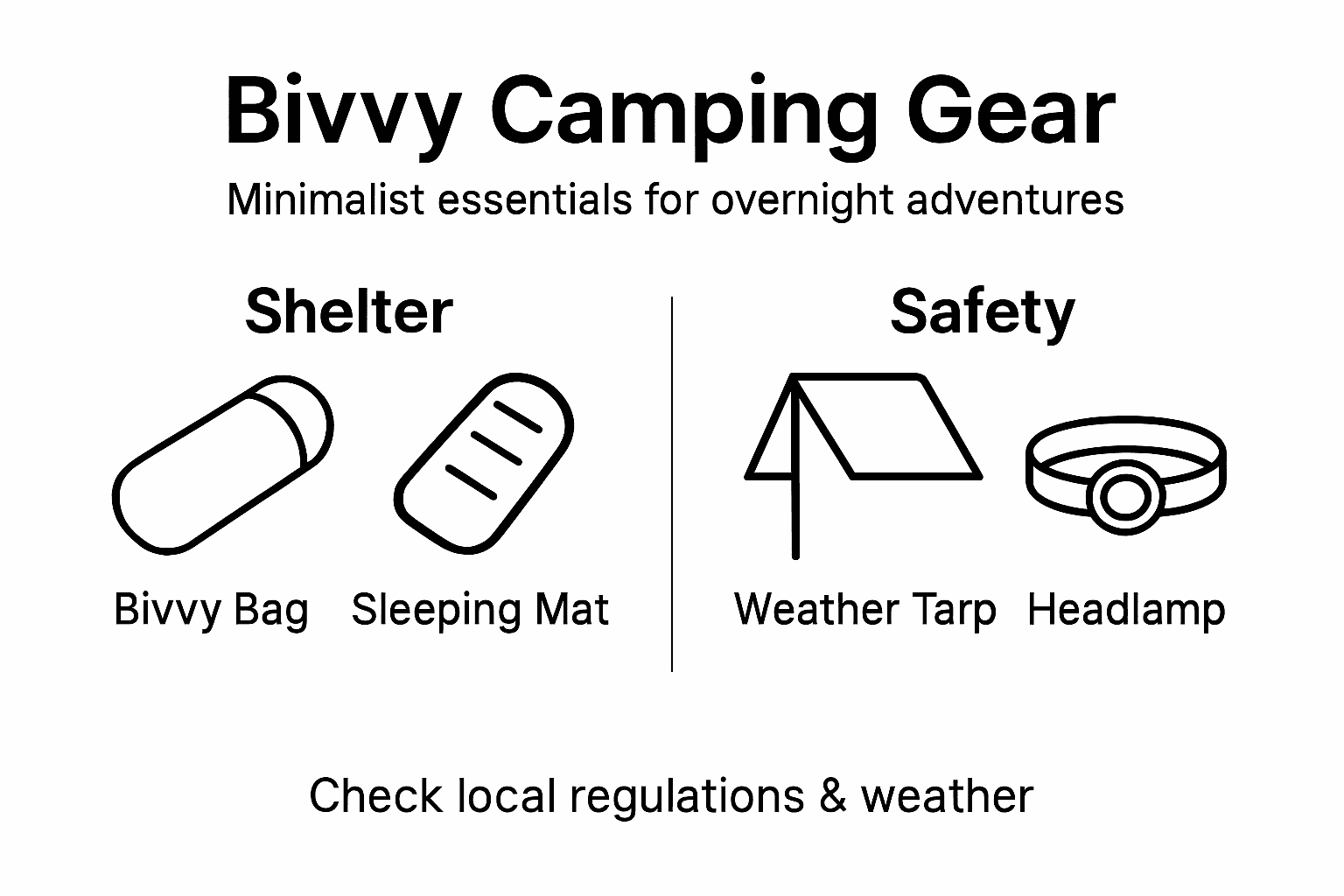
Core Protective Equipment forms the foundation of a safe overnight bivvy setup. This includes a high-quality, waterproof bivvy bag designed to shield you from wind, rain, and unexpected temperature drops. The right bivvy bag acts as your primary defense against environmental challenges, creating a microclimate that keeps you warm and dry throughout the night.
Essential gear for safe bivvy camping includes:
- Waterproof and breathable bivvy bag
- Insulated sleeping mat with good ground insulation
- Temperature-rated sleeping bag
- Lightweight emergency tarp
- Compact first aid kit
- Reliable headlamp
- Water filtration system
- Navigation tools (map, compass, GPS)
- Emergency communication device
Additional considerations involve understanding the specific environmental conditions of your camping location. Seasonal variations demand different gear configurations, with winter bivvy setups requiring more robust thermal protection compared to summer expeditions. Layering techniques and moisture-wicking clothing become critical components of your overall safety strategy.
Successful bivvy camping is about intelligent preparation, not just accumulating equipment.
Technological advancements have significantly improved bivvy gear, offering ultralight solutions that provide maximum protection with minimal weight penalty. Modern materials like advanced synthetic insulations and waterproof-breathable membranes have revolutionized outdoor sleeping systems, making bivvy camping more accessible and comfortable than ever before.
Pro tip: Always test and familiarize yourself with your bivvy gear in controlled environments before attempting overnight wilderness stays.
Comparing Bivvy Camping to Tent Camping
Bivvy camping represents a radical departure from traditional tent camping, offering outdoor enthusiasts a minimalist approach to overnight shelter. Ultralight camping alternatives challenge conventional camping wisdom by prioritizing mobility and simplicity over comfort and space.
At the core of this comparison, several key differences emerge between bivvy and tent camping. Tents provide spacious interiors, allowing campers to move, change clothes, and store gear comfortably. Bivvy bags, by contrast, are essentially weatherproof sleeping bag covers that offer minimal interior space, forcing a more streamlined and intentional approach to outdoor sleeping.
Key comparative aspects include:
- Weight and portability
- Bivvy: Under 1 pound
- Tent: 2-5 pounds
- Setup time
- Bivvy: 1-2 minutes
- Tent: 10-15 minutes
- Interior space
- Bivvy: Minimal, body-sized
- Tent: Roomy, multiple configurations
- Weather protection
- Bivvy: Direct exposure
- Tent: Comprehensive shelter
- Versatility
- Bivvy: Extreme environments
- Tent: General camping conditions
Advanced outdoor enthusiasts appreciate bivvy camping for its raw connection with the environment. The reduced barrier between the camper and nature creates a more immersive experience, though it demands higher personal resilience and adaptability.
Choosing between a bivvy and a tent isn't about superiority, but about matching your shelter to your specific adventure and personal comfort threshold.
Modern bivvy designs have significantly improved, incorporating breathable membranes and innovative materials that address traditional limitations. These advancements make bivvy camping increasingly attractive for ultralight backpackers, mountaineers, and solo adventurers seeking maximum mobility.
Pro tip: Start with short overnight trips to build confidence and understanding of your bivvy system before attempting extended wilderness expeditions.
Common Challenges and How to Avoid Them
Bivvy camping demands a strategic approach to overcome inherent environmental challenges. Proactive camping strategies can transform potential obstacles into manageable experiences for adventurous outdoor enthusiasts.
Condensation Management represents one of the most significant hurdles in bivvy camping. The confined space between your body and the waterproof shell creates a moisture-rich environment that can lead to uncomfortable and potentially dangerous wet conditions. Advanced bivvy materials now incorporate breathable membranes that help mitigate this issue, but strategic ventilation remains crucial.
Common bivvy camping challenges include:
- Moisture buildup inside the bivvy sack
- Limited protection from insects
- Temperature regulation difficulties
- Restricted movement and comfort
- Exposure to harsh weather conditions
- Rapid heat loss during night
- Challenging site selection
Environmental adaptability distinguishes successful bivvy campers from novices. Understanding microclimate dynamics, selecting protected campsites, and carrying appropriate layered clothing can dramatically improve your overnight experience. Lightweight tarps provide an excellent supplementary protection strategy, creating additional shelter and ventilation options.
The table below highlights top strategies for overcoming common bivvy camping challenges:
| Challenge | Practical Solution | Key Equipment |
|---|---|---|
| Condensation | Create cross-ventilation | Breathable bivvy material |
| Insect exposure | Use integrated bug net | Bivy with mesh insert |
| Heat loss | Add ground insulation | High-R value sleeping mat |
| Water runoff | Choose elevated site | Waterproof groundsheet |
Bivvy camping success depends more on preparation and adaptability than on equipment complexity.
Technological innovations continue to address traditional bivvy camping limitations. Modern designs incorporate advanced materials that balance waterproofing, breathability, and weight, making extreme environment camping increasingly accessible to adventurers willing to develop specialized skills.
Pro tip: Practice setting up and using your bivvy system in controlled environments before attempting challenging wilderness trips.
Discover Your Ideal Bivvy Gear for Ultimate Outdoor Freedom
Bivvy camping challenges you to balance ultralight mobility with reliable protection from harsh weather and condensation. If you want to conquer common bivvy pain points like moisture buildup, heat loss, and limited space while still experiencing the raw beauty of nature, the right gear is essential. At Life Camp Adventure, we understand the need for compact, durable, and breathable bivvy solutions that empower adventurers to feel confident and comfortable no matter the terrain or climate.
Explore our selection of high-quality bivvy bags, insulated sleeping mats, and weather-resistant tarps designed to maximize protection without sacrificing weight. Whether you are a solo mountaineer seeking enhanced comfort or an ultralight backpacker focused on minimal pack size, our gear helps you set up quickly and stay safe. Take the next step toward mastering bivvy camping by visiting Life Camp Adventure today and equip yourself for lightweight outdoor freedom with reliable products that perform. Don’t wait to elevate your wilderness experience with gear built for real explorers who embrace adaptive and smart camping strategies.
Frequently Asked Questions
What is bivvy camping?
Bivvy camping is an ultralight outdoor sleeping method that uses minimalist shelters known as bivvy bags to provide protection from the elements while prioritizing portability and simplicity.
How does a bivvy setup work?
A bivvy setup typically involves unrolling a waterproof bivy sack, inserting a sleeping bag inside, and selecting a suitable ground location. It can be set up quickly, often in 1-2 minutes, transforming any terrain into a potential campsite.
What are the main types of bivvy bags?
The main types of bivvy bags include basic bivy sacks, advanced bivy tents with integrated poles, emergency bivy bags, and four-season bivies designed for extreme weather. Each type caters to different outdoor needs and environments.
What are common challenges faced in bivvy camping and how can they be avoided?
Common challenges include condensation buildup, insect exposure, and temperature regulation. These can be mitigated by using breathable bivvy materials, integrated bug nets, proper insulation, and selecting elevated, protected campsites.
Recommended
- Ultralight Camping: Transforming Weekend Adventures
- 1-Person Backpacking Tent; Lightweight and PU 5000mm Waterproof for Camping Tra
- 7 Essential Types of Camping Shelters Explained for Campers
- Why Choose Ultralight Tents for Outdoor Adventures
- How Hiking Trails Can Build Lean Leg Muscles? - LeanAndFit
- Bivy Vs Tent: Choose The Ultimate Adventure Shelter - Tent Explorer
- 7 Essential Examples of Outdoor Sleeping Gear for Comfort – Hazli Collection
