What Is Family Camping? Outdoor Bonds That Last
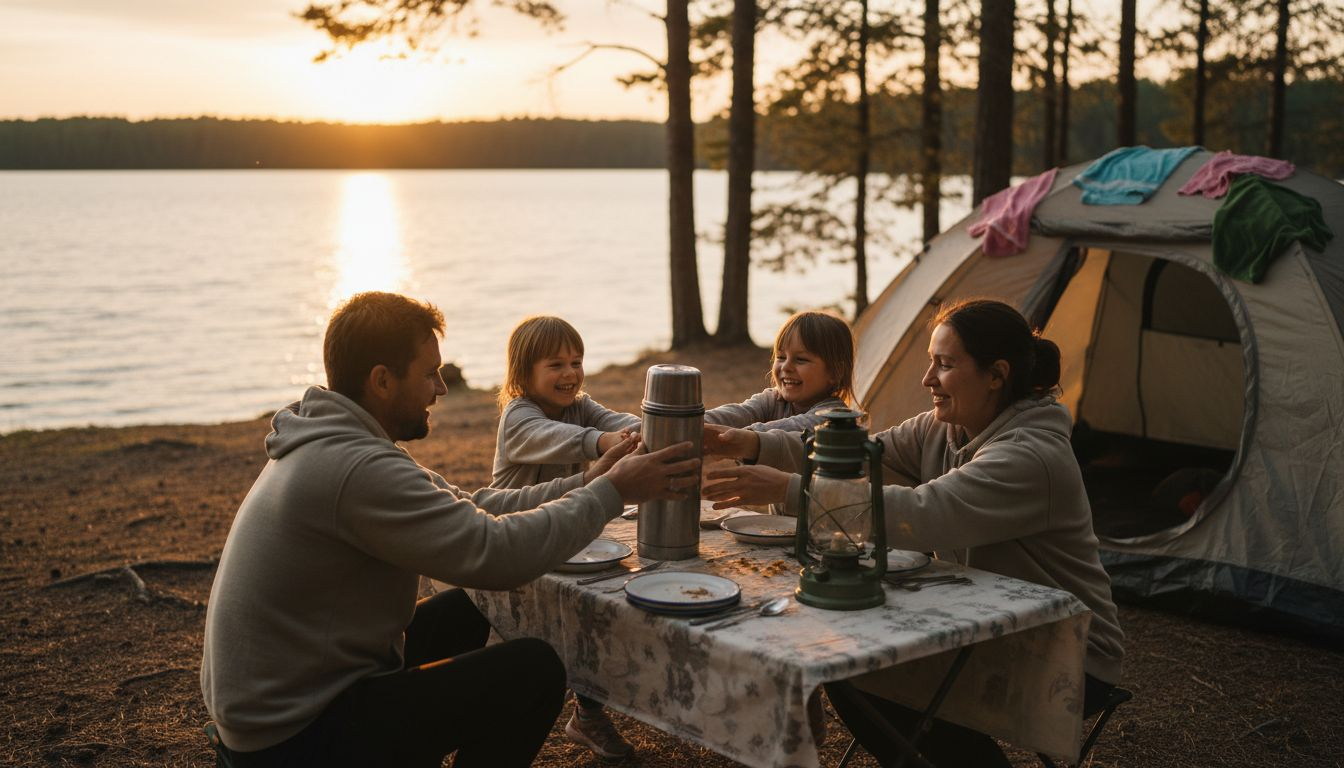
Most American families believe camping is only for outdoor experts or those with expensive gear, yet nearly 60 percent of kids in the United States have never even tried sleeping outside with their parents. For families with young children, camping is about togetherness, not survival skills or fancy equipment. Discover how American families can turn local parks or even their own backyard into easy, fun-filled escapes with approachable gear and a fresh perspective.
Key Takeaways
| Point | Details |
|---|---|
| Family Camping Creates Bonds | Family camping focuses on shared experiences that strengthen family connections away from technology and daily distractions. |
| Variety of Camping Styles | Families can choose from various camping styles, including tent, RV, cabin, or glamping options to match their comfort levels and preferences. |
| Essential Gear and Safety | Proper gear and safety preparation are vital for a successful camping experience, ensuring everyone is comfortable and secure outdoors. |
| Developmental Benefits | Camping offers children opportunities to learn important life skills while fostering stronger relationships through shared experiences among family members. |
Defining Family Camping and Common Misconceptions
Family camping is more than just pitching a tent and roasting marshmallows - it's a transformative experience that creates lasting memories and strengthens family connections. Unlike traditional camping, family camping focuses on shared outdoor experiences designed to bring parents and children closer together through purposeful activities and quality time away from daily distractions.
Contrary to popular belief, family camping isn't exclusively about wilderness survival or expensive equipment. Family camps range from residential multi-day experiences to day sessions featuring activities like hiking, swimming, and arts and crafts, emphasizing relationship building and skill development. The core purpose is creating opportunities for families to unplug from technology, engage in healthy activities, and develop stronger interpersonal skills.
Most families misunderstand family camping as requiring extensive outdoor expertise or significant financial investment. In reality, family camping can be as simple as a local campground weekend or a backyard tent adventure. Successful family camping hinges on attitude, shared enthusiasm, and willingness to learn together. The goal isn't perfection but creating meaningful connections through shared experiences in nature.
Pro tip: Start with short, local camping trips to build confidence and gradually expand your family's outdoor adventure skills without overwhelming everyone.
Popular Types of Family Camping Experiences
Camping experiences for families range widely, offering something for every comfort level and adventure preference. From rustic tent sites to fully equipped recreational vehicles, modern families can choose camping styles that match their outdoor skills, budget, and desired experience. Understanding these options helps families select the most appropriate camping approach that will create lasting memories.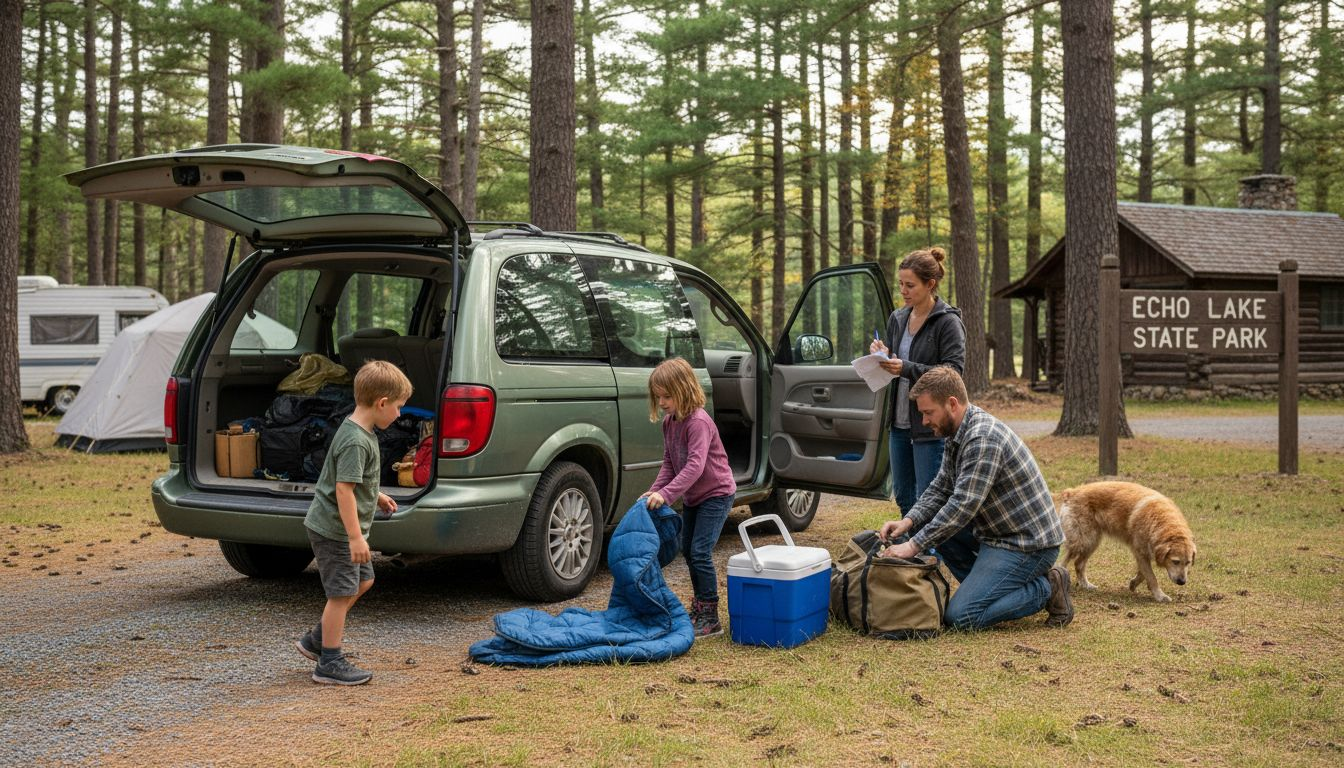
The primary types of family camping experiences include traditional tent camping, RV camping, cabin camping, and the increasingly popular glamping. Tent camping remains the most classic approach, allowing families to experience nature directly with minimal technological interference. RV camping provides more comfort and convenience, with built-in amenities like refrigeration, sleeping areas, and sometimes even bathroom facilities. Cabin camping offers a middle ground, providing shelter and basic infrastructure while maintaining a connection to the outdoors.
Glamping has emerged as a contemporary camping option, blending luxury with outdoor experiences. These sites often feature pre-installed tents or cabins with comfortable beds, electricity, and sometimes even gourmet dining options. This style appeals to families who want to experience nature without sacrificing comfort. Each camping type offers unique advantages, from the raw authenticity of tent camping to the convenience of RV travel and the comfort of glamping.
Here's a quick comparison of popular family camping styles and their key characteristics:
| Camping Style | Comfort Level | Typical Amenities | Best For |
|---|---|---|---|
| Tent Camping | Basic | Minimal gear, natural setting | Adventurous families |
| RV Camping | High | Beds, kitchen, restroom | Families seeking comfort |
| Cabin Camping | Moderate | Beds, shelter, plumbing | Mixed experience levels |
| Glamping | Luxury | Gourmet meals, electricity | Luxury-seeking families |
Pro tip: Start with a camping style that matches your family's comfort level and gradually explore more adventurous options as your outdoor skills improve.
Essential Features and Gear for Families
Essential camping gear for families represents more than just equipment - it's the foundation of a safe and enjoyable outdoor experience. Selecting the right gear transforms a potentially challenging adventure into a memorable family bonding opportunity. Modern camping requires thoughtful preparation, balancing comfort, safety, and practicality for every family member.Key camping essentials include shelter, sleeping systems, and cooking equipment. A family tent should accommodate everyone comfortably, with extra space for gear storage. Sleeping bags need to match the expected temperature range, complemented by insulating sleeping pads that provide cushioning and temperature regulation. Portable cooking systems - like compact camp stoves, lightweight cookware, and efficient food storage containers - enable families to prepare nutritious meals while enjoying the outdoors.
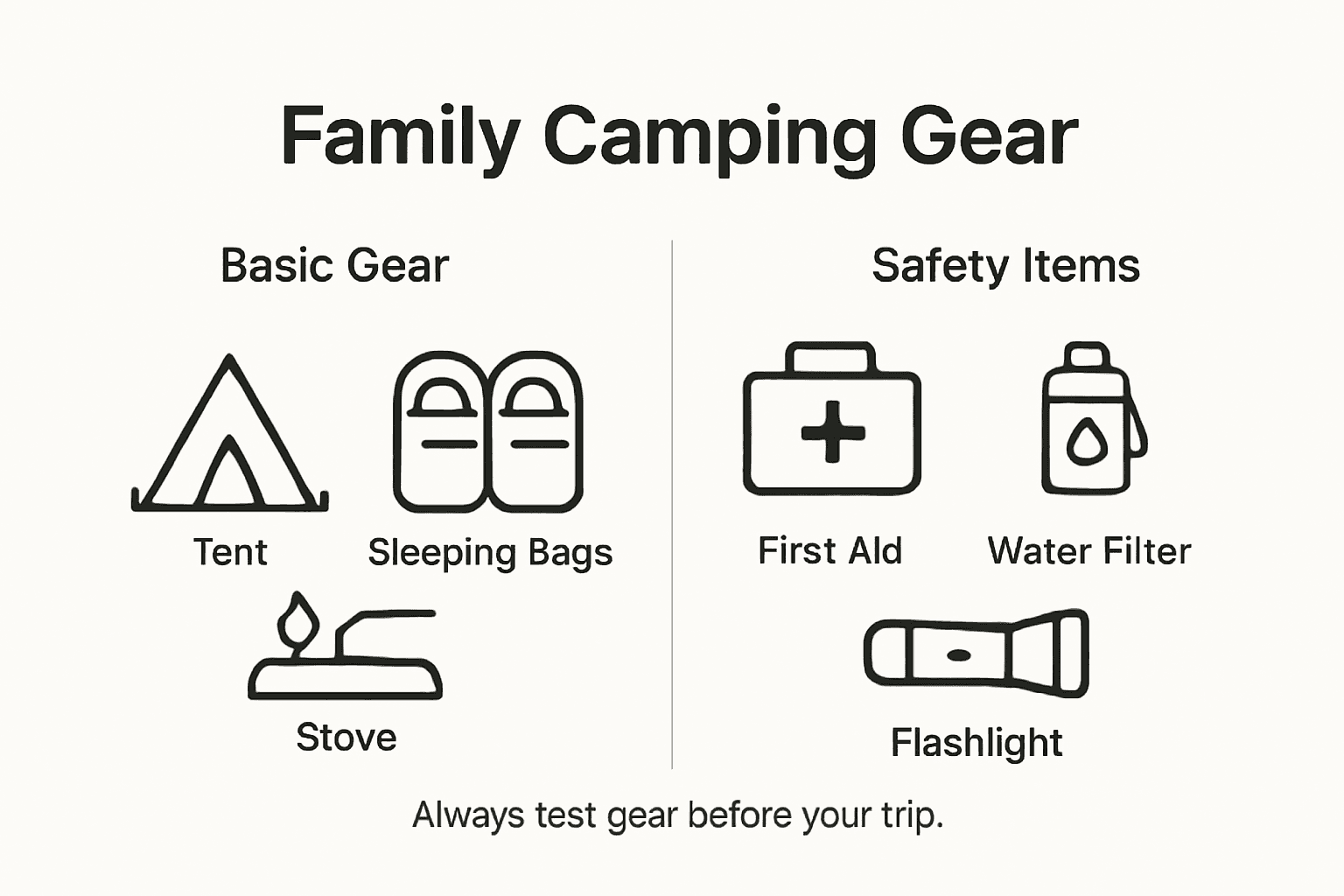
Safety remains paramount in family camping gear selection. Critical safety equipment includes first aid kits, water purification systems, multipurpose tools, and reliable lighting sources like headlamps and lanterns. Additional recommended items include emergency communication devices, weather-appropriate clothing layers, sun protection, insect repellent, and navigation tools like maps and compasses. Each piece of equipment should be chosen with the family's specific needs, camping environment, and skill level in mind.
Pro tip: Create a comprehensive family camping checklist and do a gear trial run in your backyard to identify and address any potential equipment challenges before your actual trip.
Top Benefits for Kids and Parents Alike
Family camping research demonstrates profound positive impacts on mental health, relationship dynamics, and personal development for both children and parents. Beyond simple recreation, camping creates a unique environment where families can disconnect from digital distractions and reconnect with each other through shared experiences and challenges. These outdoor adventures provide an unparalleled opportunity for genuine interaction and mutual growth.For children, family camping offers multiple developmental advantages. Kids learn practical skills like problem-solving, teamwork, and basic survival techniques while experiencing nature firsthand. Physical activities such as hiking, setting up tents, and exploring trails build confidence and motor skills. The unpredictable camping environment teaches adaptability, resilience, and creativity in ways traditional structured settings cannot replicate. Children develop independence while feeling secure within their family unit, creating a perfect balance of challenge and support.
Parents benefit equally from these experiences, gaining opportunities to model positive behaviors, teach life skills, and create lasting memories outside typical home environments. The shared challenges of camping - from navigating trails to preparing meals together - strengthen family bonds and communication. Parents can observe their children's natural problem-solving abilities, offer guidance without technological interruptions, and build trust through collaborative outdoor experiences. These moments of genuine connection become the foundation for stronger, more understanding family relationships.
Pro tip: Design collaborative camping activities that give each family member a specific responsibility, ensuring everyone feels valued and engaged in the shared adventure.
Safety, Comfort, and Common Challenges
Effective family camping requires comprehensive safety and comfort strategies that address potential challenges before they become serious issues. Understanding and preparing for outdoor risks transforms an intimidating experience into an enjoyable adventure. Families must balance excitement with practical precautions, ensuring everyone feels secure and comfortable throughout their camping journey.Wildlife and environmental hazards represent significant concerns for families venturing into outdoor spaces. Proper food storage, understanding local animal behaviors, and carrying appropriate safety gear like bear spray or noise makers can mitigate potential risks. Weather conditions demand equally strategic preparation, with families needing to pack layers, waterproof clothing, and emergency shelter options. Campsite selection plays a crucial role in safety, with families advised to choose locations that offer clear terrain, proximity to water sources, and reasonable distance from potential wildlife corridors.
Camping research highlights the importance of comprehensive risk management and user experience strategies that go beyond basic safety protocols. Common challenges include managing sleeping arrangements, maintaining personal hygiene in outdoor environments, and navigating unexpected environmental changes. Successful family camping requires flexibility, advanced planning, and a willingness to adapt to unpredictable conditions. Communication, shared responsibilities, and a positive attitude can transform potential obstacles into memorable learning experiences that strengthen family bonds.Below is a summary of key safety challenges and simple solutions for family camping:
| Common Challenge | Potential Risk | Practical Solution |
|---|---|---|
| Wildlife encounters | Food attraction | Secure food, use bear-resistant gear |
| Weather changes | Exposure, discomfort | Pack layers, waterproof equipment |
| Navigation errors | Getting lost | Use maps, establish meeting points |
Pro tip: Create a family emergency communication plan before your trip, including designated meeting points and basic survival techniques that every family member understands.
Gear Up for Unforgettable Family Camping Adventures
Family camping is about creating lasting bonds while navigating the challenges of outdoor exploration together. Whether you are new to tent camping or considering glamping, preparing the right gear is essential to ensure safety, comfort, and joyful memories. The article highlights common hurdles such as selecting appropriate equipment, managing weather changes, and keeping everyone engaged. At Life Camp Adventure, we understand these pain points and provide high-quality camping equipment designed to simplify every step—from setting up your family tent to cooking your first outdoor meal.
Discover dependable gear that matches your family’s comfort level and adventure goals. Explore essentials like durable tents, versatile sleeping systems, and trusted safety tools at Life Camp Adventure. Start with our expert guides to build your outdoor skills confidently. Embrace the chance to unplug, reconnect, and create ever-lasting family memories with gear that supports every moment. Visit our website now and take the first step toward your next family adventure.
Frequently Asked Questions
What is family camping?
Family camping is an outdoor experience where families tent, RV, or cabin camp together, focusing on bonding through shared activities and quality time away from technology. It emphasizes building relationships and developing skills in a natural setting.
What are the different types of family camping experiences?
Popular types of family camping include traditional tent camping, RV camping, cabin camping, and glamping. Each style offers unique comfort levels, amenities, and experiences to suit varying family preferences and outdoor skills.
What essential gear is needed for family camping?
Key camping gear for families includes a suitable tent, sleeping bags, portable cooking systems, first aid kits, and safety gear. It's important to choose equipment that balances comfort, safety, and practicality for each family member.
How does family camping benefit kids and parents?
Family camping promotes personal development for children by teaching practical skills like problem-solving and teamwork, while also fostering independence. For parents, it offers opportunities to model behaviors, create lasting memories, and strengthen family bonds through shared challenges and interactions.
