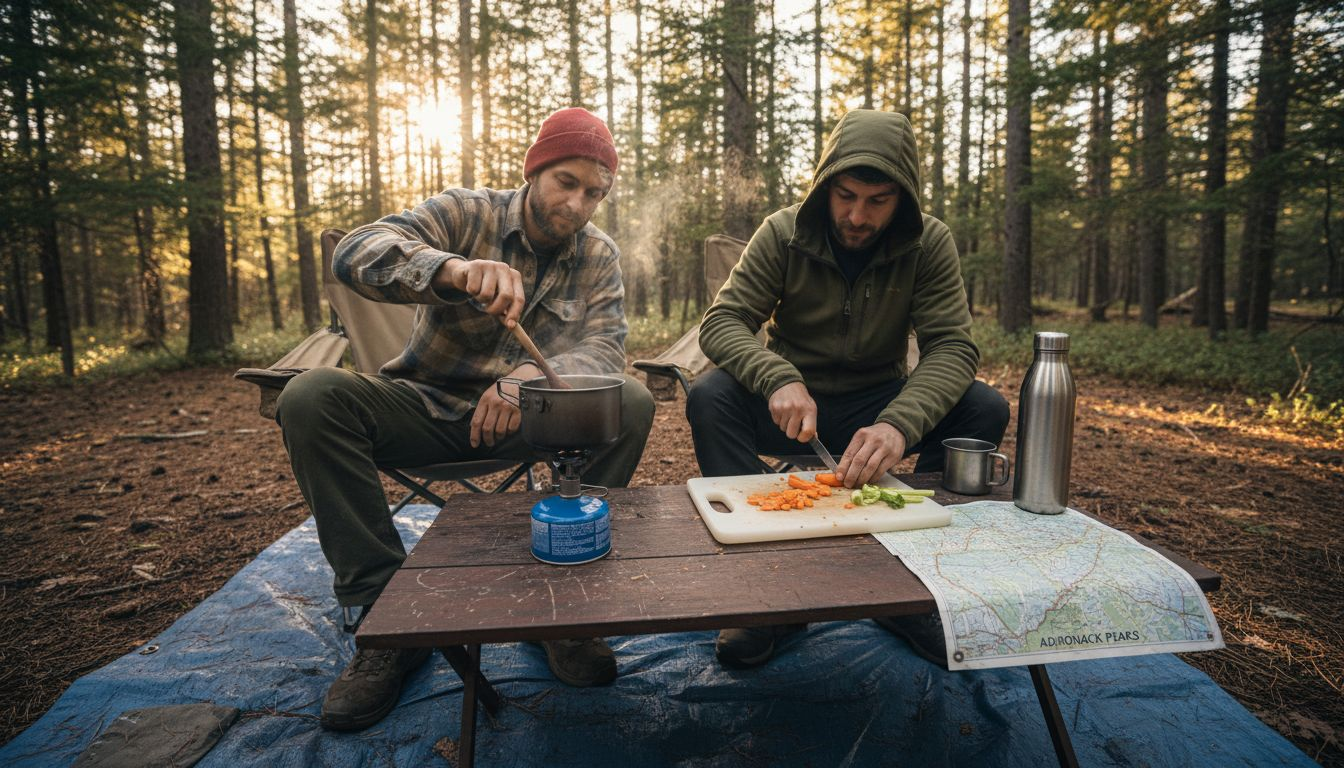
Every Pacific Northwest trekker knows that a hot meal after a rainy hike can make all the difference in the backcountry. Choosing the right camp stove matters for both convenience and safety, yet many outdoor enthusiasts mistakenly believe these portable devices are heavy or complicated. In reality, modern portable stoves are engineered to be lightweight, efficient, and easy for any adventure, making them essential gear for campers and backpackers seeking quality performance through unpredictable conditions.
Key Takeaways
| Point | Details |
|---|---|
| Camp Stove Types | Different types of camp stoves, such as canister, liquid fuel, wood-burning, and alcohol stoves, serve specific outdoor cooking needs. |
| Efficiency Matters | Prioritize stoves with high combustion quality and fuel efficiency to enhance your cooking experience and reduce environmental impact. |
| Safety Features | Modern camp stoves are equipped with essential safety mechanisms, such as automatic shutoff and stability features, for responsible outdoor cooking. |
| Choose Wisely | Evaluate your adventure requirements to select a camp stove that best fits your needs, ensuring adaptability and performance in various environments. |
Camp Stoves Defined and Common Myths
A camp stove represents a portable cooking device specifically engineered for outdoor environments like hiking trails, campgrounds, and remote wilderness locations. Unlike traditional kitchen appliances, these compact cooking tools enable adventurers to prepare hot meals and beverages wherever their journeys take them.
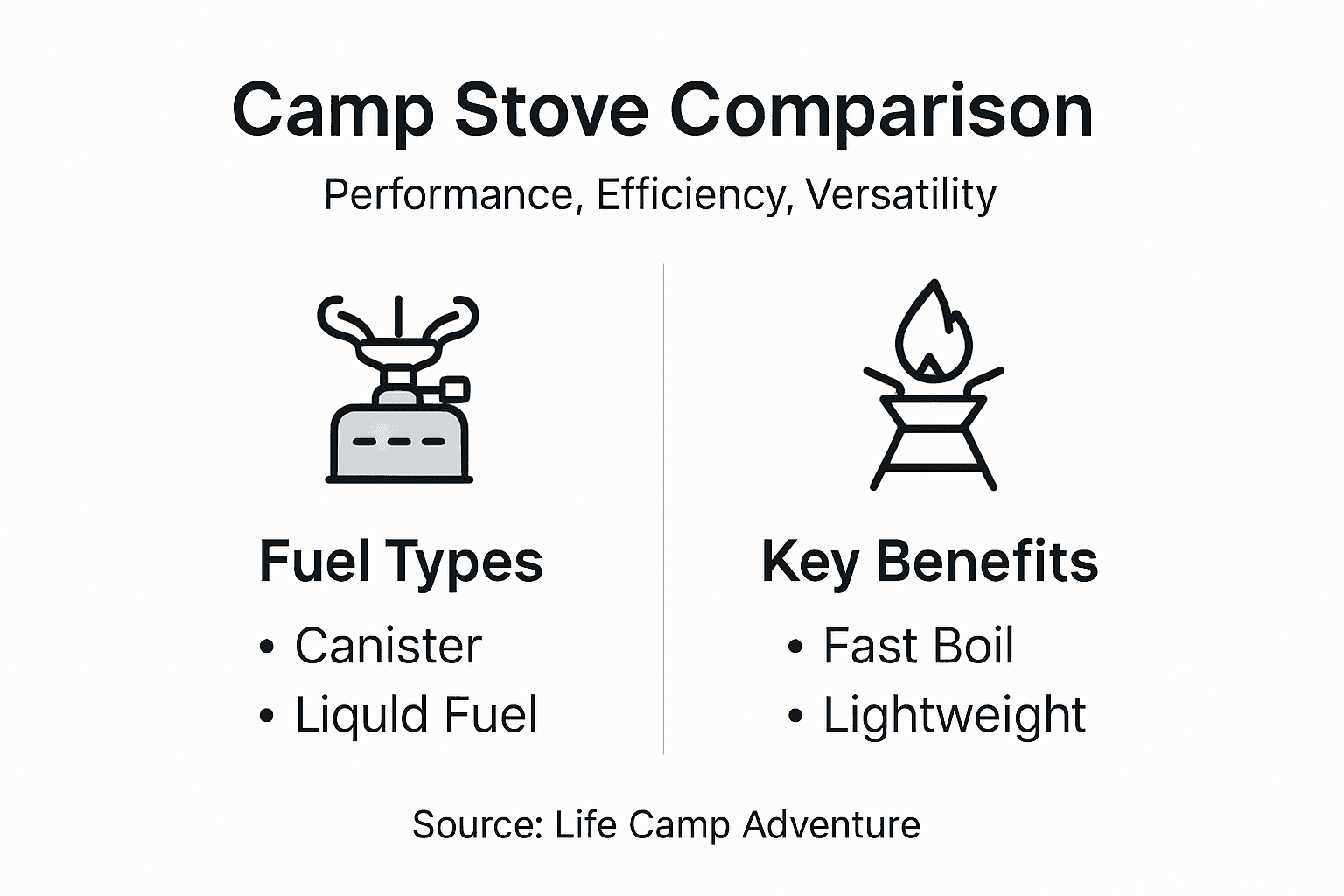
Portable stoves come in multiple configurations, each designed to meet specific outdoor cooking needs. Lightweight cooking technologies have dramatically transformed backcountry meal preparation, offering campers unprecedented convenience and reliability. The primary categories include:
- Canister stoves: Ultra-lightweight, using pressurized gas fuel
- Liquid fuel stoves: Versatile models that work in extreme temperatures
- Wood-burning stoves: Eco-friendly options using natural fuel sources
- Alcohol stoves: Ultralight alternatives popular among backpackers
Many outdoor enthusiasts harbor misconceptions about camp stoves that prevent them from experiencing their true potential. Common myths include assumptions that portable stoves are complicated, heavy, or unreliable. Modern designs have systematically dismantled these outdated perceptions by producing incredibly efficient, compact cooking systems.
Here's a quick reference comparing the main types of camp stoves and their ideal use cases:
| Stove Type | Best For | Fuel Source | Unique Advantage |
|---|---|---|---|
| Canister | Fast backpacking trips | Pressurized gas | Very lightweight |
| Liquid fuel | Winter expeditions | White gas/petrol | Reliable in cold weather |
| Wood-burning | Eco-friendly camping | Twigs, branches | No fuel to pack |
| Alcohol | Ultralight travel | Denatured alcohol | Simple and compact |
Camp stoves are not just cooking tools - they're gateways to culinary adventures in the wilderness.
Understanding the potential health impacts of gas stoves remains crucial for responsible outdoor cooking. Proper ventilation and careful usage can mitigate potential risks associated with portable cooking equipment.
Pro tip: Always test your camp stove at home before embarking on a wilderness expedition to ensure proper functionality and familiarize yourself with its operation.
Major Types and Key Differences
Camp stoves represent a diverse ecosystem of cooking technologies, each designed to meet specific outdoor cooking requirements. Multi-fuel stoves stand out as particularly versatile solutions for adventurers who encounter unpredictable fuel environments.
Multi-fuel stove technologies offer remarkable adaptability across different global settings, allowing users to burn various fuel types depending on availability. These advanced cooking systems can typically handle:- Unleaded petrol: Common and widely available fuel
- White gas: High-performance option for extreme conditions
- Kerosene: Reliable alternative in remote locations
- Camping gas: Convenient pressurized fuel source
The key differences between camp stove types emerge through several critical performance characteristics:
- Fuel Adaptability: Multi-fuel stoves excel in providing maximum flexibility
- Weight Considerations: Ultralight models prioritize portability
- Operational Complexity: Some designs require more maintenance than others
- Temperature Performance: Certain stoves function better in cold climates
Not all camp stoves are created equal - choose wisely based on your specific adventure needs.
While multi-fuel stoves offer incredible versatility, they do require more technical maintenance compared to single-fuel alternatives. Users must be prepared to change nozzles, prime the stove, and understand more complex operational procedures.
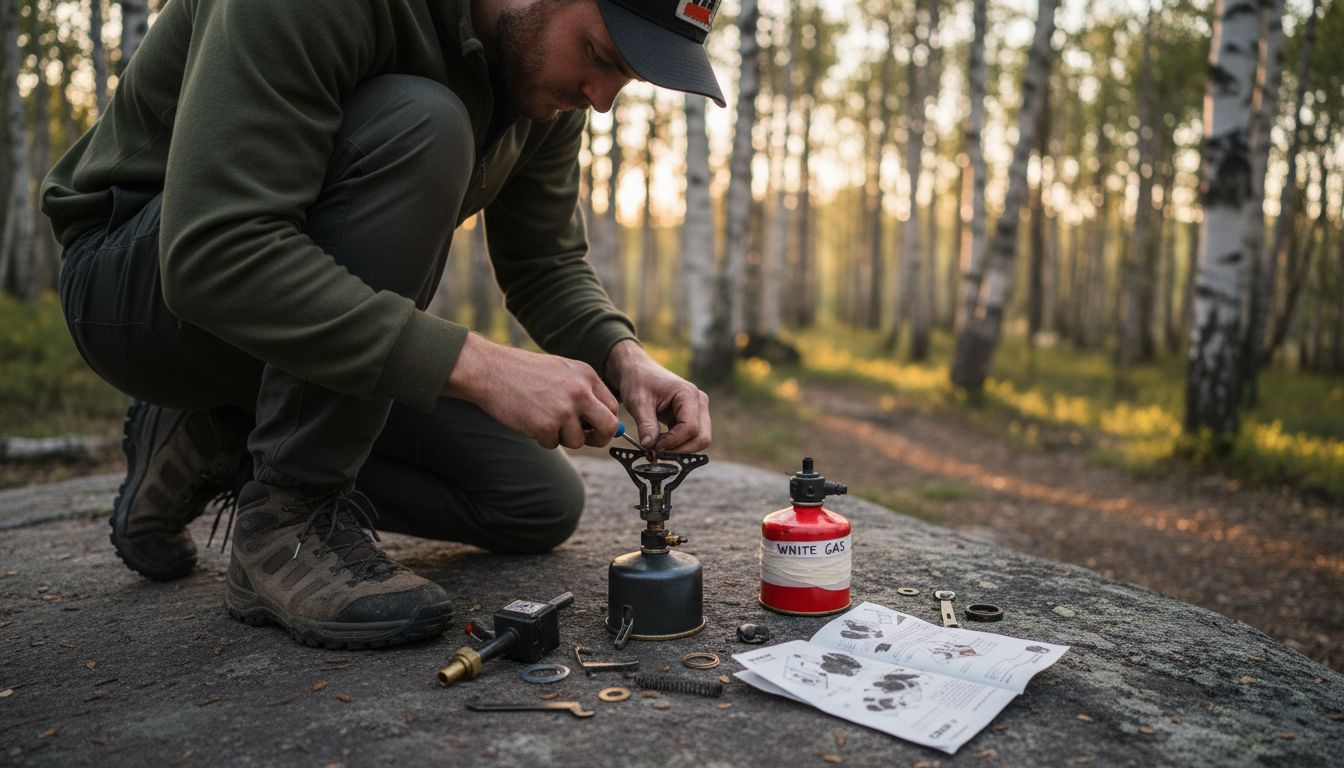
Pro tip: Practice assembling and operating your camp stove before embarking on extended wilderness trips to ensure you can troubleshoot potential issues in the field.
Performance, Fuel Efficiency, and Ease of Use
Understanding the nuanced performance characteristics of camp stoves requires a deep dive into their operational capabilities. Camp stove efficiency goes far beyond simple heat generation, encompassing fuel consumption, environmental impact, and practical usability for outdoor adventurers.
Cookstove research reveals critical metrics that distinguish high-performance camp stoves from average models. Performance evaluation involves several key dimensions:- Combustion Quality: How thoroughly and cleanly the fuel burns
- Heat Transfer Efficiency: Amount of generated heat effectively reaching cooking vessel
- Fuel Consumption Rate: Total fuel used per cooking session
- Emissions Output: Quantity of pollutants produced during operation
Improved cookstove technologies typically deliver remarkable efficiency gains, with some models achieving:
- 40-60% reduction in fuel consumption
- Significantly lower toxic pollutant emissions
- More consistent heat distribution
- Enhanced cooking control
Not all watts are created equal - efficiency matters more than raw power.
Additional factors influencing stove performance include design elements like insulation quality, airflow control mechanisms, and combustion chamber engineering. Improved cookstove technologies demonstrate that intelligent design can transform outdoor cooking experiences by maximizing energy transfer and minimizing waste.
The following table summarizes major performance factors influencing your camp stove choice:
| Performance Factor | Impact on Cooking | What to Look For |
|---|---|---|
| Combustion Quality | Clean fuel burn | Steady flame; low soot |
| Heat Distribution | Even cooking | Consistent pan heating |
| Fuel Efficiency | Fewer refills needed | Lower fuel usage per meal |
| Ease of Use | Quick setup | Simple lighting and maintenance |
Pro tip: Consider carrying a lightweight wind screen with your camp stove to improve fuel efficiency and protect the flame during outdoor cooking.
Safety Features and Practical Benefits for Campers
Camp stove safety represents a critical consideration for outdoor enthusiasts, balancing the need for efficient cooking with responsible equipment management. Modern camp stoves have evolved to incorporate sophisticated safety mechanisms that protect users in challenging wilderness environments.
Cooking safety guidelines highlight several key protective features that distinguish high-quality camp stoves:- Fuel Cartridge Injection Safety: Prevents accidental fuel leakage
- Stability Features: Reduces risk of accidental tipping
- Automatic Shutoff Mechanisms: Prevents potential fire hazards
- Heat-Resistant Components: Protects users from unexpected burns
Practical benefits for campers extend far beyond basic safety considerations. These innovative cooking tools provide:
- Reliable heat source in unpredictable outdoor conditions
- Quick meal preparation capabilities
- Versatility across different environmental settings
- Compact and lightweight design for easy transportation
Burn safety recommendations emphasize the importance of maintaining proper clearance from combustible materials and following manufacturer guidelines. Experienced campers understand that a well-maintained stove is the cornerstone of a safe and enjoyable outdoor cooking experience.Safety isn't an option - it's a fundamental requirement for outdoor cooking.
Pro tip: Always carry a compact fire extinguisher and perform a safety check on your camp stove before each use to ensure all components are functioning correctly.
Comparing Camp Stoves to Alternative Cooking Methods
Outdoor cooking technologies have evolved dramatically, with camp stoves emerging as a superior alternative to traditional cooking methods. Clean cooking technologies offer significant advantages over conventional approaches like open fires and three-stone stoves.
Traditional cooking alternatives present numerous drawbacks compared to modern camp stoves:
- Open Fires: - High smoke emissions
- Inefficient heat transfer
- Significant environmental impact
- Charcoal Stoves: - Higher fuel costs
- Limited temperature control
- Increased pollution
- Three-Stone Fires: - Minimal heat efficiency
- Substantial wood consumption
- Increased health risks
Camp stoves provide remarkable benefits across multiple dimensions:
- Superior fuel economy
- Reduced environmental pollution
- Enhanced cooking speed
- Greater safety and control
Comparative cooking technologies demonstrate that modern camp stoves bridge critical performance gaps, offering portability and efficiency unmatched by traditional alternatives.Not all cooking methods are created equal - choose wisely for your outdoor adventure.
Pro tip: Invest in a versatile camp stove that supports multiple fuel types to maximize your cooking flexibility in diverse outdoor environments.
Elevate Your Outdoor Cooking Experience with Reliable Camp Stoves
Outdoor cooking should never be compromised by unreliable or complicated gear. As highlighted in the article, many struggle with choosing the right camp stove that balances fuel efficiency, safety, and ease of use under diverse conditions. Whether you are concerned about fuel adaptability, heat performance, or safety features like fuel cartridge injection safety, your cooking setup should empower you rather than hold you back.
Life Camp Adventure understands these challenges and offers a range of carefully selected camp stoves and outdoor gear designed to tackle these exact pain points. Our products prioritize lightweight portability, robust construction, and user-friendly designs so you can enjoy fast, safe meals no matter where your journey leads. Discover cooking solutions that align perfectly with concepts such as multi-fuel capabilities and improved combustion quality, giving you confidence to cook efficiently and responsibly.
Ready to upgrade your outdoor kitchen? Visit Life Camp Adventure to explore gear that delivers the performance and safety outlined in the article. Equip yourself with gear made to excel in cold weather, windy trails, and eco-friendly camping alike. Don’t wait to bring ease and reliability to your next adventure—check out our selection today and step confidently into the wilderness with the best camp stove technology at your fingertips.
Frequently Asked Questions
What are the main types of camp stoves?
The main types of camp stoves include canister stoves, liquid fuel stoves, wood-burning stoves, and alcohol stoves. Each type is designed for specific outdoor cooking needs.
How do camp stoves compare to traditional cooking methods like open fires or charcoal stoves?
Camp stoves offer superior fuel economy, reduced environmental pollution, enhanced cooking speed, and greater safety and control compared to traditional cooking methods such as open fires and charcoal stoves.
What should I consider when choosing a camp stove?
Important factors include fuel adaptability, weight, operational complexity, temperature performance, and safety features. Assess these aspects based on your specific outdoor cooking requirements.
How can I maximize fuel efficiency when using a camp stove?
To maximize fuel efficiency, consider using a lightweight wind screen with your stove, and choose models with high heat transfer efficiency and combustion quality.
