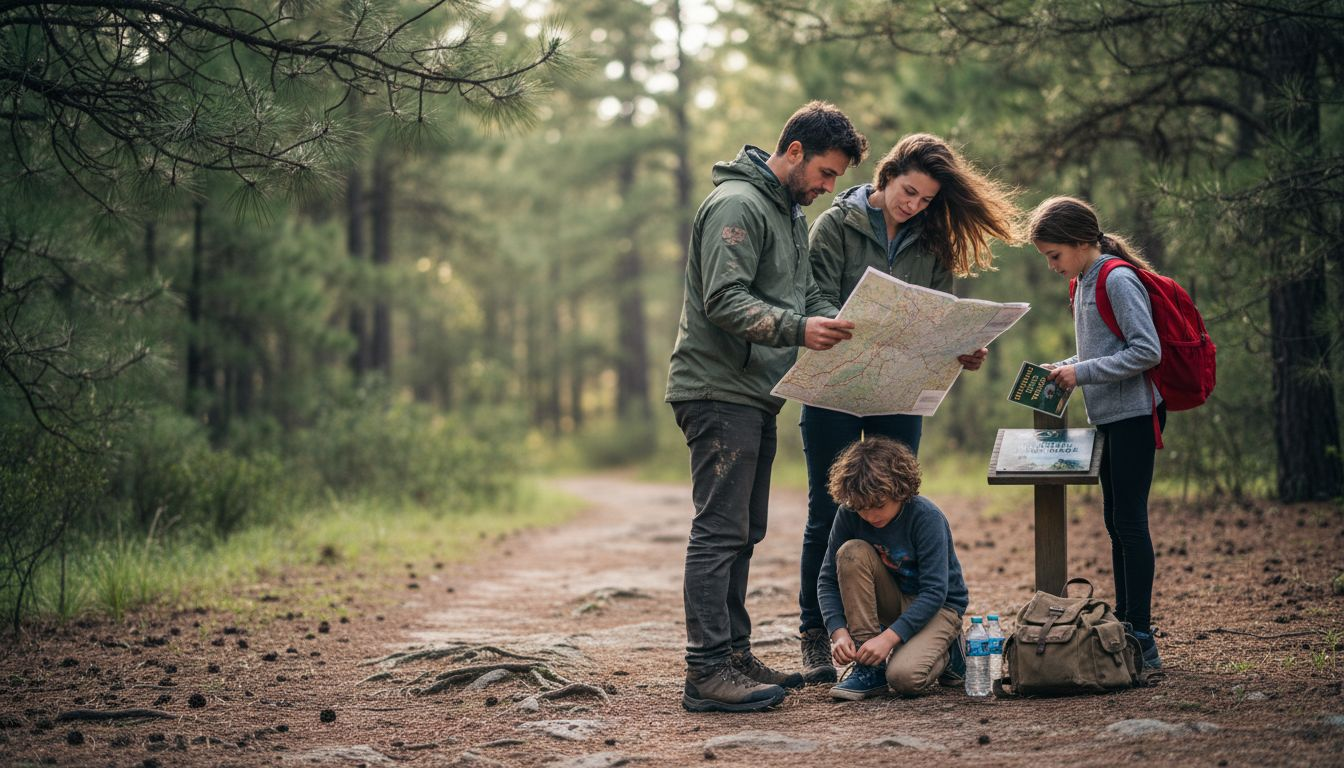
Every parent faces that moment when excitement clashes with concern as they plan a family camping trip in the rugged landscapes of California or the wide-open spaces of Colorado. Outdoor adventures offer unforgettable memories, but outdoor safety myths can lead to risky decisions that put young explorers at risk. Recognizing real hazards and understanding how to choose the right gear helps families create safe and rewarding hikes in any terrain. This guide shares beginner-friendly advice for confident, prepared outdoor experiences.
Key Takeaways
| Point | Details |
|---|---|
| Understanding Risks | Families must recognize and prepare for potential outdoor hazards to ensure safety during adventures. |
| Myth Busting | Families should be aware of common outdoor safety myths to avoid dangerous misconceptions and make informed decisions. |
| Essential Preparation | Conduct thorough pre-trip assessments and carry appropriate gear tailored to specific environmental conditions. |
| Building Confidence | Outdoor experiences help children develop resilience and critical life skills through structured safety practices. |
Defining Outdoor Safety and Common Myths
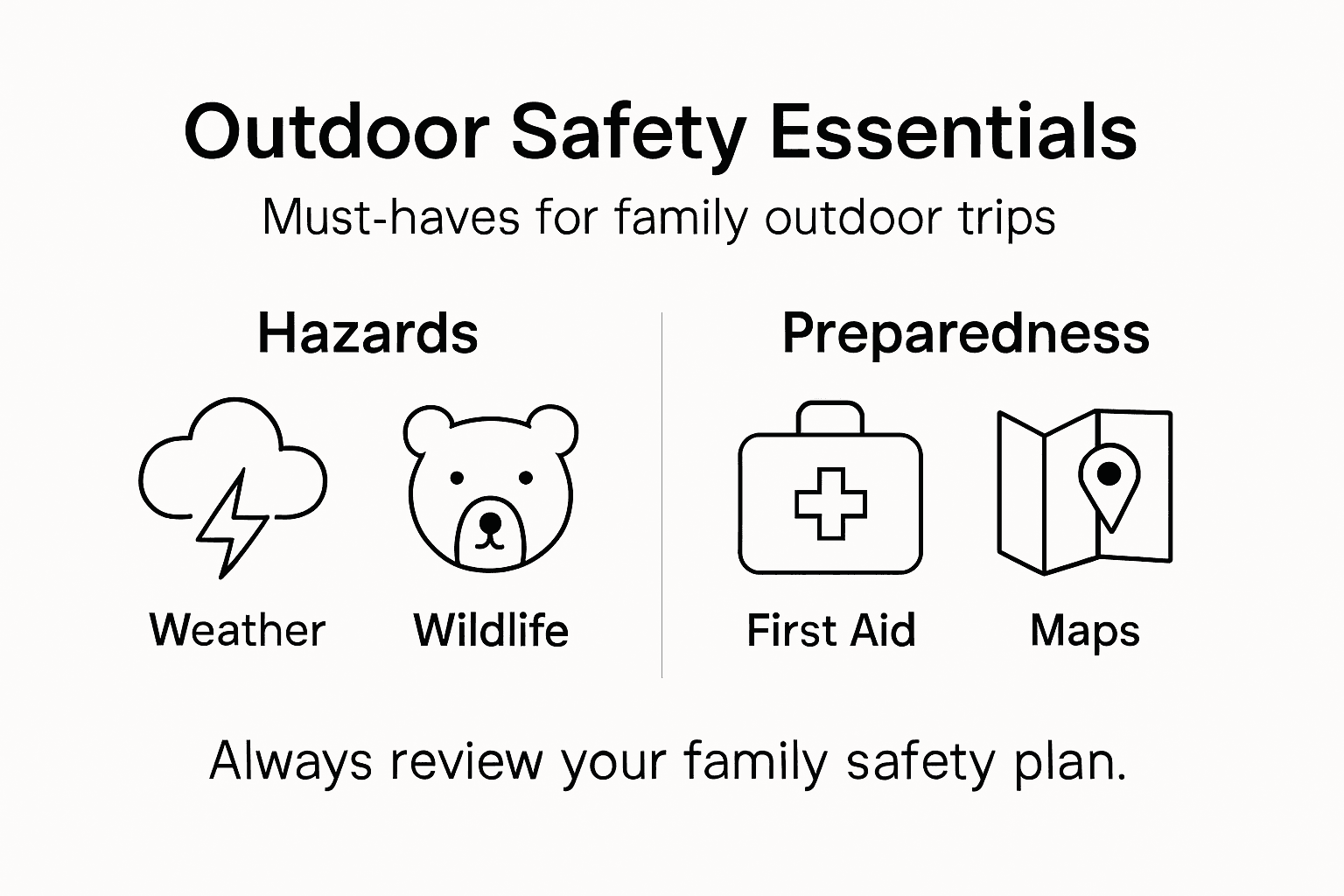
Outdoor safety isn't just a precaution—it's a critical skill for families exploring nature. While adventures promise excitement, understanding potential risks is essential for preventing accidents and ensuring enjoyable experiences. Identifying environmental hazards involves recognizing complex challenges that range from weather conditions to wildlife encounters.
Common myths about outdoor safety can create dangerous misconceptions that put families at unnecessary risk. These myths often emerge from limited experience or misunderstood information, potentially leading individuals to make poor decisions in critical situations. Understanding the truth behind these misconceptions is fundamental to developing genuine outdoor safety awareness.
Key Safety Myths Families Should Know:
- Lightning myth: "Lightning never strikes the same place twice" is completely false
- Bear encounter myth: "Playing dead always works with bears" is dangerously inaccurate
- Weather prediction myth: Assuming local weather will remain stable during outdoor activities
Professional outdoor safety experts emphasize that knowledge is the most powerful protective tool. Recognizing potential risks, understanding environmental conditions, and preparing appropriate gear can transform potential dangers into manageable challenges. Families who invest time in learning proper safety techniques create stronger, more confident outdoor experiences.
Outdoor Safety Fundamentals:
- Always research your specific destination's unique environmental conditions
- Carry appropriate safety equipment for anticipated terrain and weather
- Learn basic first aid and emergency response techniques
- Check weather forecasts before departing
- Inform someone about your planned route and expected return time
Pro tip: Invest in a comprehensive outdoor safety course that teaches practical skills specific to your family's adventure destinations.
Key Outdoor Hazards Facing Families
Families venturing into outdoor environments face a complex landscape of potential risks that require careful navigation and preparation. Environmental hazards uniquely impact children, presenting challenges that demand proactive safety strategies. Understanding these risks is crucial for creating safe and enjoyable outdoor experiences that balance adventure with protection.
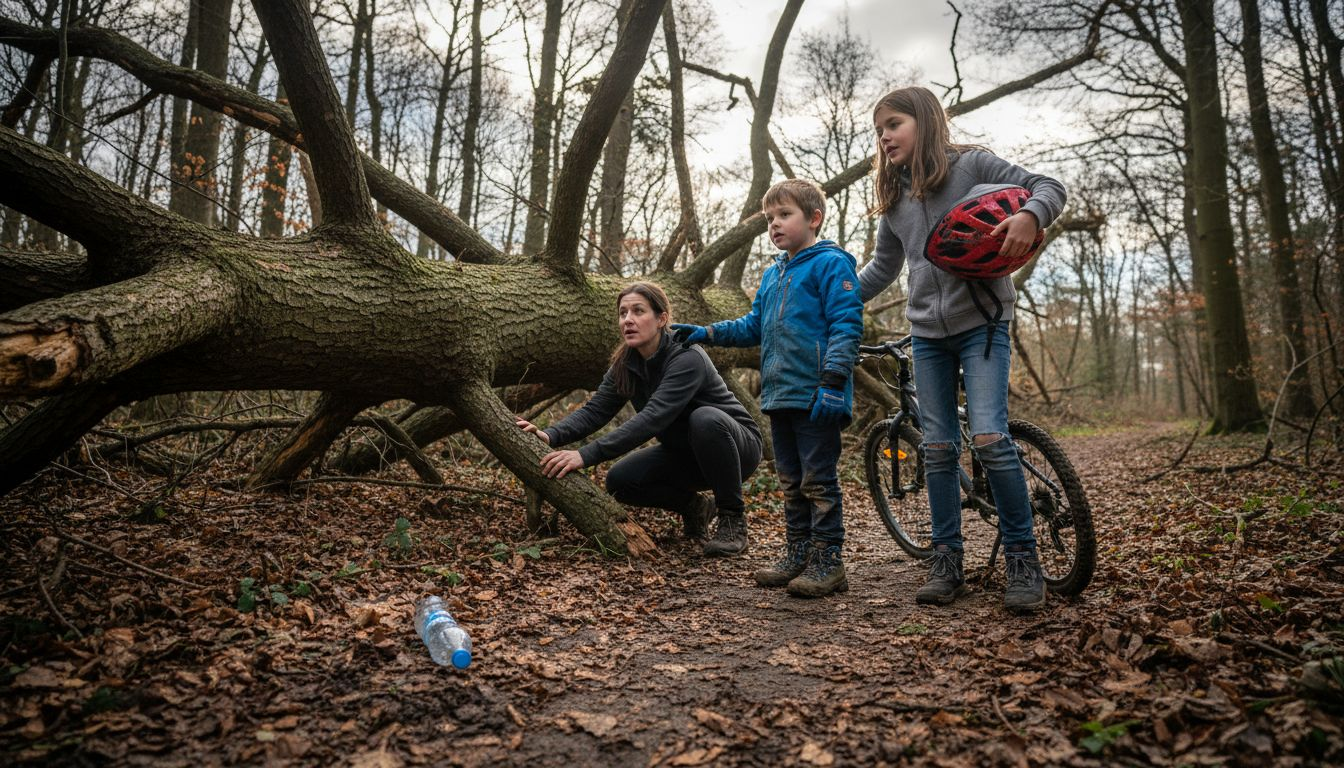
Physical environments pose multiple threats that can catch unprepared families off guard. Terrain variations, unpredictable weather conditions, wildlife encounters, and environmental elements can quickly transform a pleasant outing into a potentially dangerous situation. Younger children are particularly vulnerable due to their developing motor skills and limited risk assessment capabilities.
Primary Outdoor Hazards for Families:
- Terrain risks: Uneven ground, rocky surfaces, steep slopes
- Weather challenges: Sudden temperature changes, unexpected storms
- Biological threats: Insect encounters, poisonous plants, wildlife interactions
- Water-related dangers: Streams, lakes, unexpected water crossings
- Environmental exposures: Sun radiation, extreme temperatures
Critical safety considerations extend beyond immediate physical risks. Developmental vulnerabilities in outdoor settings reveal that children's unique physiological characteristics make them more susceptible to environmental challenges. Their smaller bodies regulate temperature differently, metabolize substances more rapidly, and have less developed immune responses compared to adults.
Here's a quick reference table summarizing how common outdoor hazards affect different age groups:
| Hazard Type | Impact on Children | Impact on Adults |
|---|---|---|
| Uneven Terrain | Higher fall risk, less balance | Generally stable, quicker recovery |
| Weather Extremes | Faster temperature changes | More resilient, slower effects |
| Wildlife Encounters | Lower risk awareness | Better risk judgment |
| Sun Exposure | Increased risk of burns | Lower relative risk |
| Water Hazards | Greater drowning danger | Enhanced mobility, more swimming skill |
Preventive Safety Strategies:
- Conduct thorough pre-trip environmental assessments
- Pack age-appropriate safety and first aid equipment
- Teach children basic safety awareness and recognition of potential risks
- Maintain constant supervision in unfamiliar environments
- Develop clear communication protocols for emergency scenarios
Understanding potential hazards is the first step in creating a safe outdoor experience for your entire family.
Pro tip: Always carry a comprehensive first aid kit specifically tailored to your family's outdoor activities and potential environmental challenges.
Essential Safety Gear and Practices
Preparing for outdoor adventures requires more than just enthusiasm—it demands strategic planning and the right equipment. The ten essential safety items form the backbone of any successful family outdoor expedition, providing critical protection and preparedness across varying environments and unexpected scenarios.
Navigating the complex world of outdoor safety gear can be overwhelming for families, but understanding the fundamental principles of equipment selection simplifies the process. Hiking safety gear fundamentals emphasize the importance of versatile, multi-purpose items that address multiple potential challenges while remaining lightweight and practical.
Critical Safety Gear Categories:
- Navigation Tools: Maps, compass, GPS devices
- Protection Equipment: Sunscreen, protective clothing, hat
- Emergency Supplies: First aid kit, emergency shelter, signaling devices
- Hydration Systems: Water bottles, water purification methods
- Nutrition Essentials: High-energy, compact food supplies
The most effective safety approach combines quality gear with comprehensive knowledge about its proper use. Families should invest time in understanding each piece of equipment, practicing with it before actual outdoor trips, and customizing their kit to match specific environmental conditions and activity types.
Essential Gear Preparation Steps:
- Research your specific destination's unique environmental challenges
- Select gear appropriate for your family's skill level
- Practice using equipment before actual outdoor trips
- Regularly inspect and maintain safety gear
- Update your kit as children grow and skills improve
Proper preparation transforms potential risks into manageable adventures.
Pro tip: Create a personalized family safety gear checklist and review it together before each outdoor expedition to ensure everyone understands equipment usage and emergency protocols.
How Outdoor Safety Builds Confidence
Building resilience through outdoor experiences represents a transformative journey for families, where challenging environments become powerful classrooms for personal growth. Outdoor safety isn't just about preventing accidents—it's about empowering individuals to develop critical life skills, emotional strength, and self-belief through carefully managed experiences.Confidence emerges from understanding potential risks and learning how to navigate them effectively. Children who participate in structured outdoor activities develop a unique sense of capability that extends far beyond wilderness environments. By mastering safety techniques, young adventurers learn that challenges can be systematically approached and overcome, a lesson with profound implications for their future personal and professional lives.
Confidence-Building Mechanisms in Outdoor Safety:
- Problem-solving skills: Navigating unexpected challenges
- Risk assessment: Learning to evaluate and manage potential dangers
- Self-reliance: Developing independent decision-making capabilities
- Emotional regulation: Managing fear and uncertainty
- Teamwork: Collaborating effectively in challenging situations
Compare confidence-building benefits gained by family outdoor activities versus solo participation:
| Skill Developed | Family Outings | Solo Adventures |
|---|---|---|
| Teamwork | Cooperative problem-solving | Self-sufficiency, less collaboration |
| Emotional Support | Shared encouragement | More personal stress management |
| Learning Pace | Guided skill progression | Individual trial-and-error |
| Safety Awareness | Modeled by adults | Self-learned and reinforced |
Stages of Confidence Development:
- Initial safety training and skill introduction
- Supervised practical application of safety techniques
- Gradual increase in independent decision-making
- Reflection and discussion of experiences
- Continuous learning and skill refinement
Confidence is not about eliminating fear, but about learning to move forward despite it.
Pro tip: Create a family safety skill progression system that celebrates incremental learning and allows children to progressively take more responsibility for their outdoor preparedness.
Common Mistakes and How to Prevent Them
Outdoor safety mistakes often stem from a combination of human error and environmental challenges that families might not anticipate. Understanding these potential pitfalls is crucial for creating a proactive approach to outdoor safety, transforming potential risks into valuable learning opportunities for everyone involved.Many families inadvertently compromise their safety through seemingly minor oversights. Lack of preparation, poor risk assessment, and inadequate communication can quickly escalate into dangerous situations. The difference between a memorable adventure and a potential emergency often lies in careful planning and consistent awareness.
Most Common Family Outdoor Safety Mistakes:
- Inadequate preparation: Failing to research destination conditions
- Poor supervision: Insufficient monitoring of children
- Insufficient gear: Bringing inappropriate or limited safety equipment
- Ignoring weather warnings: Underestimating environmental changes
- Overconfidence: Pushing beyond skill and comfort levels
Mistake Prevention Strategies:
- Conduct thorough pre-trip environmental assessments
- Create clear safety protocols for everyone
- Practice emergency scenarios as a family
- Develop age-appropriate risk awareness skills
- Maintain open communication during outdoor activities
Prevention is always more effective than reaction when it comes to outdoor safety.
Pro tip: Develop a family safety checklist that everyone reviews and understands before each outdoor adventure, treating it as a collaborative learning experience.
Equip Your Family for Confident Outdoor Adventures
Family outdoor safety is more than a checklist it is about preparing for real challenges like unpredictable weather, terrain risks, and unexpected wildlife encounters. This article highlights how crucial it is to understand environmental hazards and develop proper safety skills to protect your loved ones while exploring nature together. At Life Camp Adventure, we recognize the need for reliable, easy-to-use gear that supports prevention, quick response, and builds confidence with every step outside.

Ready to transform your family outings into safe, unforgettable experiences Start by exploring high-quality camping equipment, survival essentials, and adventure-ready products designed specifically for comfort, durability, and ease of use. Visit Life Camp Adventure for gear that helps you research, prepare, and respond effectively to all outdoor conditions. Take the next step now to ensure every family adventure builds resilience while keeping safety front and center with trusted tools from Life Camp Adventure. Discover how easy it is to stay protected and confident on the trails and beyond.
Frequently Asked Questions
Why is outdoor safety important for families?
Outdoor safety is crucial for families as it helps prevent accidents and injuries while exploring nature. Understanding risks and preparing for outdoor adventures ensures enjoyable experiences for everyone.
What are some common outdoor safety myths families should be aware of?
Common myths include the belief that lightning never strikes the same place twice, or that playing dead is always effective during a bear encounter. These misconceptions can lead to dangerous decisions in critical situations.
What are essential safety practices for outdoor adventures with children?
Essential practices include researching environmental conditions, carrying appropriate safety gear, teaching basic first aid, checking weather forecasts, and informing someone about your planned route.
How can outdoor safety boost children's confidence?
Outdoor safety helps build confidence by teaching children problem-solving skills, risk assessment, self-reliance, and teamwork while navigating challenges. These experiences empower them to face obstacles effectively, both outdoors and in life.
Recommended
- Camping Safety Tips 2025 for Families: Stay Secure Outdoors
- What Is Family Camping? Outdoor Bonds That Last
- 7 Essential Family Camping Tips for Safe Outdoor Fun
- What Is Outdoor Survival and Why It Matters
- 7 Spring Cleaning Checklist Musts for Family Car Safety | ReVroom
- Child-Proofing Windows & Stairs: Chicago Home Inspection Guide
