Adventure Travel Explained: Thrill, Nature, and Growth
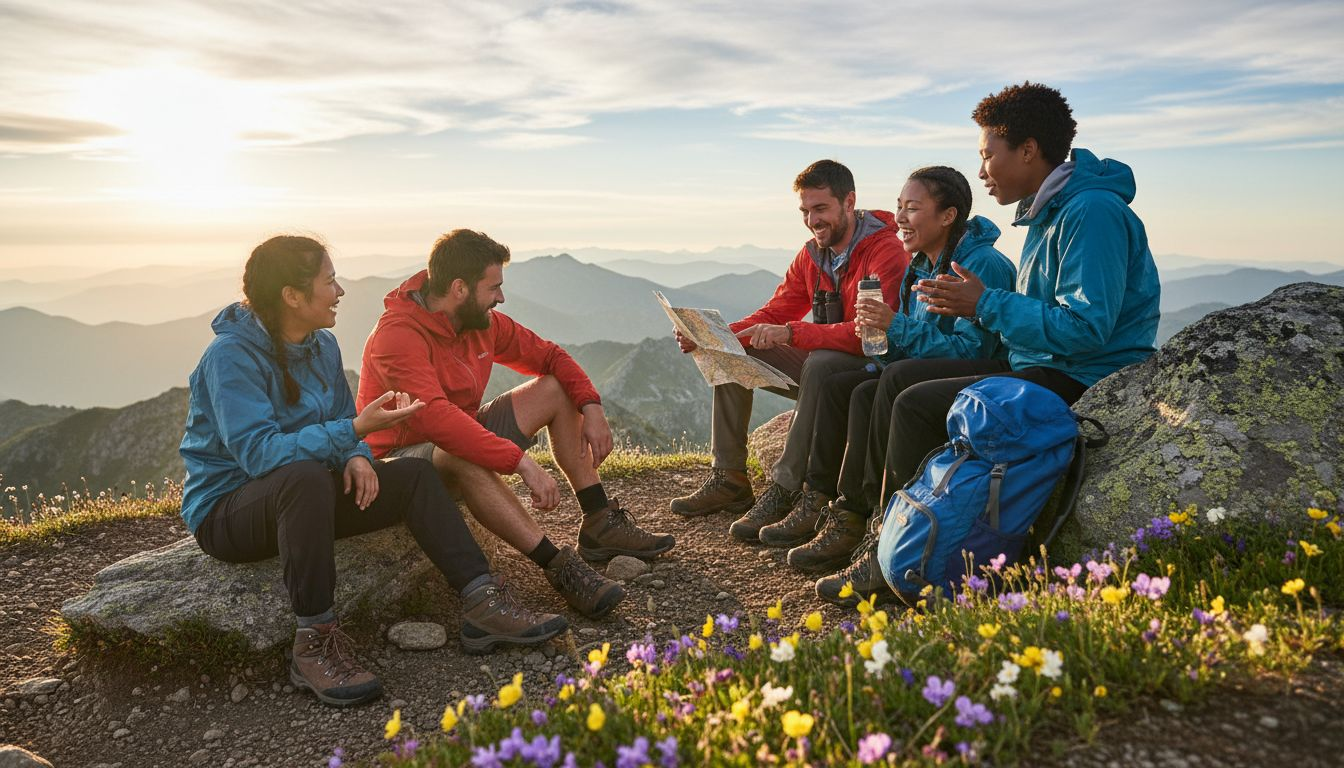
Most American millennials and Gen Z travelers crave experiences that go beyond the usual sightseeing. With more than 60 percent of this group prioritizing adventure travel over traditional vacations, the search for excitement and personal growth is on the rise. This guide breaks down what adventure travel really means, clears up common myths, and highlights the gear and safety tips every American explorer needs for a confident journey.
Key Takeaways
| Point | Details |
|---|---|
| Adventure Travel Is Inclusive | Adventure travel offers experiences for varying fitness levels, not just extreme activities for elite athletes. |
| Key Features Enhance Experiences | Thrill, skill development, and immersion are integral to adventure travel, promoting personal growth. |
| Preparation Is Crucial | Proper gear and risk management strategies are essential to ensure a safe and enjoyable adventure experience. |
| Gradual Exposure Builds Confidence | Start with challenges just outside your comfort zone to develop skills and confidence over time. |
What Is Adventure Travel and Common Myths
Adventure travel represents an exhilarating approach to experiencing the world that goes far beyond traditional tourism. At its core, adventure travel involves exploration with an element of physical challenge and personal discovery. It's not just about conquering extreme terrain or pushing athletic limits, but about engaging meaningfully with new environments, cultures, and personal capabilities.
Contrary to popular belief, adventure travel isn't exclusively for elite athletes or adrenaline junkies. The spectrum of adventure travel spans a wide range of activities and difficulty levels. From gentle hiking trails in national parks to more intense experiences like whitewater rafting or mountain climbing, there's an adventure suitable for every fitness level and comfort zone. Activities can include backpacking, diving, surfing, and zip lining in locations that challenge typical travel experiences.
Some persistent myths about adventure travel need debunking. Many people assume adventure travel is inherently dangerous or requires superhuman physical prowess. In reality, proper preparation, understanding personal limits, and selecting appropriate experiences can make adventure travel safe and accessible. The key is research, realistic goal setting, and gradually building skills and confidence. Physical fitness matters, but adaptability and mental resilience are equally important.
Pro Tip: Start your adventure travel journey by selecting experiences just outside your comfort zone, gradually increasing difficulty as you build confidence and skills.
Major Types of Adventure Travel Experiences
Adventure travel encompasses a diverse range of experiences that cater to different interests, skill levels, and personal goals. These experiences span from extreme sports to cultural immersion and wildlife exploration, offering something for every type of traveler seeking meaningful connections with new environments and challenges.
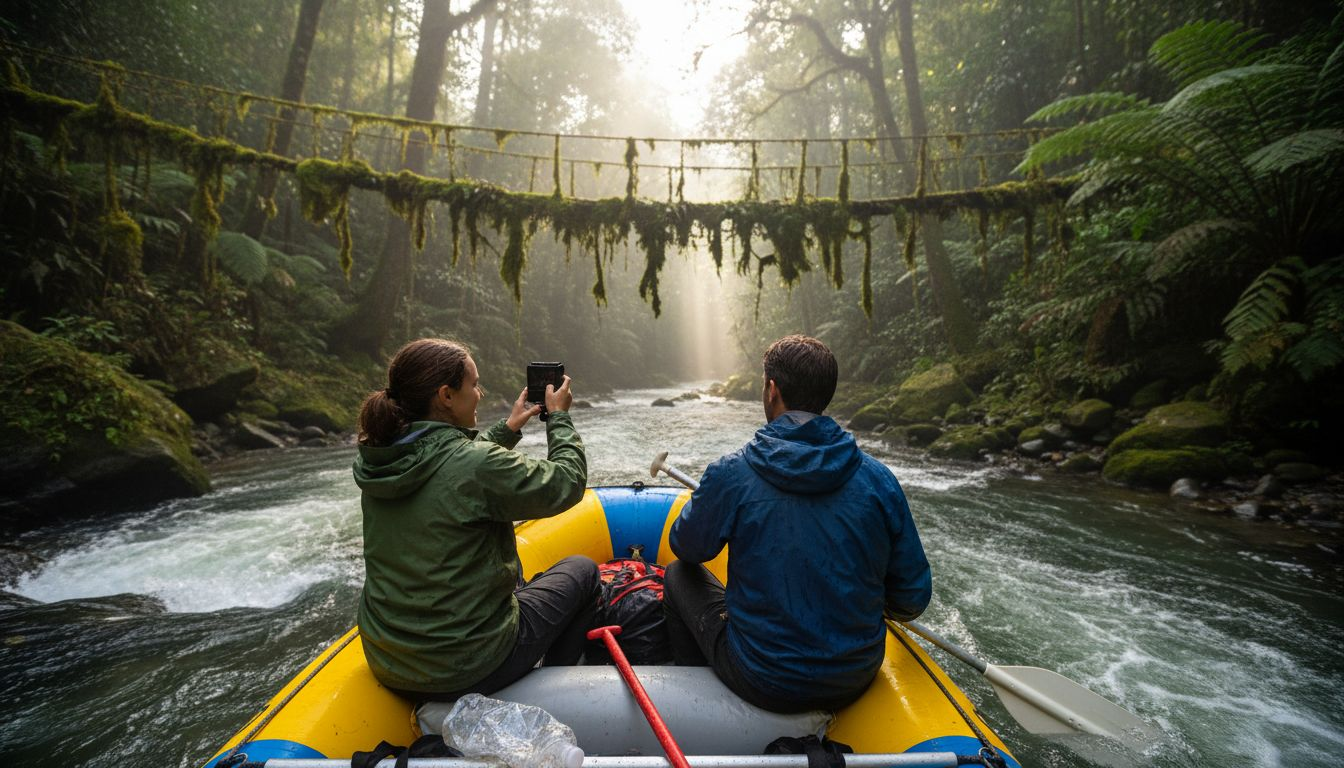
The spectrum of adventure travel can be broadly categorized into several exciting types. Water-based adventures include activities like whitewater rafting, sea kayaking, and scuba diving, where travelers engage with marine environments. Mountain and land-based experiences feature mountain biking, rock climbing, trekking, and hiking through challenging terrain. Some adventure travel also focuses on cultural journeys, polar expeditions, and wildlife holidays that provide unique perspectives on local ecosystems and human experiences.
Cultural adventure travel represents a profound way to explore global diversity. These experiences go beyond traditional sightseeing, offering deep engagement with local communities, ancient sites, and traditional ways of life. Wildlife safaris, for instance, provide opportunities to observe animals in their natural habitats while supporting conservation efforts. Each type of adventure travel offers a unique blend of physical challenge, personal growth, and transformative learning.
Pro Tip: Research and select adventure travel experiences that align with your fitness level, interests, and comfort zone, gradually expanding your horizons with each new journey.
Here's a quick comparison of major types of adventure travel and what makes each unique:
| Adventure Type | Typical Activities | Key Benefit |
|---|---|---|
| Water-Based | Rafting, kayaking, diving | Engage with aquatic nature |
| Mountain/Land-Based | Hiking, biking, climbing | Physical challenges |
| Wildlife Exploration | Safaris, eco-tours | Observe animals in wild |
| Cultural Immersion | Homestays, local workshops | Deep cultural engagement |
Key Features: Thrill, Skills, and Immersion
Adventure-based experiences are fundamentally defined by three transformative elements: thrill, skill development, and deep immersion. These interconnected features create a powerful framework for personal growth that goes far beyond traditional travel experiences, challenging participants to expand their comfort zones and discover hidden capabilities.The thrill component is more nuanced than simple adrenaline rush. It involves intentionally placing yourself in situations that push personal boundaries, requiring mental and physical adaptation. Wilderness programs emphasize skill-building in areas like leadership, decision-making, and survival techniques, which contribute to holistic personal development. These experiences teach participants to navigate uncertainty, build resilience, and develop confidence through practical challenges.
Immersion represents the most profound aspect of adventure travel. Unlike typical tourist experiences, immersive adventures demand active engagement with new environments, cultures, and personal limitations. This means not just observing a landscape or community, but actively participating, learning, and connecting. Whether trekking through remote mountain regions, living with indigenous communities, or navigating challenging terrain, immersion transforms travel from passive observation to a deeply transformative personal journey.
Pro Tip: Choose adventure experiences that intentionally challenge your current skill level, ensuring you grow both technically and personally with each new expedition.
Use this table to review the essential elements of adventure travel experiences:
| Core Feature | Description | Example Benefit |
|---|---|---|
| Thrill | Expanding comfort zones | Boosted confidence |
| Skill Building | Learning practical or leadership | Greater self-reliance |
| Immersion | Deep involvement in environments | Transformative insight |
Essential Gear for Confident Adventure Travel
Confident adventure travel begins with strategic gear preparation. The National Park Service recommends a comprehensive approach to outdoor equipment, focusing on the 'Ten Essentials' that ensure safety and self-sufficiency. These critical items transform an unpredictable journey into a manageable and enjoyable experience, providing travelers with the tools to handle unexpected challenges.
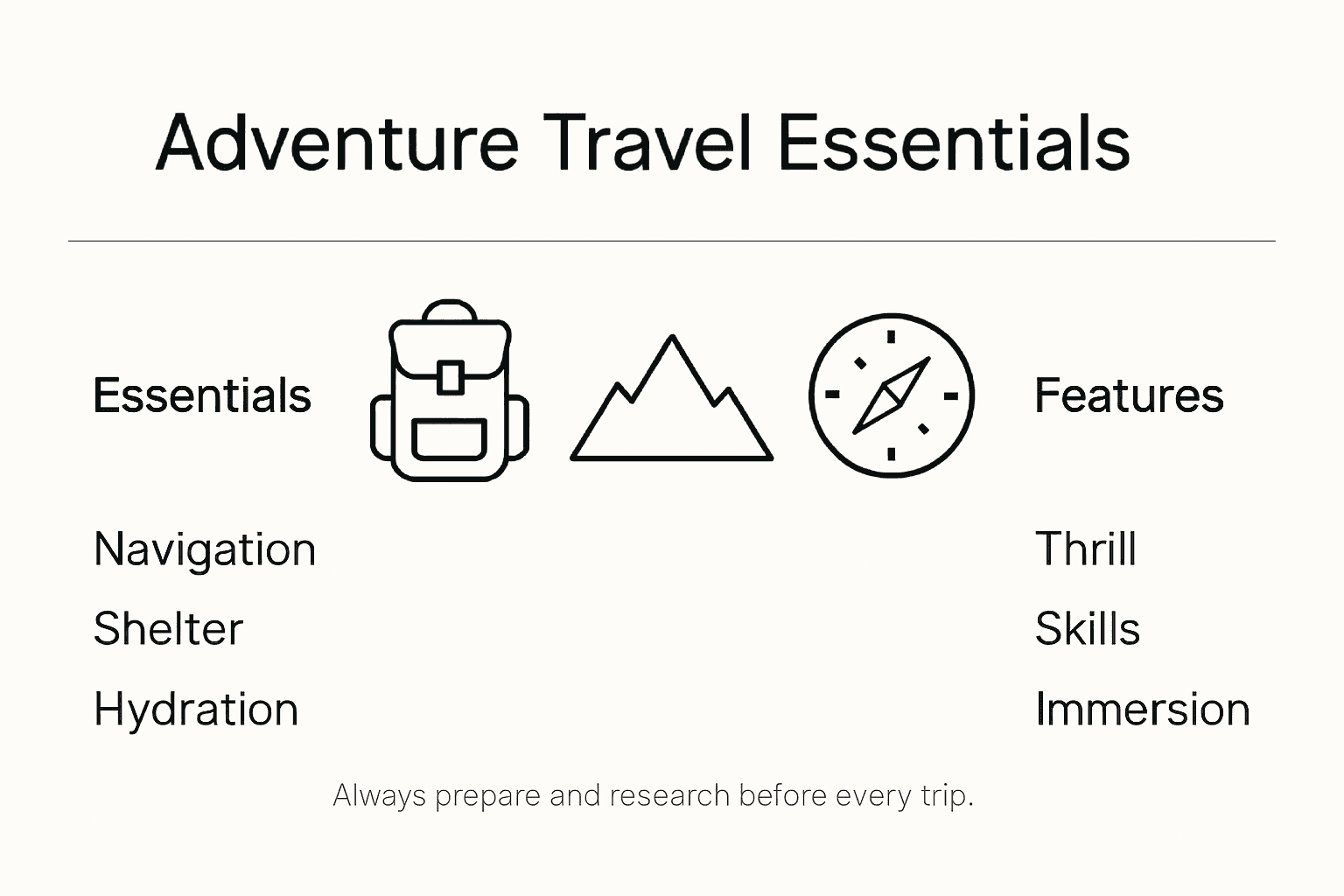
Navigation and survival tools form the backbone of adventure preparedness. This includes reliable mapping devices, GPS systems, compasses, and backup communication tools. Mountaineering experts emphasize that these essentials are not just optional accessories, but critical components that prepare travelers to prevent and respond to potential emergencies. Equally important are protection items: waterproof layers, emergency shelters, first-aid kits, multi-purpose tools, and sufficient food and water supplies.
Beyond basic survival gear, successful adventure travelers invest in high-quality, multipurpose equipment that balances weight, durability, and functionality. Lightweight, compact items that serve multiple purposes reduce pack weight while increasing preparedness. Technical fabrics that offer moisture-wicking, quick-drying, and temperature-regulating properties can make the difference between comfort and discomfort in challenging environments. Investing in reliable gear is not about having the most expensive equipment, but about selecting intelligent, adaptable tools that enhance personal safety and travel experience.
Pro Tip: Always test and familiarize yourself with new gear before embarking on a significant adventure, ensuring you understand each item's functionality and potential limitations.
Risk Management and Safe Exploration
Adventure travel requires a strategic and informed approach to personal safety. The Centers for Disease Control provides comprehensive guidelines for minimizing risks during outdoor expeditions, emphasizing the critical importance of understanding individual physical limitations and preparing thoroughly before embarking on any challenging journey.
Risk management begins with comprehensive personal assessment and preparation. This involves multiple layers of proactive planning: obtaining medical clearance, understanding the specific challenges of your chosen destination, and developing a robust emergency response strategy. Experts in outdoor risk management recommend detailed program design that anticipates potential challenges and creates systematic approaches to safety. Key considerations include thorough equipment checks, understanding local terrain and weather conditions, carrying appropriate communication devices, and maintaining flexible contingency plans.
Effective risk management extends beyond physical preparation to include mental readiness and situational awareness. Successful adventure travelers develop skills in quick decision-making, stress management, and adaptive problem-solving. This means continuously evaluating environmental conditions, recognizing personal fatigue or capability limits, and being willing to modify plans when safety becomes a concern. Communication with local guides, understanding cultural contexts, and maintaining clear lines of emergency contact are equally crucial components of a comprehensive safety strategy.
Pro Tip: Create a detailed safety plan before each adventure, including emergency contact information, medical details, and a step-by-step communication protocol for unexpected situations.
Equip Yourself for Every Adventure Challenge
The article reveals common challenges faced during adventure travel such as managing risk safely, developing essential skills, and preparing with the right gear. Many travelers struggle with uncertainty around which equipment ensures confidence and resilience in unpredictable outdoor environments. If you want to embrace the thrill and immersion of adventure travel while staying secure and comfortable, having reliable, durable gear tailored for every condition is key. Life Camp Adventure understands these core needs and provides thoughtfully designed outdoor essentials that support skill building, immersion, and risk management in the wild.
Whether you are venturing into mountain terrain, engaging in water-based exploits, or preparing for cultural immersion excursions, our products emphasize comfort and ease of use so you can focus on personal growth and excitement. From waterproof apparel to navigation and survival tools, our collection bridges the gap between aspiration and safe exploration.
Explore high-quality camping equipment and survival essentials that transform your journeys into confident, transformative adventures at Life Camp Adventure.
Ready to push your limits and discover new capabilities with reliable gear built for every outdoor experience Discover your ideal adventure setup and start your journey today at Life Camp Adventure. Your next thrilling exploration awaits with equipment designed to elevate every step of your path.
Frequently Asked Questions
What is adventure travel?
Adventure travel is an exhilarating way to experience the world that encompasses exploration, physical challenge, and personal discovery. It includes a range of activities from gentle hikes to extreme sports, catering to various fitness levels and comfort zones.
Is adventure travel safe for beginners?
Yes, adventure travel can be safe for beginners. By selecting experiences within your comfort zone, researching activities thoroughly, and preparing adequately, you can enjoy safe and accessible adventures without needing superhuman physical prowess.
What types of activities are included in adventure travel?
Adventure travel includes a wide variety of activities such as whitewater rafting, scuba diving, mountain climbing, hiking, and cultural immersion experiences. Each activity presents unique challenges and opportunities for personal growth.
How can I prepare for an adventure travel trip?
Preparation for adventure travel includes selecting appropriate gear, assessing your physical fitness level, understanding the specific challenges of your chosen experiences, and creating a detailed safety plan that includes emergency contacts and medical information.
