Choosing your first multi-day backpacking route can feel overwhelming when you live in a busy American city and the wilderness seems far away. Understanding your adventure goals and packing smart are critical to building confidence and avoiding unnecessary challenges on the trail. This guide delivers practical steps for evaluating your fitness level, selecting durable lightweight gear, planning meals and hydration, and organizing your backpack so you feel prepared for any outdoor excursion.
Quick Summary
| Key Point | Explanation |
|---|---|
| 1. Assess Your Goals and Route | Understand your fitness level and outdoor experience to choose trails that match your abilities and interests. |
| 2. Choose Lightweight and Versatile Gear | Opt for multipurpose tools and clothing to minimize pack weight while ensuring comfort and functionality in your backpacking setup. |
| 3. Plan Meals and Hydration Strategically | Carry 1.5 to 2.5 pounds of calorie-dense food per day and ensure you have reliable water sources to maintain energy and hydration. |
| 4. Pack Your Backpack for Comfort | Load heavier items close to your back and center of gravity to distribute weight evenly and enhance comfort throughout your trek. |
| 5. Test Your Gear and Setup | Practice with your packed gear in realistic conditions to identify issues and gain confidence before your actual backpacking trip. |
Step 1: Assess your backpacking goals and route
Successful backpacking starts with a clear understanding of your personal adventure goals and the right trail selection. This crucial planning stage determines everything from your physical preparation to the gear you will pack.
Begin by honestly evaluating your current fitness level and outdoor experience. Are you a weekend hiker looking for a moderate challenge or an experienced trekker seeking a rigorous wilderness expedition? The comprehensive backpacking framework suggests mapping out your motivations first. Some backpackers pursue physical challenge, while others seek photography opportunities or pure wilderness immersion.
Research potential routes carefully by consulting official national park resources and understanding trail difficulty ratings. Consider terrain complexity, elevation changes, water availability, and seasonal conditions. Check required permits, camping regulations, and potential wildlife interactions. For beginners, selecting trails with established campsites and moderate difficulty can help build confidence and minimize risks.
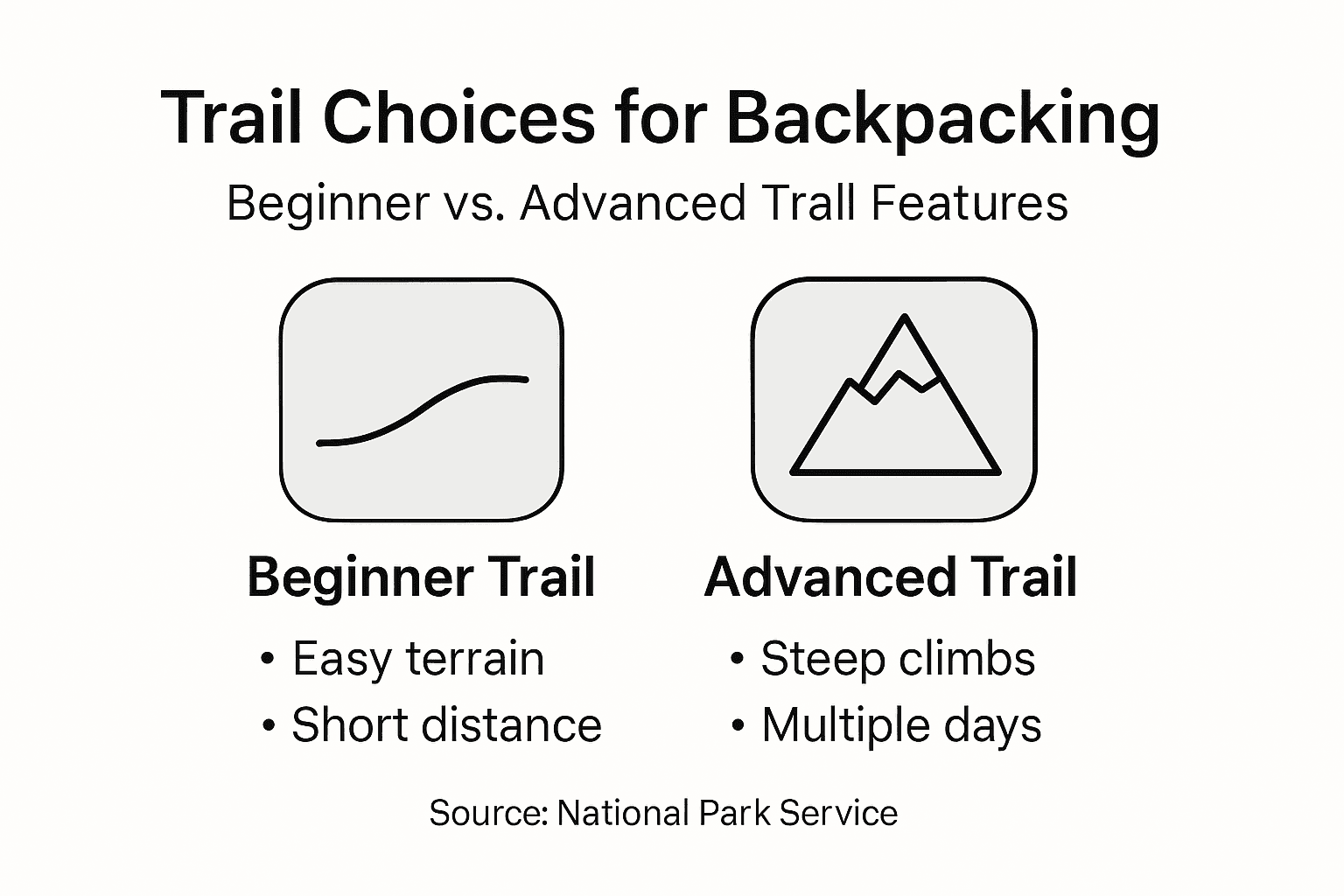
Here's a comparison of factors to consider when choosing a backpacking route:
| Factor | Beginner Trail Choice | Advanced Trail Choice |
|---|---|---|
| Terrain Complexity | Well-marked and gentle | Steep, rugged, remote |
| Campsite Access | Established and frequent | Primitive, dispersed |
| Water Availability | Reliable, consistent sources | Sparse, may require planning |
| Permit Requirements | Minimal or online permitting | Strict quotas, advance booking |
| Wildlife Encounters | Lower risk, managed areas | Remote, possible high risk |
| Trail Difficulty | Moderate, low elevation gain | Strenuous, major elevation gain |
Pro tip: Always share your planned route and expected return date with a trusted friend or family member before departing on your backpacking adventure.
Step 2: Select and organize essential lightweight gear
Choosing the right backpacking gear is about striking a perfect balance between weight, functionality, and personal comfort. Your goal is to pack smart, not heavy, ensuring you have everything needed for a safe and enjoyable wilderness adventure.
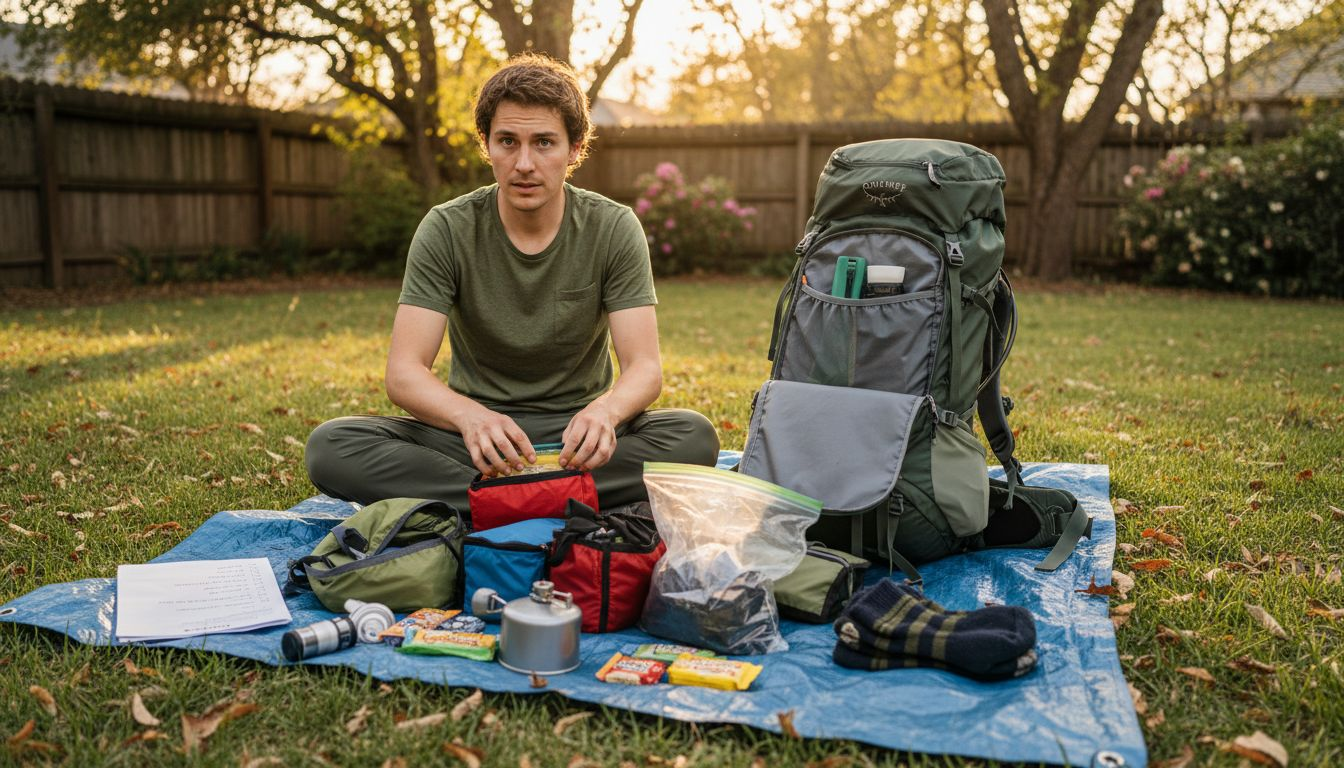
Start by understanding the 10 essential gear categories that form the foundation of any successful backpacking trip. Focus on versatile items that serve multiple purposes and prioritize lightweight materials. Synthetic clothing that dries quickly, compact water filtration systems, and multipurpose tools will help you minimize pack weight while maximizing utility.
Carefully organize your gear using the Yosemite Conservancy packing approach, which emphasizes layering clothing and selecting items that adapt to changing weather conditions. Group similar items in waterproof stuff sacks or compression bags to maximize space and keep your equipment protected. Always test and familiarize yourself with new gear before your trip to ensure you can use each piece effectively and efficiently.
Pro tip: Weigh each item before packing and aim to keep your total backpack weight under 20% of your body weight for maximum comfort and mobility.
Step 3: Plan your daily meals and water sources
Successful backpacking requires strategic meal planning and careful water management to maintain your energy and health throughout your wilderness adventure. Understanding how to pack nutritious food and ensure reliable hydration is crucial for an enjoyable trip.
Start by following backpacking meal planning guidelines that recommend carrying 1.5 to 2.5 pounds of food per day. Focus on calorie dense, lightweight options such as nuts, dehydrated fruits, energy bars, and compact protein sources. Prioritize meals that are easy to prepare and provide sustained energy without adding excessive weight to your pack. Consider packaged dehydrated meals that only require hot water and offer balanced nutrition.
Manage your water sources carefully by researching wilderness water safety protocols before your trip. Always carry a reliable water filtration system or purification tablets, and plan your route around known water sources. Map out potential water collection points in advance and understand local regulations about water treatment. Pack lightweight water containers that can be easily refilled and treated to ensure you remain hydrated without carrying excessive water weight.
Pro tip: Pack electrolyte powder packets to quickly replenish minerals and prevent dehydration during long hiking days.
Use this summary to guide meal and water decisions for your backpacking trip:
| Topic | Key Consideration | Practical Tip |
|---|---|---|
| Meal Weight | 1.5–2.5 lbs per day | Choose calorie dense foods |
| Nutrition | Sustained energy, balanced macros | Dehydrated meals save weight |
| Water | Treatment and refill options | Map sources, carry filter/tablets |
| Hydration | Prevent dehydration | Add electrolyte powder to water |
Step 4: Pack your backpack for optimal comfort
Effective backpack packing is an art that directly impacts your comfort, energy, and overall enjoyment during a wilderness adventure. Learning to distribute weight strategically can transform a challenging trek into a smooth and pleasurable experience.
Master the essential backpack packing techniques that focus on weight distribution and balance. Aim to place 80 to 90 percent of your pack's weight on your hips, which means loading heavier items closer to your back and centered near your spine. Pack dense items like cooking gear and water near your body's center of gravity, with lighter clothing and soft items forming a buffer around these core weight points.
Prioritize your physical health by preventing backpack related strain through careful packing and fitting. Choose a backpack with padded, adjustable shoulder straps and a supportive waist belt to distribute weight evenly. Limit your total pack weight to no more than 10 percent of your body weight, and adjust straps so the pack sits just above your waist. Organize frequently used items in exterior pockets for quick access, keeping your main compartment balanced and efficient.
Pro tip: Do a short practice walk around your neighborhood with your fully packed backpack to test weight distribution and make necessary adjustments before your actual trip.
Step 5: Test your setup before hitting the trail
Preparing for a successful backpacking trip means thoroughly testing your gear and personal readiness before stepping onto the actual trail. This critical preparation phase helps identify potential issues and builds your confidence in handling outdoor challenges.
Conduct comprehensive pre-trip gear testing and practice by simulating real wilderness conditions. Set up your tent in your backyard or local park, practice using your camp stove, and take short day hikes with your fully loaded backpack. Learn how your equipment functions and how your body responds to the weight and terrain. Understanding these details beforehand can prevent frustrating surprises during your actual adventure.
Follow expert recommendations for trial hikes and gear familiarization by doing overnight practice runs on terrain similar to your planned route. This approach allows you to identify gear malfunctions, assess your physical comfort, and refine your packing strategy. Pay attention to how your body feels, check for any equipment issues, and make adjustments to your gear or fitness preparation accordingly. The more realistic your practice, the more confident and prepared you will be on the actual trail.
Pro tip: Photograph your gear setup and pack configuration during practice runs so you can easily replicate the most comfortable and efficient arrangement on your actual trip.
Gear Up for Your Backpacking Adventure with Confidence
Preparing for a backpacking trip involves overcoming challenges like choosing the right lightweight gear, planning meal essentials, and ensuring your pack is comfortable and balanced. You want equipment that supports your goals, from trail difficulty to water treatment and pack organization. At Life Camp Adventure, we understand these pain points deeply and offer adventure-ready products that combine durability, comfort, and ease of use to help you carry less and do more.
Experience the difference that high-quality camping gear and survival essentials can make in your outdoor preparations. Whether you are testing your setup before hitting the trail or mastering backpack packing techniques, our reliable gear will give you peace of mind and enhance your outdoor experience. Explore our collection to find exactly what you need to confidently tackle every step of your journey.
Ready to elevate your backpacking preparation? Visit Life Camp Adventure now to discover gear designed for comfort and durability. Start your adventure equipped with the best and make every mile more enjoyable.
Frequently Asked Questions
How do I assess my backpacking goals and route?
To assess your backpacking goals and route, start by evaluating your fitness level and outdoor experience. Determine whether you're looking for a moderate trail or a challenging expedition, and research potential routes that match your skill level.
What essential gear should I pack for backpacking?
When packing for backpacking, focus on lightweight, versatile gear that meets all your needs. Aim to include items from the 10 essential gear categories, emphasizing high-quality materials that serve multiple purposes to minimize pack weight.
How can I plan my meals and manage water sources while backpacking?
To plan meals, carry 1.5 to 2.5 pounds of calorie-dense food per day, such as nuts and dehydrated meals. For water, research reliable sources on your route and pack a water filtration system to ensure hydration without the added weight of excess water.
What are the best techniques for packing my backpack for comfort?
To pack your backpack for optimal comfort, distribute 80 to 90 percent of the weight on your hips. Place heavier items near your back and centered for better balance, while keeping lighter items around them for comfort during your hike.
Why is it important to test my setup before hitting the trail?
Testing your setup is crucial to identify any issues with your gear and build confidence in your skills. Conduct practice runs in similar conditions before your trip, allowing you to familiarize yourself with equipment usage and packing efficiency.
How can I ensure my backpack weight is manageable?
To ensure your backpack weight is manageable, aim for a total weight that is no more than 10 percent of your body weight. Weigh each item before packing and prioritize lightweight gear to distribute the load effectively for comfort on the trail.
Recommended
- How to Plan a Camping Trip for Stress-Free Adventure
- Adventure Travel Explained: Thrill, Nature, and
- 1-Person Backpacking Tent; Lightweight and PU 5000mm Waterproof for Camping Tra
- 60L Outdoor Large Capacity Waterproof Mountaineering Backpack For Hiking Camping
- Basketball Pregame Preparation Guide: Maximize Game Readiness – Hoop Mentality
