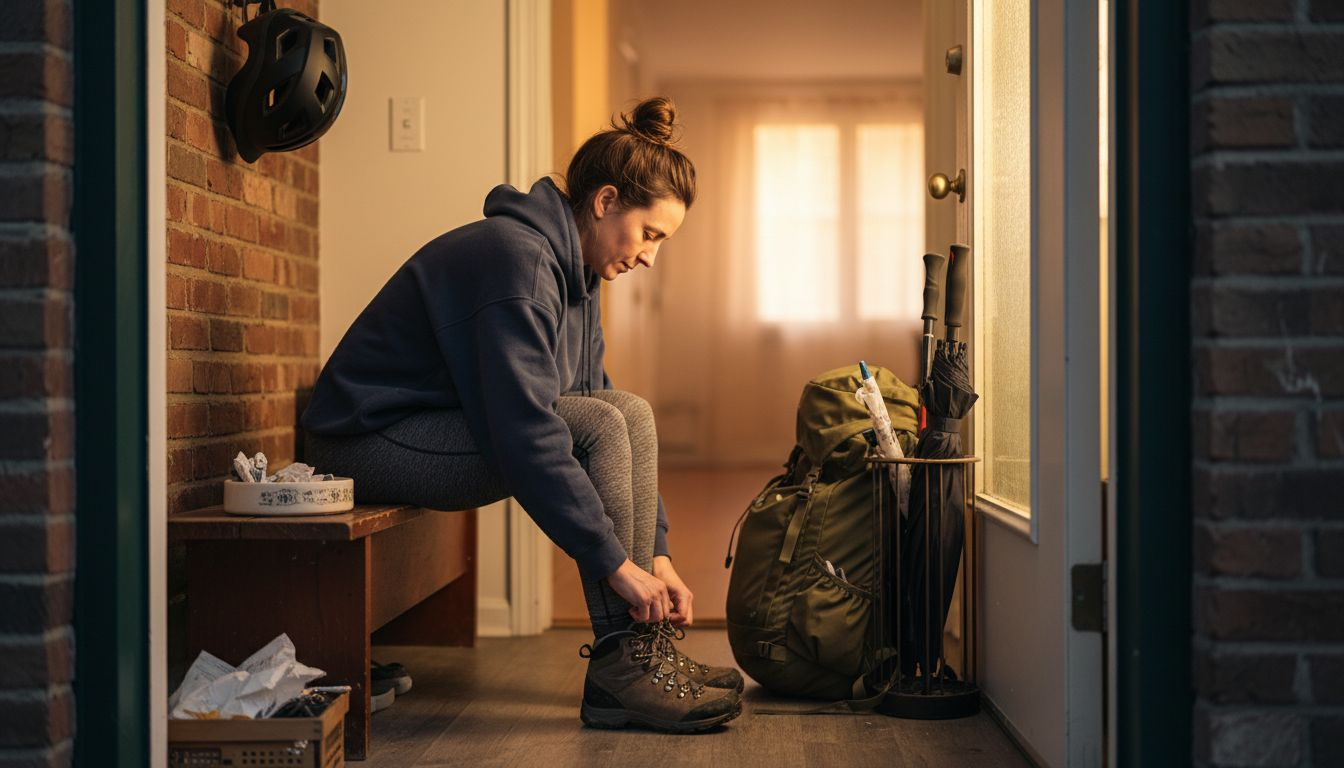
Stuck in back-to-back meetings with barely a chance to step outside? Microadventures offer busy American professionals a way to recharge and reconnect with nature—no plane tickets or complicated gear required. This fresh take on outdoor adventure highlights short, local escapes that are affordable and easy to plan. Discover how real-world microadventures challenge common myths and show you new ways to make nature part of your weekly routine, all with gear you can pack in minutes.
Key Takeaways
| Point | Details |
|---|---|
| Microadventures Redefine Exploration | Microadventures offer accessible, short-duration outdoor experiences that fit into busy lifestyles, focusing on local locations rather than extensive travel. |
| Common Misconceptions | Myths surrounding microadventures, such as the need for expensive gear or extensive travel, limit participation and understanding of their true value. |
| Benefits for Urban Professionals | Engaging in microadventures can enhance work-life balance, provide stress relief, and foster social connections, making nature more relatable and enjoyable. |
| Essential Gear for Success | Microadventure gear should prioritize simplicity and portability, allowing spontaneous adventures without significant preparation or cost. |
Microadventure Defined: Key Concepts and Common Myths
Microadventure represents a modern approach to experiencing outdoor adventure that challenges traditional perceptions of exploration. Evolving human connections with nature have transformed how urban professionals view recreational experiences, making adventure more accessible and flexible than ever before.
Popularized by British adventurer Alastair Humphreys, the concept fundamentally redefines adventure through three core principles:- Short duration experiences (typically overnight)
- Local and easily accessible locations
- Minimal financial and equipment investment
Contrary to popular belief, microadventures aren't about grand expeditions or extreme physical challenges. They represent strategic, intentional interactions with outdoor environments that fit seamlessly into busy professional lives. The goal is transformative experiences without requiring extensive planning, significant travel, or specialized training.
Common myths about microadventures often prevent people from embracing this flexible approach to outdoor exploration. Here are the most prevalent misconceptions:
- Adventure requires extensive travel
- You need expensive, specialized gear
- Only athletes or experienced outdoors people can participate
- Short trips aren't meaningful
These myths fundamentally misunderstand the core philosophy of microadventures. Urban professionals can transform their relationship with nature through strategic, bite-sized experiences that provide mental reset, physical challenge, and genuine connection with the outdoors.

Here's a summary of how microadventures compare to traditional outdoor adventures:
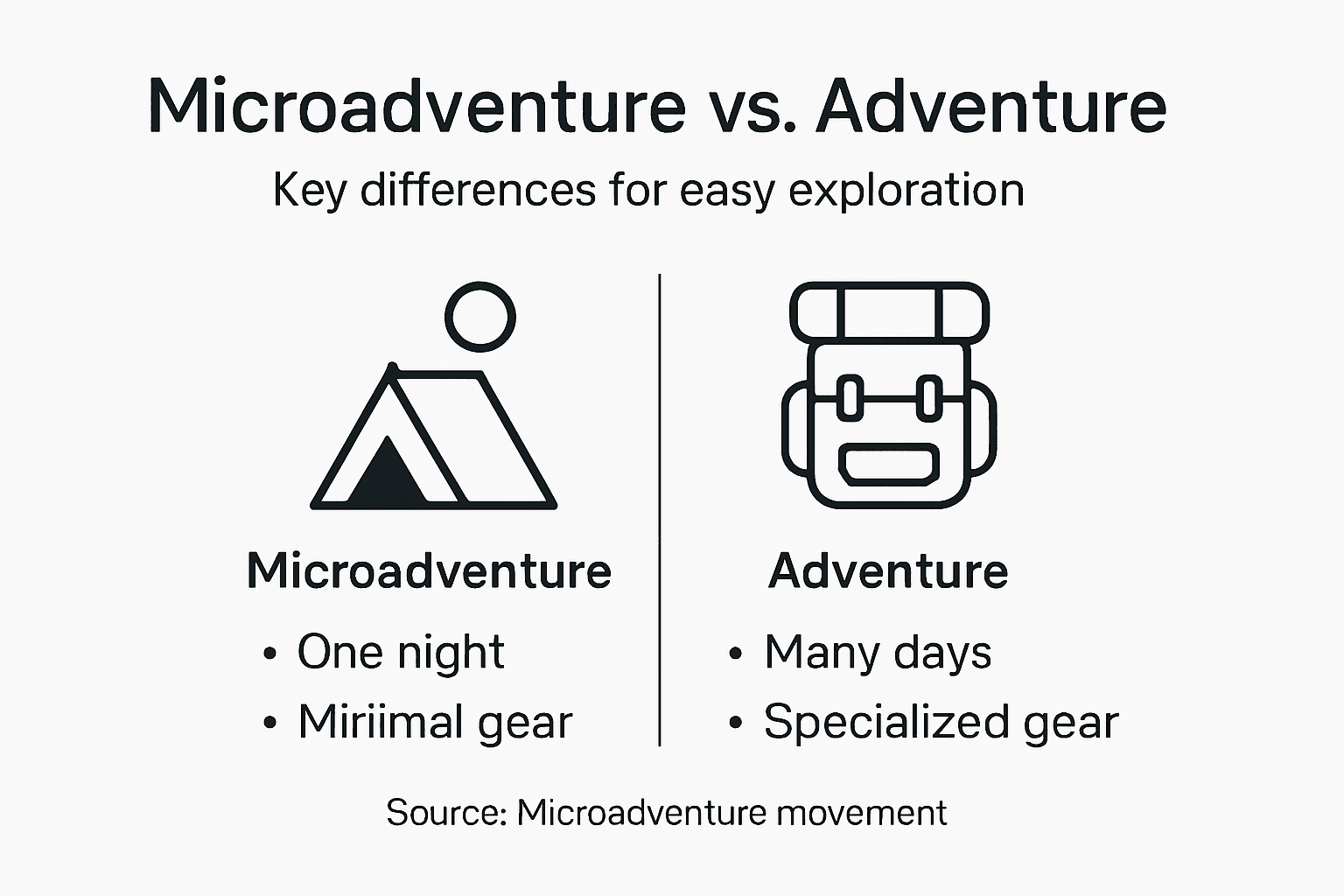
| Aspect | Microadventure Approach | Traditional Adventure Approach |
|---|---|---|
| Duration | One night or less | Several days or weeks |
| Location | Close to home, often within city limits | Remote, often international |
| Planning Time | Minimal, spontaneous | Extensive, detailed planning required |
| Equipment Needs | Basic gear, easily accessible | Specialized, often expensive gear |
| Financial Investment | Low, affordable for most professionals | High, significant travel and gear |
| Accessibility | Open to all experience levels | Suited for experienced adventurers |
Pro tip: Start your microadventure journey by planning a simple overnight camping trip within 50 miles of your home, using basic gear you already own.
Popular Microadventure Types and Real-World Examples
Microadventures offer urban professionals multiple exciting ways to break free from routine and experience meaningful outdoor encounters. Local adventure types span diverse experiences that can transform an ordinary weekend into an extraordinary personal journey.
The most popular microadventure categories include:
- Wild Camping: Overnight sleeping under stars with minimal gear
- Urban Night Exploration: Discovering city environments after dark
- Bike Adventures: Cycling to unfamiliar local destinations
- Wild Swimming: Exploring natural water bodies within driving distance
Real-world microadventure examples demonstrate how accessible these experiences can be for busy professionals:
- Overnight camping in a state park within 50 miles of home
- Sunrise hiking on a nearby trail before work
- Evening bike exploration of urban neighborhoods
- Weekend wild swimming in a local river or lake
By embracing these bite-sized adventures, urban professionals can reconnect with nature, challenge personal limits, and create memorable experiences without significant time or financial investment.
This table highlights the main benefits urban professionals gain from incorporating microadventures into their routines:
| Benefit | Description |
|---|---|
| Stress Reduction | Brief escapes help recharge mentally |
| Physical Activity | Promotes health without extreme demands |
| Social Connections | Can involve friends or family easily |
| Work-Life Balance | Fits into weekends or off-hours |
| Environmental Awareness | Increases appreciation for local nature |
Microadventures prove that extraordinary experiences don't require extraordinary circumstances - just a willingness to step outside your comfort zone.
Pro tip: Pack a lightweight sleeping bag and emergency bivvy in your car, enabling spontaneous overnight adventures whenever inspiration strikes.
Essential Gear for Successful Microadventures
Microadventure gear prioritizes simplicity and portability to enable spontaneous outdoor experiences without complex preparation or expensive equipment. Urban professionals can transform weekend routines by packing lightweight, versatile gear that supports quick and accessible adventures.
The core essentials for a successful microadventure include:
- Lightweight Sleeping System
- Compact sleeping bag
- Lightweight sleeping mat
- Bivvy bag for minimalist shelter
- Portable Cooking Equipment
- Compact camping stove
- Lightweight cookware
- Portable water filtration system
- Basic Navigation Tools
- Smartphone with offline maps
- Compact compass
- Headlamp with extra batteries
Key considerations when selecting microadventure gear include:
- Weight and packability
- Multipurpose functionality
- Durability
- Affordability
- Ease of use
Microadventure gear isn't about having the most expensive equipment, but about having the right tools to create memorable experiences.
Pro tip: Create a dedicated microadventure kit stored in a grab-and-go backpack, ensuring you're always ready for a spontaneous outdoor escape.
How to Plan and Start Your Microadventure
Embracing microadventures requires strategic local planning that transforms ordinary spaces into extraordinary experiences. Urban professionals can design meaningful adventures without extensive travel or significant time investments by approaching planning with creativity and intentionality.Effective microadventure planning involves several key steps:
- Location Research
- Identify nearby parks and natural areas
- Check local trail systems
- Explore state and county parks within 50 miles
- Timing Considerations
- Select weekends or overnight trips
- Consider sunrise/sunset experiences
- Plan around work and personal schedules
- Safety and Preparation
- Review local weather forecasts
- Pack appropriate gear
- Inform someone about your adventure plan
Successful microadventures require minimal equipment but maximum flexibility. Urban explorers should focus on creating adaptable experiences that can be quickly assembled and spontaneously executed, transforming routine weekends into memorable outdoor encounters.
A typical microadventure planning process includes:
- Select a destination within driving distance
- Check local regulations and access points
- Prepare minimal gear kit
- Plan transportation logistics
- Create a flexible itinerary
Microadventures are less about the destination and more about breaking routine and experiencing nature differently.
Pro tip: Create a pre-packed adventure bag with essential gear, allowing you to launch a microadventure within 30 minutes of deciding to go.
Safety, Accessibility, and What to Avoid
Microadventure safety requires holistic approach addressing multiple risk dimensions beyond traditional outdoor preparation. Urban professionals must consider physical, environmental, and personal safety factors when planning their adventure experiences.
Key safety considerations for microadventures include:
- Personal Safety Preparedness
- Share detailed trip plan with emergency contact
- Carry basic first-aid kit
- Bring communication devices with backup power
- Environmental Awareness
- Check local weather conditions
- Research potential wildlife interactions
- Understand terrain difficulty levels
- Health and Risk Management
- Assess personal fitness levels
- Know personal medical limitations
- Carry necessary medications
Microadventure participants should be aware of critical risks and potential barriers that could compromise their experience. Understanding what to avoid becomes just as important as planning what to do.
Risks to actively mitigate include:
- Overestimating personal physical capabilities
- Ignoring local weather warnings
- Traveling without proper communication backup
- Neglecting basic safety equipment
- Exploring unfamiliar terrain without research
Safety in microadventures isn't about eliminating risk, but managing it intelligently and responsibly.
Pro tip: Create a digital safety folder with medical information, emergency contacts, and planned route details, accessible to trusted contacts before every microadventure.
Elevate Your Microadventure Experience with Life Camp Adventure
Discover how to transform your everyday life with the power of microadventures by tackling the common challenges of limited time, equipment, and planning. If you want to break free from routine but worry about having the right gear or feeling overwhelmed by preparation, you are not alone. The article highlights how microadventures are about simple, local escapes that require minimal gear and planning. At Life Camp Adventure, we understand these pain points and offer durable, easy-to-use camping equipment and survival essentials designed specifically to help urban professionals like you embrace spontaneous outdoor experiences with confidence.
Get ready to step outside your comfort zone and create meaningful adventures without stress or heavy investment. Visit Life Camp Adventure to find thoughtfully curated gear that fits perfectly into your bite-sized adventures. Whether you need a lightweight sleeping system, portable cooking gear, or essential safety tools, our collection supports your journey from planning to execution. Start your microadventure today and experience nature in new ways while feeling fully prepared and comfortable. Explore our selection now and begin your next outdoor adventure with confidence.
Frequently Asked Questions
What is a microadventure?
A microadventure is a short, easily accessible outdoor experience that typically lasts overnight or less, allowing individuals to reconnect with nature without extensive travel or planning.
How do I get started with microadventures?
To start with microadventures, research nearby parks or natural areas, choose a location within driving distance, prepare a minimal gear kit, and plan a flexible itinerary that fits into your schedule.
What are some common types of microadventures?
Common types of microadventures include wild camping, urban night exploration, bike adventures, and wild swimming, all designed to provide meaningful outdoor experiences close to home.
What essential gear do I need for a microadventure?
Essential gear for a microadventure includes a lightweight sleeping system, portable cooking equipment, and basic navigation tools to ensure a successful and spontaneous outdoor experience.
