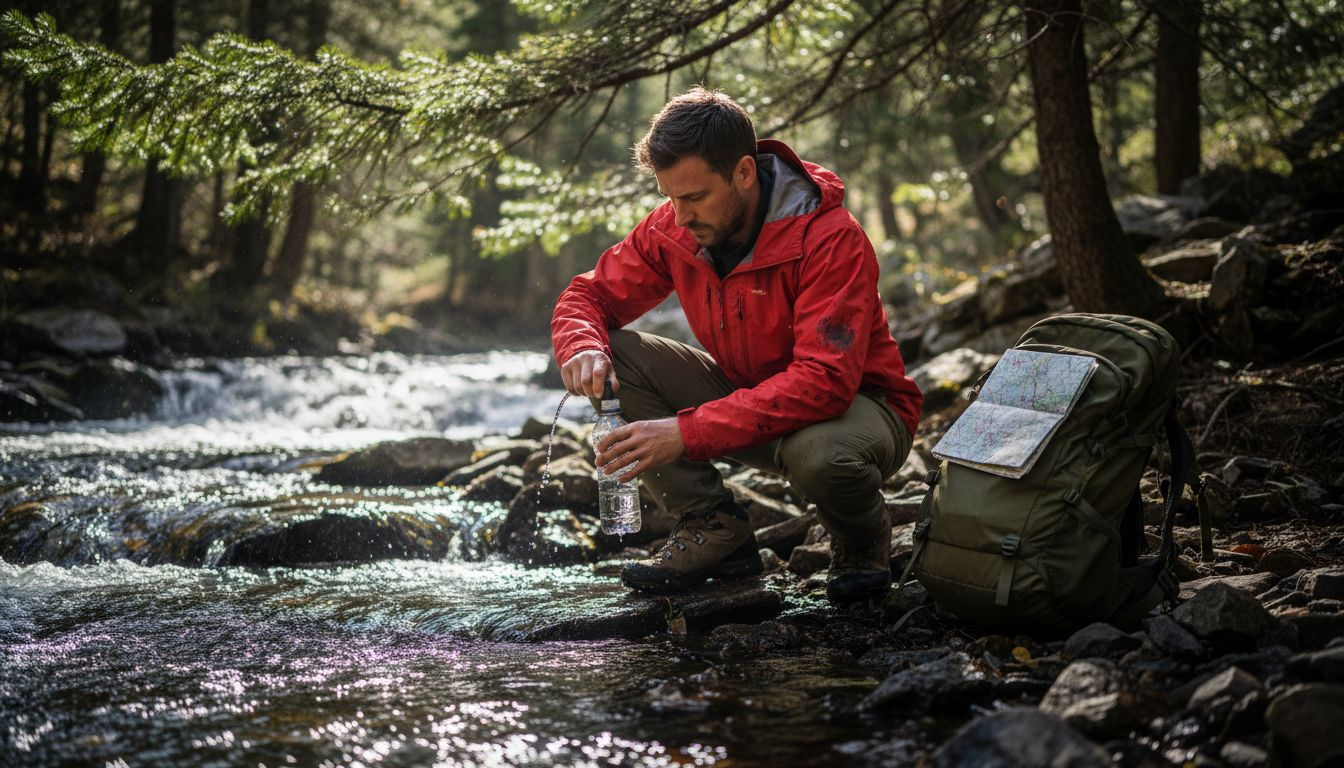
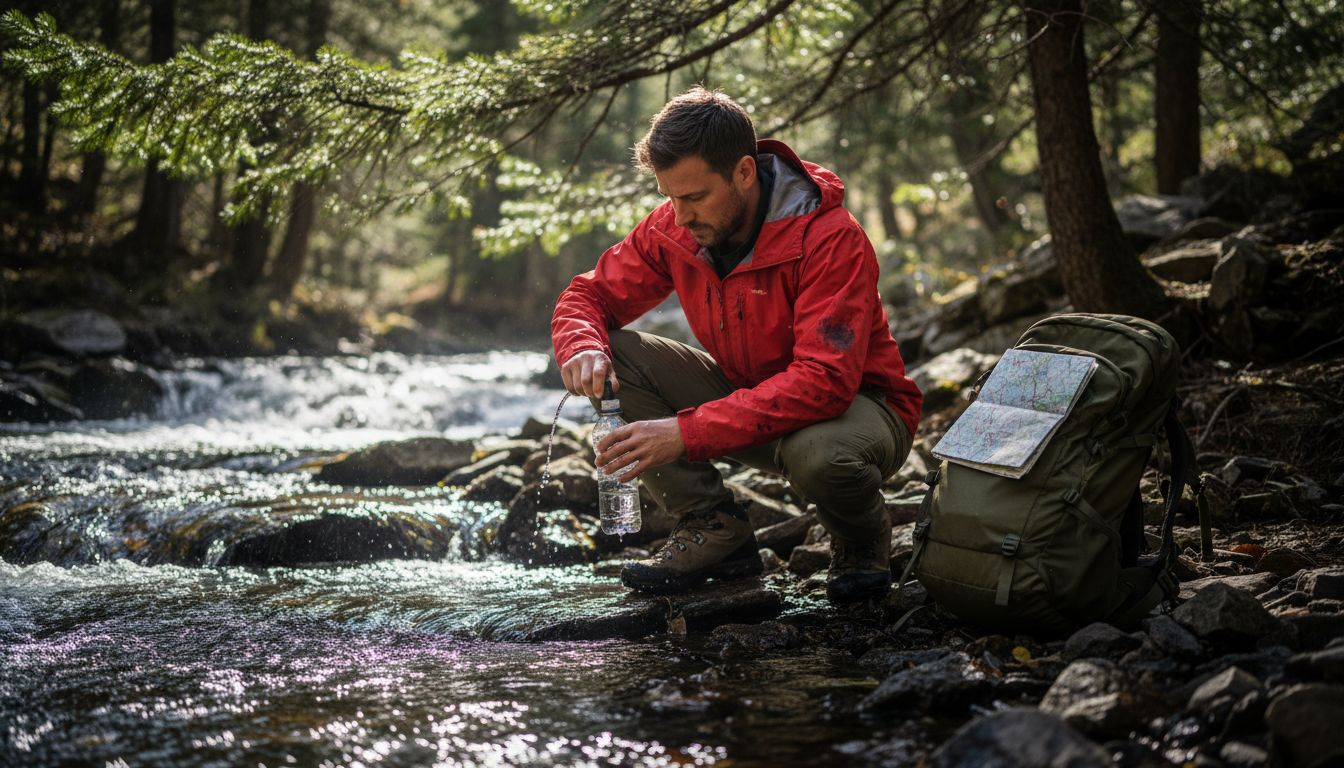
Stream crossings and mountain springs are a familiar part of every rugged journey in the Pacific Northwest, but knowing what lurks beyond the surface is crucial for every serious adventurer. Out here, water filtration is not just a matter of taste or clarity—it's a critical survival skill. Whether your travels take you along the misty trails of Olympic National Park or deep into the Cascades, understanding how to choose and use the right filtration method protects you from invisible threats and keeps you moving strong on multi-day backcountry expeditions.
Key Takeaways
| Point | Details |
|---|---|
| Importance of Water Filtration | Outdoor water filtration is essential for preventing waterborne illnesses during wilderness adventures. Knowing how to effectively filter water protects adventurers from hidden contaminants. |
| Types of Filtration Methods | Understanding various filtration techniques—mechanical, chemical, biological, and advanced membranes—allows adventurers to choose the best method for their specific water source and situation. |
| Risks of Untreated Water | Untreated water can harbor dangerous microorganisms and chemicals that pose serious health risks. Always carry multiple purification methods and be aware of contamination signs. |
| Preparation is Key | Familiarize yourself with your chosen filtration system before a trip to ensure reliability and effectiveness in the field. Proper preparation can prevent potential medical emergencies. |
Water Filtration Outdoor: Definition and Importance
Outdoor water filtration represents a critical survival skill for adventurers navigating remote wilderness environments. At its core, water filtration involves removing harmful contaminants, bacteria, and pathogens from natural water sources to make them safe for human consumption. Natural filtration processes have existed for thousands of years, demonstrating humanity's long-standing understanding of water purification techniques.
The fundamental purpose of outdoor water filtration extends far beyond simple hydration. By effectively removing potentially dangerous microorganisms and particulate matter, filtration systems protect adventurers from waterborne illnesses that could compromise an expedition. These systems work through multiple mechanisms:
- Mechanical filtration using physical barriers
- Chemical treatment to neutralize pathogens
- Biological filtration eliminating microscopic contaminants
- Activated carbon absorption of organic compounds
Water quality in wilderness settings varies dramatically, making comprehensive filtration essential. Historical water treatment methods reveal that humans have long understood the critical relationship between water purity and human health. Rivers, streams, and mountain springs might appear crystal clear but can harbor invisible dangers like giardia, cryptosporidium, and other potentially fatal microorganisms.
Clean water isn't just about quenching thirst—it's about survival and maintaining peak physical performance during outdoor adventures.
Understanding water filtration involves recognizing the complex interactions between natural water sources and potential contaminants. Different environments present unique challenges, from alpine snowmelt to desert water sources, requiring adventurers to adapt their filtration strategies accordingly. Professional outdoor enthusiasts invest in robust filtration systems that can handle diverse water conditions while remaining lightweight and portable.
Pro tip: Always carry a backup water filtration method and understand how to use multiple purification techniques in emergency situations.
Types of Outdoor Water Filtration Methods
Outdoor water filtration encompasses several sophisticated techniques designed to transform potentially contaminated water sources into safe drinking water for adventurers. Water filtration technologies range from portable mechanical systems to advanced membrane-based approaches, each offering unique advantages for wilderness survival scenarios.
The primary categories of outdoor water filtration methods include:
- Mechanical Filters
- Ceramic filters
- Hollow fiber membrane filters
- Straw-style personal filters
- Chemical Treatment
- Iodine tablets
- Chlorine dioxide drops
- UV light purification
- Biological Filtration
- Activated carbon filters
- Sand and gravel filtration systems
- Advanced Membrane Techniques
- Microfiltration
- Ultrafiltration
- Reverse osmosis systems
Each filtration method targets specific contaminants and operates with varying levels of efficiency. Constructed wetland approaches demonstrate how natural processes can effectively remove pollutants, offering insights into comprehensive water treatment strategies. Mechanical filters typically remove larger particulates, while chemical treatments neutralize microscopic organisms that pose significant health risks.
Choosing the right water filtration method can mean the difference between a successful adventure and a potential medical emergency.
Professional adventurers often combine multiple filtration techniques to ensure maximum water safety. Portable systems must balance effectiveness, weight, and ease of use—critical considerations for wilderness travelers. Factors like water source composition, environmental conditions, and trip duration significantly influence filtration method selection.
To help clarify the effectiveness of major outdoor water filtration methods, here's a side-by-side comparison:
| Method | Best Use Case | Contaminants Removed | Portability |
|---|---|---|---|
| Mechanical Filter | High sediment streams | Bacteria, particulates | Lightweight |
| Chemical Treatment | Viruses, clear water | Viruses, bacteria | Ultra compact |
| Biological Filtration | Organic-rich sources | Organic compounds, taste | Moderate weight |
| Membrane Techniques | Highly contaminated water | Wide range, incl. chemicals | Bulky, less portable |
Pro tip: Always test and familiarize yourself with your water filtration equipment before embarking on a wilderness expedition to ensure proper usage and reliability.
How Filtration Works in Remote Environments
Water filtration in remote environments is a complex, multi-layered process that transforms potentially hazardous water sources into safe drinking water. Filtration practices rely on intricate natural and mechanical mechanisms that systematically remove contaminants through multiple stages of purification. Unlike urban water treatment systems, outdoor filtration methods must adapt quickly to unpredictable environmental conditions.
The core filtration process involves several critical stages:
- Mechanical Separation
- Physical removal of large particulates
- Blocking sediment and debris
- Capturing microorganisms
- Chemical Interaction
- Neutralizing harmful pathogens
- Reducing dissolved chemical contaminants
- Balancing water pH levels
- Biological Filtration
- Microbial breakdown of organic matter
- Natural oxidation processes
- Ecosystem-based purification
Effective water filtration is not just about removing visible impurities—it's about creating a comprehensive barrier against microscopic threats.
Environmental factors dramatically influence filtration efficiency. Temperature, water source composition, and available filter media can significantly impact the purification process. Professional adventurers must understand these variables and select filtration methods that can adapt to changing conditions. Advanced filtration techniques combine mechanical barriers, chemical treatments, and biological processes to create robust water treatment solutions.
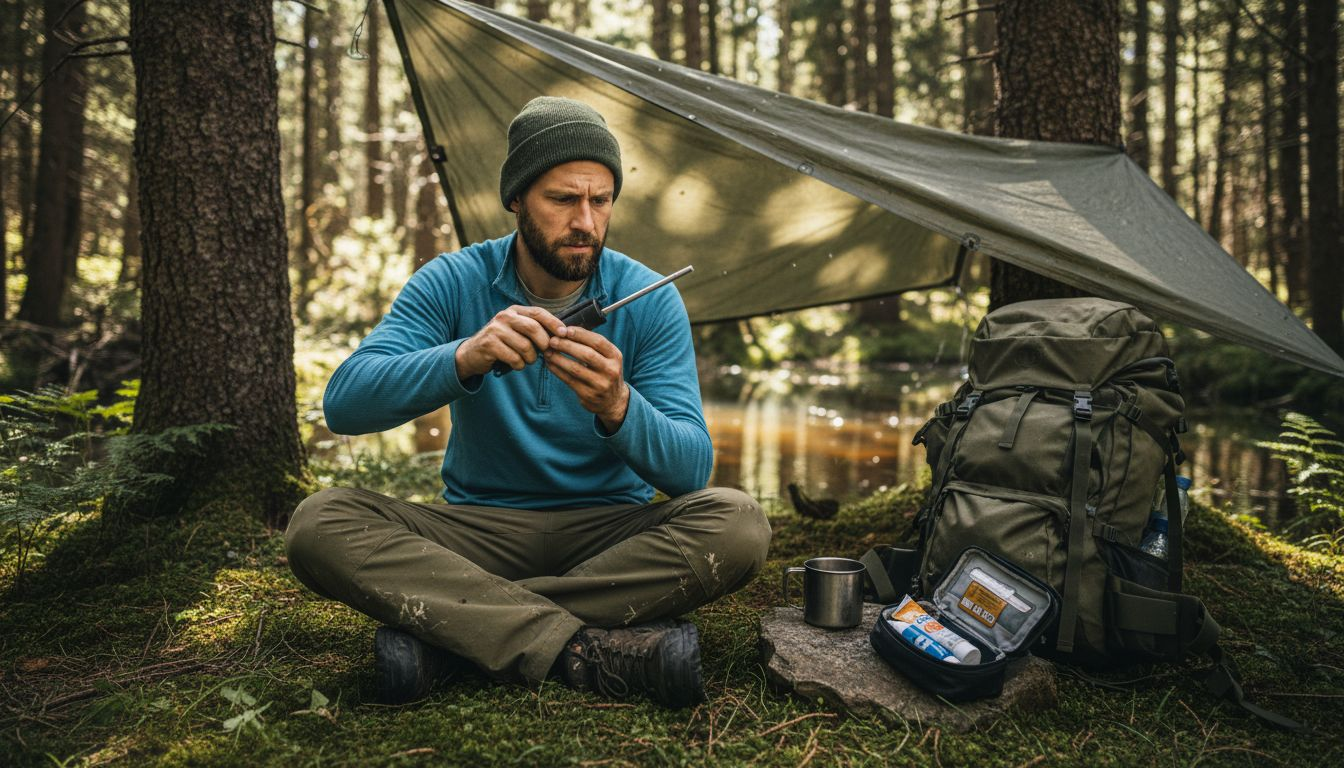
Pro tip: Always pre-filter water through a bandana or cloth to remove large debris before using your primary filtration system, extending the life of your filter and improving overall water quality.
Risks of Untreated Water Sources
Waterborne diseases represent a silent but deadly threat for outdoor adventurers, transforming seemingly pristine wilderness water sources into potential health hazards. Untreated water risks extend far beyond simple inconvenience, potentially causing severe medical emergencies that can quickly derail an entire expedition.
The primary risks associated with consuming untreated water include:
- Bacterial Infections
- Cholera
- Dysentery
- E. coli contamination
- Parasitic Threats
- Giardia
- Cryptosporidium
- Intestinal worms
- Chemical Contaminants
- Heavy metal exposure
- Agricultural runoff
- Industrial pollutants
- Viral Pathogens
- Hepatitis A
- Norovirus
- Rotavirus
One sip of contaminated water can transform an exciting adventure into a medical emergency.
Environmental factors significantly influence water contamination risks. Snowmelt, agricultural regions, and areas with high wildlife populations present unique challenges for water safety. Temperature, local ecosystem characteristics, and seasonal variations can dramatically impact water quality. Adventurers must remain vigilant, understanding that water filtration is not just a recommendation—it's a critical survival skill that can prevent life-threatening health complications.
For quick reference, here are key waterborne threats and their potential health impacts during outdoor adventures:
| Contaminant Type | Example Organisms/Agents | Possible Health Effects |
|---|---|---|
| Bacteria | E. coli, Cholera | Diarrhea, dehydration |
| Parasites | Giardia, Cryptosporidium | Severe intestinal distress |
| Chemicals | Lead, pesticides | Long-term toxicity, illness |
| Viruses | Norovirus, Hepatitis A | Gastroenteritis, liver damage |
Pro tip: Always carry multiple water purification methods and learn to identify potential contamination indicators in natural water sources before attempting filtration.
Comparing Filtration Options for Multi-Day Trips
Portable water filtration represents a critical decision for adventurers planning extended wilderness expeditions. Water filtration technologies offer diverse solutions designed to address the unique challenges of multi-day trips, each with distinct advantages and limitations for outdoor survival scenarios.
The primary filtration options for multi-day trips include:
- Mechanical Filters
- Pump-style filters
- Gravity-fed systems
- Straw-style personal filters
- Chemical Treatment
- Iodine tablets
- Chlorine dioxide drops
- UV purification devices
- Advanced Membrane Techniques
- Reverse osmosis systems
- Ceramic filters
- Activated carbon filters
The right water filtration system can mean the difference between a successful expedition and a potential medical emergency.
Environmental conditions dramatically impact filtration performance. Cold temperatures can reduce filter effectiveness, while high sediment areas require more robust mechanical filtration systems. Adventurers must understand the nuanced performance characteristics of each filtration method, recognizing that no single solution works perfectly in all wilderness scenarios. Combining multiple filtration techniques often provides the most comprehensive water treatment approach for extended outdoor trips.
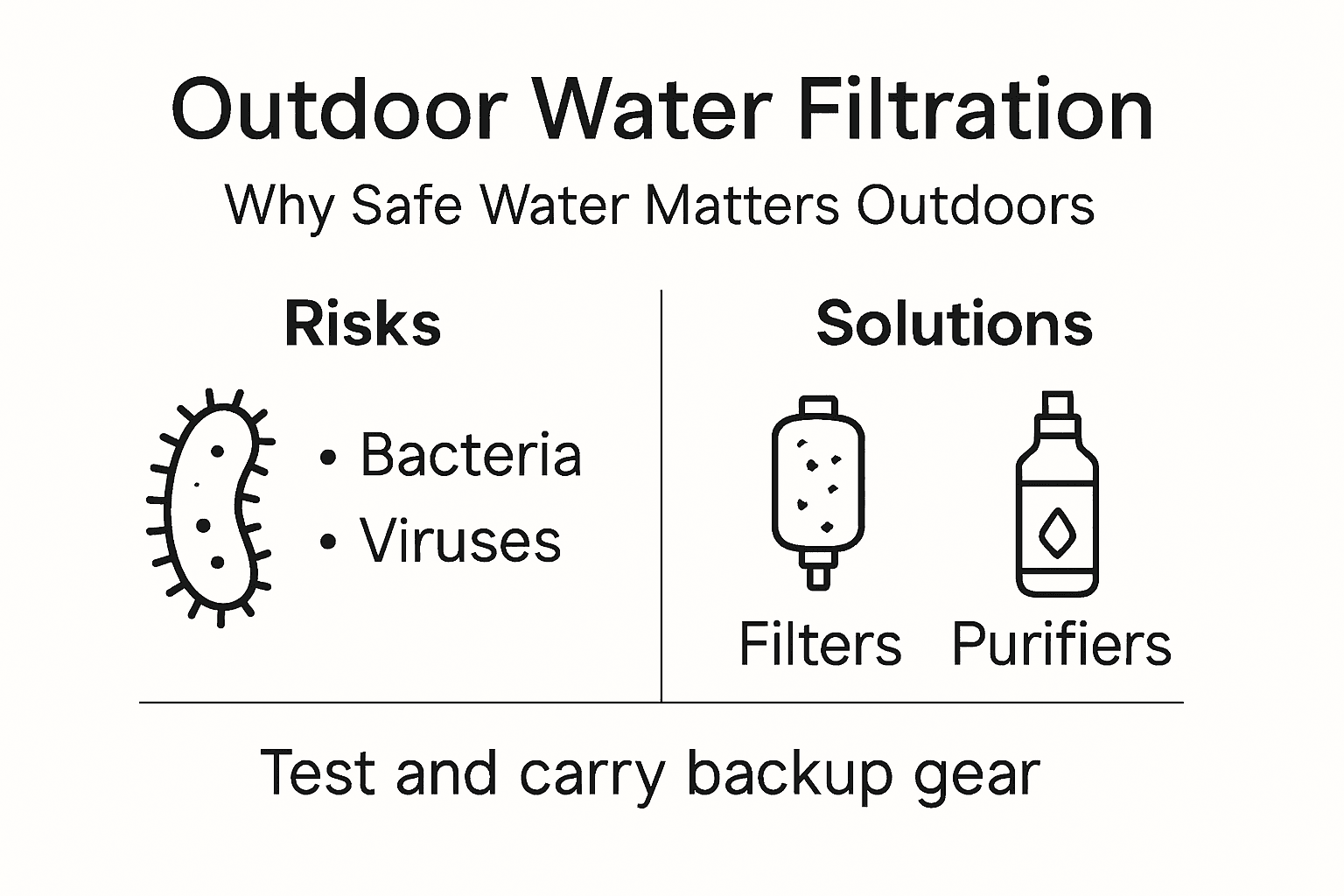
Pro tip: Always test and familiarize yourself with your water filtration equipment before embarking on a multi-day expedition to ensure proper functionality and understanding of its limitations.
Stay Safe and Hydrated with Reliable Outdoor Water Filtration Gear
Outdoor water filtration is a lifesaving skill that ensures you stay protected from harmful bacteria, parasites, and chemicals during your adventures. As the article highlights, untreated water can lead to serious health risks like giardia, cryptosporidium, and viral infections. Understanding mechanical filters, chemical treatments, and membrane techniques is vital for every outdoor enthusiast who wants to avoid these dangers and maintain peak performance.
At Life Camp Adventure we specialize in providing high-quality camping and survival gear that supports your hydration needs in the wild. Our selection includes rugged water filtration systems designed for portability and reliability so you can easily filter water from streams or lakes no matter where your journey takes you. Explore durable options tailored for multi-day trips and challenging environments to protect yourself against unseen contaminants.
Don't wait until you face a medical emergency. Equip yourself with trusted outdoor water filtration gear today at Life Camp Adventure. Learn more about how to stay safe and prepared by visiting our product range and gear guides here. Make the smart choice now to enjoy your wilderness adventure with confidence and peace of mind.
Frequently Asked Questions
What is outdoor water filtration, and why is it important for adventurers?
Outdoor water filtration is the process of removing harmful contaminants and pathogens from natural water sources to make it safe for drinking. It is essential for adventurers because it protects them from waterborne illnesses that can jeopardize their health and ability to safely complete their expeditions.
What are the different types of outdoor water filtration methods?
The main types of outdoor water filtration methods include mechanical filters (such as ceramic and hollow fiber filters), chemical treatments (like iodine tablets and UV light), biological filtration (including activated carbon), and advanced membrane techniques (such as microfiltration and reverse osmosis).
How do environmental factors affect water quality in wilderness areas?
Environmental factors such as temperature, water source composition, and seasonal changes significantly influence water quality. Areas with wildlife, agricultural activities, or industrial pollutants can pose higher contamination risks, necessitating effective filtration methods to ensure safe drinking water.
Why is it important to carry multiple water purification methods when adventuring?
Carrying multiple water purification methods ensures that adventurers have reliable options to address various water quality challenges. Different methods target specific contaminants, and having backups can provide added safety in case one system fails, protecting against potential health risks.
