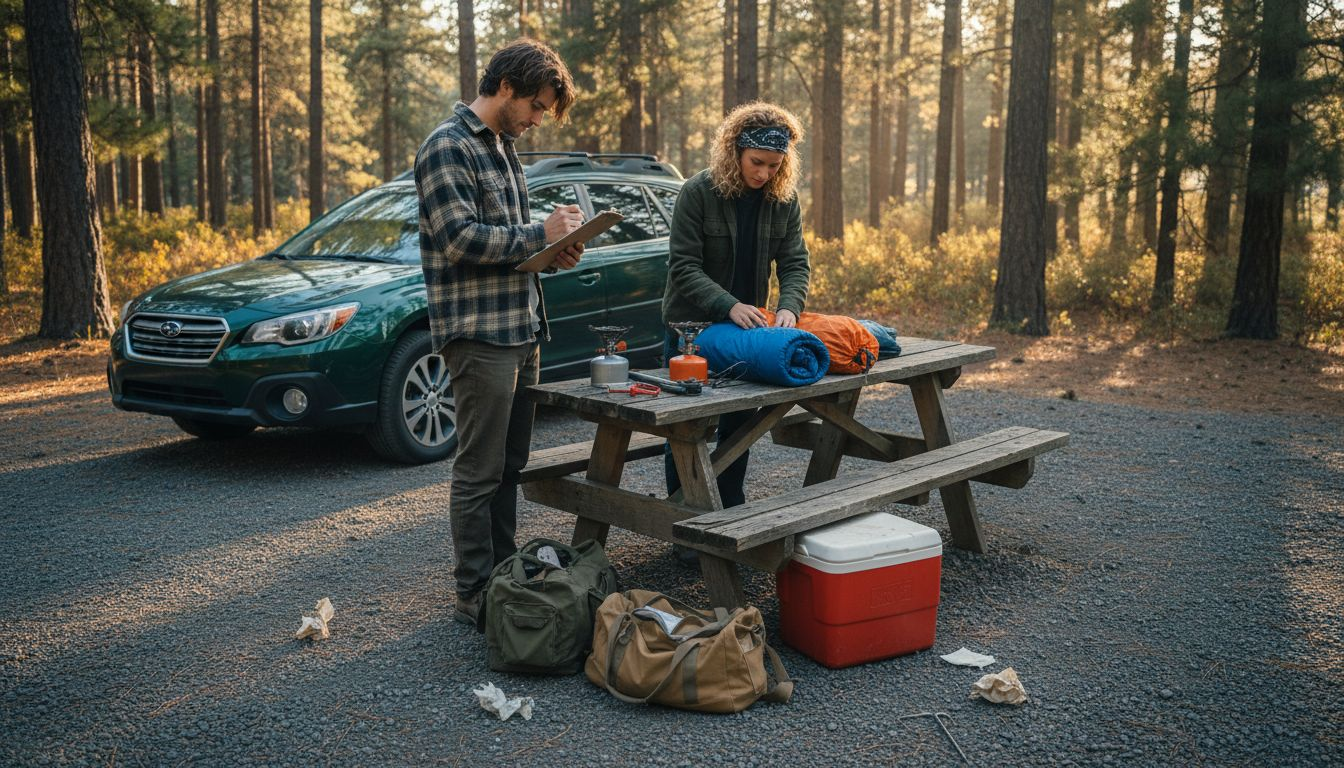
Heading out for a camping trip is exciting, but forgetting a single key item can quickly turn adventure into frustration. You want your outdoor getaway to be relaxing and memorable, not stressful and uncomfortable. The right preparation covers everything from shelter to safety—each detail makes your time in nature smoother and safer.
This list will walk you through the most important steps for a successful camping experience. You’ll find practical guidance on choosing the right gear, packing food that stays safe, and making sure you have exactly what you need for changing weather and unexpected situations. Discover what seasoned campers rely on to sleep well, eat well, and stay safe—so your next trip is all about enjoyment and exploring the great outdoors.
Quick Summary
| Takeaway | Explanation |
|---|---|
| 1. Choose a tent that fits your needs. | Select a tent based on size, weather resistance, weight, and seasonality for optimal comfort. |
| 2. Prioritize comfort in your sleeping gear. | Opt for sleeping bags rated for your temperature needs, and consider adding sleeping pads and pillows. |
| 3. Organize a functional camp kitchen. | Use lightweight, multi-purpose cooking tools and efficient storage to ensure enjoyable outdoor meals. |
| 4. Be prepared for changing weather with clothing. | Layer your clothing and choose quick-drying fabrics to adapt to various outdoor conditions. |
| 5. Maintain campsite cleanliness and take waste home. | Follow eco-friendly practices, including proper waste management to protect the environment. |
1. Choose the Right Tent and Shelter
Selecting the perfect tent is more than just picking a random shelter - it's about matching your camping style with the right protection from the elements. Your tent will be your home away from home, so choosing wisely can make the difference between a comfortable adventure and a miserable outdoor experience.
When evaluating tents, consider these critical factors:
- Size and Capacity: Ensure enough room for all campers and gear
- Weather Resistance: Look for waterproof materials and solid rain fly coverage
- Weight: Balance between comfort and portability, especially for backpacking trips
- Seasonality: Select a tent designed for your typical camping environment
Understand that different camping scenarios demand different shelter solutions. A lightweight backpacking tent works differently from a spacious family camping shelter. Tent selection strategies depend on multiple variables like group size, terrain, and expected weather conditions.
The right tent provides more than shelter - it's your personal sanctuary in the wilderness.
Pay special attention to tent construction. Quality tents feature:
- Sturdy aluminum or carbon fiber poles
- Reinforced stress points
- Full coverage rainfly
- Waterproof floor with sealed seams
Don't forget to consider additional features like vestibules for gear storage, multiple entry points, and ventilation options. These small details can significantly enhance your camping comfort.
Pro tip: Always practice setting up your tent at home before your camping trip to avoid frustration at the campsite and identify any potential issues with your shelter.
2. Pack Sleeping Bags and Comfort Items
Comfort is king when camping, and nothing determines a good night's rest more than your sleeping setup. Getting your sleep system right can transform a potentially uncomfortable outdoor experience into a rejuvenating wilderness adventure.
When selecting sleeping gear, focus on these key elements:
- Temperature Rating: Choose bags rated for the lowest expected nighttime temperature
- Insulation Type: Decide between down or synthetic fill based on your climate
- Size and Weight: Balance comfort with portability for your specific trip
- Additional Comfort Items: Include sleeping pads, pillows, and extra blankets
Your sleeping bag is not just a piece of equipment - it's your portable bedroom. Best outdoor sleeping bags can make a significant difference in your camping experience, providing warmth and comfort in various environments.
Proper sleeping gear isn't a luxury - it's a critical component of safe and enjoyable camping.
Consider these sleeping comfort strategies:
- Layer your sleeping system
- Use a quality sleeping pad for ground insulation
- Pack moisture-wicking sleepwear
- Store sleeping bags in a dry, compressed stuff sack
Remember that different camping scenarios require different sleeping solutions. A lightweight backpacking bag differs significantly from a heavy winter camping sleeping bag.
Pro tip: Test your sleeping bag and pad combination at home before your trip to ensure maximum comfort and identify any potential issues with your sleep setup.
3. Organize Cooking Gear and Food Essentials
A well-organized camp kitchen can turn outdoor cooking from a challenging chore into an enjoyable culinary adventure. Strategic planning and smart packing are the keys to creating delicious meals in the wilderness while keeping your campsite efficient and clean.
Critical components for your camp kitchen include:
- Portable Cooking Equipment: Lightweight stove and fuel
- Food Storage: Waterproof containers and critter-resistant bags
- Cooking Utensils: Compact, multipurpose tools
- Hydration Systems: Water filtration and storage solutions
When preparing your camp cooking essentials, think lightweight and versatile. Every item should serve multiple purposes to minimize pack weight and maximize utility.
A smart camp kitchen isn't about bringing everything - it's about bringing the right things.
Consider these organizational strategies:
- Use clear, stackable storage containers
- Pack ingredients in resealable bags
- Organize cooking tools in a dedicated kit
- Separate raw and prepared food items
For backcountry camping, prioritize lightweight dry foods that are easy to prepare and have minimal odor. This helps prevent unwanted wildlife encounters and reduces the weight of your pack.
Pro tip: Create a compact kitchen kit with multipurpose utensils and a lightweight camping stove that can be quickly assembled and packed away.
4. Include Clothing for All Weather Conditions
Weather can change dramatically when you are outdoors, transforming a pleasant camping trip into a challenging survival scenario if you are not properly prepared. Your clothing is your first line of defense against unpredictable environmental conditions.
Essential clothing strategies include:
- Layering System: Multiple lightweight layers for adaptability
- Quick-Drying Fabrics: Moisture-wicking materials that dry rapidly
- Versatile Pieces: Clothing that serves multiple functions
- Weather Protection: Waterproof and windproof outer layers
Understanding clothing for outdoor conditions means thinking beyond simple comfort - it is about maintaining body temperature and protecting yourself from potential environmental risks.
Your clothing is not just an outfit - it is your mobile survival system.
Prioritize these clothing categories:
- Base layers for temperature regulation
- Insulating mid-layers like fleece
- Waterproof outer shells
- Sun protection accessories
- Extra warm clothing for nighttime
Choose clothing that offers maximum versatility. Look for items that can be mixed and matched easily, providing multiple outfit combinations with minimal packed items.
Pro tip: Pack clothing items that can be rolled tightly and compressed to save valuable backpack space while maintaining their protective qualities.
5. Prepare First Aid and Safety Supplies
Safety in the wilderness is not about luck - it is about meticulous preparation and having the right emergency resources at your fingertips. Your first aid kit is not just a collection of supplies but a critical lifeline in potentially challenging outdoor scenarios.
Essential first aid kit components include:
- Wound Care: Adhesive bandages, gauze, antiseptic wipes
- Emergency Tools: CPR mask, emergency blanket
- Medication: Personal prescriptions, pain relievers
- Protection: Disposable gloves, tweezers
The outdoor emergency survival kit represents more than just medical supplies - it is your comprehensive safety network in remote environments.
A well-prepared first aid kit can transform a potential emergency into a manageable situation.
Consider these first aid kit organization strategies:
- Pack in a waterproof container
- Categorize items by type
- Include a compact instruction manual
- Customize for specific trip conditions
- Check and replace expired items annually
Remember that different camping environments require specialized considerations. A mountain camping first aid kit will differ from one prepared for desert or forest environments.
Pro tip: Create a digital backup of your medical information and emergency contacts, storing them in a waterproof, lightweight smartphone case for quick access during unexpected situations.
6. Bring Lighting and Navigation Tools
In the wilderness, reliable lighting and navigation tools are not just conveniences - they are critical survival equipment that can mean the difference between a safe journey and a dangerous situation. Your ability to see clearly and understand your location can protect you from potential risks.
Essential navigation and lighting equipment includes:
- Multiple Light Sources: Headlamps, flashlights, lanterns
- Backup Power: Extra batteries and portable chargers- Navigation Tools: Topographical maps, compass, GPS device
- Visibility Accessories: Reflective markers, emergency signaling devices
Understanding camping navigation essentials helps you prepare for unexpected challenges in outdoor environments.
Navigation skills transform wilderness challenges into manageable adventures.
Prioritize these lighting and navigation strategies:
- Choose lightweight multi-function devices
- Pack waterproof equipment
- Learn basic map and compass skills
- Carry redundant navigation methods
- Test all equipment before your trip
Different terrains and camping environments demand specialized navigation approaches. A desert camping trip requires different tools compared to mountain or forest expeditions.
Pro tip: Download offline map applications and carry physical backup maps to ensure navigation capability even without cellular service.
7. Add Fun Activities and Entertainment
Camping is not just about survival - it is about creating memorable experiences and connecting with nature and your fellow campers. Bringing the right entertainment options can transform a simple outdoor trip into an extraordinary adventure filled with laughter and bonding.
Essential entertainment items include:
- Group Games: Compact board games, card decks
- Musical Options: Small instruments, portable speakers
- Nature Activities: Stargazing guides, field identification books
- Creative Supplies: Sketchbooks, compact crafting materials
Exploring fun camping entertainment options helps ensure everyone stays engaged and enjoys the outdoor experience.
Great memories are made between the planned moments of adventure.
Consider these entertainment strategies:
- Choose lightweight, multipurpose items
- Select activities for different age groups
- Pack weather-resistant games
- Include quiet and active entertainment
- Bring items that encourage interaction
Remember that the best camping entertainment often involves simple activities that encourage storytelling, creativity, and connection with your fellow campers and the surrounding environment.
Pro tip: Bring a mix of structured games and spontaneous activity supplies to keep everyone engaged without overpacking.
8. Remember Campsite Cleanup and Trash Bags
Responsible camping means leaving nature exactly as you found it - or even better. Your commitment to campsite cleanliness protects wildlife, preserves environmental integrity, and ensures beautiful spaces remain accessible for future outdoor enthusiasts.
Key cleanup and waste management strategies include:
- Separate Waste Containers: Bags for trash, recycling, and compost
- Biodegradable Cleaning Supplies: Environmentally friendly detergents
- Reusable Storage: Durable containers to minimize single-use plastics
- Daily Cleaning Routine: Systematic campsite maintenance
Understanding eco-friendly camping practices helps minimize your environmental footprint and protect wilderness areas.
What you bring in, you must also bring out - nature's golden rule.
Implement these waste management techniques:
- Pack extra trash bags
- Clean cooking areas immediately
- Store trash in sealed, animal-resistant containers
- Follow Leave No Trace principles
- Dispose of waste in designated areas
Remember that proper campsite cleanup is not just about aesthetics - it is about preserving ecosystems and respecting shared natural spaces.
Pro tip: Bring color-coded trash bags to easily sort recyclables, compostables, and general waste, making cleanup both efficient and environmentally responsible.
Below is a comprehensive table summarizing the key considerations and strategies for enhancing outdoor camping experiences, as discussed in the article.
| Aspect | Details | Considerations |
|---|---|---|
| Tent Selection | Choose a tent based on capacity, weather resistance, weight, and seasonality. | Consider portability for backpacking and spaciousness for family camping. Test setup at home before the trip. |
| Sleeping Comfort | Select sleeping bags with appropriate temperature ratings, insulation, and size. | Use sleeping pads, moisture-wicking sleepwear, and dry storage bags to enhance comfort. |
| Cooking Gear | Prepare a portable and compact camp kitchen with essential tools and lightweight food. | Separate cooking and raw food areas. Ensure all items are multipurpose and organized. |
| Clothing | Pack using a layering system with quick-drying, weather-resistant fabrics. | Include sun-protective accessories and adapt choices to anticipated environments. |
| First Aid | Carry a comprehensive first aid kit including wound care and personal medications. | Store in a waterproof container and customize per trip requirements. |
| Lighting and Navigation | Bring headlamps, GPS devices, and extra batteries. Learn navigation skills. | Ensure equipment is waterproof and test before the trip. Diversify tools for reliability. |
| Entertainment | Include activities like portable games and stargazing guides. | Aim for lightweight, weather-resistant options encouraging group interaction. |
| Campsite Cleanup | Use eco-friendly cleaning supplies and separate waste bags. | Follow Leave No Trace principles and prepare for thorough waste management. |
Gear Up with Confidence for Your Next Camping Adventure
Packing for a camping trip can feel overwhelming with so many essentials to consider like the right tent, sleeping bags, cooking gear, clothing, and safety supplies. This article highlights the challenge of creating a balanced, practical packing list that ensures comfort, protection, and preparedness in every situation. If you want to avoid the frustration of missing critical items or carrying bulky, ineffective gear, it is vital to choose high-quality equipment designed for durability and ease of use.
Discover how Life Camp Adventure equips you with reliable camping gear that aligns perfectly with these 8 essential tips for campers. Whether you need a weather-resistant tent, temperature-rated sleeping bags, or compact cooking essentials, our products support your goals for a safe and enjoyable outdoor experience. Take the guesswork out of packing by exploring our camping equipment and survival essentials that help you stay comfortable and confident no matter where the wilderness calls. Start preparing smarter today and make every camping trip one to remember.
Frequently Asked Questions
What should I consider when choosing the right tent for my camping trip?
Selecting the right tent is essential for a comfortable camping experience. Consider factors such as size and capacity, weather resistance, weight, and seasonality to match your camping style and environment.
How can I ensure my sleeping bag keeps me warm at night?
To ensure your sleeping bag provides adequate warmth, choose one rated for the lowest expected nighttime temperatures. Additionally, layer your sleeping system and use a good-quality sleeping pad for added insulation and comfort.
What essential cooking gear do I need for my camp kitchen?
Key components for your camp kitchen include a portable stove, waterproof food storage containers, multipurpose cooking utensils, and hydration systems. Pack lightweight, versatile items to create an efficient cooking setup.
How should I prepare for unexpected weather changes while camping?
Prepare for unexpected weather changes by layering your clothing and choosing quick-drying fabrics. Include waterproof and windproof outer layers, and always pack a versatile hat and gloves for extra warmth during colder nights.
What items should I include in my first aid kit for camping?
Essential items for your camping first aid kit include wound care supplies like adhesive bandages, emergency tools like a CPR mask, and personal medications. Regularly check and update your kit, ensuring all items are current and applicable for your trip conditions.
How can I practice Leave No Trace principles while camping?
To practice Leave No Trace principles, always clean up your campsite by bringing separate bags for trash, recycling, and compost. Make a habit of picking up around your area daily to ensure you leave nature as you found it.
