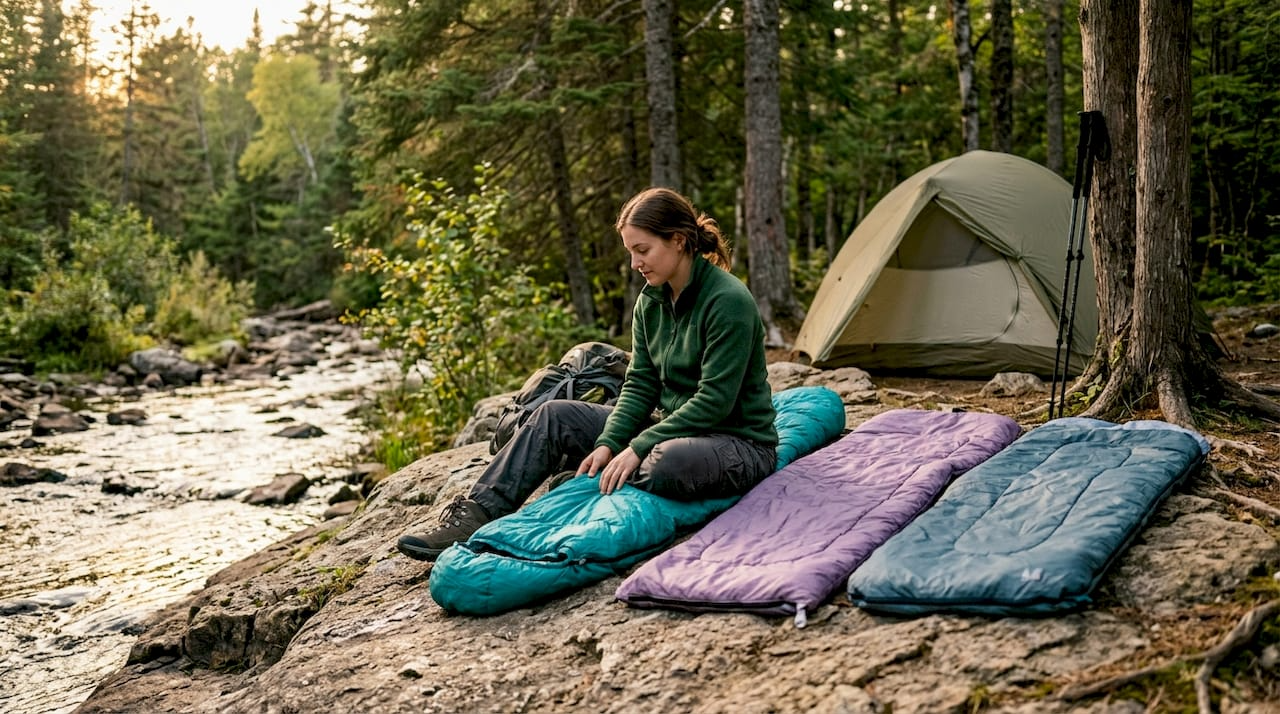
TL;DR:
- Choosing the right sleeping bag depends on shape, insulation, and temperature rating for optimal warmth and comfort. A mummy bag offers the best heat efficiency, while down insulation suits dry conditions and synthetic performs better when wet. Proper layering and a suitable sleeping pad are essential to maximize warmth and overall sleep system effectiveness.
A sleeping bag is defined as an insulated shell designed to retain your body heat and protect you from cold ground and air temperatures while you sleep outdoors. Choosing the wrong type can mean a miserable, even dangerous, night in the field. Sleeping bag types explained properly come down to three decisions: shape, insulation, and temperature rating. The ISO and EN rating standards classify every bag by comfort, limit, and extreme thresholds. Lifecampadventure built this guide to walk you through each category so you can buy with confidence, not guesswork.
1. What are the main sleeping bag shapes?
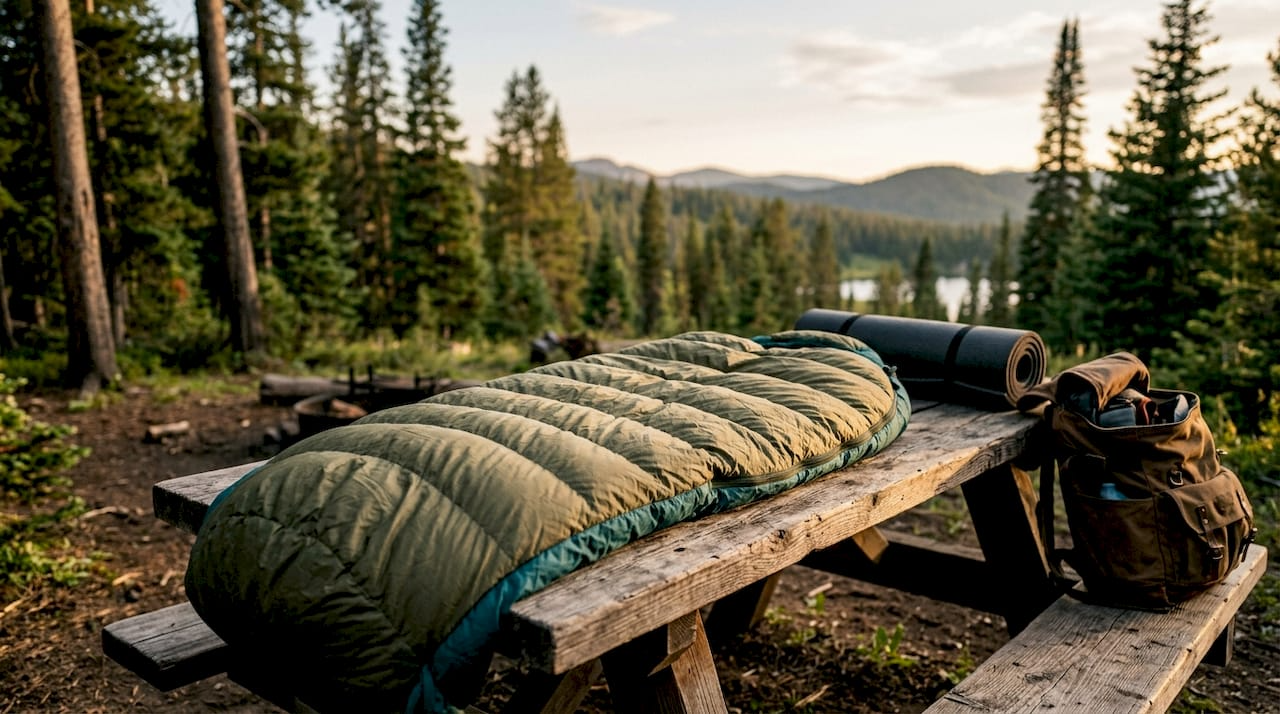
Sleeping bag shapes directly control how much dead air space surrounds your body. Less dead air means faster warmth. More dead air means more room to move but slower heat retention.Mummy bags are the warmest and lightest option available. They taper from shoulder to foot and include an insulated hood that cinches around your head. That tapered design minimizes the air your body must heat, which is why serious backpackers and mountaineers rely on them.
Rectangular bags are the opposite approach. They offer full room to stretch, roll over, and even share space, but they trap far less heat per ounce of insulation. Car campers and family campground trips are the right context for a rectangular bag.
Semi-rectangular bags, sometimes called barrel or modified mummy bags, split the difference. They taper slightly at the foot but leave enough shoulder and hip room for side sleepers who find mummy bags claustrophobic. Most three-season campers find this shape the most practical.
Double sleeping bags are extra-wide bags designed for two people. They work well for couples on car camping trips but add significant weight and bulk, making them impractical for backpacking.
| Shape | Best for | Warmth | Weight |
|---|---|---|---|
| Mummy | Backpacking, cold weather | Highest | Lightest |
| Semi-rectangular | Three-season camping | Moderate | Moderate |
| Rectangular | Car camping, warm weather | Lowest | Heaviest |
| Double | Couples, car camping | Moderate | Heaviest |
Pro Tip: Try a mummy bag in-store before buying. Some campers find the shoulder restriction uncomfortable enough to disrupt sleep, which defeats the purpose entirely.
2. Down vs. synthetic insulation: which is right for you?
Insulation type is the second major decision in choosing a sleeping bag. Down insulation offers superior warmth-to-weight ratio and compresses into a much smaller pack size than synthetic fill. That makes it the top choice for ultralight backpackers and anyone counting every ounce.
Synthetic insulation retains warmth even when wet, dries faster, and costs less than down. It is also hypoallergenic, which matters for campers with sensitivities. Synthetic is preferred for damp coastal environments, rainy seasons, and budget-conscious buyers.
The trade-off is weight and bulk. Synthetic bags are generally heavier and bulkier than down bags at the same temperature rating. Over a multi-day backpacking trip, that extra weight adds up in real fatigue.
- Down: Best for dry climates, ultralight trips, and long-term investment in a high-quality bag
- Synthetic: Best for wet climates, budget buyers, and campers with down allergies
- Treated down (hydrophobic): A middle-ground option where down clusters are coated to resist moisture, offering most of the warmth-to-weight benefit with better wet-weather performance
Pro Tip: If you camp in the Pacific Northwest or anywhere with frequent rain, hydrophobic treated down gives you the best of both worlds without the full weight penalty of synthetic fill.
3. How to read sleeping bag temperature ratings
The ISO and EN temperature rating system classifies every bag into three numbers: comfort, limit, and extreme. Beginners consistently confuse these three ratings, which leads to dangerous choices in the field.
Comfort is the temperature at which an average female sleeper stays warm through the night. Limit is the temperature at which an average male can sleep for eight hours without waking from cold. Extreme is the survival threshold, not a sleep rating.
Never buy a sleeping bag based on its extreme rating. The extreme rating marks the temperature at which hypothermia risk begins, not the temperature at which you will sleep comfortably. Experts consistently warn that relying on the extreme rating for real-world use puts you in danger.
You should select a comfort rating at least 10°F colder than the lowest forecasted nighttime temperature for your trip. Cold sleepers, women, and campers at high elevations above treeline should use a 15–20°F buffer. That margin accounts for wind, humidity, and individual variation in how your body generates heat.
- Identify the coldest nighttime temperature you expect on your trip.
- Subtract 10°F for a standard buffer, or 15–20°F if you sleep cold or camp at elevation.
- Find a bag with a comfort rating at or below that adjusted number.
- Confirm the rating uses the ISO or EN standard, not a manufacturer's proprietary claim.
4. Specialized sleeping bag styles worth knowing
Beyond the standard shapes, several specialized sleeping bag styles serve specific needs that standard bags do not cover well.
Quilts are topless insulation systems that rely on your sleeping pad for bottom insulation. They are the lightest option available and popular with ultralight backpackers who already carry a high-R-value sleeping pad. Quilts and bivy sacks are often overlooked by novice campers, but they offer real advantages for experienced minimalists.
Sleeping bag liners are thin inner shells made from silk, fleece, or synthetic fabric. They add 5–15°F of warmth to any bag, keep the bag cleaner on long trips, and can double as a standalone sleep sheet in warm weather.
Bivy sacks are waterproof or water-resistant outer shells that slip over your sleeping bag. They protect your bag from rain, condensation, and wind when you sleep without a tent. Emergency bivies are also compact enough to carry as a safety backup on any trip.
- Quilts: Ultralight, best paired with high-R-value pads, not ideal for restless sleepers who roll off their pad
- Liners: Add warmth and cleanliness, extend bag life, very affordable
- Bivy sacks: Weather protection for exposed camping, adds a small amount of warmth, increases condensation inside if not breathable
- Double bags: Wide enough for two, practical only for car camping due to bulk
5. How weight and packability affect your choice
The right sleeping bag is always a compromise between warmth, weight, and bulk. Three-season backpacking bags often weigh under 2 lbs, while ultralight bags using high fill-power down come in under 1 lb at premium prices. That weight difference is significant when you carry everything on your back for five or more days.
Car campers face a different calculation. When weight stays in the trunk, comfort and warmth take priority over pack size. A heavier rectangular or semi-rectangular bag with generous insulation makes perfect sense for a campground trip where you drive to the site.
Backpackers should prioritize fill power in down bags. Higher fill power means more loft per ounce, which translates directly to a lighter bag at the same warmth level. A 700-fill-power bag and an 850-fill-power bag rated to the same temperature will differ noticeably in weight and compressed size.
- Car camping: Prioritize comfort, warmth, and durability over weight
- Three-season backpacking: Target under 2 lbs with a comfort rating suited to your region
- Ultralight backpacking: Target under 1 lb, accept higher cost, and pair with a quality sleeping pad
- Weekend hiking: A mid-weight synthetic bag often hits the best balance of cost, weight, and wet-weather performance
Pro Tip: Pair your sleeping bag with a lightweight backpacking tent to maximize your overall pack weight savings without sacrificing shelter quality.
6. The sleep system: why your sleeping pad matters as much as your bag
A sleeping bag does not generate heat. It retains the heat your body produces. Without a proper sleeping pad, insulation effectiveness is severely compromised because cold ground pulls heat away from your body faster than any bag can replace it.
The R-value of a sleeping pad measures its resistance to heat loss. A pad with an R-value of 2 works for summer camping. An R-value of 4 or higher is appropriate for three-season use, and winter camping demands R-5 or above. Treating your sleeping bag as a standalone system without accounting for pad insulation is the most common mistake novice campers make.
Staying warm at night also depends on layering strategies inside your bag. Wearing a dry base layer, a light hat, and dry socks adds measurable warmth without requiring a warmer or heavier bag. This approach lets you extend the usable range of a three-season bag into shoulder-season conditions.
Key Takeaways
The single most important rule in choosing a sleeping bag is to match your comfort rating to your coldest expected temperature, not to the bag's extreme rating.
| Point | Details |
|---|---|
| Shape determines warmth efficiency | Mummy bags are warmest and lightest; rectangular bags prioritize room over heat retention. |
| Insulation type matches your climate | Down excels in dry conditions; synthetic performs better in wet or humid environments. |
| Use the comfort rating, not extreme | Buy a bag rated at least 10°F below your coldest expected nighttime temperature. |
| Weight trade-offs are real | Backpacking bags should target under 2 lbs; ultralight options under 1 lb use premium down. |
| Your sleeping pad is part of the system | A bag without adequate pad insulation loses warmth to the ground regardless of its rating. |
What I've learned after years of sleeping in the wrong bag
The most expensive mistake I see campers make is buying a bag based on the extreme rating printed on the label. That number is a survival threshold, not a comfort promise. I've talked to campers who showed up to a 25°F night with a bag rated "extreme to 10°F" and spent the night shivering because the comfort rating was actually 35°F. Read the comfort number. That's the one that matters.
The second thing most guides skip is storage. Compressing a sleeping bag long-term in its stuff sack permanently reduces insulation loft. Loft, not brand or age, determines how warm a bag actually performs. Store your bag loose in a large cotton sack or hang it in a closet. That single habit extends the life of a quality bag by years.
Shape preference is also deeply personal. I've watched experienced backpackers switch from mummy bags to quilts after years of feeling restricted, and I've seen novice campers buy quilts because they looked cool online, only to spend every night fighting to keep the edges tucked under their pad. Test the fit before you commit. A bag you sleep well in at 30°F beats a technically superior bag you toss and turn in all night.
Finally, pair your bag with a quality sleeping pad. No bag compensates for a thin foam pad on frozen ground. The sleep system matters more than any single piece of gear.
— Billy
Gear up with Lifecampadventure
Lifecampadventure carries a full range of camping gear designed for every style of outdoor adventure, from weekend car camping to multi-day backcountry trips.
Whether you need a lightweight three-season bag, a car camping setup with room to stretch out, or a complete kit for your first overnight trip, Lifecampadventure has options worth looking at. The best outdoor sleeping bags guide on the site breaks down top-rated picks by category, temperature rating, and budget. For a broader look at what to pack, the essential camping gear page covers everything from shelter to cookware in one place.
FAQ
What is the warmest sleeping bag shape?
The mummy bag is the warmest shape because its tapered design and insulated hood minimize dead air space around your body. It is the standard choice for cold-weather backpacking and mountaineering.
Should I buy a down or synthetic sleeping bag?
Choose down for dry climates and ultralight trips, and choose synthetic for wet conditions or budget-conscious purchases. Hydrophobic treated down offers a middle-ground option for mixed conditions.
What temperature rating do I actually need?
Select a bag with a comfort rating at least 10°F below the coldest nighttime temperature you expect. Cold sleepers, women, and high-elevation campers should use a 15–20°F buffer.
What is the difference between comfort, limit, and extreme ratings?
The ISO/EN comfort rating is the temperature where an average female sleeps comfortably. The limit rating applies to an average male sleeping eight hours. The extreme rating is a hypothermia threshold, not a usable sleep temperature.
Do I need a sleeping pad with my sleeping bag?
A sleeping pad is not optional. Sleeping bags retain body heat but do not block heat loss to the ground. A pad with an adequate R-value is required to keep the full system working as rated.
