Finding the right tent often feels like choosing between comfort and a manageable pack weight. Many backpackers struggle to identify tents that deliver portability without sacrificing livability or durability. Lightweight tents solve this challenge by combining advanced materials with smart design, enabling you to cover more ground with less effort. This guide walks you through selection criteria, popular models, and practical recommendations to help you choose confidently for your next adventure.
Key takeaways
| Point | Details |
|---|---|
| Weight reduction | Lightweight tents reduce pack weight by up to 30%, saving energy on long hikes. |
| Improved ventilation | Modern designs improve ventilation 15 to 20% over traditional tents, enhancing comfort. |
| Quick setup | Setup times typically under 10 minutes due to simplified designs. |
| Balanced selection | Choose based on weight, durability, comfort, and price to match your needs. |
| Model variety | Popular tents vary slightly in weight and price but target different user priorities. |
Selection criteria for choosing lightweight tents
Weight benchmarks typically range between 2 and 4 pounds for backpacking tents, making them easier to carry over long distances. Durability involves material strength, and Dyneema Composite Fabric offers high durability at low weight, standing up to rough terrain and repeated use. Ease of setup targets under 10 minutes with simplified pole designs, allowing tired hikers to pitch camp quickly.
Comfort factors include ventilation area, interior volume, and quality of fabrics. Experts recommend evaluating tents primarily by weight, durability, ease of setup, and comfort features to ensure your investment performs across varied conditions. Price ranges commonly fall between $350 and $600 on popular models, balancing advanced materials with accessible costs.
When comparing options, prioritize these factors based on your trip style:
- Weight for minimalist hikers covering high mileage
- Durability for rugged terrain or frequent use
- Ventilation for humid climates or summer camping
- Interior space for taller users or gear storage
- Price for budget constraints without sacrificing core features
Pro Tip: Test your tent in the backyard before hitting the trail. Familiarizing yourself with setup and identifying any issues saves frustration at the campsite.
Portability advantages of lightweight tents
Typical lightweight tents weigh about 30% less than traditional models, translating directly to reduced pack burden. This weight reduction can conserve up to 10% of hiking energy over long distances, allowing you to maintain stamina and enjoy the journey. Examples include the Big Agnes Fly Creek HV UL2 at 2.2 pounds, Nemo Hornet Elite 2 at 2.6 pounds, and Zpacks Duplex at 1.19 pounds.
Trade-offs include reduced internal volume or storage space for lighter weight. Ultralight models often sacrifice vestibule size or headroom to shave ounces. Portability directly influences hiker endurance and enjoyment, especially on multi-day treks where every pound counts.
Consider these weight comparisons to gauge savings:
- Traditional 2-person tent: 5 to 6 pounds
- Lightweight 2-person tent: 2 to 4 pounds
- Ultralight 2-person tent: under 2 pounds
Carrying less weight reduces joint stress and fatigue, particularly on steep ascents or when covering 15 plus miles daily. Pairing a lightweight tent with other backpacking items for comfort maximizes your efficiency without compromising rest quality.
Stat spotlight: Shaving 2 pounds from your shelter weight can reduce energy expenditure by approximately 10% over a 50-mile trek, keeping you fresher at camp.
Comfort and livability features in lightweight tents
Ventilation improvements reduce condensation and enhance airflow up to 20%, addressing one of the most common complaints about lightweight shelters. Optimized interior volume balances livability with packability to suit multi-day trips, ensuring you have enough space to sleep comfortably and store essential gear. High-quality materials increase user comfort while keeping weight low, using ripstop nylon or Dyneema to maintain durability.Comfort features include mesh panels, vestibules, and adjustable vents. Mesh panels improve breathability on warm nights, while vestibules provide dry storage for boots and packs. Adjustable vents let you regulate airflow based on weather conditions.
Key livability elements in modern lightweight tents:
- Floor dimensions accommodating sleeping pads with room to move
- Peak height allowing seated posture for gear organization
- Vestibule space for wet gear storage separate from sleeping area
- Interior pockets and loops for headlamps and small items
- Double doors for easy entry and exit without disturbing tent mates
Modern lightweight tents prove that cutting weight does not mean cutting comfort. Strategic design choices deliver breathable, spacious shelters that rival heavier alternatives in livability.
The misconception that lightweight equals cramped no longer holds true. Advances in pole geometry and fabric tension create roomy interiors without adding bulk. Understanding the role of ventilation in tents helps you choose models that keep you dry and comfortable across diverse climates.
Ease of setup and portability tradeoffs
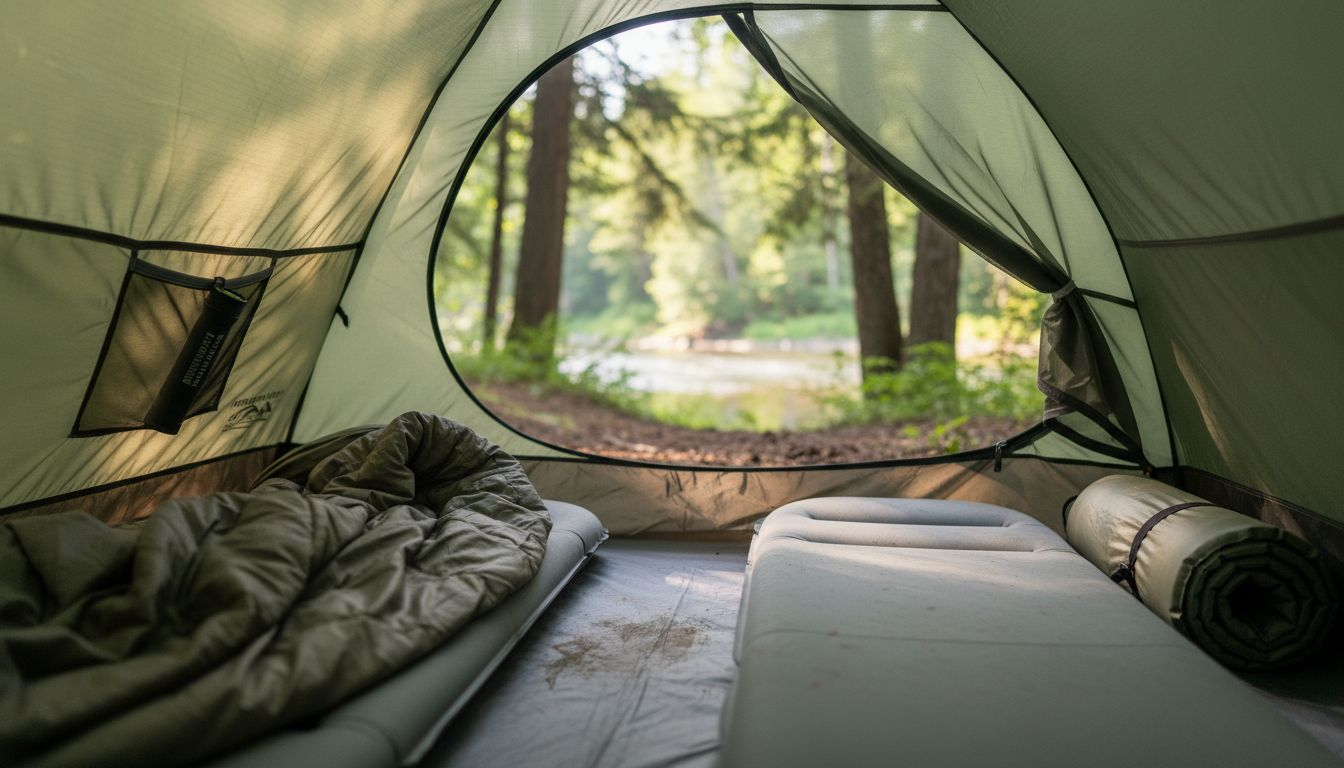
Simplified pole designs reduce setup complexity and time, with typical setups taking less than 10 minutes due to streamlined structures. This speed benefits tired hikers arriving at camp after long days on the trail. Trade-offs include possible compromises in durability and reduced interior volume, as fewer poles and thinner fabrics can mean less robust frames.
Follow these steps for fast tent pitching:
- Stake out the four corners on level ground.
- Insert poles through sleeves or attach via clips.
- Secure rainfly and adjust guy lines for stability.
- Stake vestibules and vents for optimal airflow.
Practicing these steps at home builds muscle memory, cutting setup time even further in the field. The table below compares setup times, weight, and interior space among popular models to highlight how design choices affect usability.
| Model | Setup Time | Weight | Interior Space |
|---|---|---|---|
| Big Agnes Fly Creek HV UL2 | 8 minutes | 2.2 lbs | 28 sq ft |
| Nemo Hornet Elite 2 | 9 minutes | 2.6 lbs | 30 sq ft |
| Zpacks Duplex | 7 minutes | 1.19 lbs | 26 sq ft |
| MSR Hubba Hubba NX | 10 minutes | 3.5 lbs | 29 sq ft |
Pro Tip: Mark pole sections with colored tape to identify which sleeves they belong in. This small trick speeds setup in low light or bad weather.
While ultralight tents offer rapid pitching, they may require more care when staking on rocky or sandy ground. Carrying extra stakes or using rocks to anchor guy lines ensures stability without adding significant weight. Learning the nuances of different types of camping tents prepares you to adapt your setup technique to varying conditions.
Popular lightweight tent models compared
Models compared include the Big Agnes Fly Creek HV UL2, Nemo Hornet Elite 2, and Zpacks Duplex. The Fly Creek HV UL2 weighs 2.2 pounds, priced mid-range at $450, offering medium interior space suitable for minimalist backpackers. The Hornet Elite 2 weighs 2.6 pounds, pricier at $550, but provides larger interior volume for taller users or those who value extra room. The Zpacks Duplex represents the ultralight option at 1.19 pounds with premium Dyneema fabric, typically above $600.
Weight differences under 0.5 pounds and price variations over $100 distinguish top lightweight tent models, making personal priorities the deciding factor. Compare specs carefully to align your choice with trip demands.| Feature | Big Agnes Fly Creek HV UL2 | Nemo Hornet Elite 2 | Zpacks Duplex |
|---|---|---|---|
| Weight | 2.2 lbs | 2.6 lbs | 1.19 lbs |
| Price | $450 | $550 | $600+ |
| Interior Space | 28 sq ft | 30 sq ft | 26 sq ft |
| Setup Time | 8 min | 9 min | 7 min |
| Best For | Solo or duo minimalists | Comfort seekers | Ultralight purists |
Pros and cons for each tent relative to user needs:
- Fly Creek HV UL2: Affordable, quick setup, but limited headroom for taller users.
- Hornet Elite 2: Spacious interior, excellent ventilation, but slightly heavier and more expensive.
- Zpacks Duplex: Lightest option, durable Dyneema fabric, but premium price and smaller vestibule.
Choosing among these models depends on whether you prioritize weight, space, or budget. Reading detailed reviews and considering your typical camping scenarios ensures satisfaction. Exploring a top backpacking tents comparison provides additional context on performance across different environments.
Situational recommendations for lightweight tent use
Single-wall tents prove ideal for dry, stable weather to save weight, eliminating the rainfly layer and reducing packed size. Double-wall tents perform best for humid or wet climates with moisture control, separating inner breathable fabric from outer waterproof layer to minimize condensation. Ultralight tents like the Zpacks Duplex suit minimalist backpackers prioritizing weight above all else, accepting smaller vestibules and tighter interiors.
Budget-conscious hikers may select mid-range models balancing features and cost, such as the Fly Creek HV UL2, which delivers solid performance without premium pricing. Use-case driven selections optimize comfort, durability, and packability, tailoring your gear to specific trips.
Match your tent to these scenarios:
- Dry desert or alpine routes: Single-wall ultralight for maximum weight savings.
- Pacific Northwest or humid regions: Double-wall for condensation management.
- Weekend trips under 30 miles: Mid-weight options offering more comfort.
- Thru-hikes over 100 miles: Ultralight models to conserve energy over weeks.
- Group camping with shared gear: Split weight by carrying tent body and fly separately.
Consulting a comprehensive guide to choosing a tent for any adventure clarifies which features matter most for your planned routes. Weather forecasts, terrain type, and trip duration all influence the optimal tent choice, ensuring you stay dry and comfortable without hauling unnecessary weight.
Explore top lightweight tents at life camp adventure
Life Camp Adventure offers a curated range of lightweight tents ideal for backpackers seeking reliable, tested gear. Shop models featured in this article with full specs and expert reviews to compare options side by side. Find additional camping equipment for adventure success to complete your backpacking setup, from sleeping bags to trekking poles.
Browse camping tents compared and reviewed to see how different shelters perform in real conditions. Check out the best camping gear 2025 collection for expert picks across categories. Pro Tip: Consult with Life Camp Adventure's experts to match tent choice to your trip, ensuring you invest in gear that fits your exact needs and budget.
Frequently asked questions
What makes a tent truly lightweight for backpacking?
Weight under 4 pounds, use of ultralight yet durable materials, compact packed size, and easy setup qualify a tent as lightweight. They balance minimal weight with sufficient comfort and protection for overnight use.
How do lightweight tents perform in different weather conditions?
Single-wall lightweight tents excel in dry climates but may struggle with condensation in wet weather. Double-wall designs provide better moisture management for humid or rainy conditions, while material choice influences durability and weather resistance.
Are lightweight tents more expensive than traditional models?
Lightweight tents typically cost more due to advanced materials and lightweight design. Prices commonly range between $350 and $600, compared to some heavier traditional tents priced lower, but investing pays off in comfort and reduced fatigue on long trips.
What are common mistakes when choosing a lightweight tent?
Ignoring durability leading to fragile tents unsuited for conditions is common. Overprioritizing weight at the expense of comfort causes dissatisfaction on extended trips, so research materials and user reviews, balance needs, and prioritize setup ease to avoid mistakes.
