TL;DR:
- Proper outdoor layering creates a customizable system to maintain warmth, dryness, and protection.
- The three-layer system includes a moisture-wicking base, insulating mid layer, and weatherproof outer shell.
- Mindful adjustment and understanding your body are crucial for effective layering and outdoor safety.
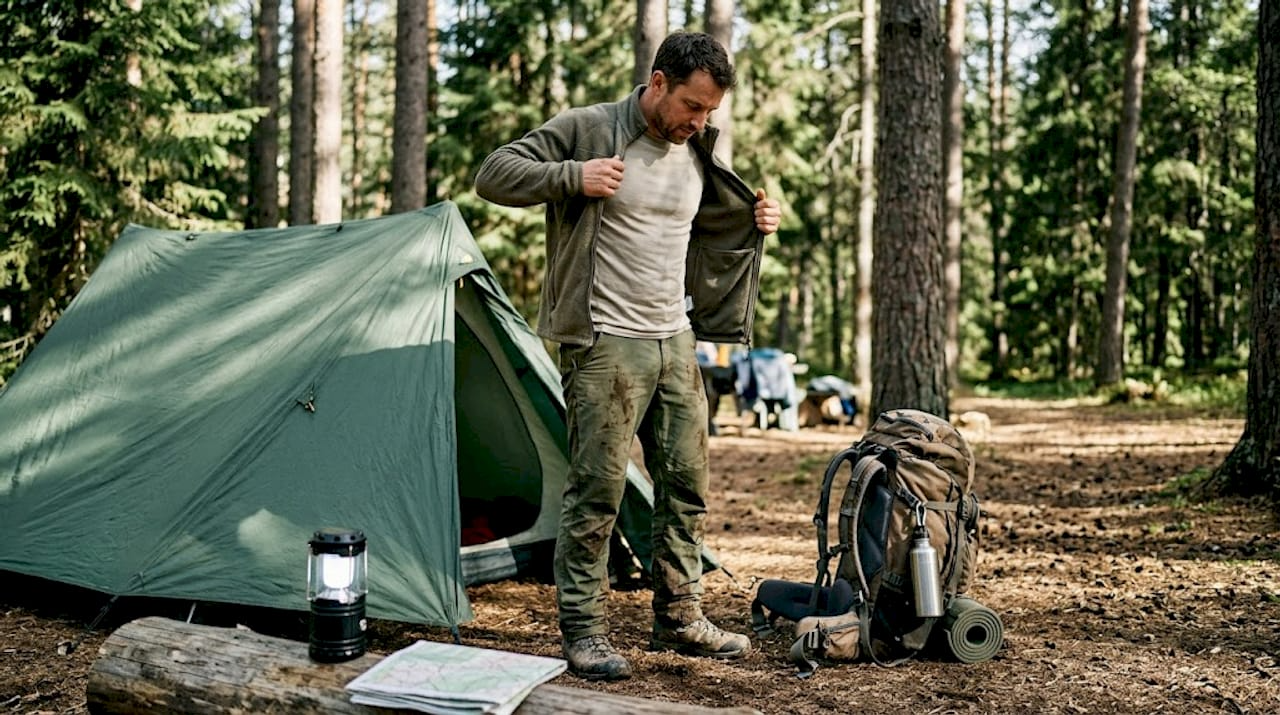
You've seen it happen at the trailhead. One camper stays warm, dry, and energized through shifting weather while the person next to them shivers in a soaked jacket, cutting the trip short. The difference is almost never about who bought the most expensive gear. It comes down to layering, which is knowing what to wear, when to wear it, and why each piece matters. This guide walks you through the core principles and practical steps of outdoor layering so you can stay comfortable, safe, and ready for whatever the trail throws at you.
Key Takeaways
| Point | Details |
|---|---|
| Layering basics | Understanding the three-layer system is key to staying dry, warm, and protected outdoors. |
| Adapt to conditions | You should modify your layers for each weather and activity situation to avoid discomfort and risk. |
| Avoid common mistakes | Don’t use cotton and always test your setup before extended trips to prevent layering errors. |
| Versatility matters | Packable and weatherproof options offer essential flexibility for any camping adventure. |
What is outdoor layering and why does it matter?
Outdoor layering is a system of wearing multiple garments on top of one another, each designed to serve a distinct function. Think of it as building a personal climate control system you carry on your body. When each piece is doing its job, the system works together to keep you warm without overheating, dry without feeling restricted, and protected from wind, rain, and cold.
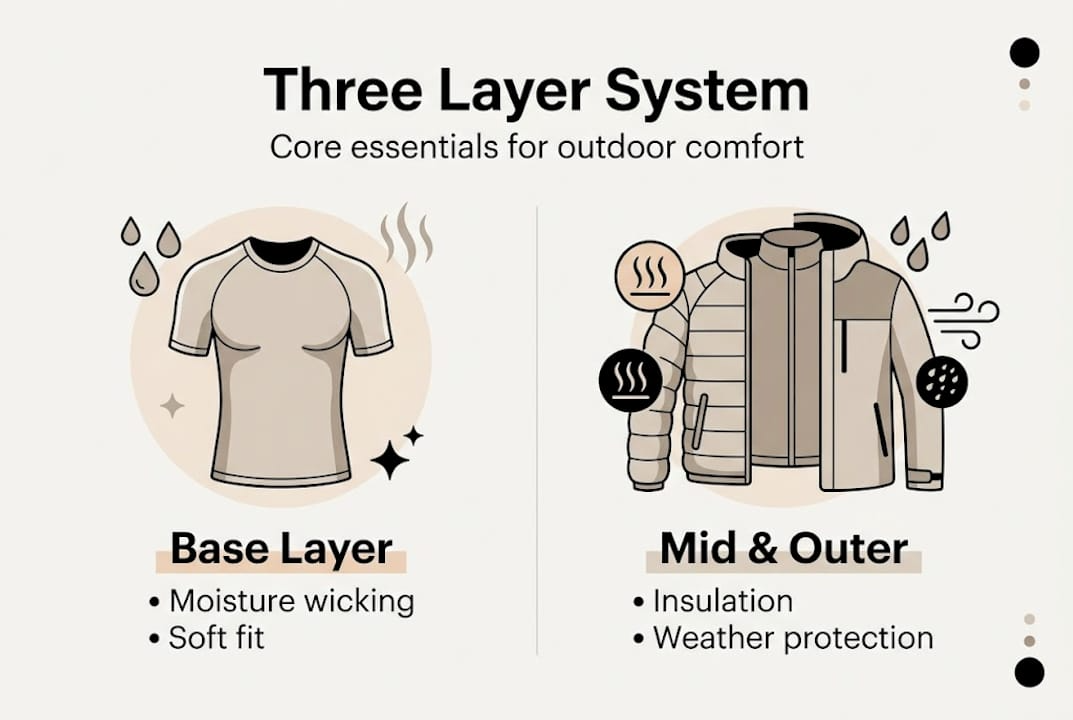
The three core layers are the base layer, the mid layer, and the outer layer. Your base layer sits directly against your skin and moves moisture away through a process called wicking, pulling sweat away before it chills you. Your mid layer traps air close to your body to hold in heat. Your outer layer acts as a shield against wind, rain, and snow while still allowing some airflow so you don't cook from the inside out.
One of the biggest misconceptions is that more layers always means more warmth. That's not accurate. Bulky, poorly matched layers trap moisture, restrict movement, and can actually make you colder. The goal is smart selection, not maximum volume.
Here's a quick summary of what a solid layering system delivers:
- Consistent body temperature as conditions shift
- Moisture control that prevents cold sweat from chilling you
- Protection from wind, rain, and sudden temperature drops
- Flexibility to adapt on the move without carrying extra bulk
- Better energy management so your body isn't working overtime to stay warm
"Layering is one of the most reliable safety tools an outdoor adventurer has. It's not just about comfort. It's about staying functional when conditions turn."
Pro Tip: Before any trip, check why layering matters for your specific destination and season. Weather doesn't care about your plans, but a smart layering strategy does.
Breaking down the three-layer system
Now that you know layering's importance, let's make it practical by detailing each type of garment in the standard three-layer setup.
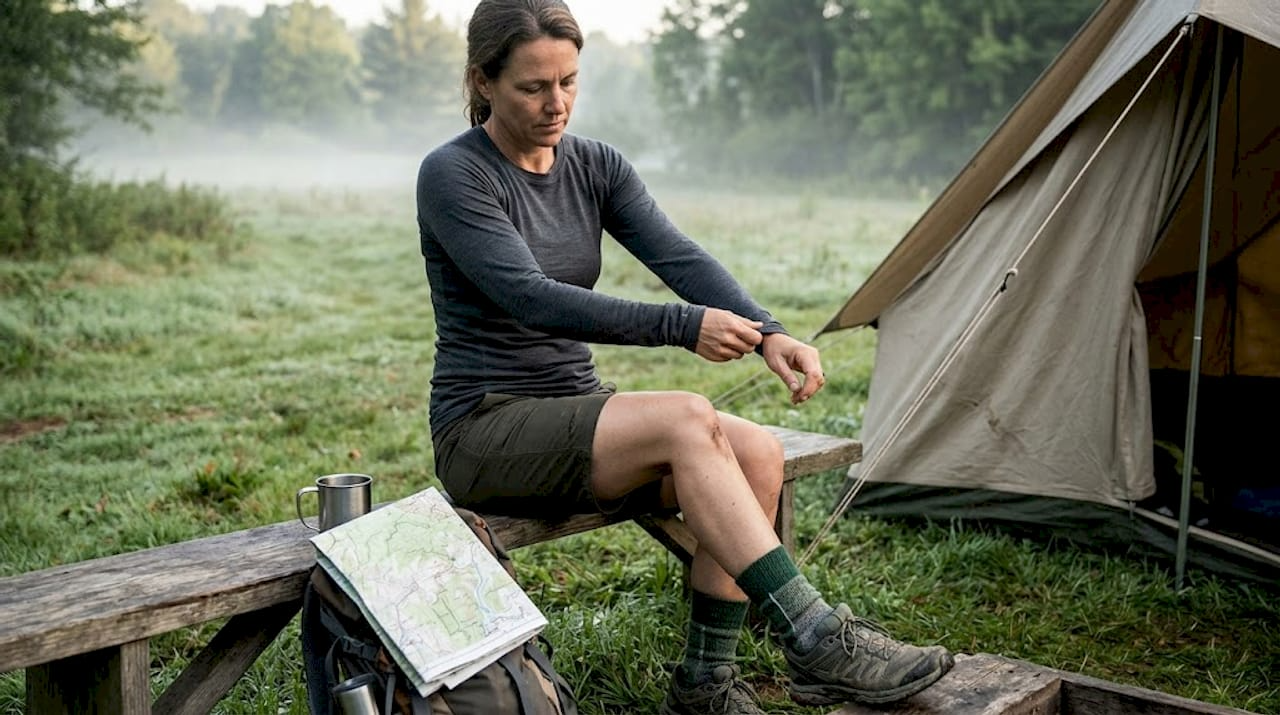
Your base layer is the foundation. It should feel like a second skin, snug but not tight, and made from materials that wick sweat fast. Merino wool and synthetic polyester are the gold standard here. Merino naturally regulates temperature and resists odor. Polyester dries faster and tends to cost less. Cotton fails completely in this role because it holds moisture against your skin.
Your mid layer is your main source of warmth. Fleece, down insulation, and synthetic fill are the most common options. Down packs small and insulates brilliantly in dry cold. Synthetic fill keeps working even when damp, making it smarter for wet climates. Fleece is breathable and great for high-output activities like hiking.
Your outer layer, or shell, is your armor. It needs to block wind and repel rain while allowing vapor to escape. The three-layer system offers flexibility for a range of temperatures and activities, which is why it's the foundation of every solid outdoor wardrobe.
| Layer | Function | Best Materials |
|---|---|---|
| Base | Moisture wicking | Merino wool, polyester |
| Mid | Insulation | Fleece, down, synthetic fill |
| Outer | Weather protection | Gore-Tex, hardshell, softshell |
What to look for in each layer:
- Base: Moisture-wicking fabric, good fit, odor resistance
- Mid: Warmth-to-weight ratio, packability, breathability
- Outer: Waterproof rating, taped seams, adjustable cuffs and hood
Pro Tip: A midweight fleece is the most versatile mid layer you can own. It works as a standalone on cool fall days and pairs with a shell in winter. Learn more about smart camping layering basics to build a system that works across seasons.
Tailoring layers to different conditions and activities
With each layer's role now clear, the next challenge is adapting this system to different environments and levels of activity.
Layering strategies should change based on temperature, precipitation, and activity level. A fast uphill hike generates body heat fast, so you may only need your base and a light shell. Set up camp in wet wind at sunset, and suddenly all three layers plus extras are essential.
| Scenario | Recommended Setup |
|---|---|
| Summer hiking | Wicking base + lightweight shell |
| Rainy trail day | Wicking base + fleece mid + waterproof outer |
| Winter camping overnight | Thermal base + insulated mid + hardshell outer |
| High-altitude trekking | Wicking base + down mid + windproof shell |
| Rest stop in cold conditions | Add insulated mid immediately when stopping |
Here's a simple process for adjusting layers as conditions shift:
- Start with your base layer and one mid layer before setting out
- Remove your outer shell while hiking hard to release heat buildup
- Add the shell back if wind, rain, or a drop in temperature hits
- Stop moving? Add your mid layer right away, even if it's brief
- Vent before you sweat heavily. Open zippers, roll up sleeves to release heat
- Monitor for warning signs: shivers, excessive sweating, stiff fingers
For cold nights, solid winter camping layers and a reliable shelter setup make the difference between restful sleep and a rough night. Also, don't overlook staying warm camping with strategies beyond gear alone. Nutrition and hydration for performance play a surprisingly large role in how well your body holds heat in cold conditions.
Common mistakes and expert tips for layering success
To get all the benefits of layering, it's crucial to be aware of, and avoid, common missteps even experienced campers make.
Improper layering can lead to overheating, chilling, or moisture build-up, increasing health risks outdoors. Here are the most frequent mistakes to watch for:
- Wearing cotton as a base layer. Cotton soaks up sweat and stays wet. On cold days, that wet layer against your skin pulls heat away from your body fast.
- Overdressing before you start moving. It's tempting to put everything on when it's cold, but you'll overheat within minutes of hiking and end up drenched in sweat.
- Ignoring wind. A light breeze at 45°F can feel like 30°F against bare skin. A simple windproof shell makes a huge difference.
- Skipping the mid layer at rest stops. Your body temperature drops quickly when you stop generating heat. Pull on your insulating layer the moment you pause.
- Not testing gear before big trips. Wear your layering system on a shorter outing first so you know how each piece performs and where it falls short.
Pro Tip: Vent early and often. Open your jacket's pit zips or front zipper before you start sweating, not after. Once your base layer is wet, your insulation has to work harder to keep you warm. Consider using packable layers that compress into your pack so you always have options on the trail. A good weatherproof apparel outer layer rounds out a system built for real conditions.
"The outdoors rewards preparation. When you know your layers and trust your system, conditions become challenges to manage, not reasons to turn back."
Our perspective: Why outdoor layering is more about mindset than material
Here's something most gear guides won't tell you. No fabric in the world compensates for not paying attention to your body. We've seen campers in premium technical gear get cold and miserable because they waited too long to add a layer. We've seen others in budget synthetic pieces stay perfectly comfortable because they knew when to act.
The layering mindset is built on anticipation. You don't wait until you're shivering to add insulation. You read the sky, feel the wind, and make a small adjustment before the problem arrives. That's a skill, not a product.
One-size-fits-all advice also fails outdoors. Your body runs warm or cool. Your activity intensity changes. The mountain doesn't know your schedule. What works perfectly for one person may leave another soaked and cold. The only way to truly master layering is to experiment safely, reflect on what worked, and adjust your system trip by trip. Gear gives you the tools. Experience teaches you how to use them.
Level up your adventures with guided gear choices
Outdoor layering is your foundation, but great adventures are built on the full picture of preparation. At Life Camp Adventure, we've put together expert-curated resources to make every decision easier and every trip better.

Explore our detailed camping tents compared guide to find the right shelter that works with your layering setup in any season. Need a full gear rundown? Our outdoor survival checklist walks you through every essential so nothing gets left behind. If you're building your kit from scratch, start with the types of camping gear guide for a clear-eyed look at what every outdoor adventurer actually needs. Great preparation isn't complicated. It just takes the right starting point.
Frequently asked questions
What is the most important layer when camping outdoors?
The base layer is the most important because it manages moisture and keeps your skin dry. Layering is essential for regulating body temperature, and a failed base layer undermines every other piece you wear.
Can I use cotton clothing for outdoor layering?
Cotton is not recommended for outdoor layering. It absorbs moisture and dries slowly, and improper layering from moisture build-up increases real health risks, especially in cold or wet conditions.
How do I adjust my layering system during changing weather?
Add or remove mid and outer layers as weather and exertion shift, and always vent before you sweat. The three-layer system is designed for this kind of on-the-fly flexibility.
Is layering needed for warm weather adventures?
Yes. Even in summer, lightweight layering helps manage sun exposure, wind, and sweat. Layering strategies should change with temperature and activity, including on warmer days.
What gear enhances the effectiveness of a layering system?
Accessories like hats, gloves, and neck gaiters add targeted protection to complement your layers. Packable clothing is especially valuable because it gives you options without adding bulk to your pack.
Recommended
- What Is Layering in Camping? Boosting Comfort Outdoors
- Essential role of layering for comfort outdoors
- Why layer clothing outdoors? Comfort, safety, and success
- Guide to Cold Weather Camping for Ultimate Comfort
- The Best Layering Systems For Unpredictable Mountain Weather | Young Explorers Club Switzerland
