
Most backpackers assume modular systems exist purely to shave ounces off their pack weight. The reality surprises many: modular backpacking systems optimize versatility and customization for different conditions, not just weight reduction. This approach lets you swap components based on weather, terrain, and trip length rather than buying separate complete setups for every adventure. You'll discover what modular backpacking truly means, how attachment systems work, and practical strategies to adapt gear combinations for maximum utility across seasons and environments.
Key takeaways
| Point | Details |
|---|---|
| Modular backpacking defined | Uses interchangeable gear components that adapt to different trip types and conditions. |
| Primary benefits | Offers customization, potential weight savings, and extended gear longevity through versatile use. |
| Requires planning | Demands upfront investment and careful attention to component compatibility. |
| Attachment systems matter | Standardized systems like MOLLE enable secure integration of pouches and accessories. |
| Preferred by experienced users | Veteran backpackers value modularity for its adaptability across diverse adventures. |
Understanding modular backpacking: what it is and why it matters
Modular backpacking centers on component-based gear systems where individual pieces attach, detach, and recombine to match specific trip requirements. Unlike traditional all-in-one setups that lock you into fixed configurations, modular systems offer versatility by allowing users to adapt their gear to various conditions and trip types, reducing the need for multiple specialized items. This flexibility means carrying exactly what each adventure demands without redundant equipment weighing you down.
Traditional backpacking often requires separate complete kits for summer hiking, winter camping, and shoulder season trips. Each setup duplicates basic components like packs, sleeping bags, and shelter systems. Modular approaches eliminate this redundancy by letting you swap specific elements while keeping core gear constant. A single modular sleeping system might combine a liner, quilt, and waterproof shell that work together in winter but separate for summer trips, matching conditions precisely.
Research indicates properly configured modular systems can achieve up to 30% weight reduction compared to carrying traditional fixed gear for variable conditions. The key lies in selecting components that serve multiple purposes across different scenarios. A veteran gear designer notes that successful modular backpacking means matching gear to trip needs rather than forcing trips to fit available equipment.
The philosophy extends beyond weight savings to include:
- Reduced gear storage needs at home by eliminating duplicate items
- Lower long-term costs through versatile components that replace multiple specialized products
- Easier gear upgrades by swapping individual pieces instead of entire systems
- Enhanced problem-solving capability when conditions change unexpectedly
This approach particularly benefits backpackers who tackle diverse environments throughout the year. Instead of investing in separate three-season and winter sleeping bags, you build a layered system that adjusts from freezing alpine nights to warm desert evenings. The same principle applies to shelter, clothing, and pack organization, creating a cohesive kit that evolves with your adventures.
Understanding essential camping gear types provides the foundation for building effective modular systems. Each component category offers opportunities for customization and adaptation when you recognize how pieces interact across different configurations.
The mechanics behind modular backpacking systems
Standardized attachment systems form the backbone of modular backpacking, enabling secure integration of components while maintaining flexibility. The MOLLE system, originally developed for military applications, uses webbing grids with load-bearing capacities up to 50 lbs per attachment point. These grids consist of horizontal rows of heavy-duty nylon webbing sewn onto packs, pouches, and accessories at precise intervals.
PALS webbing creates the physical interface for MOLLE attachments. The Pouch Attachment Ladder System features columns of webbing spaced one inch apart horizontally and one and a half inches vertically. Straps woven through these columns lock pouches and accessories firmly in place while allowing quick removal when you need to reconfigure your setup. This standardization means components from different manufacturers often work together seamlessly.
Proprietary modular systems offer alternatives to MOLLE, sometimes providing lighter weight or more streamlined profiles. Brands develop custom attachment methods using clips, rails, or magnetic connections. While these systems may optimize specific use cases, they typically limit you to components within the same product family. The trade-off between universal compatibility and specialized performance defines a key decision point when building your modular kit.
| System Type | Compatibility | Weight | Ease of Use | Best For |
|---|---|---|---|---|
| MOLLE/PALS | Universal across brands | Moderate | Requires practice | Maximum versatility |
| Proprietary clips | Brand-specific | Light | Quick attachment | Weight-focused setups |
| Magnetic systems | Limited options | Very light | Instant connection | Ultralight applications |
| Velcro panels | Moderate compatibility | Light | Simple but less secure | Casual weekend trips |
Load distribution mechanics determine how well modular systems perform under real backcountry conditions. Attachment points must transfer weight efficiently to your pack's frame and hip belt. Poorly positioned pouches create pressure points or throw off balance, turning a theoretically optimal setup into an uncomfortable burden. The webbing grid allows precise placement to distribute weight according to your body geometry and the specific load you're carrying.
Integration extends beyond external pouches to include sleeping systems, shelter components, and even hydration setups. Modern modular packs feature internal attachment points for removable frames, adjustable suspension systems, and compression panels that adapt to varying load volumes. You can strip a 65-liter pack down to 40 liters for short trips by removing the extension collar and compressing the main compartment.
Pro Tip: Practice assembling your complete modular setup at home before any trip. Thread MOLLE straps through webbing multiple times until the motion becomes automatic, and verify that weight distribution feels comfortable under realistic loads. This preparation prevents fumbling with unfamiliar attachments in fading light at the trailhead.
Understanding packable gear benefits helps you recognize which components work best in modular configurations. Items designed for compression and reconfiguration integrate more effectively than rigid traditional gear.
Adapting gear for conditions: layering and combining components
Layering principles transform modular backpacking from theory into practical advantage. Modular systems allow customization based on temperature, weather, and activity by combining a liner and quilt for warmth or adding a shell for wet, cold conditions. This flexibility lets you dial in exactly the insulation and protection each trip demands without carrying unnecessary bulk.
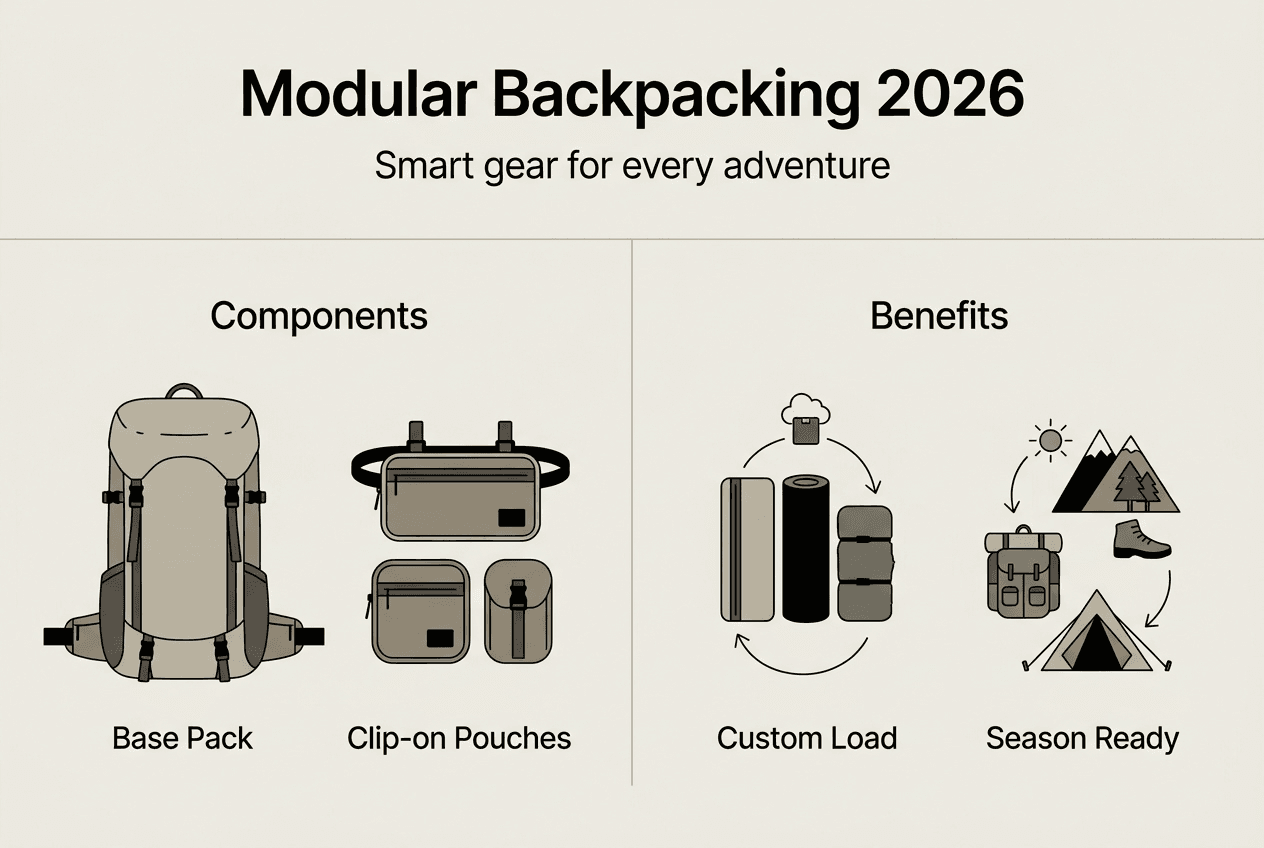
A complete modular sleep system typically includes three core components. The liner provides a lightweight base layer that adds minimal warmth but keeps your quilt clean and offers a comfort boost in shelters. The quilt delivers primary insulation, available in various temperature ratings to match expected conditions. The waterproof, breathable shell protects against moisture and wind while adding a few degrees of warmth through dead air space.
Consider a practical example for a spring backpacking trip where temperatures might range from 28°F at night to 65°F during the day:
- Check extended weather forecasts for your destination, noting overnight lows, precipitation probability, and wind predictions.
- Select your quilt based on the coldest expected temperature, adding a 10-degree safety margin for unexpected drops.
- Add the liner if temperatures approach your quilt's lower limit or if you want extra cleanliness in a shared shelter.
- Include the shell when forecasts show rain, snow, or sustained winds above 15 mph that could compromise quilt performance.
- Pack only the quilt for mild, stable conditions where the liner and shell would add unnecessary weight.
This decision-making process applies equally to shelter systems, where modular tents separate inner mesh bodies from rainflies and footprints. Warm, dry forecasts mean leaving the footprint home and potentially the rainfly too, cutting shelter weight by 40% or more. Uncertain weather demands the complete system for maximum protection and versatility.
Clothing layers follow identical logic. Base layers, insulating mid-layers, and waterproof shells combine or separate based on activity level and environmental conditions. A modular puffy jacket with removable sleeves becomes both a vest for high-output hiking and a full jacket for camp. These adaptations maintain comfort across the temperature swings common in mountain environments.
Weight savings compound when you optimize multiple gear categories simultaneously. Dropping the tent footprint, switching to quilt-only sleep, and leaving shell layers behind for a guaranteed clear weather window can reduce pack weight by several pounds. That reduction translates directly to easier miles, less fatigue, and more enjoyment on trail.
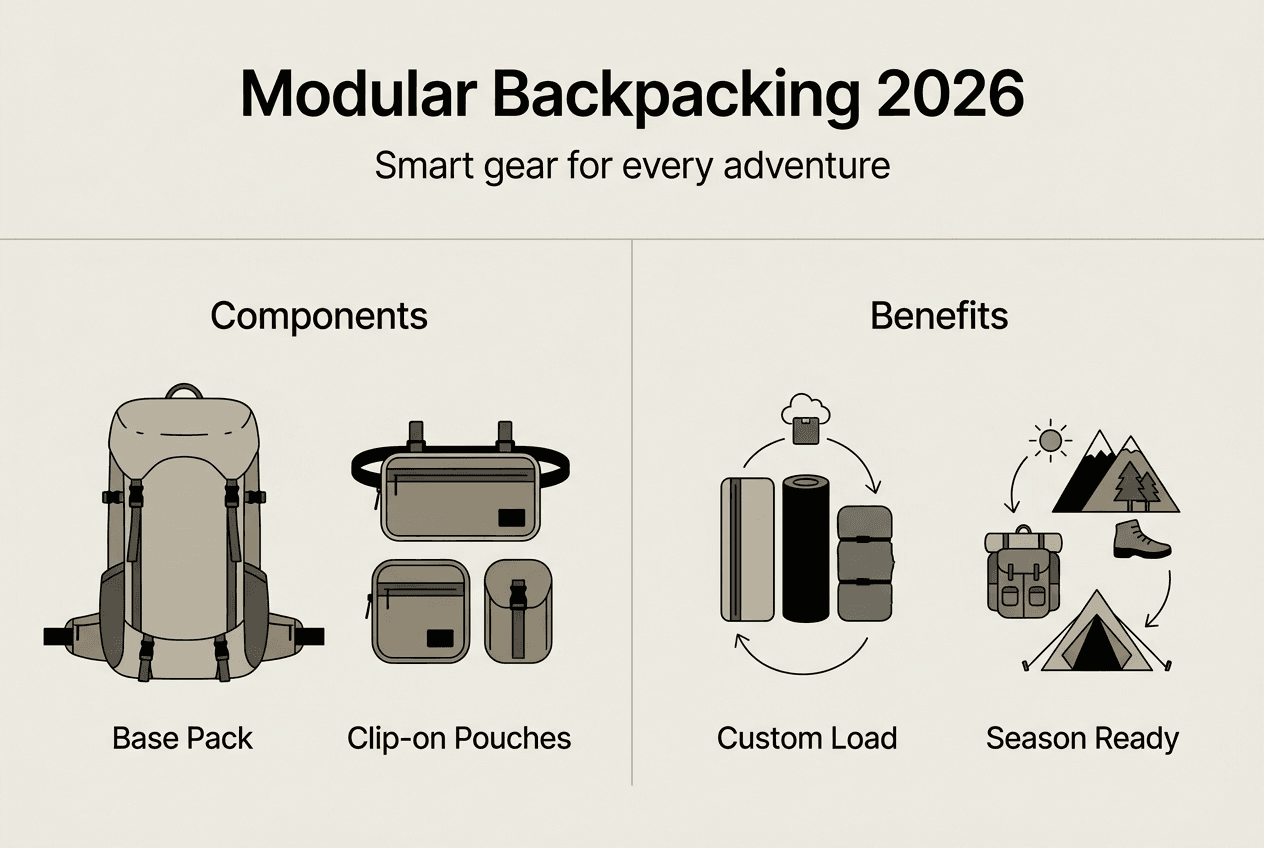
Pro Tip: Create a simple spreadsheet listing your modular components with weights and compatible conditions. Before each trip, reference this chart alongside weather forecasts to select optimal combinations quickly. Test new configurations on short overnight trips before committing to longer adventures where gear failures carry higher consequences.
A comprehensive adventure travel packing list demonstrates how modular principles extend beyond backpacking-specific gear to your entire adventure kit. The same adaptability that optimizes sleep systems and shelters applies to every category of equipment you carry.
Challenges and pitfalls of modular backpacking systems
Modular backpacking introduces complexity that can overwhelm newcomers and create problems even for experienced users. Initial cost and compatibility concerns can complicate modular setups, with experts recommending thorough component research and practicing gear assembly before trips. The upfront investment typically exceeds buying a single traditional setup because you're purchasing multiple pieces that combine in various ways.
Compatibility issues rank among the most frustrating pitfalls. Attachment systems that appear similar may use slightly different spacing or strap widths, preventing secure connections. A pouch designed for one brand's webbing might hang loosely on another's, creating dangerous situations where gear detaches during challenging terrain. Temperature ratings for modular sleep components sometimes overlap poorly, leaving gaps in your effective range or unnecessary redundancy that wastes money and pack space.
User errors in setup compound these challenges. Incorrectly threaded MOLLE straps come loose under load, dropping expensive gear or creating balance issues that increase injury risk. Forgetting a critical component at home because your modular system distributes pieces across multiple storage locations turns a well-planned trip into an uncomfortable ordeal. The learning curve for optimizing configurations takes time and often involves expensive mistakes.
Common preventive measures include:
- Research components from the same manufacturer or verify compatibility through user reviews and detailed specifications before purchasing
- Create a detailed packing checklist that accounts for all modular pieces required for specific trip types
- Invest in quality attachment hardware that exceeds your maximum expected loads by a safety margin
- Practice complete system assembly multiple times at home, identifying and solving integration issues in a controlled environment
- Start with a core modular setup for familiar conditions before expanding into more complex configurations
- Join online communities where experienced modular backpackers share compatibility information and setup techniques
The temptation to over-optimize represents another subtle pitfall. Spending hours researching the perfect combination of components for a hypothetical trip often yields diminishing returns compared to simply getting outside with good-enough gear. Analysis paralysis prevents many potential modular backpackers from ever starting, while veterans recognize that experience teaches optimization faster than endless planning.
Budget constraints force difficult decisions about which components to prioritize. A complete modular sleep system might cost $600 or more when buying liner, multiple quilts for different temperature ranges, and a quality shell. Traditional alternatives deliver adequate performance for $200 to $300, making the modular premium hard to justify for occasional backpackers. The value proposition improves dramatically for frequent users who regularly encounter diverse conditions.
Reviewing a comprehensive backpacking preparation guide helps you understand where modular systems fit within broader trip planning. Proper preparation mitigates many compatibility and user error risks by building systematic approaches to gear selection and verification.
Mastering efficient backpack packing becomes even more critical with modular systems. The ability to reconfigure your load means nothing if poor packing negates weight distribution advantages or makes components inaccessible when conditions change on trail.
Explore versatile camping gear for your adventures
Building an effective modular backpacking system starts with understanding which components deliver the most versatility for your typical adventures. Life Camp Adventure curates gear selections that support adaptable outdoor experiences, helping you identify equipment that integrates seamlessly across different configurations and conditions.
Our detailed camping tents comparison examines shelters with modular features like removable rainflies, adjustable vestibules, and compatible footprints that let you customize protection levels. These reviews highlight real-world performance data and compatibility notes that prevent costly purchasing mistakes. You'll find expert analysis of attachment systems, weight-to-protection ratios, and seasonal versatility that informs smarter gear decisions.
The best camping gear comparison extends beyond shelters to cover sleep systems, packs, and accessories designed for modular use. Each guide breaks down how components work together, which combinations optimize specific trip types, and where to invest for maximum long-term value. Our testing focuses on the integration challenges and compatibility issues that matter most when building adaptable kits.
Explore our resource on choosing camping equipment to understand decision frameworks that align gear selection with your backpacking style and goals. This foundation helps you prioritize which modular components deliver the biggest impact for your investment and which traditional alternatives might serve better for your specific needs.
FAQ
What is the best way to start with modular backpacking?
Begin by assessing your typical backpacking needs across the past year, identifying which conditions you encounter most frequently and where traditional gear falls short. Start with core components like a versatile pack with MOLLE webbing and a basic modular sleep system, then expand your kit gradually as you gain experience with different configurations. This approach spreads costs over time while building practical knowledge about which pieces deliver the most value for your adventures. Review a comprehensive backpacking preparation guide to understand how modular gear fits within broader trip planning frameworks.
Are modular backpacking systems always lighter than traditional gear?
Modular systems don't guarantee lighter pack weight by default. Weight depends on gear choices and trip requirements, with the key being selecting components matching expected conditions rather than carrying every possible combination. A poorly optimized modular setup carrying unnecessary options can actually weigh more than a traditional fixed system. The weight advantage emerges when you carefully match components to specific trips, leaving behind pieces that don't serve the current adventure. Experienced modular backpackers achieve lighter loads through disciplined selection, not simply by using modular gear.
How do I ensure compatibility between modular gear components?
Check for standardized attachment systems like MOLLE before purchasing any modular components, verifying that webbing spacing and strap widths match across different pieces. Purchase gear explicitly designed for modular use from manufacturers with established compatibility standards or stick within a single product family when using proprietary systems. Experts recommend thoroughly researching component compatibility and practicing setup before the backcountry to identify integration issues in a controlled environment. Test your complete system under realistic loads at home, confirming that attachments hold securely and weight distributes comfortably. Learning efficient backpack packing techniques helps you arrange modular components for optimal balance and accessibility.
What are the most versatile components in a modular backpacking system?
Sleeping system layers including liner, quilt, and waterproof shell offer the most versatility because they adapt to the widest temperature range and weather conditions with minimal weight penalty. Modular pouches and attachment-compatible organizational bags rank second, letting you reconfigure pack layout for different trip lengths and gear requirements. Items that serve multiple functions across various weather conditions deliver the best return on investment, such as insulating layers with removable sleeves or shelters with detachable components. Understanding essential camping gear types helps you identify which categories benefit most from modular approaches and which work better as traditional fixed items.
Recommended
- Why choose packable gear for your 2026 outdoor adventures
- Adventure Travel Packing List 2026: 70% Less Overpacking
- 2025 Outdoor Gear Trends: What Adventurers Need Now
- How to Prepare for Backpacking: Your Complete Guide
- 5 Modern Backpacker Essentials
- The Overpacker’s Dream: How Bolstie Solves Packing Woes & Travel Discomfort – BOLSTIE TRAVEL PILLOW
