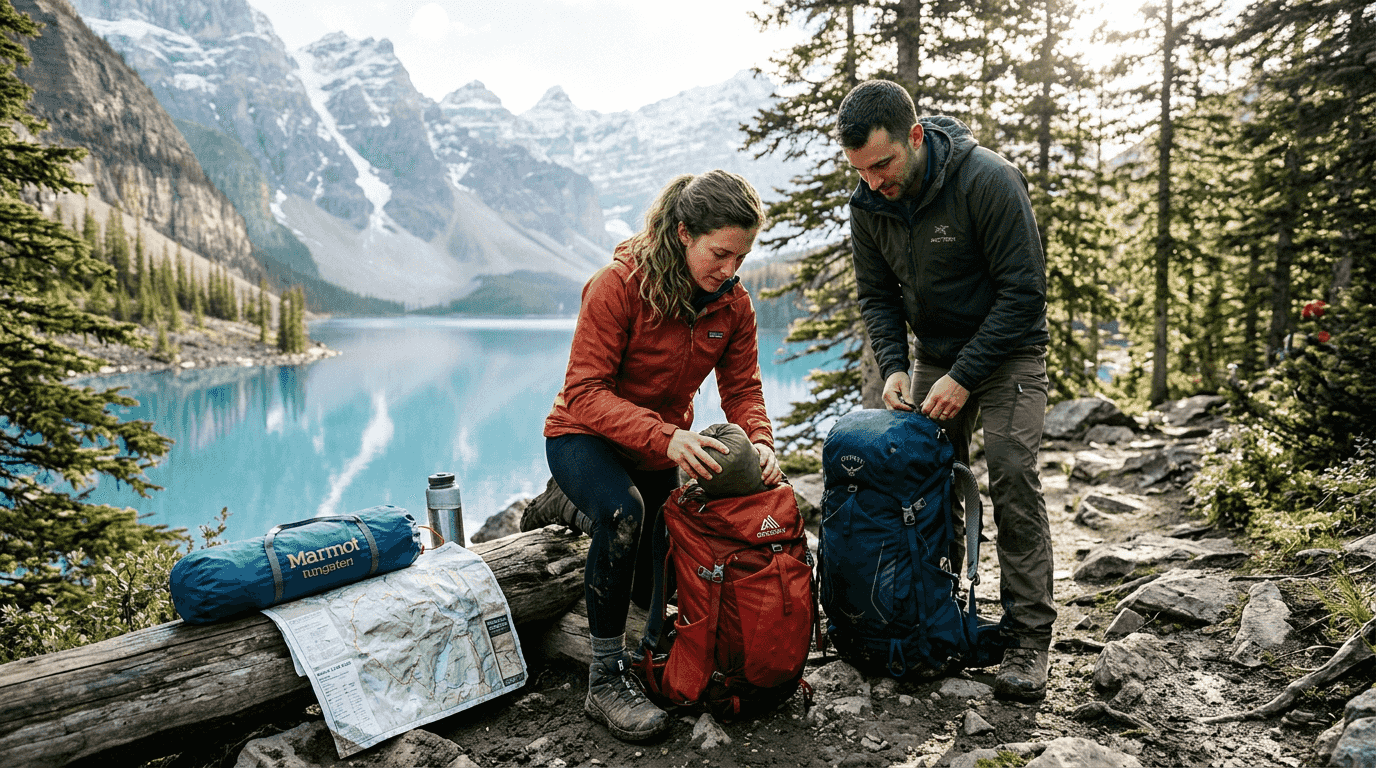
Tired of lugging heavy, bulky equipment on every outdoor trip? You're not alone. Many adventurers struggle with overpacked bags that slow them down and drain their energy. There's a common myth that lightweight gear sacrifices quality, but modern packable options prove otherwise. This guide explains why packable gear is the smart choice for convenience, performance, and comfort on any adventure.
Key takeaways
| Point | Details |
|---|---|
| Lightweight packable gear boosts mobility and comfort | Reduced weight means less fatigue and more energy for exploring trails and campsites. |
| Packable gear maintains high quality and durability | Advanced materials ensure performance matches or exceeds traditional gear without the bulk. |
| Choosing packable gear optimizes space and convenience | Compact design frees up room for essentials and simplifies packing for any trip length. |
| Understanding gear features helps select the right items | Knowing what to look for ensures you get versatile, reliable equipment suited to your adventures. |
The challenge of traditional outdoor gear
Heavy packs make every mile harder. When you carry conventional camping equipment, you're not just carrying gear; you're hauling unnecessary weight that taxes your body. Each extra pound adds up, increasing physical strain and fatigue. Many hikers find themselves exhausted before reaching their destination simply because their gear weighs them down.
Bulky equipment creates logistical nightmares. Large tents, sleeping bags, and cooking systems consume valuable pack space. This limits your ability to bring other essentials or forces you into uncomfortable carrying positions. You end up making compromises that affect your entire trip experience.
Adventure travel packing lists show 70% less overpacking when adventurers switch to streamlined systems. Traditional gear often encourages bringing "just in case" items that never get used. This habit stems from unclear gear selection criteria and fear of being unprepared.Carrying excess weight limits trip duration and enjoyment. Here's what happens:
- Reduced mobility makes it harder to explore off-trail opportunities
- Faster energy depletion shortens your hiking range
- Increased discomfort discourages multi-day adventures
- Higher injury risk from strain and balance issues
"The weight you carry directly impacts your outdoor experience. Every unnecessary ounce becomes a burden over miles of trail."
These challenges explain why experienced adventurers prioritize adventure packing tips that emphasize efficiency. Understanding these problems sets the stage for exploring better solutions.
What defines packable gear and why it matters
Packable gear is designed to be lightweight, compressible, and easy to transport without sacrificing performance. Unlike traditional equipment, these items fold down, roll up, or collapse into compact forms. This fundamental difference transforms how you pack and move through outdoor environments.
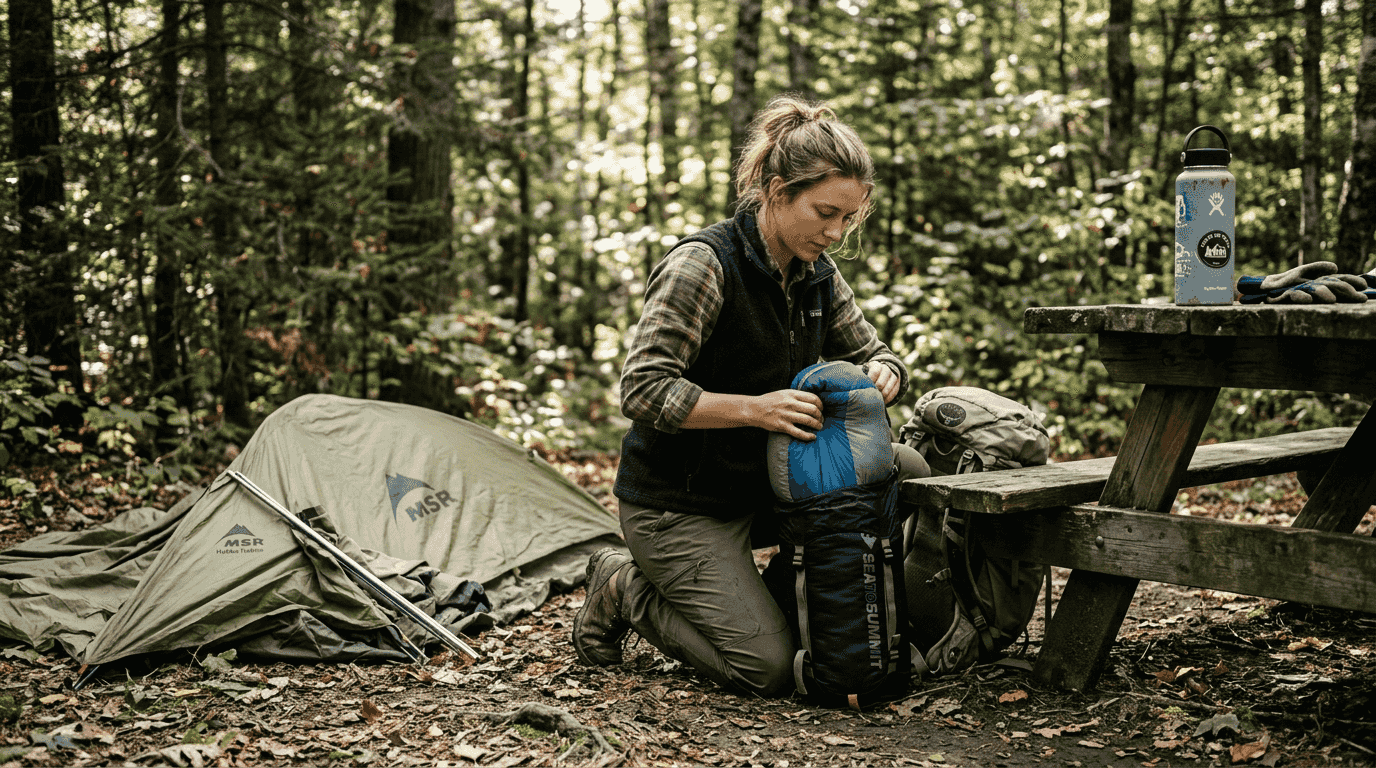
Key characteristics separate packable gear from conventional options. Quality packable items use advanced fabrics and engineering to maintain durability while minimizing weight and volume. They're built for quick setup and teardown, saving time at camp. Materials like ripstop nylon, titanium, and specialized insulation provide strength without bulk.
The best camping gear comparison reveals that packable options typically weigh 30-50% less than traditional equivalents. This weight reduction directly translates to easier carrying and reduced fatigue. Compression features allow gear to occupy minimal space when not in use.
Essential features to look for:
- Compression capability that reduces packed size by at least 40%
- Reinforced stress points for durability despite lighter construction
- Multi-functional design that serves several purposes
- Quick-dry or water-resistant materials for variable conditions
- Color-coded or labeled components for fast assembly
These features work together to create gear systems that adapt to your needs. Space savings mean you can carry more variety without increasing pack size. Reduced load stress protects your joints and muscles over long distances.
Pro Tip: Test compression features before your trip. Pack and unpack gear several times to understand how small it actually gets and practice quick setup.
Understanding outdoor gear terminology helps you evaluate product claims accurately. Terms like "packable," "ultralight," and "compressible" have specific meanings in the outdoor industry. Knowing these distinctions ensures you select gear that truly meets your requirements.
Comparing packable vs. traditional gear: pros and cons
Direct comparison reveals clear advantages and trade-offs between gear types. This helps you make informed decisions based on your specific adventure plans and priorities.
| Feature | Packable Gear | Traditional Gear |
|---|---|---|
| Weight | 30-50% lighter on average | Heavier but potentially more robust |
| Pack size | Compresses to minimal volume | Bulkier, requires more space |
| Setup time | Typically faster assembly | May take longer to set up |
| Durability | High with modern materials | Often thicker, more padding |
| Cost | Varies, often premium pricing | Wide range of price points |
| Versatility | Designed for mobility | Better for stationary camps |
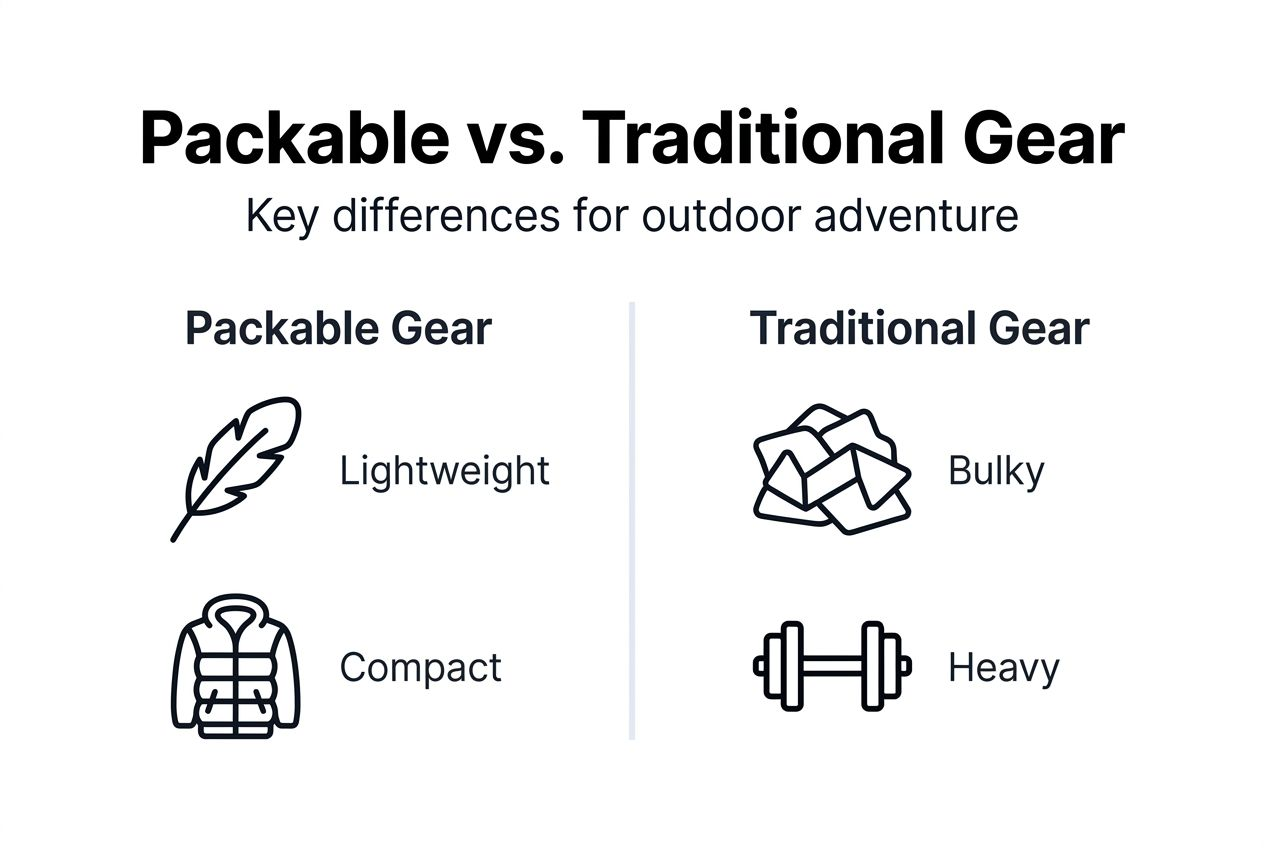
Packable gear excels in scenarios requiring frequent movement. Multi-day backpacking trips, alpine climbing, and bike touring all benefit from reduced weight. You'll notice the difference most acutely on steep terrain or during long hiking days. The ability to pack smaller also opens up travel options like flying with gear as carry-on.
Traditional gear still has its place. Base camping, car camping, or situations where weight doesn't matter may favor conventional options. Some traditional items offer extra features like more pockets, thicker padding, or larger cooking surfaces. These conveniences matter when you're not carrying gear far.
Survival gear insights emphasize that packable options often perform better in mobile emergency situations. Being able to move quickly with essential gear can be critical for safety. However, extreme conditions like winter mountaineering might warrant heavier-duty traditional equipment.Considerations for choosing:
- Trip length: Multi-day trips favor packable gear's weight savings
- Terrain difficulty: Technical routes benefit from lighter loads
- Transportation method: Backpacking requires packable; car camping allows traditional
- Weather extremes: Harsh conditions may need traditional robustness
- Personal fitness: Lighter gear helps less experienced hikers build confidence
Pro Tip: Start with packable versions of your most-used items. Replace heavy sleeping bags, tents, and jackets first for maximum impact on pack weight.
The choice isn't always either/or. Many adventurers mix packable and traditional items based on specific needs. A packable tent with a traditional camp chair creates a balanced system. Understanding both options lets you customize your setup for optimal performance.
How to choose the best packable gear for your adventures
Selecting the right packable gear requires matching equipment capabilities to your specific outdoor activities. Start by assessing your typical trip profile. Weekend hikers need different gear than week-long backcountry explorers. Consider distance, terrain, weather, and group size when evaluating options.
Prioritize the balance between durability and weight. The lightest option isn't always best if it fails after one season. Look for gear with proven track records and strong user reviews. Essential camping gear types include shelter, sleep systems, cooking equipment, and clothing, each requiring different durability standards.
Quality indicators to evaluate:
- Manufacturer warranty length (longer warranties signal confidence)
- Material denier rating (higher numbers mean stronger fabric)
- Seam construction (double-stitched or taped seams last longer)
- User reviews mentioning multi-season use
- Brand reputation in the outdoor community
Layering creates versatility in changing conditions. Instead of one heavy jacket, packable systems use multiple thin layers. This approach adapts to temperature swings and activity levels. The same principle applies to sleep systems and shelter configurations.
Step-by-step selection process:
- List your typical outdoor activities and conditions
- Research weight and packed size for each gear category
- Set a realistic budget allowing quality over quantity
- Read detailed reviews focusing on long-term durability
- Test gear before committing to major trips
- Build your system gradually, replacing heaviest items first
Consider the hiking essentials list as your foundation. These core items form the basis of any outdoor kit. Once you have reliable packable versions of essentials, add specialty items for specific adventures.
Weight distribution matters as much as total weight. Packable gear's compact size allows better weight placement in your pack. Heavier items should sit close to your back and high in the pack. Lighter packable items can fill gaps and stabilize the load.
Don't overlook packable accessories. Small items like packable daypack, compressible pillows, and collapsible water containers add functionality without bulk. These details enhance comfort and convenience on every trip.
Explore top packable gear options at Life Camp Adventure
Ready to lighten your load and enhance your outdoor experiences? Life Camp Adventure provides carefully curated packable gear selections designed for real-world performance. Our best camping gear comparison breaks down top options across categories, helping you make informed decisions quickly.
Discover expert guides on choosing camping equipment that matches your adventure style and budget. We've tested and evaluated packable options to identify gear that delivers on durability, weight savings, and ease of use. Explore our camping tents comparison to find shelter solutions that pack small but perform big. Every product recommendation focuses on helping you explore with confidence and comfort.
Frequently asked questions
What is packable gear in outdoor activities?
Packable gear refers to lightweight, compressible outdoor equipment engineered for easy transport and minimal storage space. These items use advanced materials and design to reduce weight and volume without sacrificing essential performance. Common examples include down sleeping bags that compress to softball size, tents that fold into compact stuff sacks, and jackets that pack into their own pockets. Understanding outdoor gear terminology helps you identify truly packable options versus marketing claims.
Does packable gear compromise durability or quality?
Modern packable gear maintains high durability through advanced material engineering and construction techniques. Manufacturers use ripstop fabrics, reinforced stress points, and innovative designs that provide strength without bulk. Many premium packable items actually outlast traditional gear because they use higher-quality materials to achieve weight savings. Top brands invest heavily in testing to ensure packable options meet or exceed performance standards for demanding outdoor use.
What are the best types of packable gear for hikers and campers?
Lightweight backpacking tents, compressible sleeping bags, and modular cookware systems represent the most impactful packable gear choices. These items offer the greatest weight and space savings compared to traditional versions. Essential camping gear types also include packable clothing layers, compact water filtration, and collapsible trekking poles. Your ideal selection depends on your specific adventure environment, trip duration, and personal comfort preferences.
How does packable gear improve outdoor adventure safety?
Carrying packable gear reduces fatigue and allows for faster responses to changing outdoor conditions. Lighter loads preserve energy for better decision-making throughout your trip. Reduced weight means less strain on joints and muscles, lowering injury risk on challenging terrain. Packable gear also enables quicker camp setup and breakdown, which matters when weather deteriorates or emergencies arise. The ability to move efficiently with essential survival gear insights can be critical in unexpected situations.
