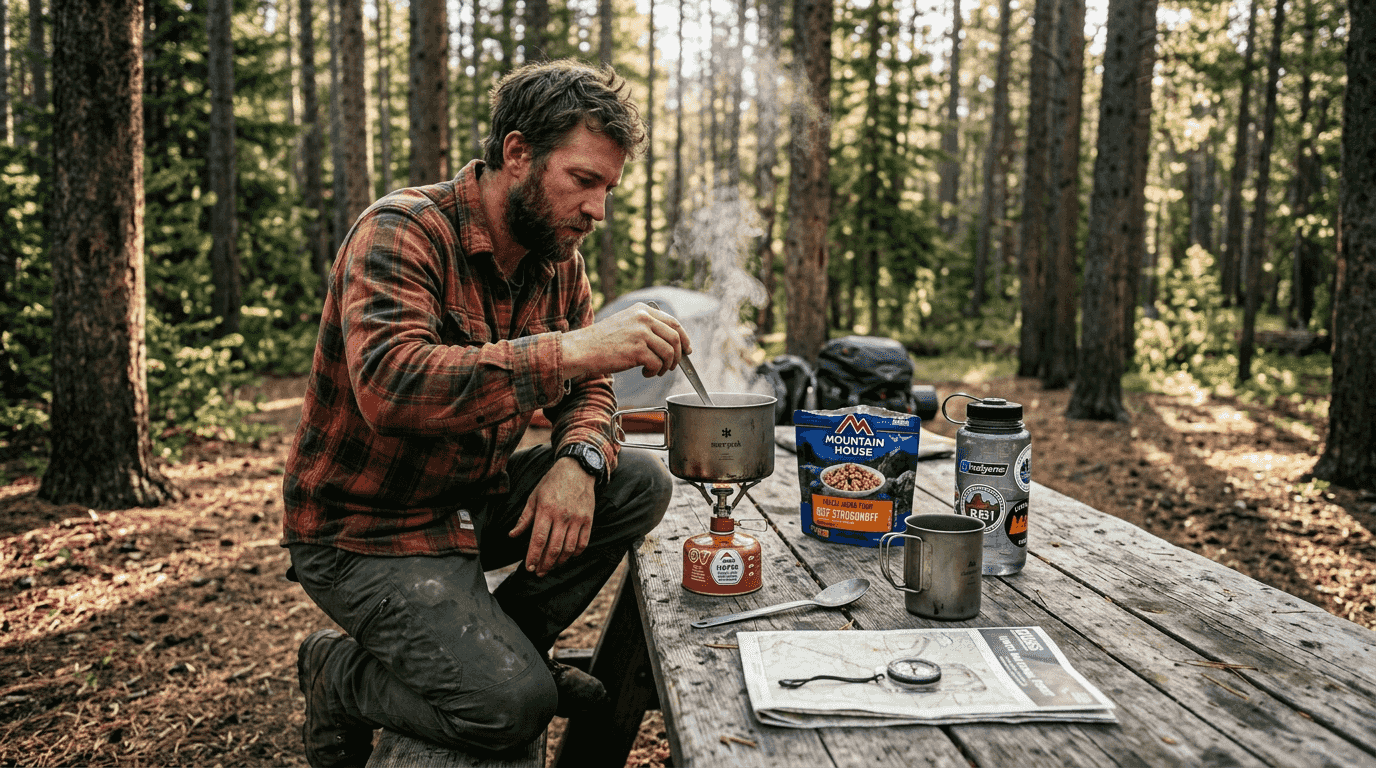
Many people think backcountry cooking means surviving on bland, freeze-dried packets or wrestling with complicated camp stoves in the wilderness. The truth is far more exciting. With the right knowledge of cooking methods and gear choices, you can enjoy satisfying meals that fuel your adventures and elevate your outdoor experience. This guide breaks down backcountry cooking techniques, nutrition essentials, gear selection, and practical planning tips to help you master the art of eating well on the trail.
Key takeaways
| Point | Details |
|---|---|
| Cooking methods vary by trip needs | Boil-and-eat meals work for lightweight trips while liquid fuel stoves enable chef-style cooking with fresh ingredients |
| High-calorie meals sustain energy | Meals over 700 calories provide the fuel needed for demanding trail activities |
| Gear choices affect meal quality | Balancing pack weight against cooking complexity determines what meals you can prepare in the backcountry |
| Nutrition impacts trail performance | Improved VO2max and body composition result from outdoor activity paired with proper fueling |
| Strategic planning enhances outcomes | Matching meals to trip length and activity level optimizes both pack weight and energy availability |
Understanding backcountry cooking: methods and meal types
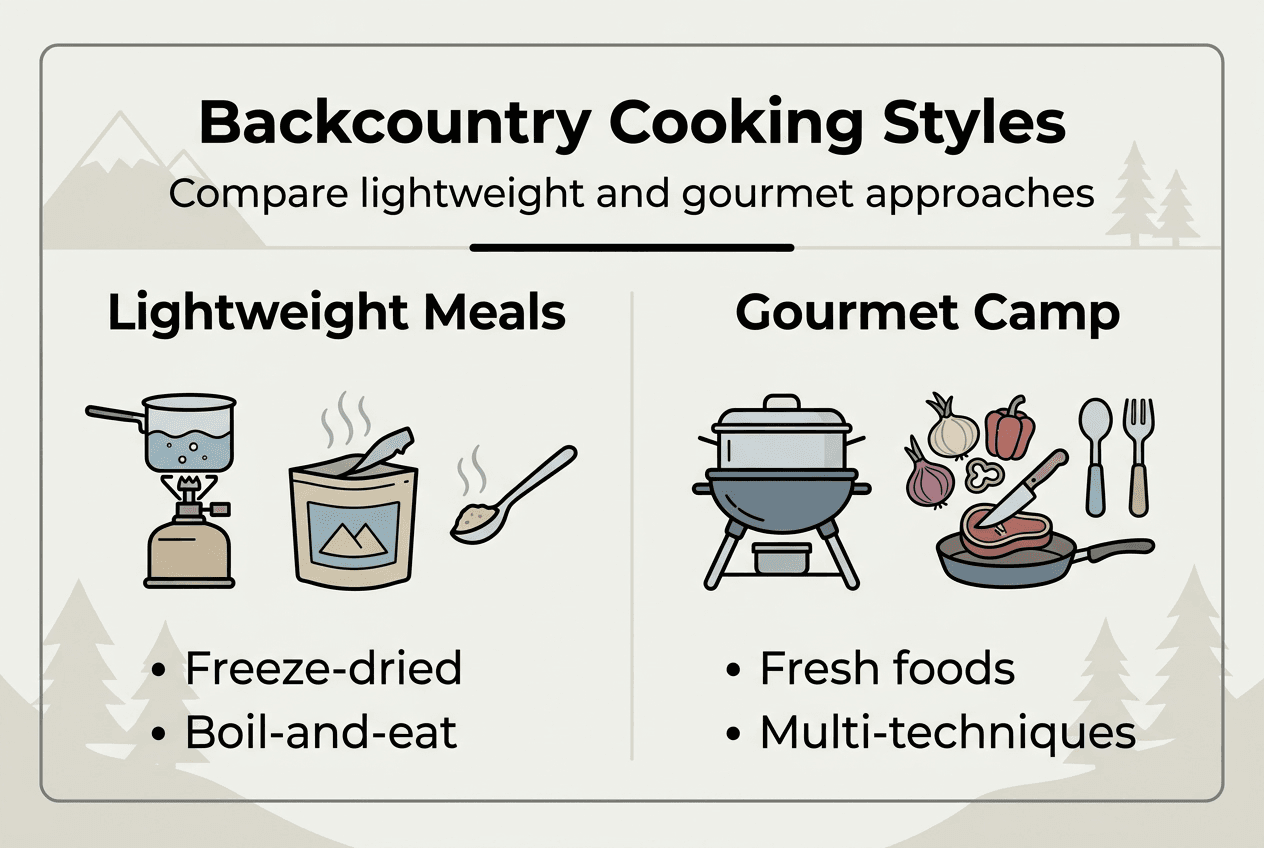
Backcountry cooking splits into two main approaches that shape your entire meal strategy. The first category includes boil-and-eat meals, which encompass both freeze-dried options and ingredient-addition meals that require only hot water. These meals shine on multi-day trips where every ounce matters. You simply boil water, pour it into the package, wait a few minutes, and enjoy a hot meal without carrying heavy ingredients or dealing with complex cleanup.
Freeze-dried meals dominate the lightweight category because manufacturers remove water content, cutting weight by up to 90% while preserving nutrients and flavor. A typical freeze-dried dinner weighs 4 to 6 ounces but reconstitutes into a full serving. The ingredient-addition approach uses items like instant rice, couscous, or ramen as a base, then you add dried vegetables, spices, or protein powder to boost nutrition and taste. This method costs less than pre-packaged freeze-dried meals but requires more planning and prep time at home.
The second approach involves full-on chef wizardry with fresh ingredients, multiple cooking techniques, and liquid fuel stoves that provide precise heat control. This style lets you sauté vegetables, simmer sauces, or even bake bannock bread over a camp stove. The trade-off hits you in pack weight. Fresh vegetables, oils, spices, and the heavier stove system add pounds that make sense for weekend trips or base camps but become burdensome on long-distance treks.
Your camp cooking workflow should match your trip length and priorities. A three-day trip allows for one fresh meal on day one, followed by lighter freeze-dried options. Week-long expeditions typically rely entirely on lightweight meals to keep pack weight manageable. Consider fuel efficiency too. Boiling water once uses far less fuel than maintaining a simmer for 20 minutes.
Pro Tip: Plan your most complex meals for the first night when you have energy and fresh ingredients, then simplify as the trip progresses and fatigue sets in.
Comparing these approaches helps clarify your options:
| Method | Weight | Prep Time | Fuel Use | Best For |
|---|---|---|---|---|
| Freeze-dried meals | Very light | 5-10 minutes | Minimal | Multi-day trips, solo hiking |
| Ingredient-addition | Light | 10-15 minutes | Low | Budget-conscious trips, customization |
| Fresh ingredient cooking | Heavy | 20-40 minutes | High | Weekend trips, group camping |
The right camping cookware makes any method more efficient. Titanium pots weigh less but cost more, while aluminum offers better heat distribution at a lower price point. Integrated canister stove systems combine pot and burner for maximum efficiency with boil-and-eat meals.
Nutrition essentials for sustained energy on the trail
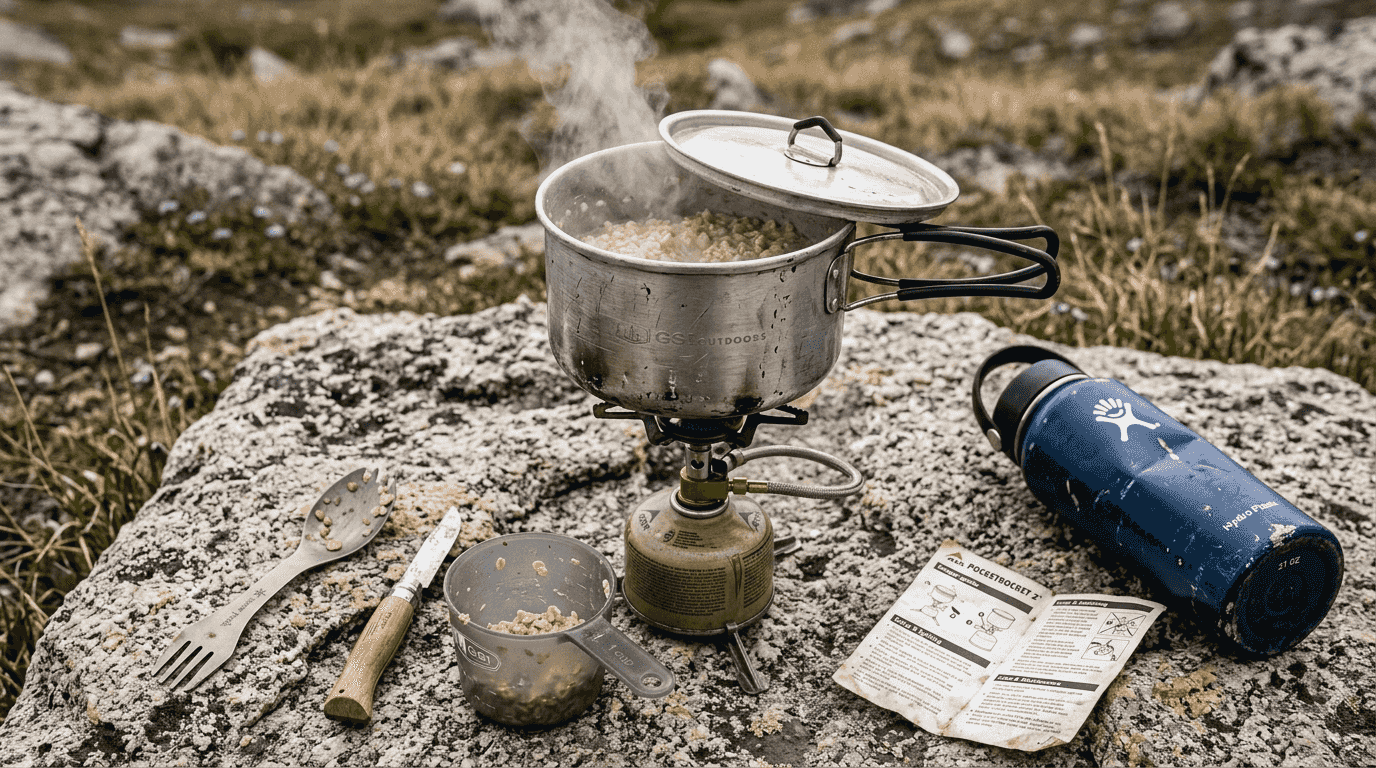
Calories become currency in the backcountry. Your body burns 3,000 to 5,000 calories daily when hiking with a loaded pack, depending on terrain, elevation gain, and your body size. Standard freeze-dried meals claiming two servings often contain only 400 to 600 calories total. That means meals exceeding 700 calories per serving become essential for maintaining energy levels throughout your trip.
Serving sizes on packaging frequently underestimate real-world needs. A meal labeled for two hungry hikers might barely satisfy one person after a full day on the trail. Read nutrition labels carefully and calculate total calories, not servings. Add extra snacks like nuts, dried fruit, or energy bars to bridge the gap between meal calories and your actual expenditure.
Balancing macronutrients supports both performance and recovery. Carbohydrates provide quick energy for hiking, proteins repair muscle tissue damaged during exertion, and fats offer sustained fuel for long days. A rough target of 50% carbs, 25% protein, and 25% fat works well for most backpackers. Instant rice and pasta deliver carbs, while jerky, nuts, and protein powder boost protein intake. Nut butters, cheese, and chocolate provide calorie-dense fats.
Hydration multiplies the effectiveness of your nutrition strategy. Water helps digest food, transport nutrients, and regulate body temperature. Dehydration reduces appetite and energy even when you consume adequate calories. Aim for half a liter per hour of hiking, more in hot weather or at high altitude. Electrolyte supplements prevent cramping and maintain performance when you sweat heavily.
Sleep quality directly affects how well your body uses the food you eat. Poor rest increases cortisol, reduces recovery, and can suppress appetite when you need calories most. Plan reasonable daily mileage that allows time for proper rest and meal preparation.
Eating well in the backcountry can significantly increase happiness on the trail.
Your efficient meal prep at home sets you up for success. Pre-portion meals into labeled bags with cooking instructions. Remove excess packaging to save weight and reduce waste. Create a meal plan that accounts for breakfast, lunch, dinner, and snacks for each day, plus one extra day of food for emergencies.
Pro Tip: Carry 200 to 300 extra calories per day beyond your calculated needs if you expect challenging terrain, cold weather, or have a history of poor appetite when tired.
Consider these nutrition priorities when preparing for backpacking:
- Calculate total trip calories based on expected daily burn
- Choose calorie-dense foods that provide 100+ calories per ounce
- Include variety to prevent flavor fatigue over multiple days
- Pack foods you actually enjoy eating, not just what seems practical
- Test new meals at home before relying on them in the backcountry
Choosing the right gear: balancing weight and cooking quality
Every piece of cooking gear represents a compromise between pack weight and meal possibilities. A basic canister stove and titanium pot weigh 8 ounces combined, perfect for boiling water but limited for complex cooking. A liquid fuel stove system with a full cookset weighs 2 to 3 pounds but opens up sautéing, simmering, and baking techniques that transform backcountry meals.
The trade-off between pack weight and meal quality shapes every gear decision. Lightweight backpackers accept simpler meals to keep their base weight under 10 pounds. Comfort-focused campers carry heavier systems that enable restaurant-quality dinners at camp. Your priorities and trip style determine which approach makes sense.
Stove selection forms the foundation of your cooking system. Canister stoves attach directly to pressurized fuel canisters, offering convenience and lightweight design. They work well above freezing but lose efficiency in cold weather. Liquid fuel stoves burn white gas or kerosene, providing reliable performance in any temperature and precise flame control for advanced cooking. They require priming and maintenance but excel for long trips or winter camping.
Comparing stove types clarifies the decision:
| Stove Type | Weight | Fuel Type | Pros | Cons |
|---|---|---|---|---|
| Canister | 3-4 oz | Isobutane mix | Lightweight, easy to use, clean burning | Poor cold performance, fuel hard to estimate |
| Liquid fuel | 14-16 oz | White gas | Works in cold, precise control, refillable | Heavier, requires maintenance, needs priming |
| Alcohol | 1-2 oz | Denatured alcohol | Ultralight, silent, simple | Slow boil time, hard to see flame, inefficient |
| Wood burning | 6-8 oz | Sticks and twigs | No fuel to carry, sustainable | Requires dry wood, banned in some areas, sooty |
Cookware choices multiply or limit your meal options. A single pot works fine for boiling water but prevents you from cooking multiple components simultaneously. A pot and pan combo lets you boil pasta while sautéing vegetables. Non-stick coatings simplify cleanup but scratch easily and add chemicals. Bare metal requires more scrubbing but lasts forever.
Integrated systems like Jetboil combine stove and pot with a heat exchanger that boils water faster using less fuel. These systems optimize efficiency for boil-and-eat meals but lack versatility for other cooking methods. They make sense when speed and fuel economy outweigh cooking flexibility.
Pro Tip: Choose multi-use gear like a pot that doubles as a bowl or a spork instead of separate utensils to shave ounces without sacrificing functionality.
Understanding outdoor stove fuel types helps you pick the right option for your trips. Canister fuel burns cleanest but creates waste. White gas offers the best performance-to-cost ratio for frequent users. Alcohol fuel appeals to ultralight hikers despite slower cooking times.
Browse camping cookware reviews to find systems that match your cooking ambitions. Look for features like folding handles, integrated strainers, or nesting designs that save pack space. Consider durability for rough handling on the trail.
Your camp stove investment pays dividends in meal quality and cooking efficiency. Quality stoves last decades with proper care, making the upfront cost worthwhile for regular backpackers.
Health impacts and planning for better backcountry nutrition
Backcountry activity delivers measurable fitness improvements that extend beyond simple calorie burning. Research shows participants significantly increased VO2max and decreased body and fat mass during extended outdoor expeditions. The combination of sustained aerobic activity, varied terrain, and carrying pack weight creates a powerful stimulus for cardiovascular adaptation and body composition changes.
Interestingly, these fitness gains occurred despite participants consuming low-quality diets during their trips. The study found no significant loss in lean muscle mass, suggesting adequate protein intake, but overall diet quality remained poor with limited vegetable intake and reliance on processed foods. This reveals both good news and opportunity. You can achieve fitness benefits even with imperfect nutrition, but targeted improvements in food choices could amplify health outcomes.
The gap between adequate calories and optimal nutrition matters for long-term health and performance. While you might maintain weight and muscle mass on trail mix and ramen, your body craves micronutrients from vegetables, fruits, and whole foods. Vitamin deficiencies develop slowly but impact everything from immune function to mood regulation. Planning meals with dried vegetables, fruit leather, or powdered greens supplements addresses this gap without adding significant weight.
Sleep interventions could promote better health outcomes according to researchers. Poor sleep quality in the backcountry stems from uncomfortable sleeping systems, temperature fluctuations, and inadequate recovery time between demanding days. Investing in quality sleep gear and building rest days into longer trips allows your body to fully process nutrients and adapt to training stress.
Targeted dietary and sleep interventions could promote better health outcomes.
Strategic meal planning maximizes both performance and health benefits. Front-load fresh vegetables and proteins in the first days when weight matters less. Transition to nutrient-dense dried foods like lentils, quinoa, and dried vegetables for the middle section. Save the lightest freeze-dried meals for the final push when every ounce counts and fatigue peaks.
Consider these planning strategies when you plan a backpacking trip:
- Schedule rest days every 4 to 5 days on long expeditions
- Pack variety to ensure you consume meals even when tired
- Include comfort foods that boost morale during difficult stretches
- Bring supplemental vitamins for trips exceeding one week
- Plan resupply points that allow fresh food additions on extended journeys
Your must-have backpacking items should include a quality sleep system that promotes recovery. A warm sleeping bag, insulated pad, and proper shelter setup directly impact how well you process nutrition and adapt to physical demands.
The connection between outdoor activity, nutrition, and health creates a positive feedback loop. Better fueling improves trail performance, which increases enjoyment and motivation for future trips. Each expedition builds fitness that makes subsequent adventures more accessible and rewarding.
Explore top gear for backcountry cooking success
Transforming your backcountry cooking from functional to exceptional starts with the right equipment. Quality gear makes meal preparation easier, expands your cooking options, and improves the overall outdoor experience. Whether you need lightweight systems for fast-and-light trips or versatile cookware for gourmet camp meals, choosing well-designed equipment elevates every aspect of trail cooking.
Explore detailed camping cookware reviews and comparisons to find systems that match your cooking style and trip requirements. Compare features, weights, and real-world performance across different brands and designs. Check out the best camping gear for 2026 to discover complete systems that integrate stoves, cookware, and accessories for maximum efficiency. Learn why choosing quality camping equipment matters for durability, performance, and long-term value on the trail.
Frequently asked questions about backcountry cooking
What is backcountry cooking?
Backcountry cooking refers to preparing meals in remote wilderness areas using portable equipment and lightweight ingredients. It differs from car camping because you must carry all gear and food on your back, making weight and efficiency critical considerations. The practice ranges from simple boil-and-eat meals to complex cooking with fresh ingredients depending on trip length and priorities.
What are the best lightweight meal options for multi-day trips?
Freeze-dried meals offer the best weight-to-nutrition ratio for extended trips, typically weighing 4 to 6 ounces while providing 400 to 800 calories. Instant rice or couscous with added dried vegetables, spices, and protein powder creates customizable meals at lower cost. Nut butters, hard cheeses, and salami provide calorie-dense options that require no cooking and withstand temperature fluctuations.
What essential gear do I need for advanced cooking in the backcountry?
Advanced backcountry cooking requires a liquid fuel stove for precise heat control, a pot and pan for multiple cooking techniques, and a stable cooking surface or windscreen. Bring cooking oil, a spice kit, and fresh ingredients for the first days. Include a spatula or cooking spoon, pot grip for handling hot cookware, and biodegradable soap for cleanup.
How can I ensure proper nutrition on the trail?
Calculate your daily caloric needs based on expected activity level, typically 3,000 to 5,000 calories for loaded hiking. Choose meals exceeding 700 calories per serving and supplement with high-calorie snacks throughout the day. Include protein sources at each meal for muscle recovery and pack dried vegetables or greens powder to meet micronutrient needs. Stay hydrated with at least half a liter of water per hour of activity.
How do I balance pack weight with meal quality?
Prioritize meal quality for shorter trips when extra weight matters less, bringing fresh ingredients and a versatile cooking system. On longer expeditions, shift toward lightweight freeze-dried meals and a basic canister stove to minimize pack weight. Consider a hybrid approach with one or two fresh meals early in the trip, then transition to lighter options. Always calculate the weight-to-calorie ratio, aiming for foods that provide at least 100 calories per ounce.
