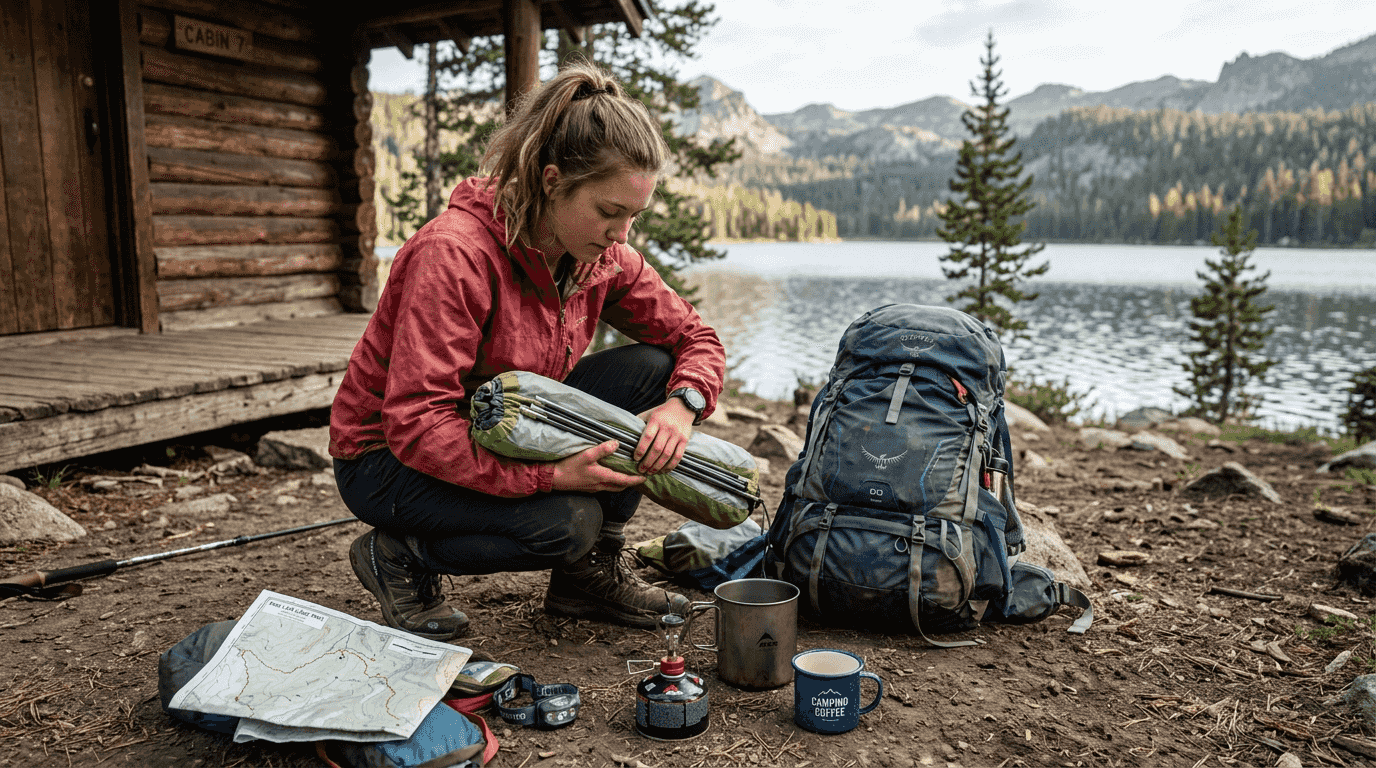
Preparing for a multi-day backpacking trip can feel overwhelming, especially when you're trying to balance gear choices, physical readiness, and safety planning. The difference between an exhausting slog and an exhilarating adventure often comes down to smart preparation and evidence-based strategies. Whether you're a first-time backpacker or looking to refine your approach, these practical tips will help you optimize your gear, boost your endurance, and confidently tackle the trail. Let's dive into the essentials that will transform your next outdoor adventure into a memorable success.
Key takeaways
| Point | Details |
|---|---|
| Effective packing reduces fatigue | Selecting lightweight, multipurpose gear minimizes strain and maximizes trail comfort. |
| Physical fitness enhances endurance | Cardiovascular and strength training prepare your body for demanding multi-day hikes. |
| Nutrition and sleep are crucial | Balanced meals and quality rest sustain energy and support recovery on the trail. |
| Gear selection balances weight and function | Choosing durable, packable equipment optimizes your load without sacrificing essentials. |
| Planning boosts trip success | Route research, safety protocols, and contingency plans ensure confident adventures. |
How to choose essential gear for a backpacking trip
Selecting the right gear is the foundation of any successful backpacking adventure. Your equipment needs to be lightweight enough to carry comfortably over multiple days, yet durable enough to withstand unpredictable conditions. The key is finding that sweet spot where functionality meets portability.
Start by prioritizing multipurpose items that serve more than one function. A quality sleeping pad, for example, provides insulation and cushioning, while a bandana can work as a towel, headband, or water filter. Choosing packable gear enhances outdoor experiences by reducing bulk without compromising on essentials. Focus on essential camping gear types that address shelter, cooking, hydration, and safety.
When evaluating gear, balance durability with pack weight. Ultralight equipment sounds appealing, but if it fails on day two, you've traded convenience for disaster. Look for materials like ripstop nylon, titanium cookware, and aluminum tent poles that offer strength without excessive weight. Your pack itself should fit your torso length and hip size properly, distributing weight to your hips rather than shoulders.
Here's a comparison of common gear categories and their key features:
| Gear Type | Weight Range | Key Features | Best For |
|---|---|---|---|
| Backpack (50-65L) | 3-5 lbs | Adjustable suspension, hip belt, multiple compartments | Multi-day trips with moderate gear |
| Tent (2-person) | 2-4 lbs | Freestanding, weatherproof, quick setup | Varied terrain and weather |
| Sleeping Bag (20°F) | 2-3 lbs | Compressible, moisture-resistant, temperature-rated | Cold weather camping |
| Cookware Set | 1-2 lbs | Nesting design, fuel-efficient stove, windscreen | Minimalist meal prep |
| Water Filter | 0.3-0.5 lbs | Fast flow rate, removes bacteria/protozoa | Backcountry water sources |
Understanding how to pack a backpack efficiently is just as critical as what you pack. Place heavy items close to your back and centered between your shoulder blades. Keep frequently accessed items like snacks, maps, and rain gear in outer pockets or the top compartment.
Pro Tip: Test your fully loaded pack on shorter day hikes before committing to a multi-day trip. This reveals pressure points, fit issues, and unnecessary items you can eliminate. Research shows that hiking fitness significantly improves with proper preparation, and carrying an optimized pack is part of that equation.
Physical preparation to boost your backpacking endurance
Your body is the most important piece of equipment you'll bring on the trail. No amount of fancy gear compensates for poor physical conditioning when you're hiking 10 miles with 30 pounds on your back. Building cardiovascular fitness and functional strength transforms challenging trails into manageable adventures.
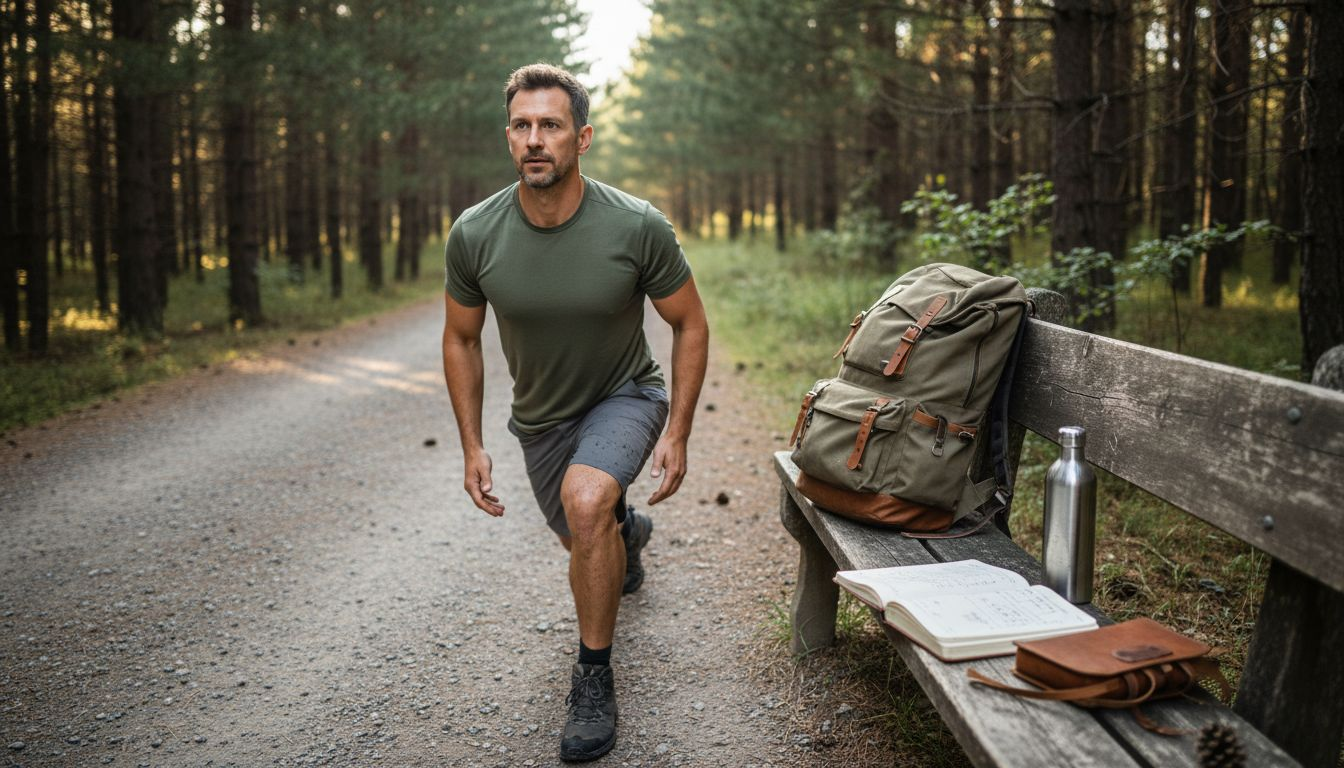
Cardiovascular training directly impacts your endurance capacity. Studies demonstrate that participants increased their VO2max by +0.5 L/min after extended hiking, while relative VO2max improved by +12.1 ml/kg/min, significantly boosting aerobic capacity. Start training at least 8-12 weeks before your trip with activities that elevate your heart rate for sustained periods.
Effective cardiovascular exercises for backpacking include:
- Hiking with a weighted pack on varied terrain
- Stair climbing or stadium steps with gradually increasing resistance
- Cycling or rowing for low-impact aerobic conditioning
- Interval training that alternates high intensity bursts with recovery periods
Strength training is equally vital for carrying loads and preventing injury. Focus on exercises that build core stability, leg power, and shoulder endurance. Squats, lunges, deadlifts, and step-ups with weights prepare your legs for steep ascents. Planks, side planks, and rotational exercises strengthen your core to support pack weight. Shoulder presses and rows condition your upper body for load distribution.
Gradually increase both training volume and pack weight. Start with 10-15 pounds and add 5 pounds every two weeks until you reach your target trip weight. Your body needs time to adapt to the specific demands of loaded hiking. The backpacking preparation guide offers detailed training progressions tailored to different fitness levels.
Don't overlook flexibility and mobility work. Tight hip flexors, hamstrings, and calves increase injury risk on uneven terrain. Incorporate dynamic stretching before hikes and static stretching afterward. Foam rolling helps release muscle tension and speeds recovery between training sessions.
Pro Tip: Schedule at least one practice hike that mimics your trip conditions. Same distance, similar elevation gain, full pack weight. This reveals gaps in your fitness and gear choices while you still have time to adjust. Following step by step hiking preparation ensures you build a comprehensive training plan rather than random workouts.
Nutrition and sleep tips for multi-day backpacking trips
Maintaining energy and recovery on the trail requires strategic nutrition and sleep practices. Unlike day hikes where you can tough it out, multi-day trips demand consistent fueling and quality rest to sustain performance and enjoyment.
Research indicates that extended hiking may promote low quality diets and sleep patterns, but targeted dietary interventions improve outcomes for hikers. Your trail nutrition should prioritize calorie density, balanced macronutrients, and minimal preparation time. You're burning 3,000-5,000 calories daily depending on terrain and pack weight, so undereating leads to fatigue, poor recovery, and compromised immune function.
Plan meals with a 40/30/30 split of carbohydrates, fats, and protein. Carbs provide quick energy for sustained hiking. Healthy fats offer concentrated calories and sustained fuel. Protein supports muscle recovery and repair. Pack foods that deliver maximum nutrition per ounce:
- Nuts and nut butters for healthy fats and protein
- Dried fruits for quick carbs and natural sugars
- Energy bars with whole ingredients and balanced macros
- Dehydrated meals with adequate protein content
- Instant oatmeal or granola for easy breakfast calories
- Cheese and cured meats for savory protein options
Hydration is equally critical. Dehydration impairs performance, decision making, and thermoregulation. Drink consistently throughout the day rather than waiting until you're thirsty. Include electrolyte supplements or drink mixes to replace sodium, potassium, and magnesium lost through sweat. Aim for clear to light yellow urine as a hydration indicator.
Sleep quality directly affects next-day performance and safety. Poor sleep accumulates quickly over multiple days, impairing coordination, judgment, and mood. Invest in a comfortable sleeping pad with adequate R-value for expected temperatures. Choose campsites on level ground away from water sources where insects congregate. Use earplugs if you're a light sleeper.
Meal timing matters on the trail. Eat a substantial breakfast to fuel morning miles. Snack every 1-2 hours during hiking to maintain blood sugar. Have dinner early enough to digest before sleeping, but late enough that you won't wake up hungry. The efficient meal prep for backpacking guide provides detailed strategies for planning, portioning, and packing trail meals.
Pro Tip: Pre-portion snacks into daily bags so you can grab and go without digging through your pack. This prevents overeating early in the trip and ensures you have adequate fuel for later days. Consider adding a small pillow or using a stuff sack filled with clothes to improve sleep comfort without significant weight penalty.
Planning and safety essentials for a smooth backpacking experience
Thorough planning and safety protocols separate confident adventurers from unprepared hikers hoping for the best. The wilderness rewards preparation and punishes complacency, so invest time in research and contingency planning before you hit the trail.
Start by researching your route thoroughly. Study topographic maps to understand elevation profiles, water sources, and potential campsites. Check recent trail reports for current conditions, closures, or hazards. Weather forecasts become increasingly important for multi-day trips where you can't easily bail out. Studies show that extended hiking leads to body fat loss but maintaining safety requires proper planning despite physical changes.
Always inform someone of your detailed itinerary. Provide your route, expected campsites, and return date. Establish a check-in protocol so they know when to alert authorities if you don't return. This simple step dramatically improves rescue chances if something goes wrong. Consider registering with trail permit systems that track hiker locations.
Your safety gear should address the most likely emergencies:
- Comprehensive first aid kit with blister treatment, pain relievers, antihistamines, and wound care supplies
- Navigation tools including map, compass, and GPS device with extra batteries
- Emergency shelter like a lightweight bivy or space blanket for unexpected overnights
- Fire starting methods with waterproof matches, lighter, and tinder
- Communication device such as a satellite messenger or personal locator beacon for areas without cell coverage
The hiking trip planning guide walks through creating detailed trip plans that account for variables and contingencies. Build in buffer days for weather delays or slower than expected progress. Know your bailout points where you can exit the trail if needed.
Learn basic wilderness first aid and navigation skills before your trip. Taking a course provides hands-on practice with scenarios you might face. Understand how to treat common injuries like sprains, cuts, and hypothermia. Practice navigation techniques so you can confidently use map and compass if your GPS fails.
Create a safety checklist that covers route details, gear verification, and emergency contacts. Review it before departure to catch overlooked items. Pack survival gear essentials even on familiar trails because conditions change and accidents happen to experienced hikers.
Pro Tip: Download offline maps to your phone as a backup navigation tool. Apps like Gaia GPS or AllTrails allow you to access detailed topo maps without cell service. Bring a portable battery pack to keep your phone charged for emergencies even if you're not using it for regular navigation.
Explore top gear and expert advice at Life Camp Adventure
Ready to gear up for your next backpacking adventure? Life Camp Adventure provides comprehensive resources to help you make informed decisions about equipment and trip planning. We've tested countless products in real-world conditions to bring you honest, detailed reviews that cut through marketing hype.
Our best camping gear comparison breaks down top-rated equipment across categories, helping you find the right balance of performance, weight, and value. Whether you're upgrading a single item or building a complete kit, our side-by-side comparisons highlight the features that matter most on the trail. Check out our packing list tips for campers to ensure you're bringing everything you need without unnecessary extras.
Looking for shelter solutions? Our camping tents comparison evaluates options for different trip types, weather conditions, and group sizes. From ultralight solo shelters to spacious family tents, we help you find the perfect home away from home.
FAQ
What is the most important item to pack for a backpacking trip?
A high-quality backpack that fits your body properly is the single most critical item. Poor fit leads to shoulder pain, hip chafing, and back strain that can ruin your trip within the first few miles. Visit a specialty outdoor retailer for professional fitting where staff measure your torso length and help you adjust the suspension system. Learning efficient backpack packing techniques ensures your well-fitted pack performs optimally by distributing weight correctly.
How can I improve my fitness before a long backpacking trip?
Incorporate both cardiovascular training and strength work at least 8-12 weeks before your trip. Focus on activities that mimic hiking demands like stair climbing with a weighted pack, hill repeats, and leg-strengthening exercises. Research confirms that increasing VO2max improves endurance for backpacking, so prioritize aerobic conditioning alongside strength training. The backpacking preparation guide offers progressive training plans that build fitness systematically while reducing injury risk.
What are the best foods to pack for energy on the trail?
Focus on calorie-dense options with balanced macronutrients that require minimal preparation. Nuts, nut butters, dried fruits, energy bars, and dehydrated meals provide concentrated nutrition without excessive weight. Aim for foods delivering 120-150 calories per ounce to meet your 3,000-5,000 daily calorie needs without carrying unnecessary bulk. The backpacking meal prep guide provides detailed meal planning strategies, portion calculations, and recipe ideas optimized for trail conditions.
How do I stay safe while backpacking alone?
Always inform a trusted contact of your detailed itinerary including route, campsites, and expected return date. Carry essential communication devices like a satellite messenger or personal locator beacon for emergencies in areas without cell coverage. Pack comprehensive survival gear essentials including first aid supplies, navigation tools, emergency shelter, and fire-starting methods. Stay aware of your surroundings, trust your instincts, and don't hesitate to turn back if conditions deteriorate or you feel unsafe.
