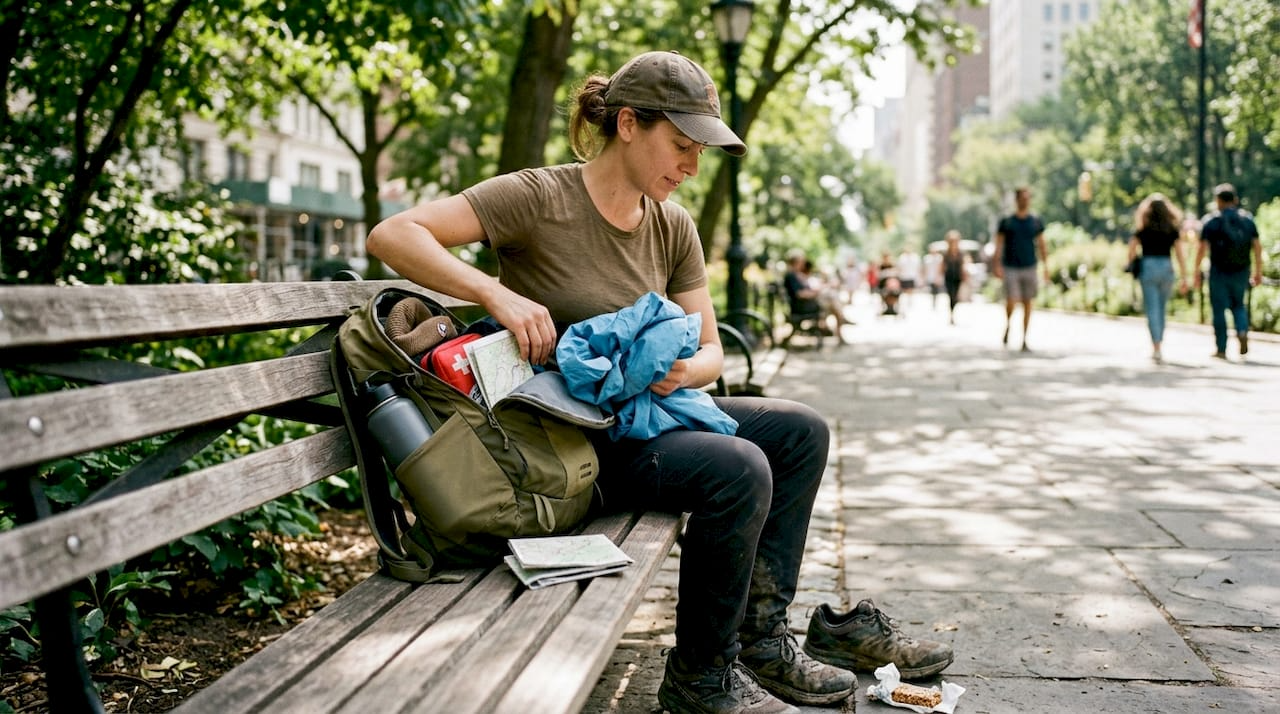
You've probably stood in front of your gear pile before a trip, convinced you need every item. Most outdoor enthusiasts pack twice what they actually use, believing more gear equals better preparation. The truth is simpler: packing light reduces fatigue and increases comfort on outdoor trips. This guide reveals the evidence-backed benefits of minimalist packing and shows you exactly how to cut unnecessary weight while keeping everything you truly need for safer, more enjoyable adventures.
Key Takeaways
| Point | Details |
|---|---|
| Pack essentials only | Focusing on critical items reduces fatigue and improves your outdoor experience. |
| Avoid overpacking traps | Fear and last-minute decisions lead to heavy packs and missed adventure. |
| Try minimalist systems | Refine your approach with real-world practice and continuous improvement. |
| Adapt strategies to trip | Choose different packing methods for camping, hiking, or mixed adventures. |
| Light gear brings comfort | Modern, lightweight equipment provides both safety and convenience on the trail. |
What does packing light really mean?
Packing light means bringing only essential items with minimal redundancy. It's not about suffering or going without; it's about preparing smart. You prioritize items based on utility and weight, ensuring every piece of gear earns its place in your pack.
Many beginners confuse packing light with under-preparing. The difference is intentionality. When you pack light, you've thought through each scenario and chosen versatile gear that serves multiple purposes. Cutting unnecessary items from your backpack leads to immediate benefits you'll feel on the trail.
Common items to eliminate include:
- Duplicate clothing beyond one spare set
- Excessive electronics and charging cables
- 'Just in case' gear you've never actually used
- Heavy comfort items that don't justify their weight
- Redundant tools when one multi-purpose option works
Mastering efficient backpack packing starts with understanding 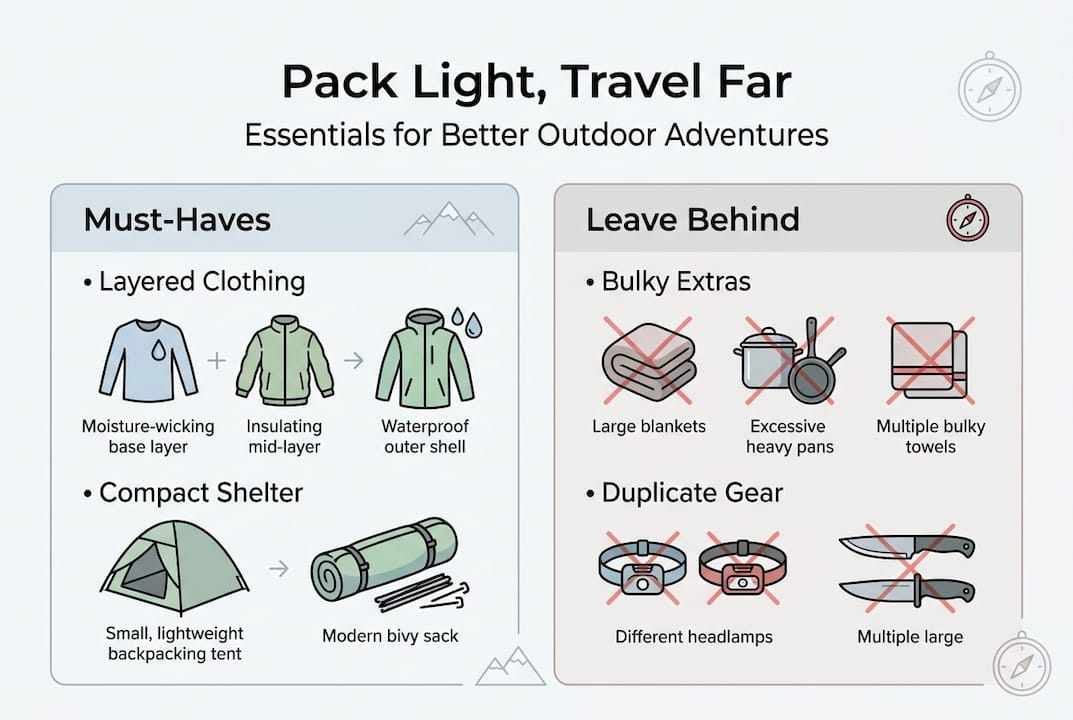 you can leave behind. The goal is carrying everything you need and nothing you don't.
Six reasons to pack light for your outdoor adventures
The benefits of minimalist packing extend far beyond a lighter load. Research shows that people who pack lighter gear report 70% less fatigue and 60% less pain during their adventures. Here's why packing light transforms your outdoor experience:
Reduced physical strain: Every pound you eliminate means less stress on your back, knees, and ankles. You'll cover more ground with less effort and finish trails feeling energized instead of exhausted.
Improved mobility and balance: A lighter pack lets you navigate rocky terrain, cross streams, and handle steep sections with confidence. You're more agile and less likely to lose your footing.
Faster camp setup: Fewer items mean quicker unpacking and packing. You'll spend less time managing gear and more time enjoying your surroundings.
Lower injury risk: Overloaded packs are a leading cause of falls and muscle strains. Keeping your load manageable protects you from preventable accidents.
Enhanced flexibility: When your pack is light, changing plans becomes easy. You can extend your hike, take a detour, or adjust your route without worrying about the physical toll.
Mental clarity: Managing less stuff means less mental clutter. You'll feel more present and focused on the experience rather than your equipment.
"The best gear is the gear you don't have to carry. Every ounce you leave behind is an ounce of freedom you gain on the trail."
Pro Tip: Before your next trip, weigh your packed bag. Then remove one item at a time and ask yourself if you've actually used it on previous adventures. You'll be surprised how much you can eliminate.
Investing in quality packable outdoor gear and following proven backpacking trip tips will amplify these benefits even further.
Common overpacking pitfalls and how to avoid them
Understanding why we overpack is the first step to breaking the habit. Overpacking often occurs due to fear of the unknown and lack of planning. Here are the most common mistakes and how to sidestep them:
Fear-based packing: You throw in extra items for peace of mind, even though you've never needed them. Combat this by reviewing what you actually used on past trips.
Last-minute rushing: Packing the night before leads to poor decisions. Start your packing list a week early and refine it daily.
Ignoring weather forecasts: Packing for every possible condition creates unnecessary bulk. Check reliable forecasts and pack specifically for predicted conditions.
Skipping the checklist: Without a systematic approach, you'll forget essentials and bring excess. Use a proven backpacking preparation guide to stay organized.
Emotional attachments: That camp chair might be comfortable, but is it worth the weight? Be ruthless about comfort items that don't serve multiple purposes.
Pro Tip: Do a test pack three days before your trip. Wear the loaded pack around your house for 30 minutes. Anything that feels excessive probably is. Remove items until the weight feels manageable for extended wear.
A solid adventure packing list eliminates guesswork and keeps you focused on true essentials.
Essential items for minimalist packing: What you truly need
Packing light doesn't mean leaving critical gear behind. A streamlined packing list ensures all critical needs are met without excess weight. Focus on these core categories: shelter, sleep, food, navigation, and first aid.
| Category | Essential Items | Weight Target |
|---|---|---|
| Shelter | Lightweight tent or tarp, stakes | 2-4 lbs |
| Sleep | Compact sleeping bag, inflatable pad | 2-3 lbs |
| Cooking | Small stove, fuel, pot, utensil | 1-2 lbs |
| Clothing | Base layer, insulation, rain shell, extra socks | 2-3 lbs |
| Navigation | Map, compass, GPS device or phone | 0.5 lbs |
| First Aid | Compact kit with essentials | 0.5 lbs |
| Hydration | Water bottles or reservoir, filter | 1-2 lbs |
Your must-have items for every trip:
- Shelter system appropriate for conditions
- Insulated sleeping setup rated for expected temperatures
- Water purification method
- Fire-starting tools (lighter, matches, backup)
- Knife or multi-tool
- Headlamp with extra batteries
- First aid basics (bandages, pain relief, blister treatment)
- Emergency whistle and signal mirror
- High-calorie, lightweight food
- Weather-appropriate clothing layers
Build your kit around proven hiking essentials and carefully selected backpacking comfort items. Every piece of essential camping gear should serve a clear purpose.
How to build your own light packing system: Practical steps
Creating a repeatable packing routine takes the guesswork out of trip preparation. Efficient packing improves both comfort and safety for outdoor trips. Follow these steps to develop your personal system:
Choose multi-purpose gear: Select items that serve multiple functions. A bandana works as a towel, pot holder, and first aid sling. A trekking pole doubles as a tent pole.
Do a trial pack at home: Load your pack completely and wear it for an hour. Remove anything that feels unnecessary or redundant.
Use organizational tools: Packing cubes or dry bags keep gear sorted and compressed. Color-code them by category for quick access.
Weigh your pack: Aim for a base weight (excluding food, water, and fuel) of 15-20 pounds. Track your weight and adjust accordingly.
Refine with each trip: After every adventure, note what you didn't use. Remove those items from your next packing list.
Apply these backpacking trip tips consistently and you'll develop an intuitive sense for what you need. For longer expeditions, check out strategies for off-grid backpacking planning.
You can even apply minimalist principles to other areas of life. A minimalist fitness routine uses the same philosophy: maximum results with minimum equipment.
Packing light for different outdoor scenarios: Real-world examples
Your packing style should fit the outdoor activity type and length. A day hike requires different gear than a multi-night camping trip. Here's how to adapt your approach:
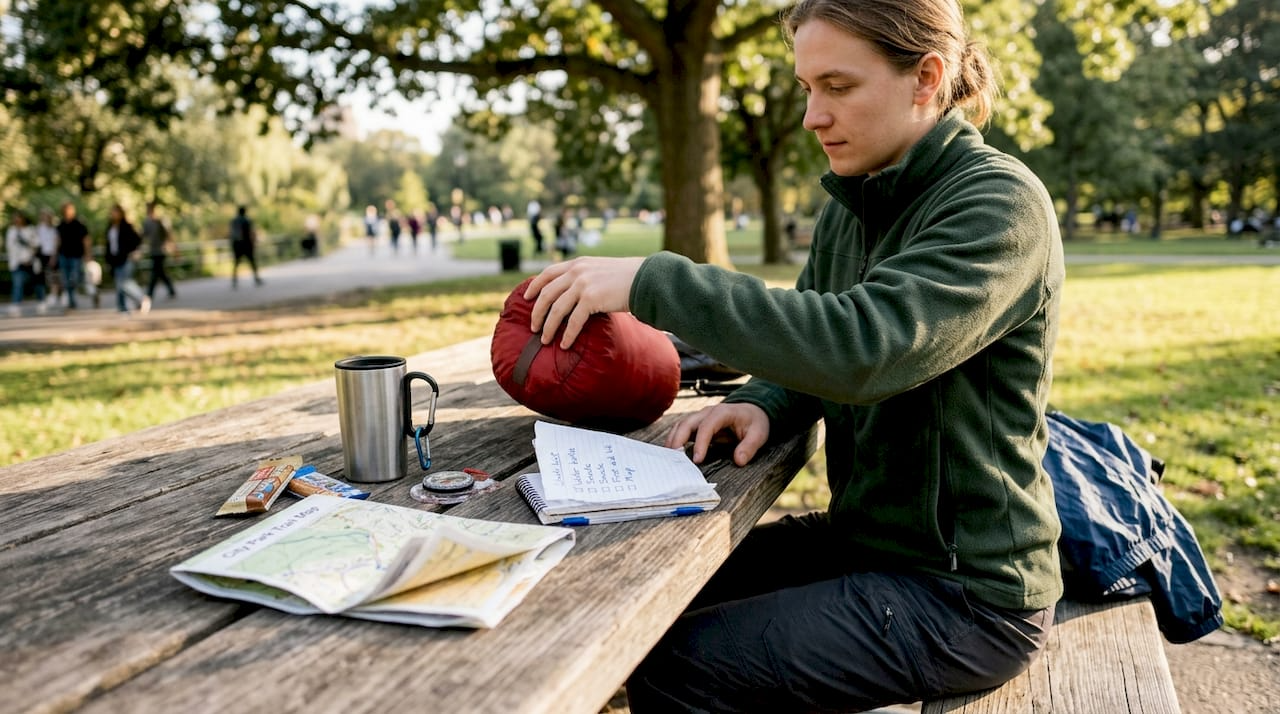
Camping versus hiking: Camping allows slightly more weight since you're establishing a base. Hiking demands ruthless minimalism because you carry everything all day. Campers can bring a larger tent and cooking setup. Hikers need ultralight shelters and minimal cooking gear.
Common mistakes by scenario:
- Campers often bring too many comfort items like chairs, extra lighting, and elaborate cooking setups
- Hikers frequently overpack clothing and forget that body heat and movement keep you warm
- Both groups tend to bring too much food, underestimating how calorie-dense trail food can be
| Trip Type | Pack Weight | Key Differences |
|---|---|---|
| One-night hike | 15-20 lbs | Minimal shelter, single meal, ultralight focus |
| Three-night camping | 25-30 lbs | Sturdier tent, more food variety, modest comfort items |
Select appropriate backpacking comfort items based on your specific adventure type and duration.
FAQs and myths about packing light
Let's clear up misconceptions that prevent people from embracing minimalist packing. Minimalist packing strategies are effective for both beginners and experienced adventurers.
Myth: Packing light is only for experts
Reality: Beginners benefit even more from lighter packs. Less weight means less strain while you're still building strength and skills.
Myth: You sacrifice safety with minimal gear
Reality: Safety comes from having the right gear, not the most gear. A well-chosen minimalist kit covers all emergencies without excess.
Question: What if the weather changes unexpectedly?
Pack lightweight, versatile layers that work together. A base layer, insulation layer, and waterproof shell handle most conditions without bulk.
Question: Can you still keep comfort and convenience?
Absolutely. Quality camping equipment for adventure delivers comfort without unnecessary weight. Choose gear designed for backpacking rather than car camping.
Level up your adventure: Gear recommendations and more
You now understand the principles of packing light and how to apply them. The next step is upgrading your gear with lightweight, durable options that enhance your outdoor experience.
At Life Camp Adventure, we've tested countless products to identify gear that delivers maximum performance with minimum weight. Our curated guides help you make informed decisions without endless research. Whether you're comparing camping tents for your next purchase or exploring our essential camping gear guide, you'll find expert recommendations backed by real-world testing. Check out our packing list tips for campers to refine your system even further. Every piece of advice comes from adventurers who've learned these lessons on the trail, so you can pack smarter from day one.
Frequently asked questions
What is the ideal base weight for a light pack?
A base weight between 10-20% of your body weight is ideal for most hiking and camping trips. This range keeps strain manageable while ensuring you have everything necessary.
How do I handle unexpected weather when packing light?
Pack lightweight, multi-purpose layers and waterproof shells to stay prepared without overpacking. A good layering system adapts to changing conditions better than bulky single-purpose items.
Can packing light really make that much difference for short trips?
Yes, lighter packs boost energy and increase comfort even on overnight or weekend adventures. You'll notice the difference immediately, especially on elevation changes.
What's the top mistake that leads to overpacking?
Packing for 'what-ifs' instead of likely scenarios frequently causes backpacks to get overloaded. Most excess weight comes from just-in-case items you'll never actually need.
Does packing light mean giving up on comfort?
No, selecting versatile and high-quality gear keeps you comfortable without unnecessary bulk. The key is choosing items that deliver comfort efficiently rather than through sheer mass.
