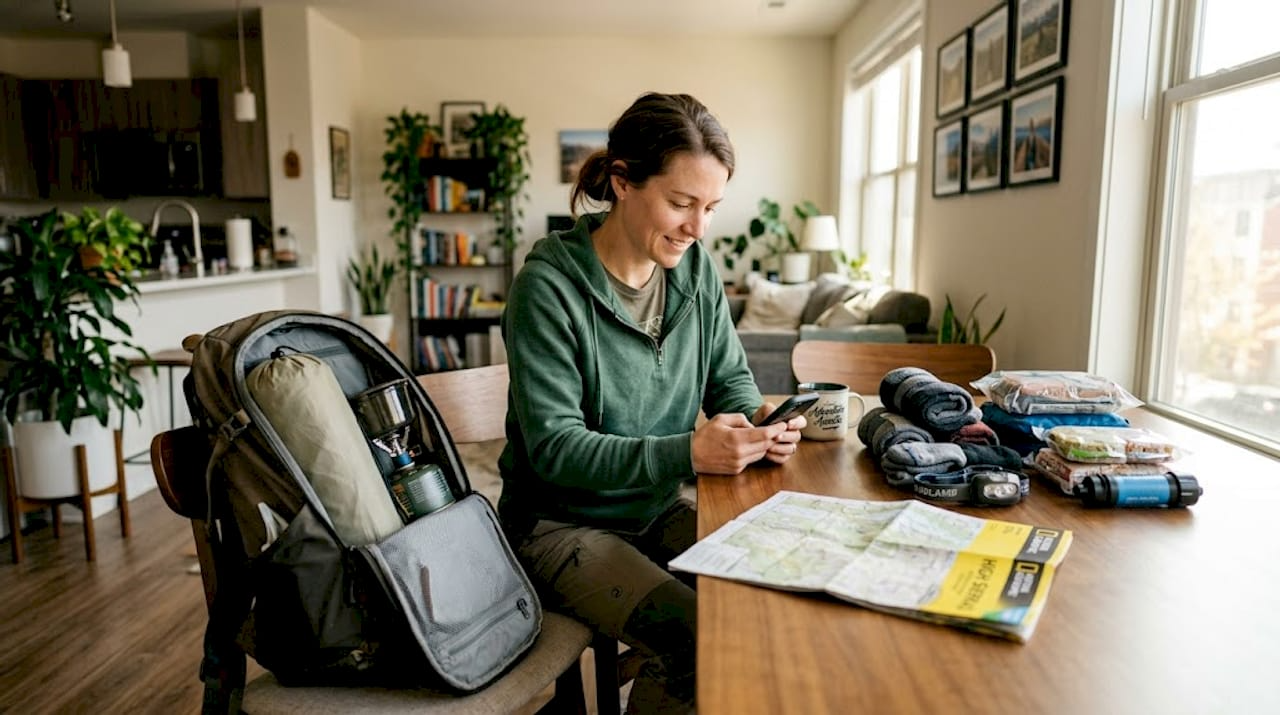
TL;DR:
- Effective packing relies on setting priorities based on trip duration, weather, and terrain.
- Layer clothing with moisture-wicking, insulating, and waterproof pieces to stay comfortable and light.
- Less gear leads to faster, safer hikes, emphasizing skill and flexibility over overpacking.
Every backpacker knows the feeling: you're standing in front of a pile of gear, wondering how it will all fit, and whether you're forgetting something critical. Pack too much and your knees pay for it by day two. Pack too little and you're scrambling for shelter in a sudden storm. Mastering the art of packing is genuinely one of the most important skills you can build before hitting the trail. This guide walks you through a clear, field-tested framework, from setting priorities and choosing clothing to organizing your pack for maximum comfort on multi-day hikes.
Key Takeaways
| Point | Details |
|---|---|
| Prioritize essentials | Start with safety, shelter, and food when building your packing list. |
| Master clothing layers | Rely on a three-layer system for comfort in changing weather conditions. |
| Minimize excess gear | Pack only multipurpose items and routinely leave out unnecessary gadgets. |
| Pack for comfort | Strategically arrange weight for easier hiking and quicker access to essentials. |
| Less is more | Carrying less gear actually helps you enjoy your adventure with less fatigue. |
How to set your backpacking packing priorities
Before you touch a single piece of gear, you need a framework. Packing without priorities leads to overstuffed bags and forgotten essentials. Start by asking three questions: How long is the trip? What's the weather forecast? What terrain will you cover? Your answers shape every decision that follows.
Prioritizing safety and essential survival gear is the first step in building a reliable pack. From there, everything else falls into place around your core needs.Here's a simple numbered approach to building your packing list from scratch:
- Shelter — tent, tarp, or bivy depending on conditions
- Food and water — enough calories and a reliable filtration method
- Navigation — map, compass, or GPS device
- First aid — a compact kit sized for your trip length
- Insulation — clothing and sleeping bag rated for your environment
- Light — headlamp with spare batteries
- Fire — lighter, matches, or firestarter
Once you have your non-negotiables listed, check them against a backpacking gear checklist to catch anything you missed. Then review your backpacking essentials to confirm each item earns its weight.
The hardest part? Cutting the extras. Most backpackers overpack on their first few trips, tossing in "just in case" items that never leave the bag.
"Every ounce you add to your pack is a choice you'll feel on every uphill mile."
Pro Tip: Try the 3-pile method before you pack. Lay out everything you plan to bring, then sort it into three piles: must-have, nice-to-have, and leave-it. Cut the nice-to-have pile in half, and eliminate the leave-it pile entirely. Focus on gear that serves two or more purposes, like a bandana that works as a towel, sun protection, and a filter pre-cleaner.
Smart clothing strategies: Layering, versatility, and weather protection
With your must-haves outlined, it's time to tackle clothing packing for maximum comfort and flexibility. Clothing is one of the biggest weight traps for backpackers. The fix is a smart system, not more items.
Layering clothes allows backpackers to efficiently adjust to changing weather without carrying a separate outfit for every condition. The classic three-layer system works like this:- Base layer — moisture-wicking fabric that pulls sweat away from your skin. Merino wool or synthetic materials work best.
- Mid layer — insulation that traps body heat. A lightweight fleece or down jacket fits this role perfectly.
- Shell layer — wind and waterproof protection. A packable rain jacket is non-negotiable on most trails.
The National Park Service's layering advice reinforces that this system keeps you comfortable across a wide range of temperatures without unnecessary bulk.
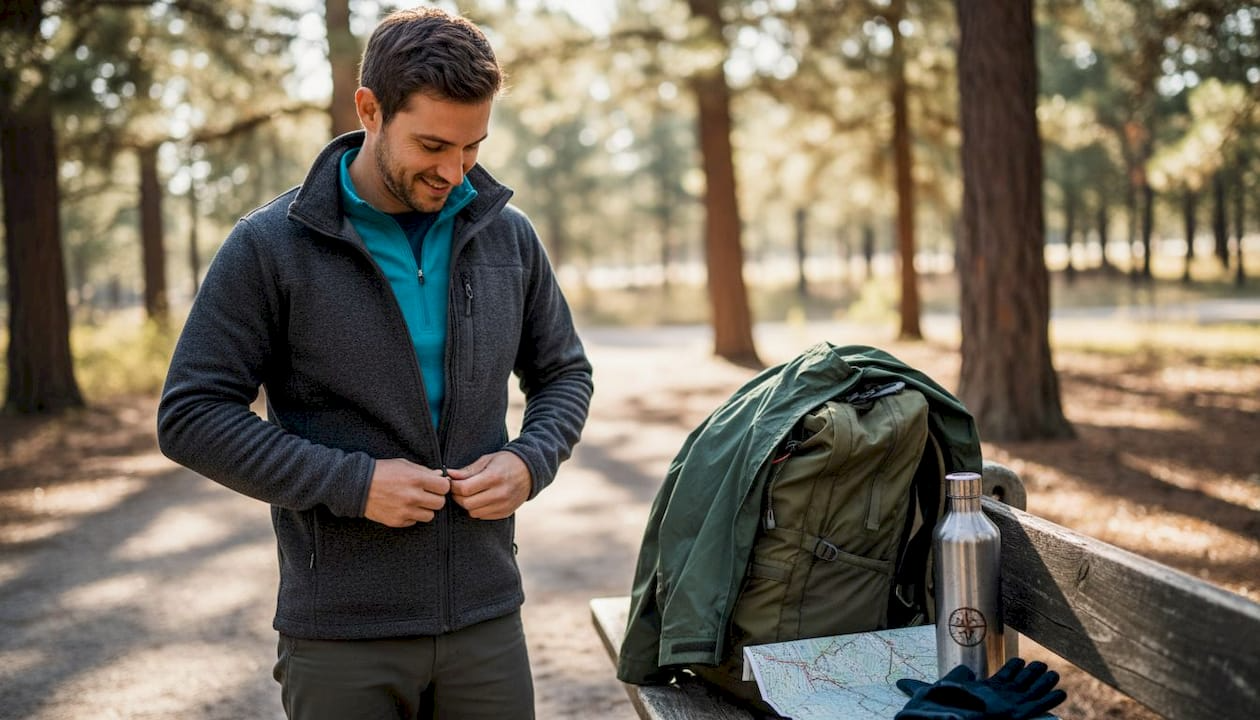
Avoid cotton entirely. It absorbs moisture and stays wet, which can lead to dangerous chilling in cold or wet conditions. Quick-dry synthetics and merino wool are your best friends on the trail. For more detail on building the right system, the essential role of layering guide breaks it down by climate and activity level.
Here's a tight clothing list that covers most multi-day hikes:
- 2 moisture-wicking shirts
- 1 insulating mid layer
- 1 waterproof shell
- 2 pairs of hiking socks (merino wool)
- 1 pair of lightweight hiking pants (convertible if possible)
- 1 warm hat and gloves for cold mornings
- 1 sun hat or buff
Pro Tip: Roll your clothing instead of folding it. Rolling compresses items tighter, reduces wrinkles, and makes it easier to see what you have at a glance. Pair this with the backpacking trip tips for a full pre-trip clothing strategy.
Essential gear and equipment: What to bring and what to skip
Now that your clothing is sorted, let's focus on smart gear choices. A well-chosen gear list makes backpacking safer and less taxing on your body. The goal is to carry what you need and nothing more.
Here's a quick comparison to help you decide what earns a spot in your pack:
| Bring it | Leave it |
|---|---|
| Ultralight tent or bivy | Full-size camp chair |
| Compact stove and fuel | Cast iron cookware |
| Headlamp with spare batteries | Lantern |
| Packable rain jacket | Umbrella |
| Water filter or purification tabs | Multiple water bottles |
| Compact first aid kit | Full pharmacy kit |
| Trekking poles | Tripod for photography |
| Lightweight sleeping bag | Heavy cotton blanket |
Review the hiking essentials list to make sure your core ten items are covered before adding anything else. For safety gear, first aid kits designed for outdoor use are far more practical than repurposed household kits.
Common overpacking mistakes include:
- Too many gadgets — one multi-tool beats three single-use devices
- Heavy food choices — dehydrated meals and high-calorie bars beat canned goods every time
- Full-size toiletries — transfer to small containers or buy travel-size versions
- Duplicate clothing — trust your layering system instead of packing backup outfits
For a deeper look at what experienced hikers actually carry, the gear checklist from Backpacker Magazine is a solid reference point.
Organization hacks and weight distribution for maximum comfort
Having the right gear is only half the battle. Now, make sure you pack it for peak comfort. How you load your pack matters as much as what you put in it. Poor weight distribution causes back pain, throws off your balance, and makes every mile feel longer than it is.
Balance and organization in your pack make long hikes easier and safer. Follow this loading order for the best results:- Bottom zone — sleeping bag and items you won't need until camp
- Core zone — heavy items like food, water, and your tent body, packed close to your spine
- Top zone — lighter items and things you need quick access to, like a rain jacket or snacks
- Hip belt pockets — snacks, sunscreen, lip balm, and your phone
- Lid or top pocket — first aid kit, headlamp, and navigation tools
Use dry bags or packing cubes to group items by category. This keeps your gear organized and protects it from moisture. Ziploc bags work in a pinch for smaller items. For off-grid packing plans, waterproofing your layers is especially important.
For more detailed loading strategies, the packing organization tips from Adventure Junkies walk through different pack styles and body types.
"A well-organized pack isn't just more comfortable. It's faster to use when conditions change fast."
Pro Tip: Before any multi-day trip, do a full pack and walk around your neighborhood for 20 minutes. You'll feel pressure points, notice balance issues, and identify items that shift uncomfortably. Fix those problems at home, not on the trail.
A backpacker's secret: Why less gear means more adventure
Here's something most gear guides won't tell you: the backpackers who have the best trips almost always carry less than they planned. Not because they're reckless, but because they've made the mental shift from "just in case" to "just what I need."
Overpacking is rooted in anxiety. You imagine every worst-case scenario and try to pack a solution for each one. But a heavy pack creates its own problems: slower miles, sore joints, less energy to enjoy the scenery, and a growing temptation to cut the trip short.
The real lesson from the trail is that flexibility and energy matter more than having every possible item. When you shed the extra weight, you move faster, recover quicker, and stay present in the experience. Many seasoned adventurers, after reviewing their backpacking lessons, say they've never once regretted packing light. But they almost always regret the trips where they carried too much.
Trust your system. Trust your skills. The best gear you carry is the knowledge of how to use what you have.
Upgrade your packing: Gear recommendations and checklists
Ready to put these tips into action? At Life Camp Adventure, we've built resources specifically to remove the guesswork from packing for your next trip.
Start with our essential gear checklist to confirm you have every critical item covered before you leave the trailhead. If you're still deciding on shelter, our compare camping tents guide breaks down the top options by weight, weather rating, and ease of setup. For a full overview of what to pack from clothing to safety gear, the adventure travel packing list is your go-to starting point. We're here to make sure your next adventure starts with confidence, not confusion.
Frequently asked questions
How do I choose what not to pack on a backpacking trip?
Skip single-use luxury items and anything you haven't used on previous trips unless truly necessary. Multi-use essential gear lightens your pack and makes for a better overall experience.
What's the best way to layer clothing for unpredictable weather?
Use a three-layer system: moisture-wicking base, insulating mid, and waterproof outer shell. Layering is the most efficient way to adapt your clothing for comfort across changing conditions.
How should I organize my backpack for a multi-day hike?
Keep heavier items close to your back, lighter or urgent ones near the top or outside, and group by function with dry bags or cubes. Packing strategy is critical for maintaining comfort and stability on long hikes.
What safety and first aid items are essential for backpackers?
Always pack a compact first aid kit with bandages, blister treatments, and emergency signaling gear. First aid kits designed for outdoor use are a crucial part of any backpacking gear setup.
